by 


Welcome to this vital analysis of the FAW J6P Driver Seat system for the FAW Jiefang CA3250P66K2L1T1E 6×4 dump truck. This is not just a seat; it is a complex, ergonomic control station. This guide will deconstruct the 2 critical components, the main assembly and its mounting hardware, essential for driver safety and long-haul endurance.

The FAW J6P Driver Seat is the single most important interface between the operator and the vehicle. In a heavy-duty dump truck, the driver is subjected to constant, high-frequency vibration and sudden jolts. A standard automotive seat would fail, leading to rapid driver fatigue and loss of vehicle control.
This teardown focuses on the engineering logic of the FAW J6P Driver Seat (Part No. 6800010-B35J). We will explore its integrated air suspension system, its ergonomic adjustment capabilities, and the high-strength mounting logic that secures it to the cab floor. For a technician, understanding this system is crucial for correct diagnosis and maintenance.
This is the primary component of the system. It is a complete, pre-assembled, and factory-calibrated unit, representing the core of the operator’s control and comfort.
1. Component: ‘Driver Seat Assy’ (6800010-B35J) – Qty 1
This (Mark 1) is the entire FAW J6P Driver Seat assembly. The designation ‘Assy’ (总成) confirms that it is a complex, integrated system, not a simple foam and fabric chair. This unit contains all the mechanical, pneumatic, and structural elements required for a heavy-duty application.
The Pneumatic Suspension Logic: The primary logic of this FAW J6P Driver Seat is pneumatic suspension. Unlike static foam, this seat uses an integrated air-ride system. It has its own air spring (bellows) and a heavy-duty shock absorber (damper). This system isolates the driver from chassis vibration and is adjustable for the driver’s weight.
The system taps into the truck’s main compressed air system. Common failure points for a technician to diagnose include chafed air lines, leaking control valves, or a failed internal damper.
The Ergonomic Adjustment Logic: The second logic of the FAW J6P Driver Seat is multi-point adjustment. This assembly (6800010-B35J) includes independent controls for fore/aft movement, backrest recline, and (often) pneumatic lumbar support. These adjustments are critical for preventing fatigue over long shifts.
The Integrated Safety Logic: The third logic is safety. This FAW J6P Driver Seat assembly often contains the anchor point for the seatbelt. The seat structure itself must be strong enough to handle collision forces, transferring those loads safely to the cab floor.
The Service Logic: As an ‘Assy’, the 6800010-B35J is typically replaced as a single unit. While small items like switches or air valves may be serviceable, a failure in the main frame or suspension linkage requires a full replacement to guarantee operator safety.
A high-performance pneumatic seat is useless if it is not securely fastened. The mounting system for a FAW J6P Driver Seat is a critical, high-load component.
2. Component: ‘Combination Bolt’ (CQ1460825F6) – Qty 6
These (Mark 2) are the six specialized bolts that physically secure the FAW J6P Driver Seat assembly (Mark 1) to the cab floor. They are the final and most critical link in the safety chain.
The ‘Combination’ Logic: The name ‘Combination Bolt’ (组合螺栓) is specific. It means this is a pre-assembled component where a captive lock washer is permanently attached to the bolt. This design is crucial for high-vibration applications, as it prevents the bolt from backing out.
The Strength Logic: These are not standard bolts. They are high-tensile, automotive-grade steel (e.g., Grade 10.9) with engineered threads. Their job is to withstand the massive shear and tensile forces generated during a collision. A failure of these bolts is catastrophic.
A loose FAW J6P Driver Seat is a major safety complaint, often felt as a ‘clunk’ during acceleration or braking. This indicates the bolts have lost torque and must be addressed immediately.
The Service Logic: These bolts have a specific, high-torque specification. A technician must *always* use a calibrated torque wrench for installation. It is highly recommended to replace these bolts (CQ1460825F6) whenever a new FAW J6P Driver Seat is installed. Re-using old, stretched bolts compromises the entire safety of the system.
The following table provides the complete, detailed breakdown of all 2 component types specified for the FAW J6P Driver Seat system on the FAW Jiefang CA3250P66K2L1T1E 6×4 dump truck.
| Mark | Part No. | Part Name | Quantity |
|---|---|---|---|
| 1 | 6800010-B35J | Driver Seat Assy | 1 |
| 2 | CQ1460825F6 | Combination Bolt | 6 |
The specifications for the FAW J6P Driver Seat are defined by its role as a critical ergonomic and safety system for the heavy-duty truck operator.
| Vehicle Application | FAW Jiefang CA3250P66K2L1T1E 6×4 Dump Truck |
| System Group | FAW J6P Driver Seat |
| Primary Assembly | ‘Driver Seat Assy’ (6800010-B35J) |
| Suspension Type | Pneumatic (Air-Ride) with integrated Damper |
| Key Feature 1 | Multi-point Ergonomic Adjustment (Lumbar, Recline, Tilt) |
| Key Feature 2 | Weight-adjustable air suspension |
| Mounting System | ‘Combination Bolt’ (CQ1460825F6) |
| Bolt Quantity | 6 |
| Bolt Type | High-Tensile, Combination (with captive lock washer) |
| Total Component Types | 2 |
| Associated System | Cab Structure, Cabin Air System (for suspension) |
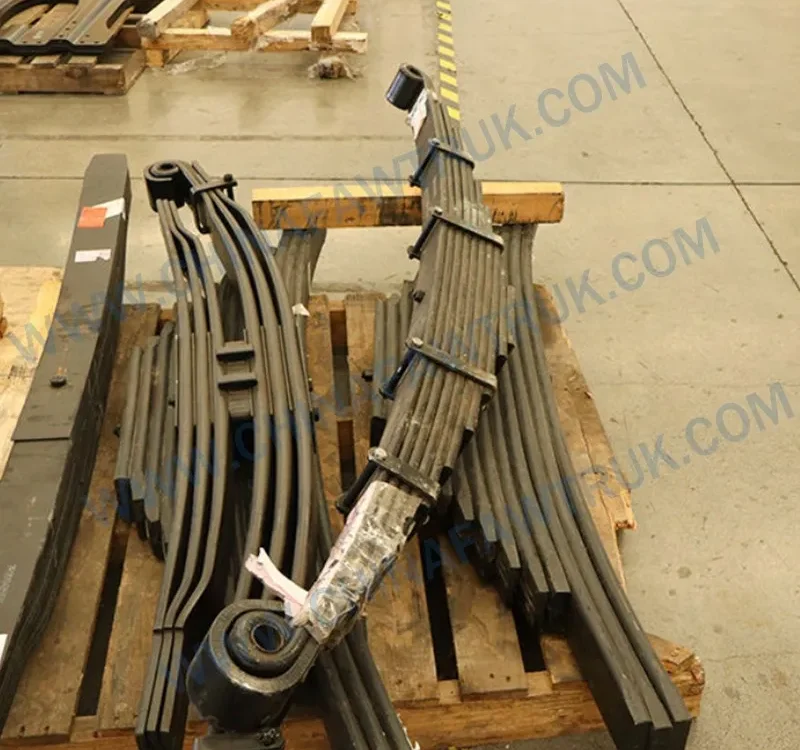
FAW parts, including the Cylinder Block Assembly, are packaged with care to ensure safe delivery. Each component is secured in protective materials to prevent damage during transit. The logistics network guarantees timely shipments worldwide, supporting efficient maintenance operations. Below is an image illustrating the standard packaging for FAW truck parts, showcasing the attention to detail in handling and storage.
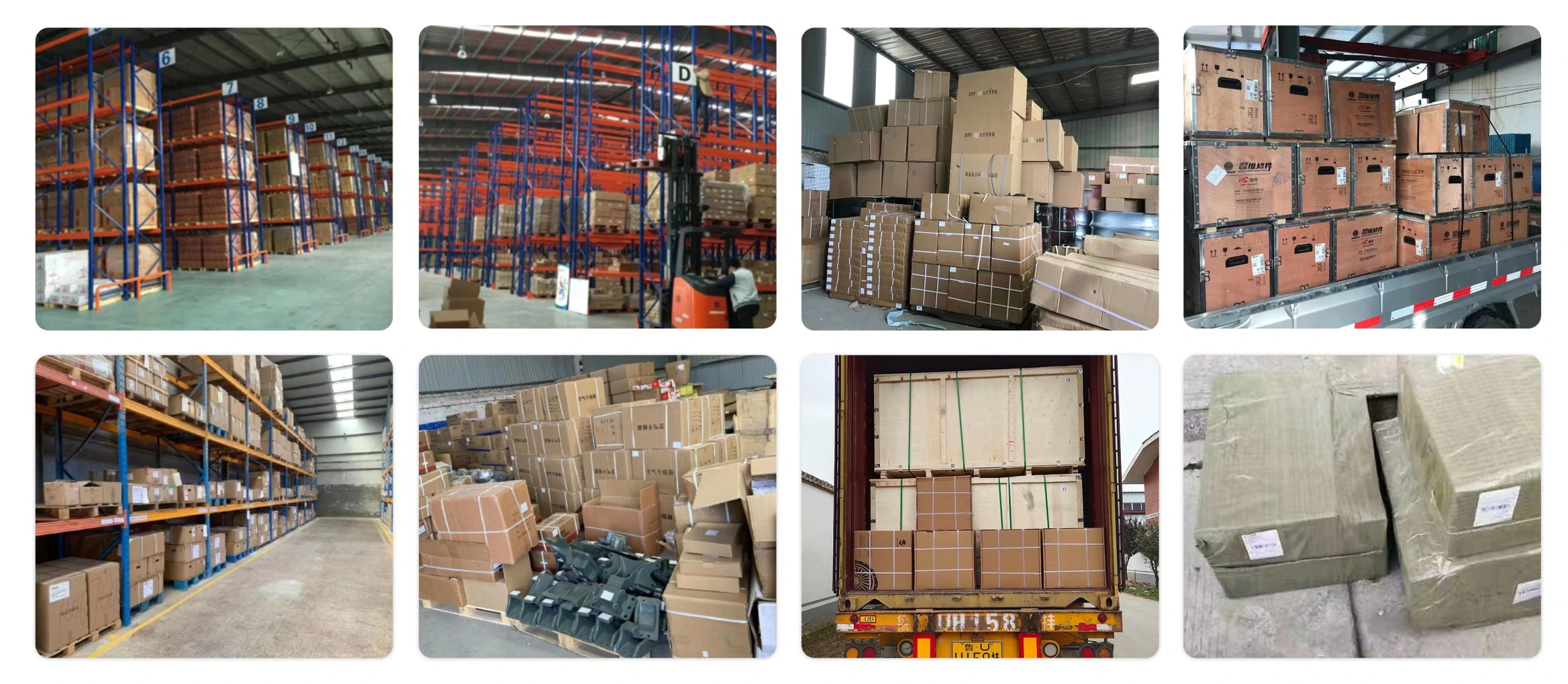
This packaging approach minimizes the risk of corrosion or impact damage, ensuring that parts like the FAW Cylinder Block Assembly arrive in perfect condition. Customers can rely on FAW’s logistics for consistent quality and reliability.