par 


Bienvenue dans cette plongée profonde sur le Bloc d'arrêt pare-brise avant Pour le FAW Jiefang CA3250P66K2L1T1E 6×4 tombereau. Cela peut sembler une partie simple, mais c'est un élément essentiel pour protéger le pare-brise et la structure de la cabine. Ce guide analysera ce single, type de pièce essentiel pour assurer un service correct.
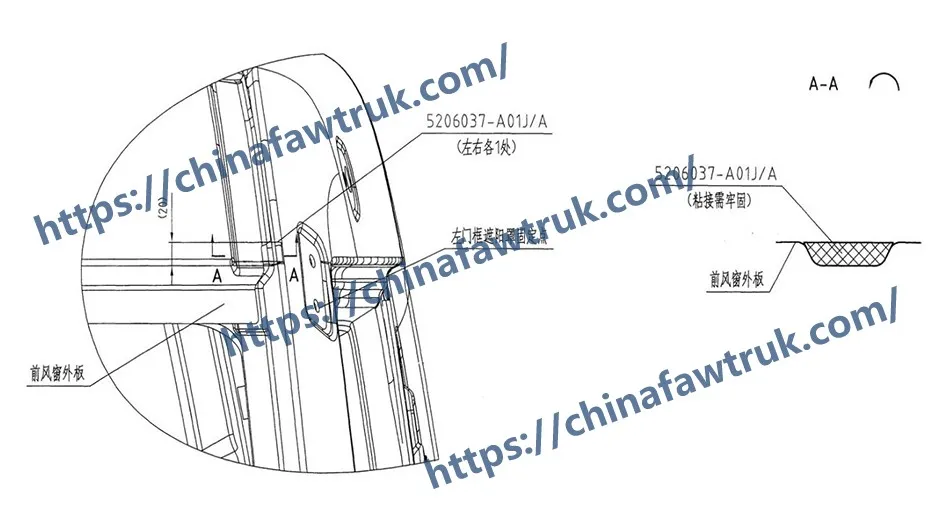
Le Bloc d'arrêt pare-brise avant est un spécialiste, composant absorbant l'énergie à haute densité. Son rôle principal est d'agir comme finaliste, point de contact technique entre la cabine basculante et la carrosserie fixe, spécifiquement pour protéger la vitre du pare-brise. Lorsque la cabine est abaissée, ce bloc empêche un dur, discordant “métal sur métal” impact.
Cette partie est vitale. Sans le Bloc d'arrêt pare-brise avant, les chocs et vibrations répétés liés à l’abaissement de la cabine finiraient par fatiguer le joint en uréthane du pare-brise, conduisant à des fuites, ou même casser le verre lui-même. Cela évite également d’endommager les mécanismes de charnière et de verrouillage de la cabine..
Ce démontage analysera la pièce (5206037-A01J) en détails. Nous explorerons sa science des matériaux critiques, son placement précis, et ses modes de défaillance courants. Pour un technicien, un manquant ou endommagé Bloc d'arrêt pare-brise avant est un article de remplacement non négociable pour éviter des coûts coûteux, dommages en cascade à la cabine et au pare-brise du véhicule.
Ce système se compose d'un seul type de composant, utilisé en double pour plus de stabilité. C'est le principal tampon d'absorption d'énergie pour la cabine du camion.
1. Composant: « Bloc d'arrêt du pare-brise avant (Assemblé selon 5206003-A01J/A)’ (5206037-A01J) – Quantité 2
Ce (Marque 1) est le composant central. Le numéro de pièce « 5206037-A01J » fait référence au bloc individuel lui-même.. La quantité de 2 confirme qu'il s'agit d'un système symétrique, avec un Bloc d'arrêt pare-brise avant utilisé sur le côté gauche et un sur le côté droit du cadre inférieur de la cabine.
La logique de la note d’assemblage: La remarque “Assemblé selon 5206003-A01J/A” est une instruction importante pour le technicien ou la chaîne de montage. Cela signifie que ce bloc n'est pas simplement boulonné; il fait partie d'une norme d'assemblage plus large (5206003-A01J/A). Cette norme définit probablement la *méthode* d'installation, en précisant le matériel exact, valeurs de couple, ou même l'utilisation d'un adhésif ou d'un frein-filet nécessaire pour créer le, système de protection de pare-brise fiable.
La logique symétrique: L'utilisation de deux blocs est une décision technique cruciale pour la stabilité. En ayant deux points de contact distincts (gauche et droite), le poids et la charge importants de la cabine descendante sont répartis uniformément sur le châssis. Cela empêche la cabine de se tordre ou de basculer lorsqu'elle s'installe.. Un seul, le bloc central agirait comme un point pivot, créant une instabilité et exerçant une contrainte asymétrique sur le mécanisme de verrouillage de la cabine et le joint flexible en uréthane du pare-brise.
La logique de service: En raison de cette logique de charge symétrique, un technicien doit *toujours* remplacer ces blocs par paires. Si un Bloc d'arrêt pare-brise avant se révèle endommagé, aplati, ou manquant, il est certain que l'autre bloc a été soumis à une charge double de sa charge prévue et qu'il est également fatigué ou endommagé. En remplacer un seul entraînera un atterrissage irrégulier de la cabine, ce qui va à l'encontre de l'objectif du système, crée de nouveaux points de stress, et entraînera la défaillance prématurée de la nouvelle pièce.
UN Bloc d'arrêt pare-brise avant est un composant défini par sa science matérielle. Il n'est pas fait de simple plastique ou de caoutchouc de base.
La logique matérielle: Ce composant est fabriqué à partir d'un matériau haute densité, élastomère à haute dureté. Les matériaux les plus courants sont l'EPDM (monomère d'éthylène-propylène-diène) caoutchouc ou un polyuréthane microcellulaire spécialisé. Ce matériau est choisi pour ses propriétés spécifiques et cruciales.
La logique d’absorption d’énergie: La caractéristique la plus importante du matériau est sa “résistance à la déformation rémanente.” Il est conçu pour se comprimer considérablement sous une charge lourde (le poids de la cabine) puis reprend sa forme originale. Cette action dissipe l'énergie cinétique, fournissant un doux, atterrissage contrôlé. Un solide, un bloc en plastique rigide serait trop dur, transmettre le choc directement au pare-brise. Une mousse souple s'effondrerait et n'offrirait aucune protection. Ce Bloc d'arrêt pare-brise avant est le parfait, compromis technique.
La logique de durabilité: L'EPDM ou polyuréthane industriel est choisi pour son extrême durabilité. Ce Bloc d'arrêt pare-brise avant doit être 100% imperméable et, plus important encore, résistant à tous les fluides automobiles courants. Il doit résister à une exposition quotidienne au fluide hydraulique (du système d'inclinaison de la cabine), diesel, huile moteur, et du sel de déneigement sans gonfler, fissuration, ou devenir cassant. Cela garantit une durée de vie de plusieurs années et des milliers de cycles d'inclinaison de la cabine..
La logique de conception: La forme physique du Bloc d'arrêt pare-brise avant est conçu avec précision. Ce n'est pas un simple cube. Il comporte un spécifique, coudé ou profilé “visage de contact” conçu pour s'accoupler parfaitement avec un “piste d'atterrissage” sur le châssis du camion. La base du bloc est souvent conçue avec un “Fente en T” ou “champignon” forme qui est mécaniquement verrouillée dans un support sur le cadre de la cabine. Cette conception, en plus des boulons, empêche le blocage d'être “pelé” ou “cisaillé” hors de sa monture par des forces latérales.
La fonction du Bloc d'arrêt pare-brise avant dépend entièrement de son emplacement précis.
La logique de placement: Ces deux blocs sont montés sur le bord le plus bas et le plus en avant du sous-châssis structurel de la cabine., généralement situé directement sous les coins gauche et droit du pare-brise avant. Cet emplacement est calibré en usine pour être la toute première partie de la cabine à entrer en contact avec le châssis lorsque la cabine est abaissée hydrauliquement depuis sa position inclinée..
La logique de protection du pare-brise: Le but principal et le plus évident est de protéger le pare-brise. Le pare-brise est un grand, cher, et un morceau de verre feuilleté structurellement critique. C'est “flotté” dans un joint flexible en uréthane. Tout impact direct, ou tout autre élément important “peaufiner” du cadre de la cabine lorsqu'il se ferme brusquement, peut facilement se concentrer et briser le verre, provoquant une fissure. Ce Bloc d'arrêt pare-brise avant garantit que la cabine ne dépasse *jamais* sa destination désignée, sûr “maison” position, sauver le pare-brise des chocs.
La charnière & Logique de protection du loquet: Une fonction secondaire cruciale du Bloc d'arrêt pare-brise avant est de protéger les charnières principales de la cabine (à l'avant) et le mécanisme de verrouillage (à l'arrière). En absorbant l'impact final de la cabine descendante, ces blocs réduisent considérablement le “claquant” force et charge de choc qui seraient autrement transférées à ces composants critiques. Cette réduction de la charge d'impact augmente la durée de vie des axes de charnière, bagues, et les crochets de verrouillage, prévenir l'usure et le désalignement.
La logique NVH: Ces blocs servent également un bruit vital, vibration, et la dureté (Nvh) fonction. Lorsque la cabine est complètement abaissée et verrouillée, les blocs restent sous une légère pression “pré-chargement” compression. Cette constante, une pression vers le haut, semblable à celle d'un ressort, garantit que l'avant de la cabine est fermement maintenu contre le châssis, éliminant tous les micro-mouvements. Cela empêche l’avant de la cabine de grincer, “jeter,” ou cliquetis contre le châssis lors de la conduite sur des routes accidentées.
Le Bloc d'arrêt pare-brise avant est un article d’usure et doit être inspecté régulièrement.
La logique du mode de défaillance: Après des milliers de cycles d'inclinaison et d'abaissement de la cabine, l'élastomère finira par se fatiguer. Les échecs les plus courants sont:
1. **Ensemble de compression:** Le matériau perd son “souplesse” et devient définitivement aplati. Il n'offre plus aucun amorti, agir efficacement comme un dur, rondelle inutile.
2. **Fissuration/déchirure:** Le matériau devient cassant avec l'âge, ozone, et exposition aux fluides, et commence à craquer, larme, ou délaminé de sa base de montage.
3. **Manquant:** L'échec le plus grave, où un bloc fatigué a été complètement arraché de son support et a disparu.
La logique d’inspection: Tout technicien effectuant un service nécessitant d'incliner la cabine a la responsabilité professionnelle d'inspecter visuellement ces deux blocs dans le cadre de la procédure.. Si les blocs sont visiblement fissurés, aplati (montrant le jeu de compression), ou manquant, ils doivent être remplacés. Il s'agit d'un élément critique pour la sécurité du service.
La logique de remplacement: Comme l'indique le schéma de pièces, le Bloc d'arrêt pare-brise avant est un seul composant (5206037-A01J). Le remplacement consiste à déboulonner ou à déclipser l'ancien bloc de son support sur le châssis de la cabine et à installer le nouveau., suivant la norme de montage (5206003-A01J/A). Comme indiqué dans Core 1, ils doivent être remplacés par paires pour assurer un atterrissage uniforme.
La logique des conséquences: Ignorer un échec Bloc d'arrêt pare-brise avant est une erreur coûteuse. La conséquence immédiate sera une dure “bruit” lorsque la cabine est abaissée. Le long terme, les conséquences coûteuses sont un pare-brise fissuré (une réparation très coûteuse), “oeufs” ou bagues de charnière de cabine endommagées, ou un mécanisme de verrouillage de la cabine défectueux, qui sont tous beaucoup plus complexes et coûteux à réparer que de remplacer ces simples, blocs essentiels.
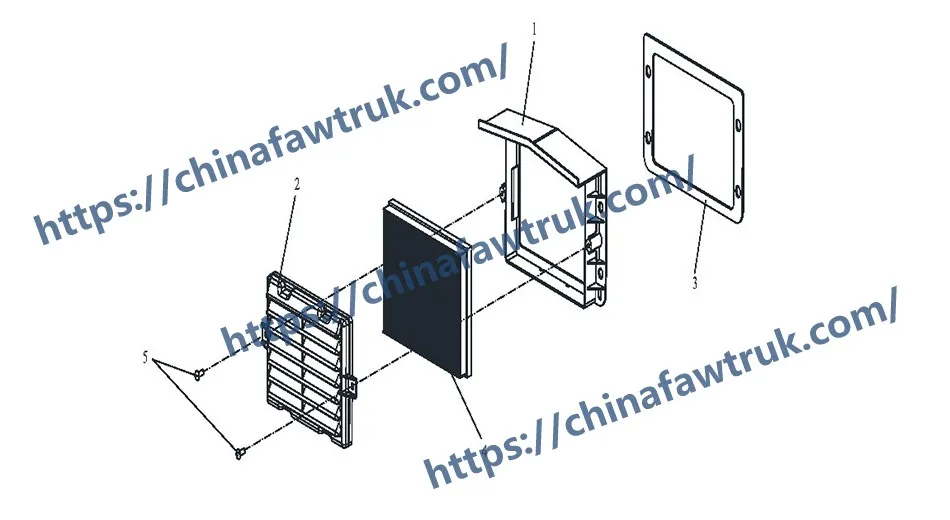
Le tableau suivant fournit l'intégralité, répartition détaillée des 1 type de composant spécifié pour le Bloc d'arrêt pare-brise avant système sur le FAW Jiefang CA3250P66K2L1T1E 6×4 tombereau.
| Marque | Partie no. | Nom de la pièce | Quantité |
|---|---|---|---|
| 1 | 5206037-A01J | Bloc d'arrêt pare-brise avant (Assemblé selon 5206003-A01J/A) | 2 |
Les spécifications pour le Bloc d'arrêt pare-brise avant se définissent par son rôle d’acteur critique, tampon d'absorption d'énergie pour la cabine.
| Demande de véhicule | FAW Jiefang CA3250P66K2L1T1E 6×4 Tombereau |
| Groupe système | Bloc d'arrêt pare-brise avant |
| Composant principal | « Bloc d'arrêt du pare-brise avant’ (5206037-A01J) |
| Matériel | Caoutchouc EPDM à haute dureté ou polyuréthane microcellulaire |
| Caractéristique clé 1 | Absorption d'énergie élevée |
| Caractéristique clé 2 | Résistance élevée à la compression |
| Caractéristique clé 3 | Chimique & Résistant aux fluides (Huile, Diesel, Hydraulique) |
| Fonction 1 | Protège le pare-brise avant des chocs |
| Fonction 2 | Protège les charnières de la cabine & Loquets contre la charge de choc |
| Fonction 3 | Contrôle NVH (Empêche les cliquetis de la cabine) |
| Remarque sur l'entretien | Doit être remplacé par paire en cas de dommage, plat, ou manquant. |
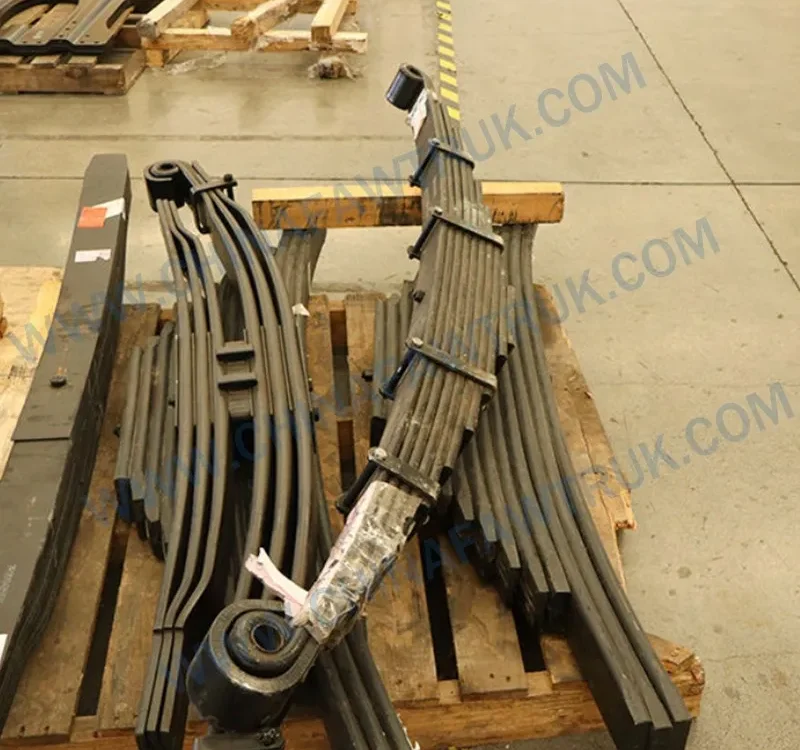
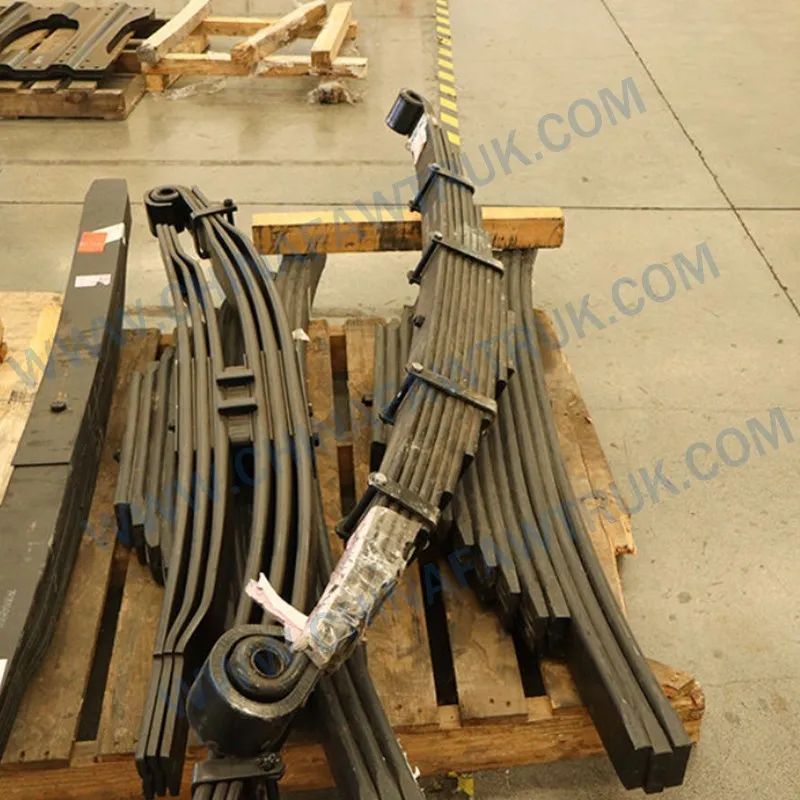
Pièces FAW, y compris l'ensemble bloc-cylindres, sont emballés avec soin pour garantir une livraison en toute sécurité. Chaque composant est sécurisé dans des matériaux de protection pour éviter tout dommage pendant le transport. Le réseau logistique garantit des expéditions ponctuelles dans le monde entier, soutenir des opérations de maintenance efficaces. Vous trouverez ci-dessous une image illustrant l'emballage standard des pièces de camion FAW., mettant en valeur l’attention portée aux détails dans la manipulation et le stockage.
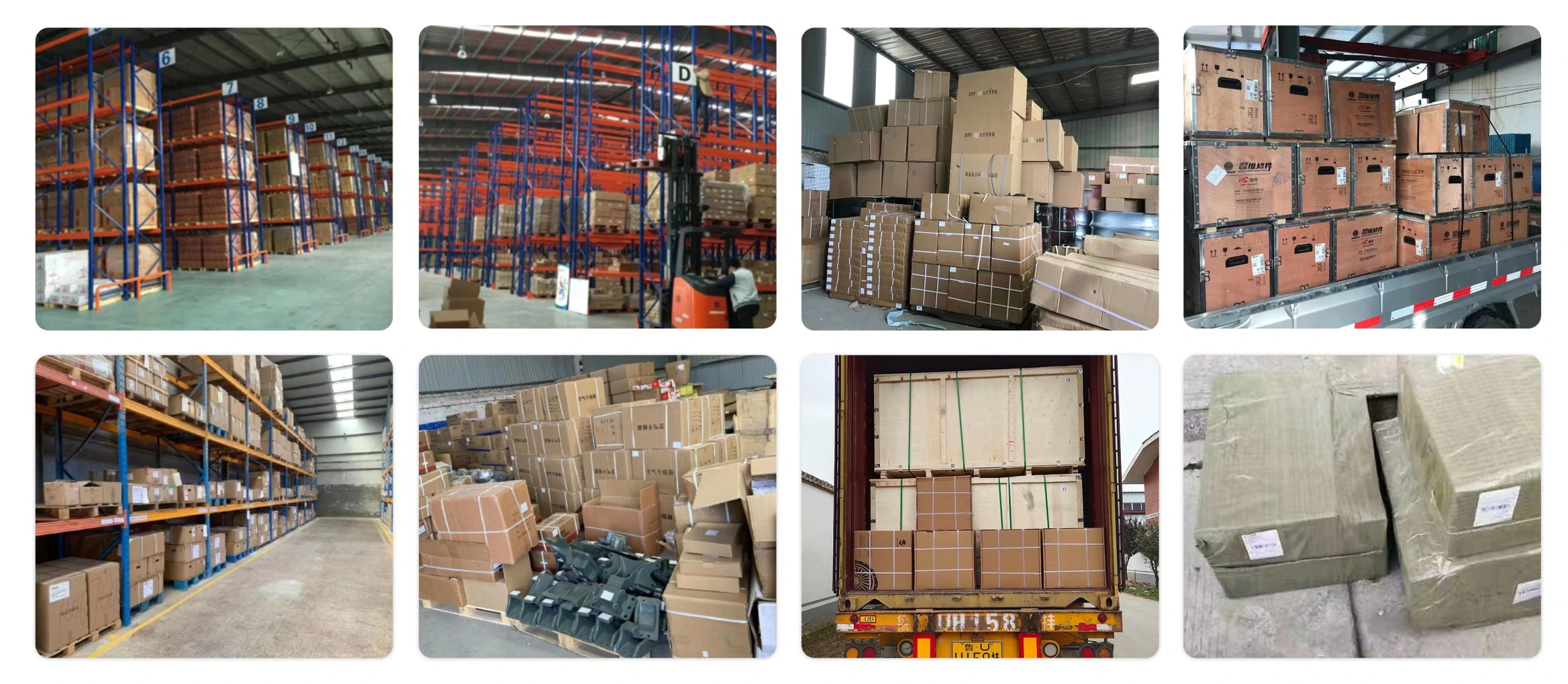
Cette approche d'emballage minimise le risque de corrosion ou de dommages causés par les chocs., s'assurer que les pièces comme l'ensemble bloc-cylindres FAW arrivent en parfait état. Les clients peuvent compter sur la logistique de FAW pour une qualité et une fiabilité constantes.