por 


Bem-vindo a este mergulho profundo no Pare o pára-brisa dianteiro bloqueado para o FAW Jiefang CA3250P66K2L1T1E 6×4 caminhão despejando. Isto pode parecer uma parte simples, mas é um componente crítico para proteger o pára-brisa e a estrutura da cabine. Este guia analisará este único, tipo de peça essencial para garantir o serviço correto.
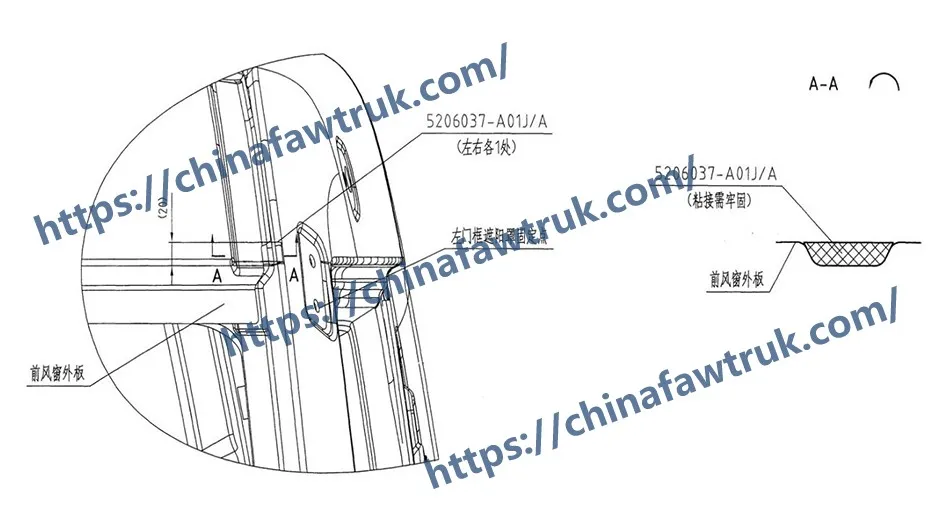
O Pare o pára-brisa dianteiro bloqueado é uma empresa especializada, componente de absorção de energia de alta densidade. Seu papel principal é atuar como o final, ponto de contato projetado entre a cabine inclinável e a carroceria fixa, especificamente para proteger o vidro do pára-brisa dianteiro. Quando a cabine está abaixada, este bloqueio evita um disco rígido, chocante “metal sobre metal” impacto.
Esta parte é vital. Sem o Pare o pára-brisa dianteiro bloqueado, o choque e a vibração repetidos ao baixar a cabina acabariam por fatigar a vedação de uretano do pára-brisas, levando a vazamentos, ou até mesmo quebrar o próprio vidro. Também evita danos às dobradiças e mecanismos de trava da cabine.
Esta desmontagem analisará a parte (5206037-A01J) em detalhes. Exploraremos sua ciência material crítica, seu posicionamento preciso, e seus modos de falha comuns. Para um técnico, faltando ou danificado Pare o pára-brisa dianteiro bloqueado é um item de substituição não negociável para evitar custos, danos em cascata na cabine e no pára-brisa do veículo.
Este sistema consiste em um único tipo de componente, usado em duplicata para estabilidade. É o principal amortecedor de absorção de energia para a cabine do caminhão.
1. Componente: 'Parar o pára-brisas frontal em bloco (Montado conforme 5206003-A01J/A)’ (5206037-A01J) – Quantidade 2
Esse (Marca 1) é o componente principal. O número da peça `5206037-A01J` refere-se ao próprio bloco individual. A quantidade de 2 confirma que este é um sistema simétrico, com um Pare o pára-brisa dianteiro bloqueado usado no lado esquerdo e outro no lado direito da estrutura inferior da cabine.
A lógica da nota de montagem: A nota “Montado conforme 5206003-A01J/A” é uma instrução importante para o técnico ou linha de montagem. Isso significa que este bloco não é simplesmente aparafusado; faz parte de um padrão de montagem maior (5206003-A01J/A). Este padrão provavelmente define o *método* de instalação, especificando o hardware exato, valores de torque, ou mesmo o uso de um adesivo ou trava-fio necessário para criar o conjunto completo, sistema de proteção de pára-brisa confiável.
A Lógica Simétrica: O uso de dois blocos é uma decisão crítica de engenharia para estabilidade. Por ter dois pontos de contato distintos (esquerda e direita), o peso e a carga substanciais da cabine descendente são distribuídos uniformemente pelo chassi. Isso evita que a cabine torça ou balance ao assentar. Um único, bloco central funcionaria como ponto de articulação, criando instabilidade e colocando tensão assimétrica no mecanismo de travamento da cabine e na vedação flexível de uretano do pára-brisa.
A lógica do serviço: Por causa desta lógica de carga simétrica, um técnico deve *sempre* substituir esses blocos em pares. Se um Pare o pára-brisa dianteiro bloqueado é encontrado danificado, achatado, ou faltando, é certo que o outro bloco foi submetido ao dobro da carga pretendida e também está fatigado ou danificado. A substituição de apenas um resultará em um pouso irregular da cabine, o que vai contra o propósito do sistema, cria novos pontos de estresse, e levará à falha prematura da nova peça.
A Pare o pára-brisa dianteiro bloqueado é um componente definido por sua ciência material. Não é feito de plástico simples ou borracha básica.
A Lógica Material: Este componente é fabricado a partir de um material de alta densidade, elastômero de alta dureza. Os materiais mais comuns são EPDM (monômero de etileno propileno dieno) borracha ou um poliuretano microcelular especializado. Este material é escolhido por suas propriedades específicas e cruciais.
A Lógica de Absorção de Energia: A característica mais importante do material é a sua “resistência de conjunto de compressão.” Ele foi projetado para comprimir significativamente sob uma carga pesada (o peso da cabine) e depois retornar à sua forma original. Esta ação dissipa a energia cinética, proporcionando um suave, pouso controlado. Um sólido, bloco de plástico rígido seria muito difícil, transmitindo o choque diretamente para o pára-brisa. Uma espuma macia entraria em colapso e não ofereceria proteção. Esse Pare o pára-brisa dianteiro bloqueado é o perfeito, meio-termo projetado.
A lógica da durabilidade: EPDM ou poliuretano industrial é escolhido por sua extrema durabilidade. Esse Pare o pára-brisa dianteiro bloqueado deve ser 100% à prova d'água e, mais importante, resistente a todos os fluidos automotivos comuns. Deve resistir à exposição diária ao fluido hidráulico (do sistema de inclinação da cabine), diesel, óleo de motor, e sal rodoviário sem inchaço, rachaduras, ou ficando quebradiço. Isto garante uma vida útil de muitos anos e milhares de ciclos de inclinação da cabine.
A Lógica do Projeto: A forma física do Pare o pára-brisa dianteiro bloqueado é precisamente projetado. Não é um simples cubo. Possui um específico, angular ou contornado “rosto de contato” projetado para combinar perfeitamente com um designado “plataforma de pouso” no chassi do caminhão. A base do bloco geralmente é projetada com um “Ranhura em T” ou “cogumelo” formato que é travado mecanicamente em um suporte na estrutura da cabine. Este projeto, além de quaisquer parafusos, impede que o bloco seja “descascado” ou “cortado” fora de sua montagem por forças laterais.
A função do Pare o pára-brisa dianteiro bloqueado depende inteiramente de seu posicionamento preciso.
A lógica de posicionamento: Esses dois blocos são montados na borda dianteira mais baixa da subestrutura estrutural da cabine, normalmente localizado diretamente abaixo dos cantos esquerdo e direito do pára-brisa dianteiro. Este local é calibrado na fábrica para ser a primeira parte da cabine a fazer contato com a estrutura do chassi à medida que a cabine é baixada hidraulicamente a partir de sua posição inclinada.
A lógica de proteção do pára-brisa: O objetivo principal e mais óbvio é proteger o pára-brisas. O para-brisa é grande, caro, e peça estruturalmente crítica de vidro laminado. Isso é “flutuou” em uma vedação flexível de uretano. Qualquer impacto direto, ou qualquer significativo “ajustes” da estrutura da cabine quando ela fecha, pode facilmente fraturar o vidro, causando uma rachadura. Esse Pare o pára-brisa dianteiro bloqueado garante que a cabine *nunca* passe do local designado, seguro “lar” posição, salvando o pára-brisas do impacto.
A dobradiça & Lógica de proteção de trava: Uma função secundária crucial do Pare o pára-brisa dianteiro bloqueado é proteger as dobradiças principais da cabine (na frente) e o mecanismo de bloqueio (na parte traseira). Ao absorver o impacto final da descida da cabine, esses bloqueios reduzem drasticamente o “batendo” força e carga de choque que de outra forma seriam transferidas para esses componentes críticos. Esta redução na carga de impacto aumenta a vida útil dos pinos da dobradiça, buchas, e os ganchos da trava, evitando desgaste e desalinhamento.
A Lógica NVH: Esses blocos também servem como um ruído vital, vibração, e dureza (Nvh) função. Quando a cabine estiver totalmente abaixada e travada, os blocos permanecem sob uma ligeira “pré-carregamento” compressão. Esta constante, a pressão ascendente semelhante a uma mola garante que a frente da cabine seja mantida firmemente contra o chassi, eliminando quaisquer micro-movimentos. Isso evita que a parte dianteira da cabine range, “jogando,” ou chacoalhando contra o chassi ao dirigir em estradas irregulares.
O Pare o pára-brisa dianteiro bloqueado é um item de desgaste e deve ser inspecionado regularmente.
A lógica do modo de falha: Após milhares de ciclos de inclinação e abaixamento da cabine, o elastômero acabará por fadigar. As falhas mais comuns são:
1. **Conjunto de compressão:** O material perde sua “elasticidade” e fica permanentemente achatado. Já não oferece qualquer amortecimento, efetivamente agindo como um difícil, disco inútil.
2. **Rachadura/rasgo:** O material torna-se quebradiço com o tempo, ozônio, e exposição a fluidos, e começa a rachar, rasgar, ou delaminar da sua base de montagem.
3. **Ausente:** A falha mais grave, onde um bloco fatigado foi completamente arrancado de seu suporte e desapareceu.
A lógica da inspeção: Qualquer técnico que execute serviços que exijam inclinação da cabine tem a responsabilidade profissional de inspecionar visualmente esses dois blocos como parte do procedimento. Se os blocos estiverem visivelmente rachados, achatado (mostrando conjunto de compactação), ou faltando, eles devem ser substituídos. Este é um item crítico de segurança do serviço.
A lógica da substituição: Como o diagrama da peça indica, o Pare o pára-brisa dianteiro bloqueado é um único componente (5206037-A01J). A substituição envolve desaparafusar ou soltar o bloco antigo de seu suporte na estrutura da cabine e instalar o novo, seguindo o padrão de montagem (5206003-A01J/A). Como afirmado no Núcleo 1, eles devem ser substituídos em pares para garantir um pouso uniforme.
A lógica das consequências: Ignorando uma falha Pare o pára-brisa dianteiro bloqueado é um erro caro. A consequência imediata será uma dura “clangor” quando a cabine é abaixada. O longo prazo, consequências caras são um pára-brisas rachado (um reparo muito caro), “incitado” ou buchas das dobradiças da cabine danificadas, ou um mecanismo de trava da cabine com falha, todos os quais são muito mais complexos e caros de consertar do que substituir esses simples, blocos essenciais.
A tabela a seguir fornece o completo, detalhamento detalhado do 1 tipo de componente especificado para o Pare o pára-brisa dianteiro bloqueado sistema no FAW Jiefang CA3250P66K2L1T1E 6×4 caminhão despejando.
| Marca | Parte não. | Nome da peça | Quantidade |
|---|---|---|---|
| 1 | 5206037-A01J | Pare o pára-brisa dianteiro bloqueado (Montado conforme 5206003-A01J/A) | 2 |
As especificações para o Pare o pára-brisa dianteiro bloqueado são definidos pelo seu papel como um elemento crítico, amortecedor de absorção de energia para a cabine.
| Aplicação em veículos | FAW Jiefang CA3250P66K2L1T1E 6×4 Caminhão basculante |
| Grupo de sistemas | Pare o pára-brisa dianteiro bloqueado |
| Componente Primário | 'Parar o pára-brisas frontal em bloco’ (5206037-A01J) |
| Material | Borracha EPDM de alta dureza ou poliuretano microcelular |
| Recurso -chave 1 | Absorção de alta energia |
| Recurso -chave 2 | Alta resistência ao conjunto de compressão |
| Recurso -chave 3 | Químico & Resistente a fluidos (Óleo, Diesel, Hidráulico) |
| Função 1 | Protege o pára-brisas dianteiro contra impactos |
| Função 2 | Protege as dobradiças da cabine & Travas de carga de choque |
| Função 3 | Controle de NVH (Evita chocalhos da cabine) |
| Nota de serviço | Deve ser substituído em pares se estiver danificado, plano, ou faltando. |
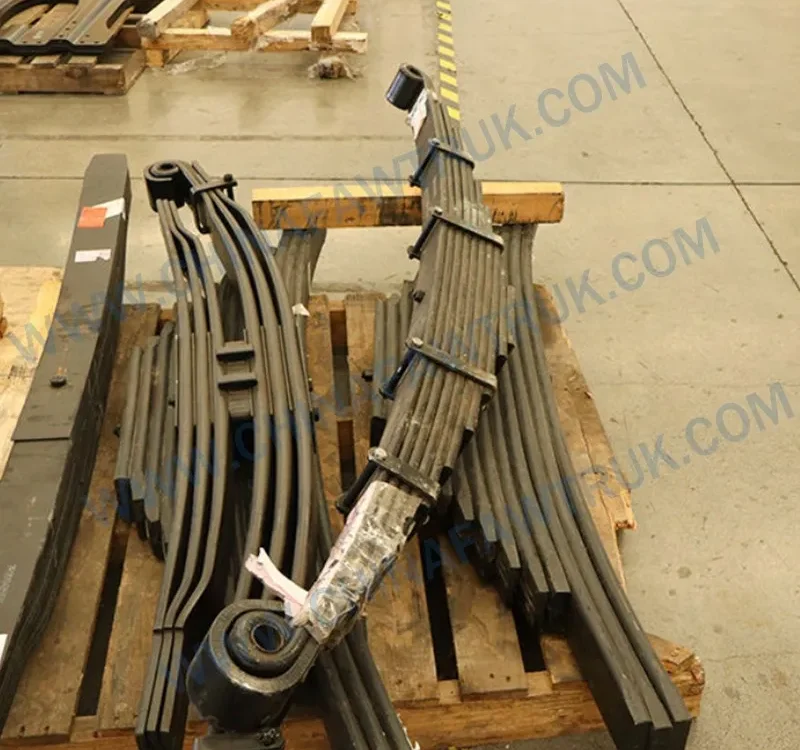
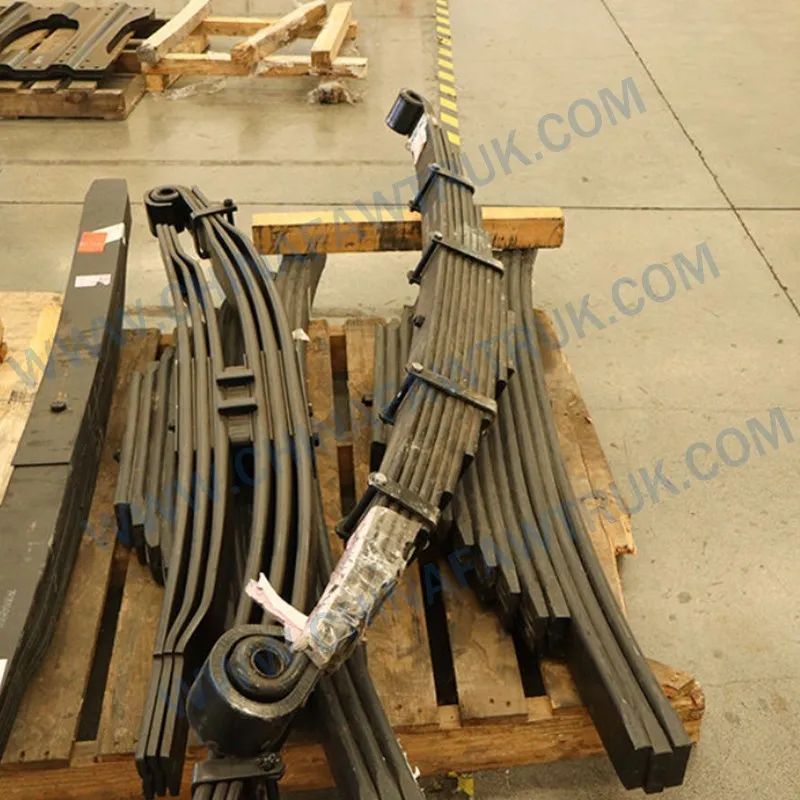
Peças FAW, incluindo o conjunto do bloco de cilindros, são embalados com cuidado para garantir uma entrega segura. Cada componente é protegido por materiais de proteção para evitar danos durante o transporte. A rede logística garante envios pontuais em todo o mundo, apoiando operações de manutenção eficientes. Abaixo está uma imagem ilustrando a embalagem padrão para peças de caminhão FAW, mostrando a atenção aos detalhes no manuseio e armazenamento.
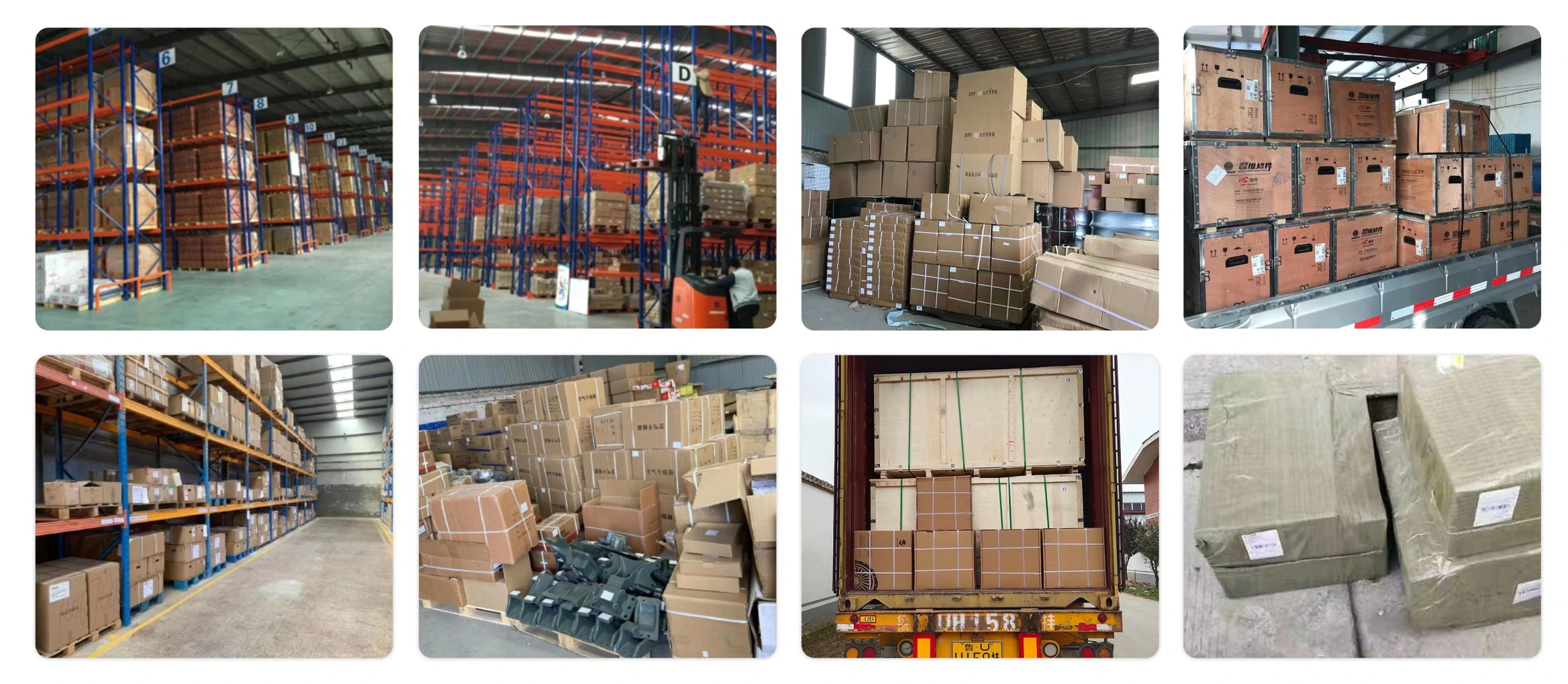
Esta abordagem de embalagem minimiza o risco de corrosão ou danos por impacto, garantindo que peças como o conjunto do bloco de cilindros FAW cheguem em perfeitas condições. Os clientes podem confiar na logística da FAW para obter qualidade e confiabilidade consistentes.