par 


Bienvenue dans cette déconstruction critique du Étiquettes d’avertissement de sécurité concernant le fonctionnement de la cabine système pour le FAW Jiefang CA3250P66K2L1T1E 6×4 tombereau. Ce ne sont pas de simples autocollants; ce sont les plus critiques, composants de sécurité non négociables pour prévenir les accidents catastrophiques. Ce guide analyse le composant clé du système: la « Cabine inclinable »’ avertissement.

Le Étiquettes d’avertissement de sécurité concernant le fonctionnement de la cabine sommes une famille à haute visibilité, autocollants durables placés à des points clés de la cabine du FAW J6P. Leur seul objectif est de fournir des informations claires, instructions et avertissements sans ambiguïté au conducteur et aux techniciens de maintenance. Ce sont les véhicules “voix” pour les procédures de sécurité.
Ce démontage se concentre sur les plus vitaux d'entre eux: le « Panneau de sécurité pour l’opération d’inclinaison de la cabine ». Incliner la cabine d'un camion-benne est l'une des procédures les plus dangereuses qu'un technicien puisse effectuer. Il expose le moteur, transmission, et le mécanisme de verrouillage hydraulique. Un échec dans cette procédure peut entraîner la fermeture brutale de la cabine de plusieurs tonnes., causant des blessures graves, voire la mort.
Nous déconstruirons les matériaux, information, et logique de conformité de ce label spécifique (Partie no. 5002121BB35J). Pour un technicien ou un gestionnaire de flotte, assurer ces Étiquettes d’avertissement de sécurité concernant le fonctionnement de la cabine sont présents, lisible, et compris est un aspect fondamental de l’entretien des véhicules et de la conformité légale (Par exemple, OSHA, ANSI).
Il s'agit de la composante principale du Étiquettes d’avertissement de sécurité concernant le fonctionnement de la cabine système détaillé dans le schéma des pièces. C'est un seul, multilingue, étiquette à fort impact.
1. Composant: «Panneau de sécurité pour le basculement de la cabine (Chinois et anglais)’ (5002121BB35J) – Quantité 1
Ce (Marque 1) est le signe critique lui-même. Ce n'est pas juste un autocollant; il s'agit d'un composant technique conçu pour une lisibilité et une durabilité maximales. Il contient l'intégralité, procédure de sécurité étape par étape pour basculer la cabine.
Le “Inclinaison de la cabine” Logique: C'est l'information la plus importante. L'étiquette détaille la séquence non négociable d'événements qu'un technicien doit suivre. Cela comprend généralement:
1. S'assurer que le camion est sur un terrain plat. 2. Vérifier que le frein de stationnement est serré. 3. Retirer tous les objets en vrac de la cabine (ordinateurs portables, outils, tasses). 4. Localisation et fonctionnement du levier de la pompe hydraulique de la cabine. 5. Confirmation visuelle que le loquet de sécurité de la cabine est désengagé pour le levage. 6. Critique, *insertion de la jambe de sécurité mécanique* ou “barre de verrouillage” une fois la cabine complètement inclinée.
Le “Mode de défaillance” Avertissement: Ce Étiquettes d’avertissement de sécurité concernant le fonctionnement de la cabine le panneau existe car les systèmes hydrauliques peuvent tomber en panne. Un technicien qui ne compte que sur la pression hydraulique pour maintenir la cabine en place court un risque extrême.. Une fuite lente dans un tuyau ou une valve peut (et je le ferai) faire descendre lentement la cabine, ou se ferme soudainement, piéger et écraser quiconque en dessous. L’objectif principal de cette étiquette est de mettre en garde contre cette, erreur fatale.
La logique de service: Le service pour cette pièce est simple: remplacement. Si cette étiquette est manquante, repeint, déchiré, ou autrement illisible, il DOIT être remplacé. Une cabine avec un avertissement d'inclinaison illisible est un handicap majeur et un échec de l'inspection de sécurité. Tout le but du Étiquettes d’avertissement de sécurité concernant le fonctionnement de la cabine est à lire.
Une étiquette d’avertissement est inutile si elle tombe ou s’estompe. La construction matérielle du Étiquettes d’avertissement de sécurité concernant le fonctionnement de la cabine est une décision d'ingénierie.
La logique du substrat: Ceci n'est pas un autocollant en papier. Il est imprimé sur un papier haute performance, substrat de qualité industrielle, généralement un polyester à support métallique ou un épais, vinyle résistant (comme le Scotchcal 3M). Ce matériau est choisi pour être 100% étanche, résistant aux produits chimiques, et indéchirable.
Il doit résister au nettoyage avec des dégraissants agressifs, fluide hydraulique, ou des solvants sans que l'encre ne se décolle ou que le matériau ne se dissolve. Cela garantit la Étiquettes d’avertissement de sécurité concernant le fonctionnement de la cabine survivre dans l’environnement hostile d’un quai de maintenance de camions.
La logique adhésive: L'étiquette utilise un “haute adhérence,” adhésif acrylique sensible à la pression. C'est un permanent, colle de qualité industrielle conçue pour adhérer de manière agressive au métal ou au plastique peint spécifique de l'intérieur de la cabine. Il est formulé pour avoir une résistance élevée au cisaillement (pour que ça ne glisse pas) et être résistant à la température, pour qu'il ne pèle pas à 120°F (50° C) chaleur estivale ou fissure dans un froid glacial.
La logique d'impression: L'encre utilisée sur tous Étiquettes d’avertissement de sécurité concernant le fonctionnement de la cabine ce n'est pas une encre standard. Il s'agit d'une encre durcie aux UV ou sérigraphiée spécialement conçue pour résister à la lumière.. Cela signifie qu'il ne se décolore pas et ne jaunit pas après des années d'exposition directe au soleil., s'assurer que les couleurs d'avertissement rouge et noir restent vives et lisibles.
Les informations sur l'étiquette ont pour seul but. Le nom de la pièce “(Chinois Anglais)” ou “(Chinois et anglais)” est une caractéristique de conception essentielle.
La logique bilingue: Ce Étiquettes d’avertissement de sécurité concernant le fonctionnement de la cabine le signe est explicitement bilingue. C'est une exigence pour FAW, un constructeur mondial de camions. Il garantit que l'avertissement peut être compris par le marché intérieur primaire. (Chinois) ainsi que par les opérateurs internationaux, marchés d'exportation, ou des effectifs diversifiés (Anglais).
Cette approche bilingue est un élément clé de la conformité internationale, s'assurer que le véhicule répond aux normes de sécurité de tout pays dans lequel il est importé. Il supprime la langue comme obstacle à un fonctionnement sûr.
La logique du pictogramme: En plus du texte, tout moderne Étiquettes d’avertissement de sécurité concernant le fonctionnement de la cabine utiliser les pictogrammes de la norme ISO (symboles graphiques). Ceux-ci incluent le “Lire le manuel” symbole (un livre), le “Risque d'écrasement” symbole (une main écrasée), et “Accessoire de soutien” symboles.
Ces symboles transcendent toutes les langues et fournissent une, avertissement visuel du danger. Ce “tri-modal” système d'alerte (Chinois, Anglais, et pictogramme) est la référence en matière de communication sur la sécurité.
Une étiquette parfaite ne sert à rien si elle est au mauvais endroit. Le placement du Étiquettes d’avertissement de sécurité concernant le fonctionnement de la cabine est un délibéré, décision fondée sur des facteurs humains.
Le “Point d'utilisation” Logique: Cette étiquette d'inclinaison de cabine n'est pas cachée dans la boîte à gants. Il doit être placé au “point d'utilisation” (ou “point de danger”). Cela signifie qu'il est situé directement à côté de la pompe hydraulique d'inclinaison de la cabine ou de la poignée de déverrouillage de la cabine..
Cette logique garantit que la personne effectuant l'action dangereuse *doit* voir l'avertissement au moment précis où elle s'apprête à l'exécuter.. C'est le moyen le plus efficace d'éviter les erreurs de procédure.
Le “Ligne de vue” Logique: L’étiquette est placée dans le champ de vision direct de l’opérateur. Pour le Étiquettes d’avertissement de sécurité concernant le fonctionnement de la cabine, cela signifie qu'il est sur le montant B, visible lorsque la porte est ouverte, ou sur la paroi arrière de la cabine, directement à côté des commandes.
La logique de service: Lors du remplacement d'une cabine ou lors de travaux de carrosserie, un technicien a la responsabilité légale et éthique de réappliquer tous Étiquettes d’avertissement de sécurité concernant le fonctionnement de la cabine dans leur exact, emplacements spécifiés en usine. Ne pas le faire rend le camion non conforme et dangereusement dangereux.. Un technicien doit utiliser le numéro de pièce (5002121BB35J) pour commander un remplacement OEM exact.
Le tableau suivant fournit l'intégralité, ventilation détaillée de tous les types de composants spécifiés pour le Étiquettes d’avertissement de sécurité concernant le fonctionnement de la cabine système sur le FAW Jiefang CA3250P66K2L1T1E 6×4 tombereau.
| Marque | Partie no. | Nom de la pièce | Quantité |
|---|---|---|---|
| 1 | 5002121BB35J | Panneau de sécurité pour les opérations de basculement de la cabine (Chinois et anglais) | 1 |
Les spécifications pour le Étiquettes d’avertissement de sécurité concernant le fonctionnement de la cabine sont définis par leur rôle de critique, dispositifs de communication de sécurité à haute durabilité.
| Demande de véhicule | FAW Jiefang CA3250P66K2L1T1E 6×4 Tombereau |
| Groupe système | Étiquettes d’avertissement de sécurité concernant le fonctionnement de la cabine |
| Composant principal | «Panneau de sécurité pour le basculement de la cabine’ (5002121BB35J) |
| Langue | Bilingue (Chinois et anglais) |
| Caractéristique clé | Pictogrammes conformes aux normes ISO |
| Matériau du substrat | Polyester ou vinyle de qualité industrielle |
| Type d'adhésif | Haute adhérence, Acrylique résistant à la température |
| Type d'encre | Durci aux UV, Résistant à la décoloration |
| Propriétés | Étanche, Résistant aux produits chimiques, Indéchirable |
| Placement | “Point d'utilisation” (À côté des commandes d'inclinaison de la cabine) |
| Remarque sur l'entretien | Doit être remplacé s'il est manquant, endommagé, ou illisible. |
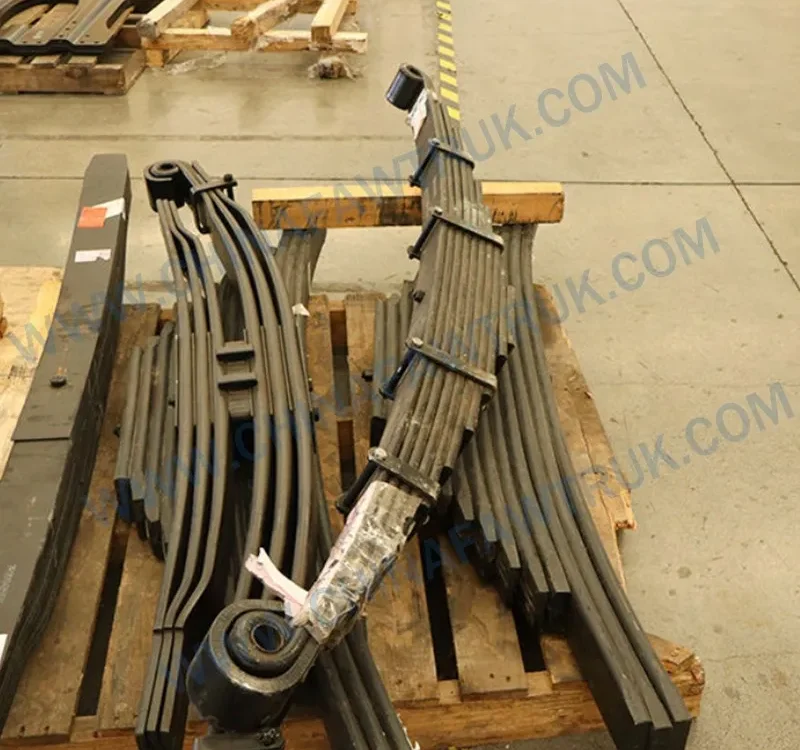
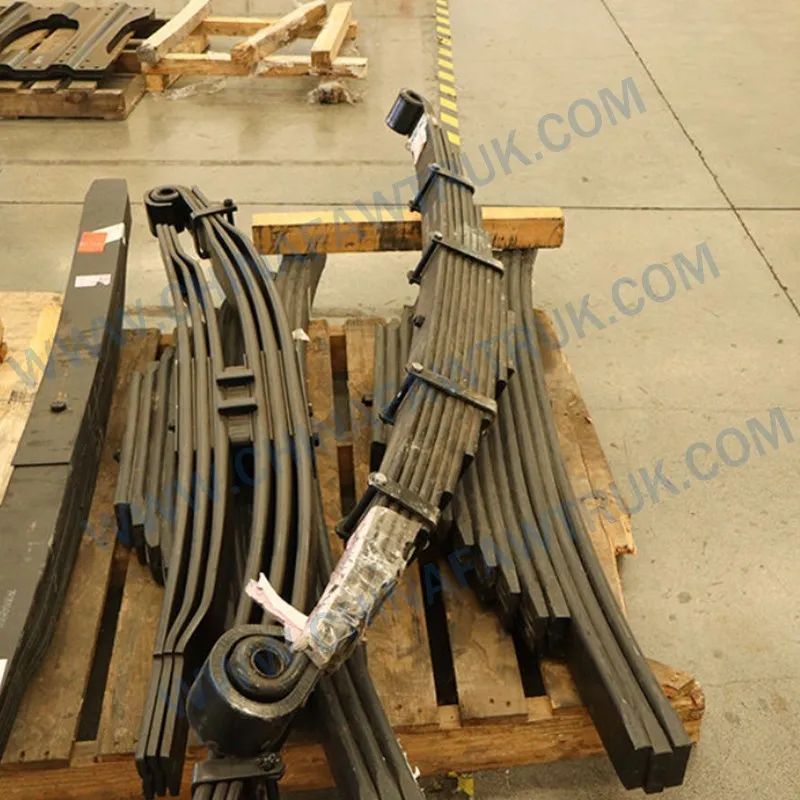
Pièces FAW, y compris l'ensemble bloc-cylindres, sont emballés avec soin pour garantir une livraison en toute sécurité. Chaque composant est sécurisé dans des matériaux de protection pour éviter tout dommage pendant le transport. Le réseau logistique garantit des expéditions ponctuelles dans le monde entier, soutenir des opérations de maintenance efficaces. Vous trouverez ci-dessous une image illustrant l'emballage standard des pièces de camion FAW., mettant en valeur l’attention portée aux détails dans la manipulation et le stockage.
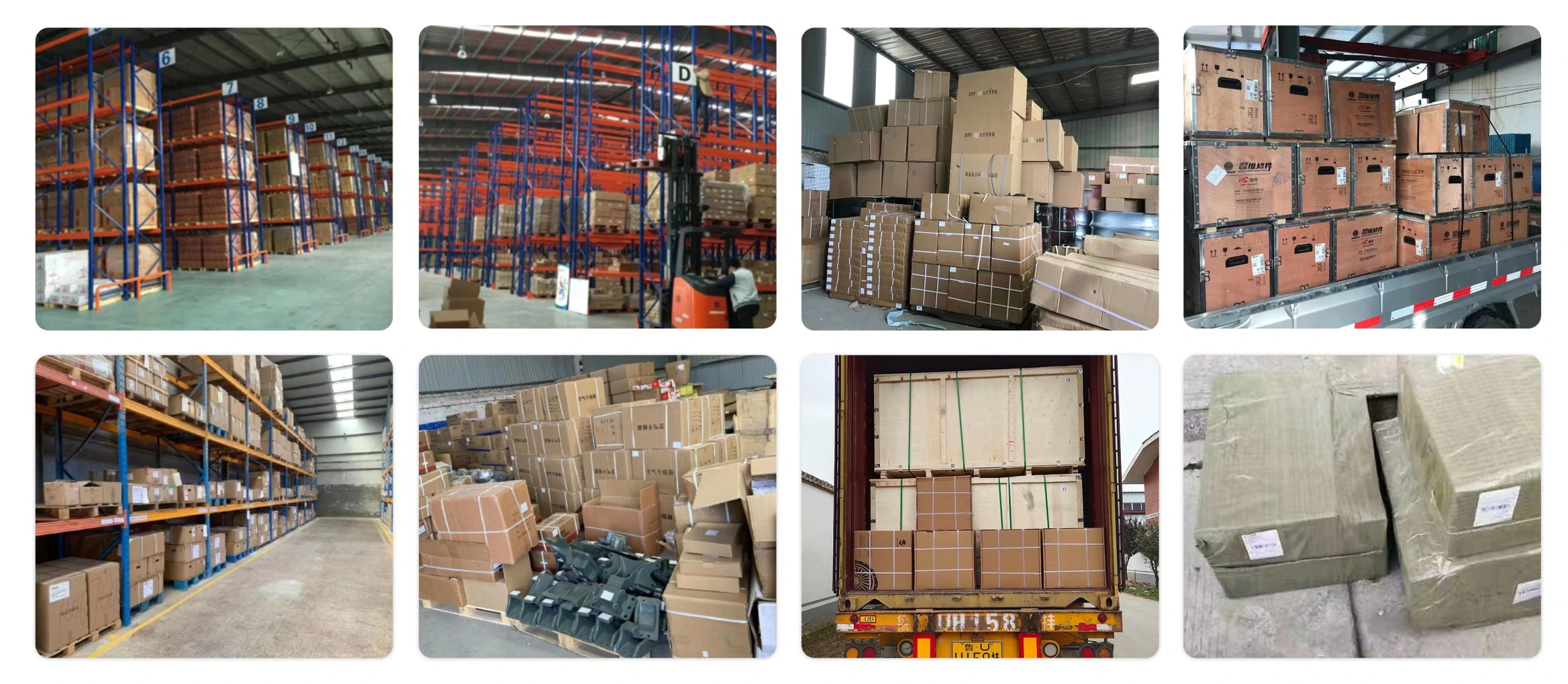
Cette approche d'emballage minimise le risque de corrosion ou de dommages causés par les chocs., s'assurer que les pièces comme l'ensemble bloc-cylindres FAW arrivent en parfait état. Les clients peuvent compter sur la logistique de FAW pour une qualité et une fiabilité constantes.