by 


Welcome to this critical deconstruction of the Cab Operation Safety Warning Labels system for the FAW Jiefang CA3250P66K2L1T1E 6×4 dump truck. These are not mere stickers; they are the most critical, non-negotiable safety components for preventing catastrophic accidents. This guide analyzes the system’s key component: the ‘Cab Tilting’ warning.

The Cab Operation Safety Warning Labels are a family of high-visibility, durable decals placed at key points within the FAW J6P cab. Their singular purpose is to provide clear, unambiguous instructions and warnings to the driver and maintenance technicians. They are the vehicle’s “voice” for safety procedures.
This teardown focuses on the most vital of these: the ‘Cab Tilting Operation Safety Sign’. Tilting the cab of a dump truck is one of the most dangerous procedures a technician can perform. It exposes the engine, transmission, and the hydraulic locking mechanism. A failure in this procedure can result in the multi-ton cab slamming shut, causing severe injury or death.
We will deconstruct the materials, information, and compliance logic of this specific label (Part No. 5002121BB35J). For a technician or fleet manager, ensuring these Cab Operation Safety Warning Labels are present, legible, and understood is a fundamental aspect of vehicle maintenance and legal compliance (e.g., OSHA, ANSI).
This is the primary component of the Cab Operation Safety Warning Labels system detailed in the parts diagram. It is a single, multi-language, high-impact label.
1. Component: ‘Cab tilting operation safety sign (Chinese and English)’ (5002121BB35J) – Qty 1
This (Mark 1) is the critical sign itself. It is not just a sticker; it is an engineered component designed for maximum legibility and durability. It contains the complete, step-by-step safety procedure for tilting the cab.
The “Cab Tilting” Logic: This is the most important information. The label details the non-negotiable sequence of events a technician must follow. This typically includes:
1. Ensuring the truck is on level ground. 2. Verifying the parking brake is set. 3. Clearing all loose items from the cab (laptops, tools, cups). 4. Locating and operating the cab hydraulic pump lever. 5. Visually confirming the cab safety latch is disengaged for lifting. 6. Critically, *inserting the mechanical safety strut* or “lock bar” once the cab is fully tilted.
The “Failure Mode” Warning: This Cab Operation Safety Warning Labels sign exists because hydraulic systems can fail. A technician who relies only on the hydraulic pressure to hold the cab up is at extreme risk. A slow leak in a hose or valve can (and will) cause the cab to slowly creep down, or suddenly slam shut, trapping and crushing anyone underneath. This label’s primary purpose is to warn against this specific, fatal mistake.
The Service Logic: The service for this part is simple: replacement. If this label is missing, painted over, torn, or otherwise illegible, it MUST be replaced. A cab with an illegible tilt warning is a major liability and a failed safety inspection. The entire purpose of the Cab Operation Safety Warning Labels is to be read.
A warning label is useless if it falls off or fades. The material construction of the Cab Operation Safety Warning Labels is an engineering decision.
The Substrate Logic: This is not a paper sticker. It is printed on a high-performance, industrial-grade substrate, typically a metallic-backed polyester or a thick, durable vinyl (like 3M Scotchcal). This material is chosen to be 100% waterproof, chemical-resistant, and tear-proof.
It must withstand being wiped down with aggressive degreasers, hydraulic fluid, or solvents without the ink lifting or the material dissolving. This ensures the Cab Operation Safety Warning Labels survive in the harsh environment of a truck maintenance bay.
The Adhesive Logic: The label uses a “high-tack,” pressure-sensitive acrylic adhesive. This is a permanent, industrial-strength glue designed to bond aggressively to the specific painted metal or plastic of the cab’s interior. It is formulated to have high shear strength (so it doesn’t slide) and to be temperature-resistant, so it won’t peel in 120°F (50°C) summer heat or crack in sub-zero cold.
The Printing Logic: The ink used on all Cab Operation Safety Warning Labels is not standard ink. It is a UV-cured or screen-printed ink that is specifically designed to be lightfast. This means it will not fade or turn yellow after years of exposure to direct sunlight, ensuring the red and black warning colors remain vibrant and legible.
The information on the label is its entire purpose. The part name “(中英文)” or “(Chinese and English)” is a critical design feature.
The Bilingual Logic: This Cab Operation Safety Warning Labels sign is explicitly bilingual. This is a requirement for FAW, a global truck manufacturer. It ensures that the warning can be understood by the primary domestic market (Chinese) as well as by international operators, export markets, or diverse workforces (English).
This dual-language approach is a key part of international compliance, ensuring the vehicle meets the safety standards of any country it is imported into. It removes language as a barrier to safe operation.
The Pictogram Logic: In addition to text, all modern Cab Operation Safety Warning Labels use ISO-standard pictograms (graphic symbols). These include the “Read Manual” symbol (a book), the “Crush Hazard” symbol (a hand being crushed), and “Support Prop” symbols.
These symbols transcend all languages and provide an immediate, visual warning of the hazard. This “tri-modal” warning system (Chinese, English, and Pictogram) is the gold standard for safety communication.
A perfect label is useless if it’s in the wrong place. The placement of the Cab Operation Safety Warning Labels is a deliberate, human-factors-driven decision.
The “Point of Use” Logic: This cab tilting label is not hidden in the glove box. It is required to be placed at the “point of use” (or “point of hazard”). This means it is located directly next to the cab tilt hydraulic pump or the cab latch release handle.
This logic ensures that the person performing the dangerous action *must* see the warning at the exact moment they are about to perform it. This is the most effective way to prevent procedural error.
The “Line of Sight” Logic: The label is placed in the operator’s direct line of sight. For the Cab Operation Safety Warning Labels, this means it is on the B-pillar, visible when the door is open, or on the cab back wall, directly adjacent to the controls.
The Service Logic: When replacing a cab or performing body work, a technician has a legal and ethical responsibility to re-apply all Cab Operation Safety Warning Labels in their exact, factory-specified locations. Failure to do so renders the truck non-compliant and dangerously unsafe. A technician must use the part number (5002121BB35J) to order an exact OEM replacement.
The following table provides the complete, detailed breakdown of all specified component types for the Cab Operation Safety Warning Labels system on the FAW Jiefang CA3250P66K2L1T1E 6×4 dump truck.
| Mark | Part No. | Part Name | Quantity |
|---|---|---|---|
| 1 | 5002121BB35J | Cab tilting operation safety sign (Chinese and English) | 1 |
The specifications for the Cab Operation Safety Warning Labels are defined by their role as critical, high-durability safety communication devices.
| Vehicle Application | FAW Jiefang CA3250P66K2L1T1E 6×4 Dump Truck |
| System Group | Cab Operation Safety Warning Labels |
| Primary Component | ‘Cab tilting operation safety sign’ (5002121BB35J) |
| Language | Bilingual (Chinese and English) |
| Key Feature | ISO-Standard Pictograms |
| Substrate Material | Industrial-Grade Polyester or Vinyl |
| Adhesive Type | High-Tack, Temperature-Resistant Acrylic |
| Ink Type | UV-Cured, Fade-Resistant |
| Properties | Waterproof, Chemical-Resistant, Tear-Proof |
| Placement | “Point of Use” (Next to cab tilt controls) |
| Service Note | Must be replaced if missing, damaged, or illegible. |
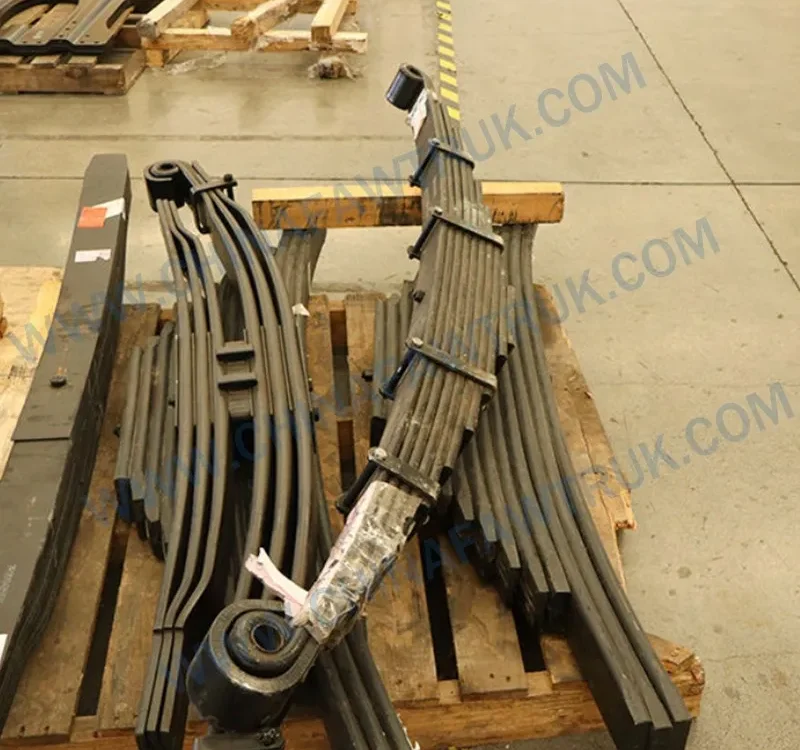
FAW parts, including the Cylinder Block Assembly, are packaged with care to ensure safe delivery. Each component is secured in protective materials to prevent damage during transit. The logistics network guarantees timely shipments worldwide, supporting efficient maintenance operations. Below is an image illustrating the standard packaging for FAW truck parts, showcasing the attention to detail in handling and storage.
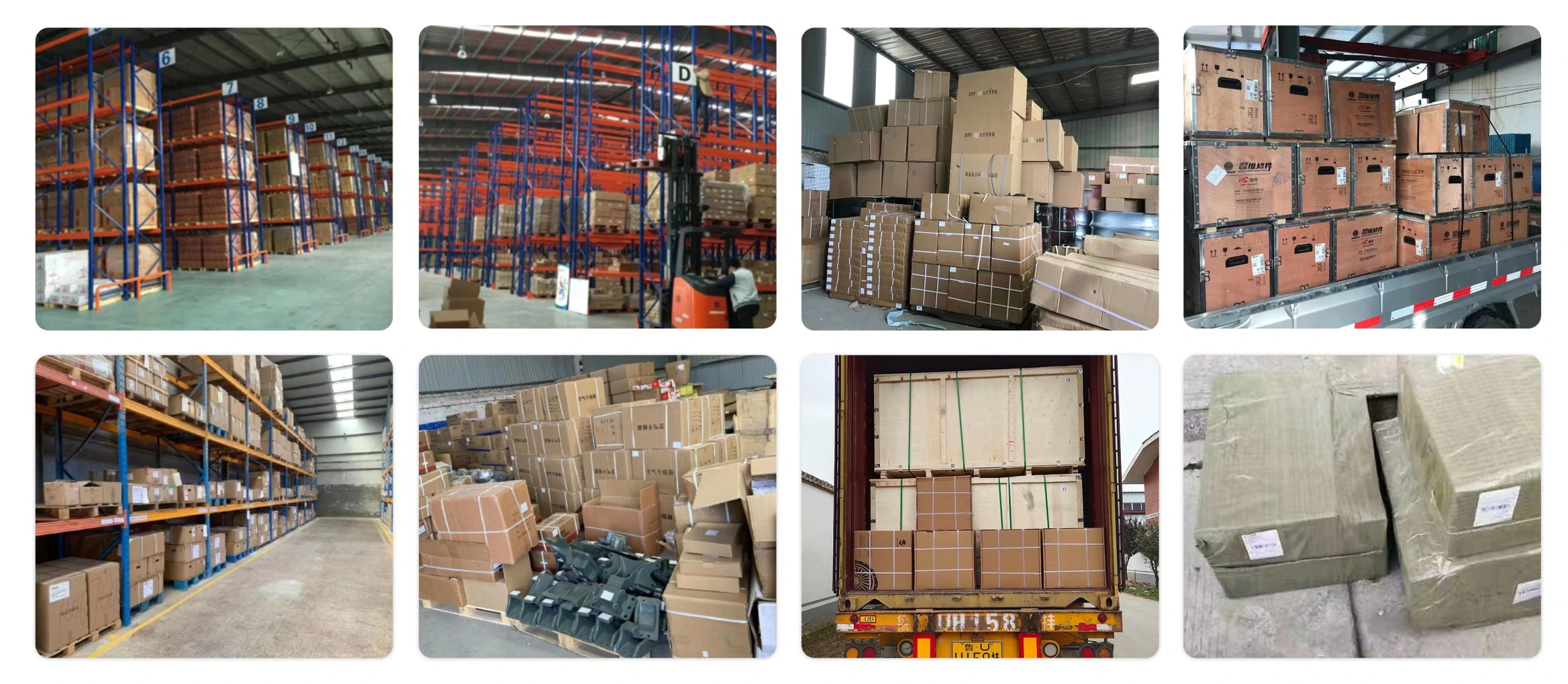
This packaging approach minimizes the risk of corrosion or impact damage, ensuring that parts like the FAW Cylinder Block Assembly arrive in perfect condition. Customers can rely on FAW’s logistics for consistent quality and reliability.