por 


Bienvenidos a esta deconstrucción crítica de la Etiquetas de advertencia de seguridad en el funcionamiento de la cabina sistema para el FAW Jiefang CA3250P66K2L1T1E 6×4 camión volcado. Estas no son simples pegatinas; son los mas criticos, Componentes de seguridad no negociables para prevenir accidentes catastróficos.. Esta guía analiza el componente clave del sistema.: la 'Cabina Inclinable’ advertencia.

El Etiquetas de advertencia de seguridad en el funcionamiento de la cabina son una familia de alta visibilidad, calcomanías duraderas colocadas en puntos clave dentro de la cabina del FAW J6P. Su propósito singular es proporcionar información clara, Instrucciones y advertencias inequívocas para el conductor y los técnicos de mantenimiento.. son del vehiculo “voz” para procedimientos de seguridad.
Este desmontaje se centra en el más vital de estos: la "Señal de seguridad de operación de inclinación de la cabina". Inclinar la cabina de un camión volquete es uno de los procedimientos más peligrosos que puede realizar un técnico. Expone el motor, transmisión, y el mecanismo de bloqueo hidráulico. Un fallo en este procedimiento puede provocar que la cabina de varias toneladas se cierre de golpe., causando lesiones graves o la muerte.
Deconstruiremos los materiales., información, y lógica de cumplimiento de esta etiqueta específica (Número de pieza. 5002121BB35J). Para un técnico o gestor de flota, asegurando estos Etiquetas de advertencia de seguridad en el funcionamiento de la cabina están presentes, legible, y entender es un aspecto fundamental del mantenimiento del vehículo y del cumplimiento legal (P.EJ., OSHA, ANSI).
Este es el componente principal de la Etiquetas de advertencia de seguridad en el funcionamiento de la cabina sistema detallado en el diagrama de piezas. es un solo, multilenguaje, etiqueta de alto impacto.
1. Componente: «Señal de seguridad para el funcionamiento basculante de la cabina (chino e ingles)’ (5002121BB35J) – Cantidad 1
Este (Marca 1) es el signo crítico en sí. No es solo una pegatina; Es un componente diseñado para máxima legibilidad y durabilidad.. Contiene el completo, Procedimiento de seguridad paso a paso para inclinar la cabina..
El “Inclinación de la cabina” Lógica: Esta es la información más importante.. La etiqueta detalla la secuencia no negociable de eventos que debe seguir un técnico. Esto normalmente incluye:
1. Asegurarse de que el camión esté en un terreno nivelado. 2. Verificar que el freno de mano esté puesto. 3. Quitar todos los artículos sueltos de la cabina (portátiles, herramientas, tazas). 4. Ubicación y funcionamiento de la palanca de la bomba hidráulica de la cabina. 5. Confirmar visualmente que el pestillo de seguridad de la cabina esté desenganchado para levantarlo.. 6. críticamente, *insertando el puntal de seguridad mecánico* o “barra de bloqueo” una vez que la cabina esté completamente inclinada.
El “Modo de falla” Advertencia: Este Etiquetas de advertencia de seguridad en el funcionamiento de la cabina La señal existe porque los sistemas hidráulicos pueden fallar.. Un técnico que depende únicamente de la presión hidráulica para sostener la cabina corre un riesgo extremo. Una fuga lenta en una manguera o válvula puede (y lo hará) hacer que la cabina descienda lentamente, o de repente se cierra de golpe, atrapando y aplastando a cualquiera debajo. El objetivo principal de esta etiqueta es advertir contra este problema específico., error fatal.
La lógica del servicio: El servicio para esta parte es simple.: reemplazo. Si falta esta etiqueta, pintado encima, rasgado, o de otra manera ilegible, DEBE ser reemplazado. Una cabina con una advertencia de inclinación ilegible es una responsabilidad importante y una inspección de seguridad fallida.. Todo el propósito de la Etiquetas de advertencia de seguridad en el funcionamiento de la cabina es para ser leído.
Una etiqueta de advertencia es inútil si se cae o se desvanece. La construcción material de la Etiquetas de advertencia de seguridad en el funcionamiento de la cabina es una decisión de ingeniería.
La lógica del sustrato: Esto no es una pegatina de papel.. Está impreso en un alto rendimiento., sustrato de calidad industrial, típicamente un poliéster con respaldo metálico o un grueso, vinilo duradero (como whisky escocés 3M). Este material se elige para ser 100% impermeable, resistente a productos químicos, y resistente al desgarro.
Debe resistir la limpieza con desengrasantes agresivos., fluido hidraulico, o solventes sin que la tinta se levante o el material se disuelva. Esto asegura la Etiquetas de advertencia de seguridad en el funcionamiento de la cabina sobrevivir en el duro entorno de un área de mantenimiento de camiones.
La lógica adhesiva: La etiqueta utiliza un “alta adherencia,” adhesivo acrílico sensible a la presión. Este es un permanente, Pegamento de resistencia industrial diseñado para adherirse agresivamente al metal o plástico pintado específico del interior de la cabina.. Está formulado para tener una alta resistencia al corte. (para que no se deslice) y ser resistente a la temperatura, para que no se pele en 120°F (50°C) calor del verano o crack en frío bajo cero.
La lógica de la impresión: La tinta utilizada en todos Etiquetas de advertencia de seguridad en el funcionamiento de la cabina no es tinta estándar. Es una tinta serigrafiada o curada con UV que está diseñada específicamente para ser resistente a la luz.. Esto significa que no se desvanecerá ni se volverá amarillo después de años de exposición a la luz solar directa., garantizar que los colores de advertencia rojo y negro permanezcan vibrantes y legibles.
La información de la etiqueta es su único propósito.. El nombre de la parte “(chino ingles)” o “(chino e ingles)” es una característica de diseño crítica.
La lógica bilingüe: Este Etiquetas de advertencia de seguridad en el funcionamiento de la cabina el signo es explícitamente bilingüe. Este es un requisito para FAW., un fabricante mundial de camiones. Garantiza que la advertencia pueda ser entendida por el mercado interno primario (Chino) así como por operadores internacionales, mercados de exportación, o fuerza laboral diversa (Inglés).
Este enfoque bilingüe es una parte clave del cumplimiento internacional., Garantizar que el vehículo cumpla con los estándares de seguridad de cualquier país al que se importe.. Elimina el idioma como barrera para una operación segura.
La lógica del pictograma: Además del texto, todo moderno Etiquetas de advertencia de seguridad en el funcionamiento de la cabina Utilice pictogramas estándar ISO. (símbolos gráficos). Estos incluyen el “Leer manual” símbolo (un libro), el “Peligro de aplastamiento” símbolo (una mano siendo aplastada), y “Apoyo de apoyo” simbolos.
Estos símbolos trascienden todos los idiomas y proporcionan una inmediata, advertencia visual del peligro. Este “trimodal” sistema de alerta (Chino, Inglés, y pictograma) es el estándar de oro para la comunicación de seguridad.
De nada sirve una etiqueta perfecta si está en el lugar equivocado. La colocación del Etiquetas de advertencia de seguridad en el funcionamiento de la cabina es un deliberado, decisión impulsada por factores humanos.
El “Punto de uso” Lógica: Esta etiqueta de inclinación de la cabina no está oculta en la guantera.. Se requiere colocarlo en el “punto de uso” (o “punto de peligro”). Esto significa que está ubicado directamente al lado de la bomba hidráulica de inclinación de la cabina o de la manija de liberación del pestillo de la cabina..
Esta lógica garantiza que la persona que realiza la acción peligrosa *debe* ver la advertencia en el momento exacto en que está a punto de realizarla.. Esta es la forma más eficaz de prevenir errores de procedimiento.
El “Línea de visión” Lógica: La etiqueta se coloca en la línea de visión directa del operador.. Para el Etiquetas de advertencia de seguridad en el funcionamiento de la cabina, esto significa que está en el pilar B, visible cuando la puerta está abierta, o en la pared trasera de la cabina, directamente adyacente a los controles.
La lógica del servicio: Al reemplazar una cabina o realizar trabajos de carrocería, un técnico tiene la responsabilidad legal y ética de volver a aplicar todos Etiquetas de advertencia de seguridad en el funcionamiento de la cabina en su exacto, ubicaciones especificadas por la fábrica. De lo contrario, el camión no cumplirá las normas y será peligrosamente inseguro.. Un técnico debe utilizar el número de pieza. (5002121BB35J) para pedir un reemplazo OEM exacto.
La siguiente tabla proporciona la información completa, desglose detallado de todos los tipos de componentes especificados para el Etiquetas de advertencia de seguridad en el funcionamiento de la cabina sistema en el FAW Jiefang CA3250P66K2L1T1E 6×4 camión volcado.
| Marca | Número de pieza. | Nombre de la pieza | Cantidad |
|---|---|---|---|
| 1 | 5002121BB35J | Señal de seguridad de operación de inclinación de cabina (chino e ingles) | 1 |
Las especificaciones para el Etiquetas de advertencia de seguridad en el funcionamiento de la cabina se definen por su papel como críticos, dispositivos de comunicación de seguridad de alta durabilidad.
| Solicitud de vehículo | FAW Jiefang CA3250P66K2L1T1E 6×4 Camión de la basura |
| Grupo de sistema | Etiquetas de advertencia de seguridad en el funcionamiento de la cabina |
| Componente primario | «Señal de seguridad para el funcionamiento basculante de la cabina’ (5002121BB35J) |
| Idioma | Bilingüe (chino e ingles) |
| Característica clave | Pictogramas estándar ISO |
| Material de sustrato | Poliéster o vinilo de grado industrial |
| Tipo de adhesivo | Alta adherencia, Acrílico resistente a la temperatura |
| Tipo de tinta | Curado UV, Resistente a la decoloración |
| Propiedades | Impermeable, Resistente a productos químicos, A prueba de desgarros |
| Colocación | “Punto de uso” (Junto a los controles de inclinación de la cabina) |
| Nota de servicio | Debe ser reemplazado si falta, dañado, o ilegible. |
piezas FAW, incluido el conjunto del bloque de cilindros, Se empaquetan con cuidado para garantizar una entrega segura.. Cada componente está asegurado con materiales protectores para evitar daños durante el transporte.. La red logística garantiza envíos puntuales en todo el mundo., apoyando operaciones de mantenimiento eficientes. A continuación se muestra una imagen que ilustra el embalaje estándar de las piezas de camiones FAW., mostrando la atención al detalle en el manejo y almacenamiento.
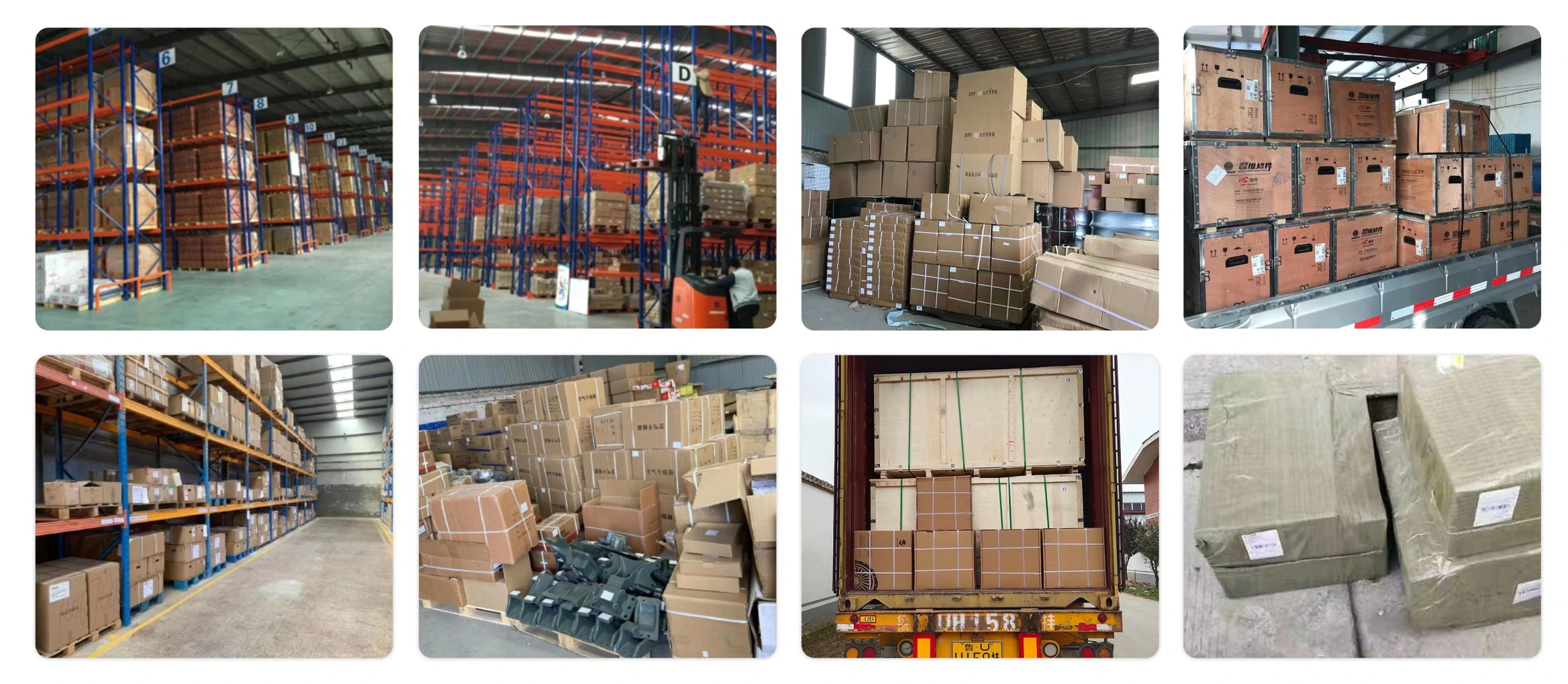
Este enfoque de embalaje minimiza el riesgo de corrosión o daños por impacto., asegurando que piezas como el conjunto de bloque de cilindros FAW lleguen en perfectas condiciones. Los clientes pueden confiar en la logística de FAW para obtener calidad y confiabilidad constantes.