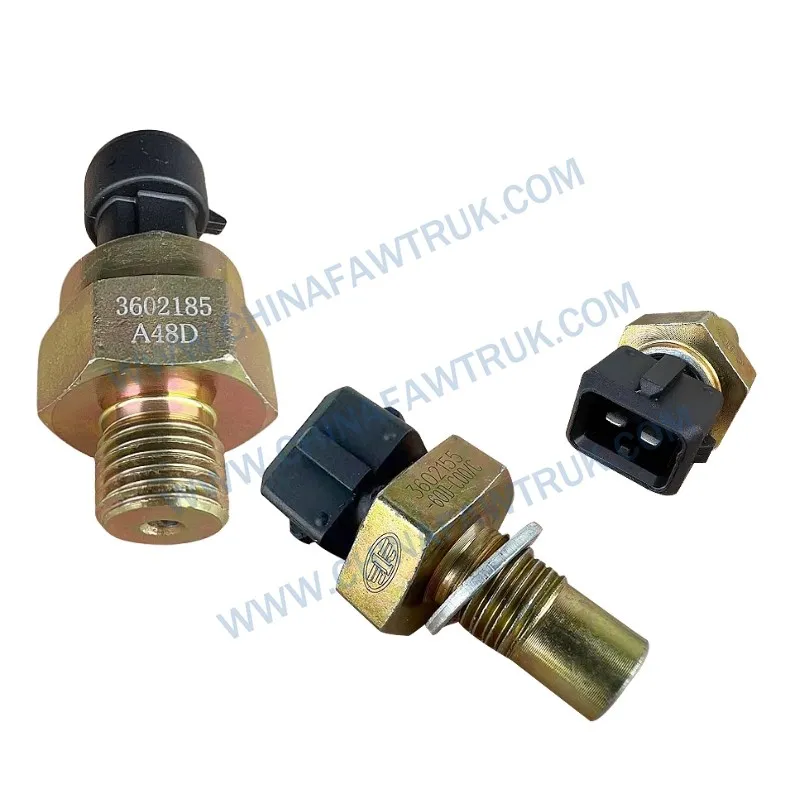
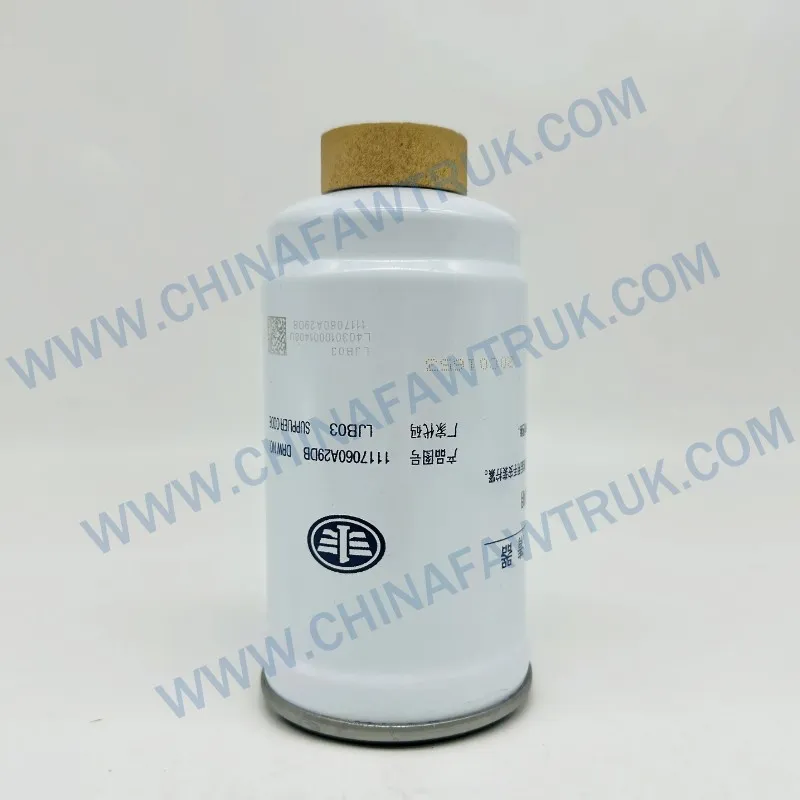
Système d'alimentation en carburant russe FAW: 43 Des composants de précision pour une fiabilité arctique inégalée
Le Système d'alimentation en carburant russe FAW est la bouée de sauvetage hydrodynamique du camion benne CA3250P66K24L1TE5Z. Conçu pour fournir du diesel à des pressions dépassant 1800 bar, ce système Common Rail assure une atomisation précise même pendant l'hiver glacial russe. Ce guide décortique la pompe haute pression, injecteurs, et une tuyauterie complexe requise pour une combustion parfaite.
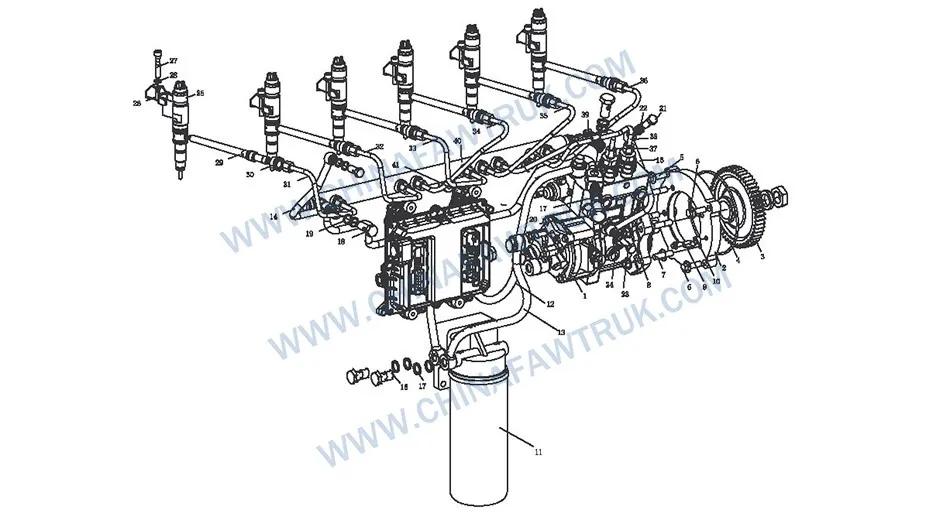
Système d'alimentation en carburant russe FAW
Génération de pression: L'ensemble de pompe haute pression
Au cœur du Système d'alimentation en carburant russe FAW est le Ensemble de pompe à huile haute pression (Partie no. 1111010-73D). Cette pompe mécanique est chargée de mettre sous pression la rampe d'injection. Contrairement aux anciennes pompes rotatives, cette unité doit générer une pression constante quel que soit le régime moteur, une capacité vitale pour les démarrages à froid dans l'Arctique russe où la viscosité du carburant change considérablement.
La pompe est entraînée par le Pignon d'entraînement de pompe d'injection de carburant (Partie no. 1111216-81D), qui engrène directement avec le train de distribution du moteur. Dans le Système d'alimentation en carburant russe FAW, la tolérance au jeu de cet engrenage est critique; tout jeu entraînerait des fluctuations de timing. L'engrenage est fixé à l'arbre de la pompe, assurant une synchronisation absolue avec la course du piston.
La précision de montage est maintenue par le Goupille de localisation (Partie no. 1111226-59D) et le Bride de connexion de pompe à huile haute pression (Partie no. 1111228-81D). Ces composants garantissent que le corps de la pompe reste rigide contre le bloc moteur.. Même les mouvements microscopiques dans le Système d'alimentation en carburant russe FAW le montage de la pompe peut entraîner une usure des engrenages ou une fatigue de la conduite haute pression.
Logique de distribution: Le Common Rail et la tuyauterie
La pression accumulée est stockée dans le Ensemble de rail d'huile haute pression (Partie no. 1129110-81D), souvent appelé Common Rail. Ce tube en acier forgé à paroi épaisse fait office d'accumulateur, amortir les impulsions de pression de la pompe. Dans le Système d'alimentation en carburant russe FAW, le rail doit résister à des pressions internes allant jusqu'à 1800 barre sans expansion ni fissuration par froid extrême.
La livraison de carburant à ce rail est la Ensemble de conduites d'huile haute pression I (Partie no. 1129070-81D) et Assemblée II (Partie no. 1129080-81D). Ces tuyaux relient la pompe au rail. Le Système d'alimentation en carburant russe FAW utilise des tubes en acier inoxydable sans soudure pour ces lignes afin de résister aux effets corrosifs du diesel à haute teneur en soufre que l'on trouve souvent sur les itinéraires logistiques éloignés.
Du rail, le carburant est distribué aux cylindres individuels via des conduites spécifiques, comme le Ensemble de tuyau d'huile haute pression du premier cylindre (Partie no. 1129010-81D). Chaque tuyau dans le Système d'alimentation en carburant russe FAW est plié selon une géométrie précise pour garantir une longueur et une chute de pression égales. Les vibrations sont contrôlées par le Ensemble de collier de serrage pour tuyau d'huile haute pression (Partie no. 1129090-73D), ce qui empêche les fréquences de résonance de fracturer les lignes.
Livraison de précision: Injecteurs et étanchéité
La dernière étape du Système d'alimentation en carburant russe FAW est le Ensemble d'injecteur de carburant (Partie no. 1112010-51B). Ces unités électrohydrauliques sont capables d'effectuer plusieurs événements d'injection par cycle de combustion. Cette capacité multi-rafales est vitale pour les démarrages à froid, préchauffer la chambre avant l'allumage principal, un élément clé pour la fiabilité dans l'Arctique.
Sécuriser les injecteurs contre l'immense pression du cylindre nécessite le Plaque de presse d'injecteur (Partie no. 1112011-81D) et le Boulon de plaque de presse d'injecteur (Partie no. 1112013-81D). Le Système d'alimentation en carburant russe FAW s'appuie sur ce mécanisme de serrage pour comprimer le Rondelle sphérique (Partie no. 1112014-81D) à la base de l'injecteur, sceller la chambre de combustion.
Toute fuite au niveau de la rondelle sphérique permet aux gaz de combustion de refouler dans l'alésage de l'injecteur., surchauffer le Système d'alimentation en carburant russe FAW composants et provoquant le grippage du carbone. Donc, le remplacement de ces rondelles et le serrage correct des boulons de la plaque de presse sont une étape obligatoire lors de toute procédure de maintenance haut de gamme.
Circulation et retour: Maintenir le flux
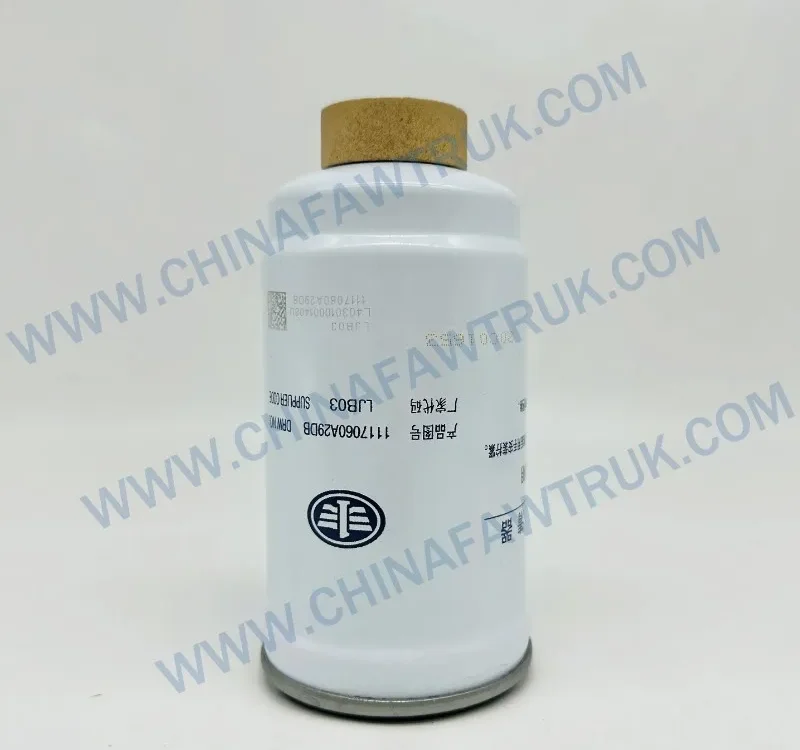
Avant d'atteindre la pompe haute pression, le carburant passe par le Ensemble de tuyau d'admission – Transférer la pompe vers le filtre fin (Partie no. 1104030-18C) et le Ensemble de filtre fin à carburant (Partie no. 1117010-81D). Le Système d'alimentation en carburant russe FAW donne la priorité à la filtration pour protéger le rail sensible et les injecteurs.
L'excès de carburant est renvoyé vers le réservoir via le Ensemble de tuyau de retour (Partie no. 1104050-81D). Ce flux évacue la chaleur des injecteurs. Dans le Système d'alimentation en carburant russe FAW, les connexions de fluide sont sécurisées avec Boulons creux (Numéros de pièces. 1104036-73D, 1104073-D6) et scellé avec du cuivre Rondelles d'étanchéité (Numéros de pièces. CQ72310T5, CQ72314T5).
Ces rondelles en cuivre sont indispensables pour le Système d'alimentation en carburant russe FAW. Contrairement aux joints toriques en caoutchouc, le cuivre ne devient pas cassant par temps extrêmement froid. Il se déforme pour créer un joint métal sur métal permanent, s'assurer que l'air ne pénètre pas dans les conduites de carburant pendant la phase de refroidissement, ce qui rendrait le démarrage difficile le lendemain matin.
Liste de répartition des composants
Le tableau suivant est un tableau complet, répartition détaillée des Système d'alimentation en carburant russe FAW. Il comprend tout 43 composants répertoriés dans les schémas de montage, s'assurer qu'aucune petite rondelle ou boulon n'est négligé pendant l'entretien.
| Non. |
Numéro de pièce |
Nom de la pièce |
Quantité |
| 1 |
1111010-73D |
Ensemble de pompe à huile haute pression |
1 |
| 2 |
1111228-81D |
Bride de connexion de pompe à huile haute pression |
1 |
| 3 |
1111216-81D |
Pignon d'entraînement de pompe d'injection de carburant |
1 |
| 4 |
CQ73431550C |
Joint torique pneumatique hydraulique en caoutchouc |
1 |
| 5 |
Q1841030 |
Boulon à bride hexagonale (Queue grossière/standard) |
2 |
| 6 |
Q1841040 |
Boulon à bride hexagonale (Queue grossière/standard) |
2 |
| 7 |
CQ1201030 |
Étalon à double extrémité |
4 |
| 8 |
CQ39610 |
Écrou à bride hexagonale |
4 |
| 9 |
1111226-59D |
Goupille de localisation |
1 |
| 10 |
1111227-59D |
Manche |
1 |
| 11 |
1117010-81D |
Ensemble de filtre fin à carburant |
1 |
| 12 |
1104030A51B |
Ensemble de tuyau d'admission – Transférer la pompe vers le filtre fin |
1 |
| 13 |
1104040A51B |
Ensemble de tuyau d'admission – Filtre fin vers pompe haute pression |
1 |
| 14 |
1104050-81D |
Ensemble de tuyau de retour |
1 |
| 15 |
1104070-81D |
Assemblage de tuyaux d'entrée d'huile |
1 |
| 16 |
1104036-73D |
Boulon creux (Pompe de transfert entrée/sortie) |
6 |
| 17 |
CQ72316T5 |
Laveuse de scellage |
14 |
| 18 |
1104073-D6 |
Boulon creux – Tuyau de retour d'huile |
2 |
| 19 |
CQ72314T5 |
Laveuse de scellage |
4 |
| 20 |
1117038-60D |
Boulon creux |
1 |
| 21 |
1104076-53D |
Boulon creux – Tuyau de lubrification à l'huile |
1 |
| 22 |
CQ72312T5 |
Laveuse de scellage |
2 |
| 23 |
1104076-73D |
Boulon creux – Entrée d'huile de pompe d'injection |
1 |
| 24 |
CQ72310T5 |
Laveuse de scellage |
2 |
| 25 |
1112010-51B |
Ensemble d'injecteur de carburant |
6 |
| 26 |
1112011-81D |
Plaque de presse d'injecteur |
6 |
| 27 |
1112013-81D |
Boulon de plaque de presse d'injecteur |
6 |
| 28 |
1112014-81D |
Rondelle sphérique |
6 |
| 29 |
1112030-81D |
Ensemble de connecteur de tuyau haute pression |
6 |
| 30 |
1112031-29D |
Écrou intermédiaire – Tuyau haute pression |
6 |
| 31 |
1129010-81D |
1Ensemble de tuyaux haute pression de cylindre en st |
1 |
| 32 |
1129020-81D |
2Ensemble de tuyaux haute pression pour e-cylindre |
1 |
| 33 |
1129030-81D |
3Ensemble de tuyaux haute pression pour rd cylindre |
1 |
| 34 |
1129040-81D |
4e cylindre ensemble de tuyaux haute pression |
1 |
| 35 |
1129050-81D |
5e cylindre ensemble de tuyaux haute pression |
1 |
| 36 |
1129060-81D |
6e cylindre ensemble de tuyaux haute pression |
1 |
| 37 |
1129070-81D |
Ensemble de tuyaux haute pression I (De la pompe au rail) |
1 |
| 38 |
1129080-81D |
Ensemble de tuyaux haute pression II (De la pompe au rail) |
1 |
| 39 |
1129090-73D |
Ensemble de colliers de serrage haute pression I |
1 |
| 40 |
1129110-81D |
Ensemble de rails haute pression |
1 |
| 41 |
Q1840835 |
Boulon à bride hexagonale |
3 |
| 42 |
1104030-18C |
Ensemble de tuyau d'admission – Transférer la pompe vers le filtre fin |
1 |
| 43 |
1104045-81U |
Ensemble de tuyau court de pompe de transfert |
1 |
Protocoles de diagnostic pour la sécurité haute pression
La sécurité est primordiale lors de l'entretien du Système d'alimentation en carburant russe FAW. La pression résiduelle dans le rail peut rester élevée même après l'arrêt du moteur. Les techniciens doivent casser le Boulon creux connexions lentement pour purger la pression avant le démontage complet. N'utilisez jamais vos doigts pour vérifier les fuites sur un moteur en marche; le jet à haute pression provenant d'une fuite par trou d'épingle dans un tuyau comme le Ensemble de tuyau d'huile haute pression du premier cylindre peut pénétrer dans la peau.
L'inspection visuelle doit se concentrer sur Plaque de presse d'injecteur zone. L'humidité indique ici un joint torique ou une rondelle sphérique défectueux.. Aussi, inspecter le Ensemble de collier de serrage pour tuyau d'huile haute pression. Si les amortisseurs en caoutchouc des pinces sont usés, les tuyaux en acier vibreront contre le support métallique, conduisant à des frottements et à une éventuelle rupture.
Enfin, la propreté est le facteur d'entretien le plus important pour le Système d'alimentation en carburant russe FAW. Lors du remplacement du Ensemble de filtre fin à carburant, bouchez immédiatement toutes les conduites de carburant ouvertes. Même la poussière microscopique pénétrant dans Ensemble de pompe à huile haute pression peut marquer les pistons, entraînant une perte de pression sur le rail et un non-démarrage en plein hiver.
Conclusion: Le summum de l'ingénierie diesel
Le Système d'alimentation en carburant russe FAW représente un équilibre sophistiqué entre un système hydraulique haute pression et une ingénierie mécanique robuste. Chaque composant, du massif Ensemble de rail d'huile haute pression au plus petit cuivre Laveuse de scellage, joue un rôle crucial dans la capacité du moteur à fournir de la puissance de manière efficace et propre.
Pour les opérateurs du CA3250P66K24L1TE5Z, il n'y a pas de place pour le compromis. Utiliser des tuyaux de rechange ou des injecteurs reconditionnés dans le Système d'alimentation en carburant russe FAW est un pari qui entraîne souvent des dommages au moteur. Seules les pièces d'origine FAW offrent la métallurgie et la précision dimensionnelle requises pour résister aux 1800 pressions en bars et températures de -40°C du bloc opératoire russe.
Emballage et logistique
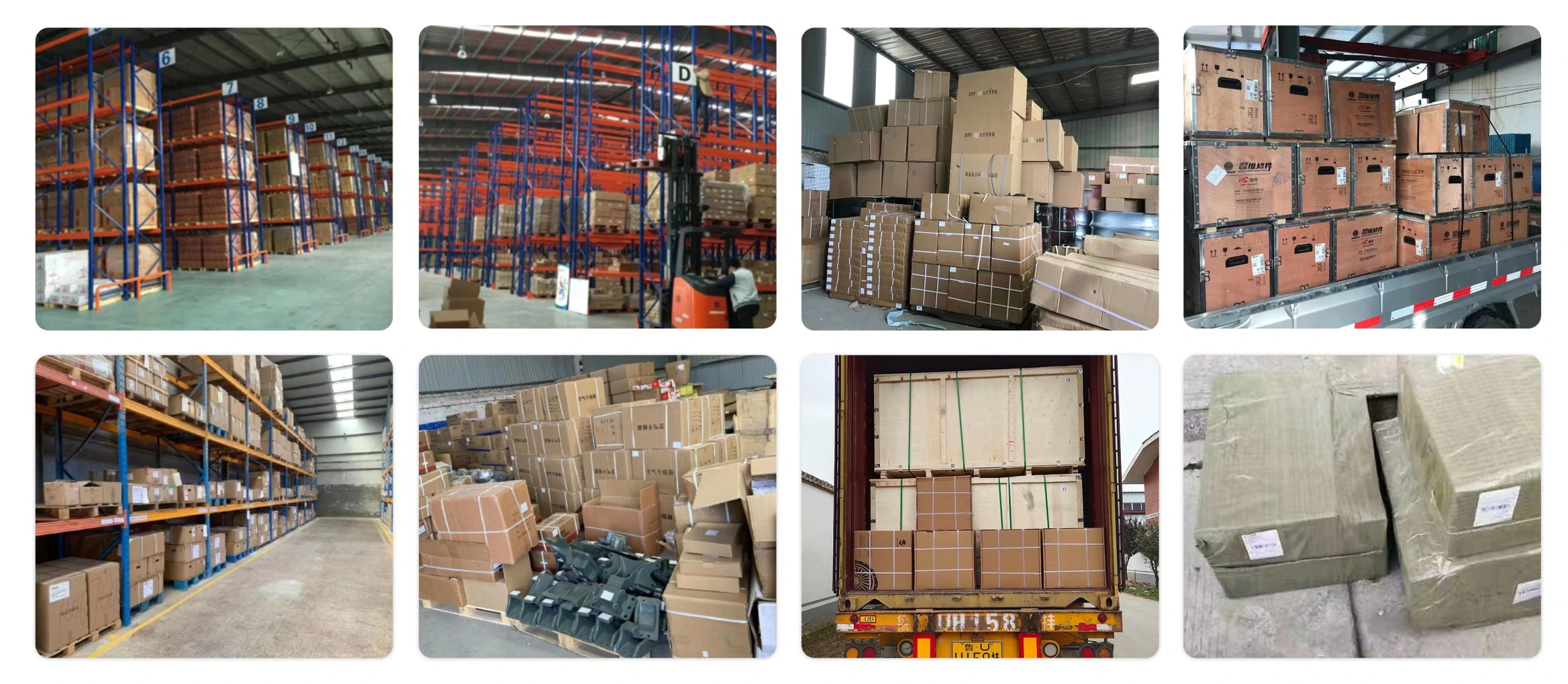
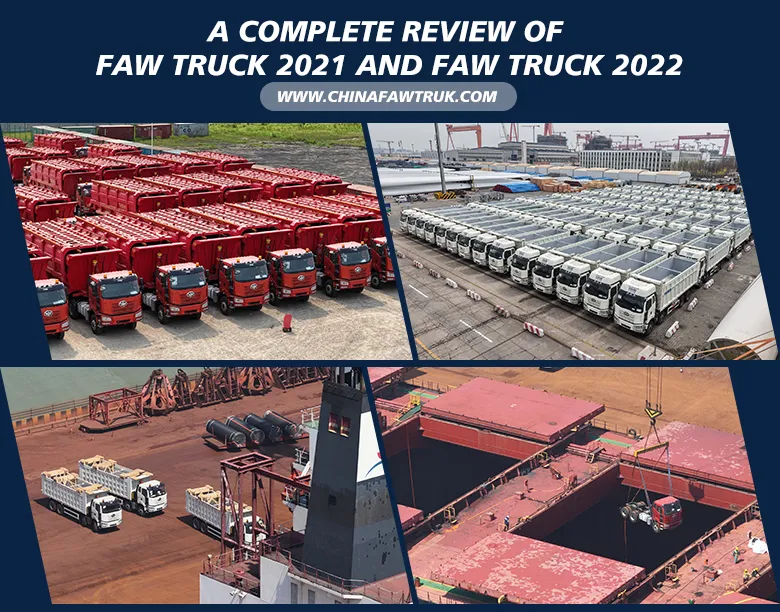
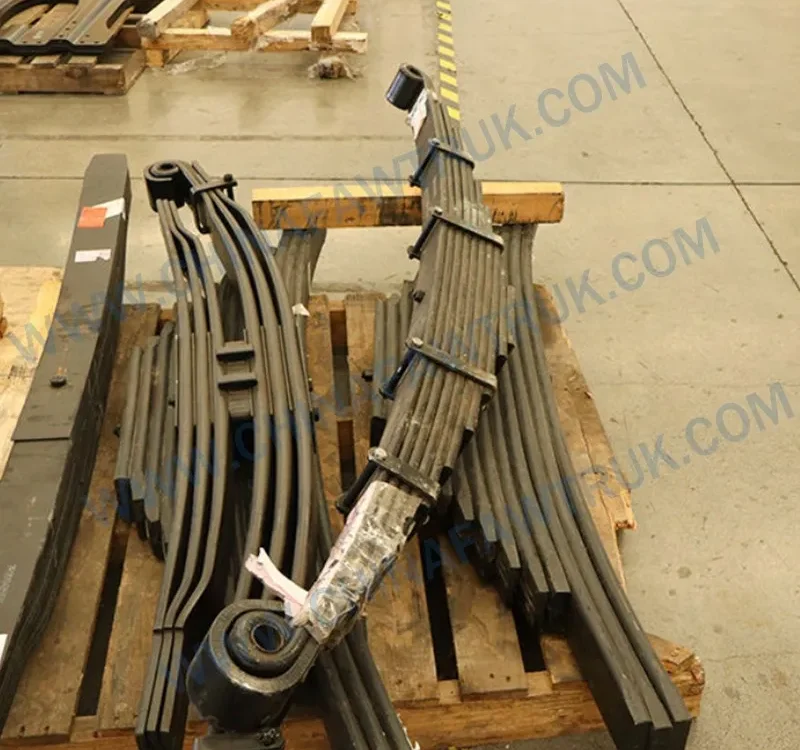
Pièces FAW, y compris l'ensemble bloc-cylindres, sont emballés avec soin pour garantir une livraison en toute sécurité. Chaque composant est sécurisé dans des matériaux de protection pour éviter tout dommage pendant le transport. Le réseau logistique garantit des expéditions ponctuelles dans le monde entier, soutenir des opérations de maintenance efficaces. Vous trouverez ci-dessous une image illustrant l'emballage standard des pièces de camion FAW., mettant en valeur l’attention portée aux détails dans la manipulation et le stockage.
Cette approche d'emballage minimise le risque de corrosion ou de dommages causés par les chocs., s'assurer que les pièces comme l'ensemble bloc-cylindres FAW arrivent en parfait état. Les clients peuvent compter sur la logistique de FAW pour une qualité et une fiabilité constantes.