by 


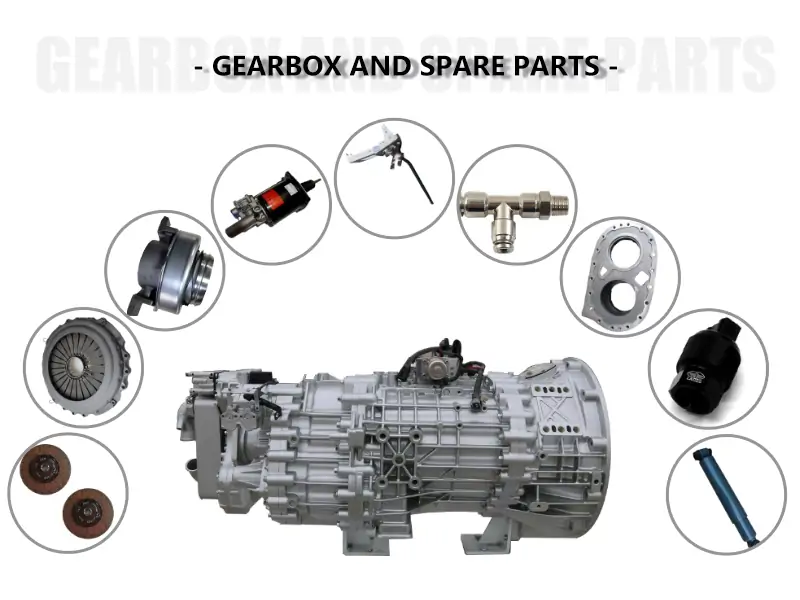
The FAW Transmission Shaft Two, frequently designated as the main shaft or output shaft, represents the backbone of the 6G55 gearbox’s power delivery architecture. Positioned centrally within the transmission case, this high-strength alloy steel shaft carries the entire array of speed gears, synchronizers, and needle bearings. It is the final stage of internal torque multiplication before power is handed off to the propeller shaft. The structural rigidity and surface hardness of the FAW Transmission Shaft Two are the defining factors in the truck’s ability to sustain heavy hauling loads without developing gear whine or catastrophic spline failure.

FAW Transmission Shaft Two
Constructing the FAW Transmission Shaft Two assembly requires a precise orchestration of over 30 distinct components. It involves managing the rotational clearances of the 6nd speed gear (Part No. 6GT60-3611) floating on needle bearings, while simultaneously locking the Synchronize assemblies (like Part No. 6G60-3560) to the shaft splines. The assembly is anchored by the massive Output shaft (Part No. 6G60-3011) and secured at the rear by the Flange (Part No. 646-3921A2). Every Washer and Ring acts as a critical spacer, determining the end-play that prevents gears from binding or crashing. This guide provides a granular blueprint of the secondary shaft assembly, offering fleet technicians the data needed to execute factory-spec repairs.
The operational logic of the FAW Transmission Shaft Two is complex because it must handle differential speeds. Unlike the countershaft which is a solid cluster, the main shaft features gears that spin freely on needle bearings until engaged. For instance, the 2nd speed gear (Part No. 6GT60-3211) rotates independently of the shaft until the Synchronize (1st/2nd) (Part No. 6G60-3160) slides over to lock it. This design demands that the FAW Transmission Shaft Two have perfectly ground journals to serve as inner races for bearings like the Needle (Part No. WBK67X75X40-6G55). Any pitting on the shaft surface leads to immediate bearing failure.
Torque transfer is managed through splined hubs. The FAW Transmission Shaft Two has multiple splined sections that hold the synchronizer hubs and the fixed gears. These splines must withstand the shock of 2000Nm of torque being applied instantly during a shift. Components like the 5th speed engagement gear (Part No. 6G60-3561) interact with these splines to bridge the power flow. If the shaft splines twist under load, the synchronizers will jam, rendering the transmission stuck in gear.
The rear architecture focuses on output stability. The Output shaft (Part No. 6G60-3011) terminates in a heavy-duty tapered spline that mates with the Flange (Part No. 646-3921A2). This connection is secured by the Flange bolt (Part No. Q08-173) and Flange keep (Part No. 530-816B). A loose flange allows the prop shaft to vibrate, destroying the rear oil seal and the Bearing (Part No. 28580/28521). Therefore, the clamp load at the rear of the FAW Transmission Shaft Two is critical for the longevity of the entire drivetrain.
A major engineering challenge for the FAW Transmission Shaft Two is lubrication. Since the speed gears float on the shaft, oil must penetrate between the spinning gear and the stationary shaft. The FAW Transmission Shaft Two is cross-drilled with intricate oil passages that channel fluid from the pressurized core to the Needle bearings (e.g., WBK40X45X43-6G60). Blocked oil ways due to sludge or debris will cause these needle bearings to weld themselves to the shaft, causing catastrophic lockup.
Thrust management is another critical aspect. Helical gears generate axial thrust—they want to slide along the shaft when loaded. The FAW Transmission Shaft Two uses a system of Washer (Part No. 6G60-3435) and Ring (Part No. WB43345X2) components to contain this movement. The Ring (Part No. 6G55-3525) acts as a retaining wall for the synchronizer. If these snap rings fatigue and pop out of their grooves, the gears will shuttle axially, disengaging spontaneously or grinding against adjacent components.
The metallurgy of the Output shaft is typically case-hardened carburized steel. This provides a diamond-hard surface for the needle bearings to run on, while the core remains ductile to absorb the torsional twisting forces of the engine. This duality prevents the FAW Transmission Shaft Two from snapping under the shock load of a clutch dump while resisting surface wear for millions of revolutions.
Finally, the integration of the Speedometer drive gear (Part No. 6G55-3911) directly onto the shaft ensures accurate vehicle speed data. This gear is often a polymer or soft metal to prevent damage to the shaft itself, acting as a sacrificial component in the event of a sensor seize. The layout of the FAW Transmission Shaft Two prioritizes the protection of the main structural element above all else.
The following table catalogs the essential components of the FAW Transmission Shaft Two assembly. This sequence follows the power flow from the front pilot bearing to the rear output flange, ensuring every gear, bearing, and lock ring is accounted for.
| No. | Code (Part No.) | Name | Number (Q’ty) |
|---|---|---|---|
| 1 | 6G55-3099 | Bearing (Front) | 1 |
| 2 | 6G60-3561 | 5nd speed (Gear) | 1 |
| 3 | 6G55-3525 | Ring (5/6 Synchro) | 1 |
| 4 | 6G60-3661 | 6nd speed (Engagement) | 1 |
| 5 | 6GT60-3611 | 6nd speed (Gear) | 1 |
| 6 | WBK40X45X43-6G60 | Needle (6th Gear) | 1 |
| 7 | WB43345X2 | Ring | 1 |
| 8 | 6G60-3435 | Washer (4th Gear Thrust) | 1 |
| 9 | 6GT60-3411 | 4nd speed (Gear) | 1 |
| 10 | Q966040 | Steel ball | 1 |
| 11 | WBK54X60X31-6G60 | Needle (4th Gear) | 1 |
| 12 | 6G55-3325 | Ring (3/4 Synchro) | 1 |
| 13 | 6G60-3461 | 4nd speed (Engagement) | 1 |
| 14 | 6G60-3361 | 3nd speed (Engagement) | 1 |
| 15 | 6GT60-3311 | 3nd speed (Gear) | 1 |
| 16 | WBK67X75X40-6G55 | Needle (2/3 Gear) | 2 |
| 17 | 6GT60-3211 | 3nd speed (Actually 2nd Gear) | 1 |
| 18 | 6G60-3161 | Conjoint (1/2 Engagement) | 2 |
| 19 | 6G55-3824 | Needle Seat (1st/Rev) | 2 |
| 20 | WBK67X75X36-6G55 | Needle (1st/Rev) | 2 |
| 21 | 6GT60-3111 | 1nd speed (Gear) | 1 |
| 22 | 6G60-3835 | Washer (Reverse Thrust) | 1 |
| 23 | 6GT60-3811 | Back gear | 1 |
| 24 | 28580/28521 | Bearing (Rear) | 2 |
| 25 | 6G55-3911 | Speedometer (Drive Gear) | 1 |
| 26 | 646-3921A2 | Flange | 1 |
| 27 | Q08-173 | Flange bolt | 4 |
| 28 | 530-816B | Flange keep (Nut) | 1 |
| 29 | 6G60-3011 | Output shaft (Shaft Two) | 1 |
| 30 | 6G60-3560 | Synchronize (5th/6th) | 1 |
| 31 | 6G60-3360 | Synchronize (3rd/4th) | 1 |
| 32 | 6G60-3160 | Synchronize (1st/2nd) | 1 |
| 33 | 6G60-3864 | Sliding gear (Reverse) | 1 |
| 34 | 6G55-3863 | Sliding gear (Base) | 1 |
| 35 | 6GT60-1011 | Input Shaft (Shaft One) | 1 |
| 36 | 42X54X4.7DC01-6G | Felt washer (Rear Seal) | 1 |
Analyzing the FAW Transmission Shaft Two reveals the critical dependence on the Needle bearings (e.g., WBK67X75X40-6G55). These cage-and-roller assemblies support the idling gears. When a gear is not engaged, it spins at a different speed than the shaft. The needle bearing bridges this speed differential. If the transmission is run low on oil, these bearings are the first to fail, often friction-welding the gear to the shaft. During any overhaul, these bearings must be replaced regardless of visual condition, as microscopic pitting is often invisible to the naked eye.
The Synchronize assemblies (Part No. 6G60-3560, 3360, 3160) are the complex friction clutches that match gear speeds. They consist of a hub, sleeve, and blocker rings. The hub is splined to the FAW Transmission Shaft Two, while the ring acts on the gear cone. Wear on the internal splines of the synchronizer hub can cause “gear jump,” where the transmission pops out of gear under load. Inspecting the hub splines for “stepping” wear is mandatory.
The Output shaft itself (Part No. 6G60-3011) acts as the central spine. Its rear splines drive the Flange. A common failure mode in high-mileage trucks is spline fretting at this flange interface. If the Flange keep nut (Part No. 530-816B) loses torque, the flange will rock on the splines, stripping them over time. We recommend applying a retaining compound to the splines and using a new lock nut during reassembly to ensure a monolithic connection.
Finally, the Washer (Part No. 6G60-3435) and various Ring clips control the axial stack-up. If these wear thin, the total end-play of the gear stack increases. Excessive end-play allows the helical gears to slam back and forth, chipping teeth and creating noise. Measuring the stack height and replacing worn thrust washers restores the factory tightness of the FAW Transmission Shaft Two assembly.
The FAW Transmission Shaft Two is a masterpiece of thermal and mechanical engineering. Genuine FAW shafts are treated with specific carburizing depth profiles that optimize the shaft for both bending fatigue and surface wear. Aftermarket shafts often lack this sophisticated heat treatment, leading to rapid wear of the bearing journals or sudden snapping of the shaft neck under heavy torque.
Additionally, the geometric precision of the genuine Synchronize units ensures smooth, effortless shifting. Inferior aftermarket synchronizers often have incorrect cone angles or poor friction material, resulting in hard shifting and grinding gears. By adhering to genuine parts for the FAW Transmission Shaft Two assembly, you ensure the drivability and durability of your FAW Jiefang truck remain at peak levels.
Use the parts list above to validate every component during your next transmission rebuild. From the Steel ball detents to the heavy-duty Bearing, precision is the key to a long-lasting repair.
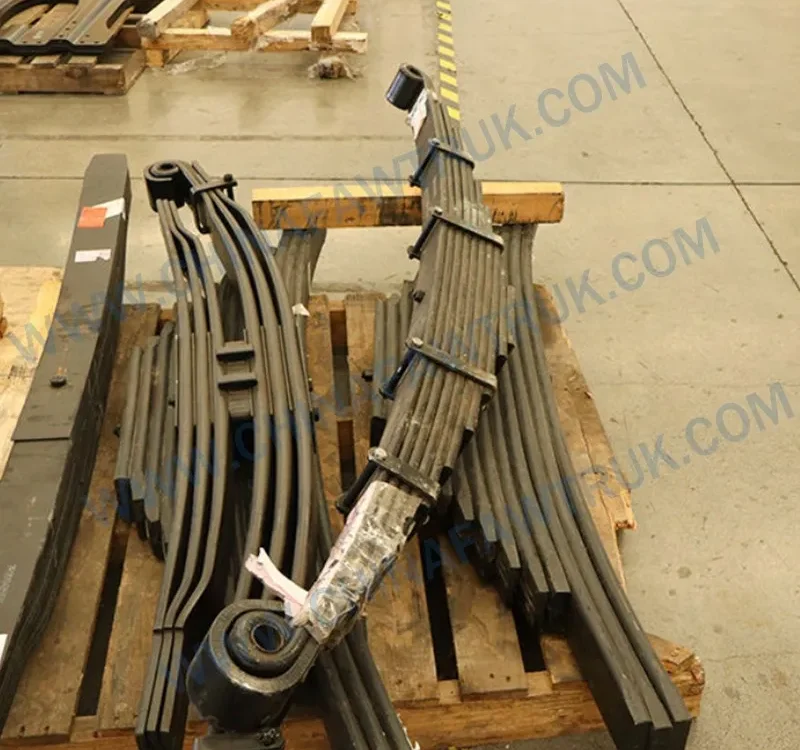
FAW parts, including the Cylinder Block Assembly, are packaged with care to ensure safe delivery. Each component is secured in protective materials to prevent damage during transit. The logistics network guarantees timely shipments worldwide, supporting efficient maintenance operations. Below is an image illustrating the standard packaging for FAW truck parts, showcasing the attention to detail in handling and storage.
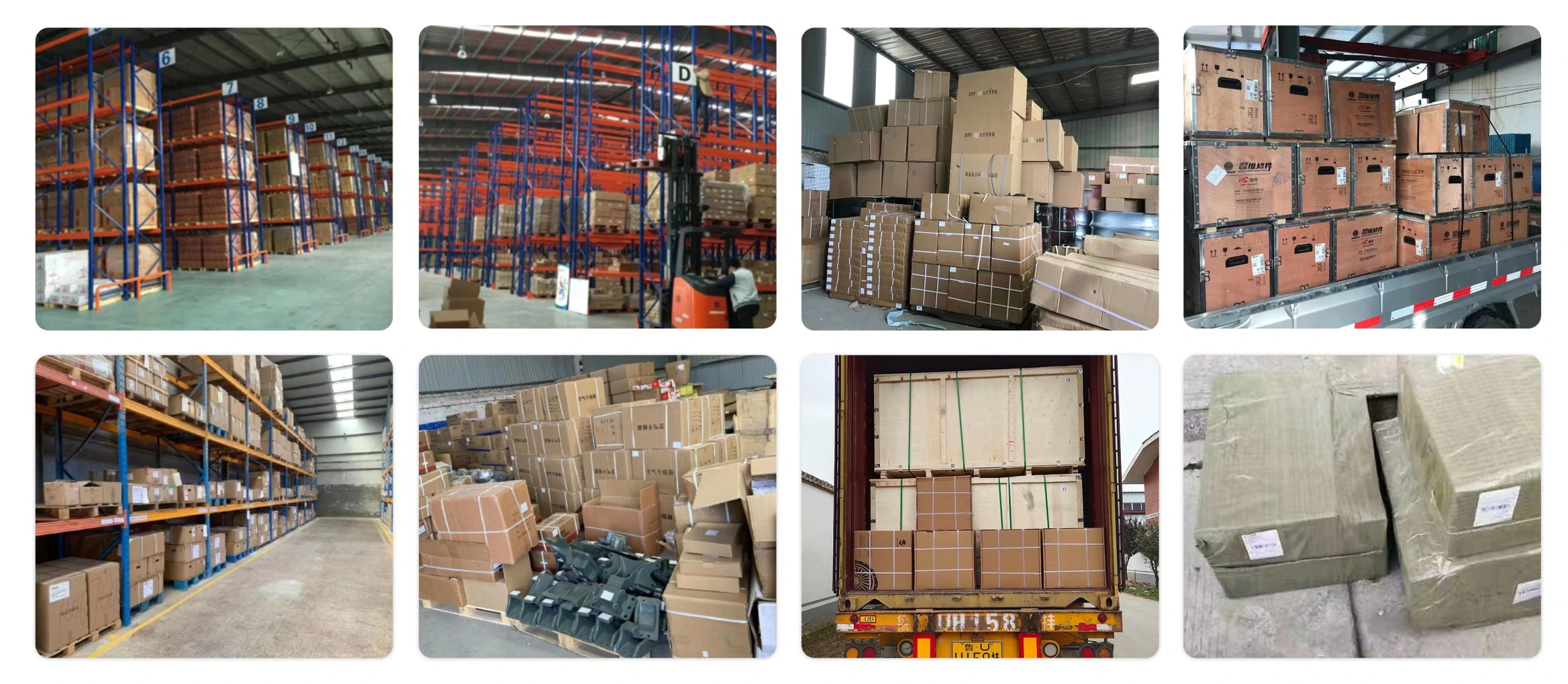
This packaging approach minimizes the risk of corrosion or impact damage, ensuring that parts like the FAW Cylinder Block Assembly arrive in perfect condition. Customers can rely on FAW’s logistics for consistent quality and reliability.