por 


El Eje de transmisión FAW dos, Frecuentemente designado como eje principal o eje de salida., Representa la columna vertebral de la arquitectura de entrega de potencia de la caja de cambios 6G55.. Ubicado centralmente dentro de la caja de transmisión., Este eje de aleación de acero de alta resistencia soporta toda la gama de engranajes de velocidad., sincronizadores, y rodamientos de agujas. Es la etapa final de multiplicación del par interno antes de transmitir la potencia al eje de la hélice.. La rigidez estructural y la dureza superficial del Eje de transmisión FAW dos son los factores que definen la capacidad del camión para soportar cargas de transporte pesadas sin desarrollar chirridos en los engranajes o fallas catastróficas de las estrías..

Eje de transmisión FAW dos
Construyendo el Eje de transmisión FAW dos El montaje requiere una orquestación precisa de más de 30 componentes distintos. Se trata de gestionar los juegos de rotación del 6segunda velocidad engranaje (Número de pieza. 6GT60-3611) flotando sobre cojinetes de agujas, mientras bloquea simultáneamente el Sincronizar asambleas (como parte no. 6G60-3560) a las estrías del eje. La asamblea está anclada por la enorme Eje de salida (Número de pieza. 6G60-3011) y asegurado en la parte trasera por el Brida (Número de pieza. 646-3921A2). Cada Lavadora y Anillo actúa como un espaciador crítico, Determinar el juego axial que evita que los engranajes se atasquen o choquen.. Esta guía proporciona un plano granular del conjunto del eje secundario., Ofrecer a los técnicos de flotas los datos necesarios para ejecutar reparaciones con especificaciones de fábrica..
La lógica operativa del Eje de transmisión FAW dos Es complejo porque debe manejar velocidades diferenciales.. A diferencia del contraeje, que es un grupo sólido, El eje principal cuenta con engranajes que giran libremente sobre cojinetes de agujas hasta que se enganchan.. Por ejemplo, el 2segunda velocidad (Número de pieza. 6GT60-3211) gira independientemente del eje hasta que el Sincronizar (1º/2º) (Número de pieza. 6G60-3160) se desliza para bloquearlo. Este diseño exige que el Eje de transmisión FAW dos tienen muñones perfectamente rectificados para servir como pistas internas para rodamientos como el Aguja (Número de pieza. WBK67X75X40-6G55). Cualquier picadura en la superficie del eje provoca una falla inmediata del rodamiento..
La transferencia de par se gestiona a través de bujes estriados.. El Eje de transmisión FAW dos Tiene múltiples secciones estriadas que sujetan los bujes sincronizadores y los engranajes fijos.. Estas estrías deben resistir el impacto de 2000 Nm de par aplicado instantáneamente durante un cambio.. Componentes como el 5ésima velocidad engranaje de compromiso (Número de pieza. 6G60-3561) interactuar con estas splines para unir el flujo de energía. Si las estrías del eje se tuercen bajo carga, los sincronizadores se atascarán, dejando la transmisión atascada en una marcha.
La arquitectura trasera se centra en la estabilidad de salida.. El Eje de salida (Número de pieza. 6G60-3011) termina en una ranura cónica de alta resistencia que se acopla con el Brida (Número de pieza. 646-3921A2). Esta conexión está asegurada por el Perno de brida (Número de pieza. Q08-173) y retención de brida (Número de pieza. 530-816B). Una brida suelta permite que el eje de transmisión vibre, destruyendo el sello de aceite trasero y el Cojinete (Número de pieza. 28580/28521). Por lo tanto, la carga de la abrazadera en la parte trasera del Eje de transmisión FAW dos Es fundamental para la longevidad de toda la transmisión..
Un gran desafío de ingeniería para el Eje de transmisión FAW dos es lubricación. Dado que los engranajes de velocidad flotan sobre el eje, El aceite debe penetrar entre el engranaje giratorio y el eje estacionario.. El Eje de transmisión FAW dos está perforado transversalmente con intrincados pasajes de aceite que canalizan el fluido desde el núcleo presurizado hasta el Aguja aspectos (P.EJ., WBK40X45X43-6G60). Las vías de aceite bloqueadas debido a lodo o desechos harán que estos cojinetes de agujas se suelden al eje., provocando un bloqueo catastrófico.
La gestión del empuje es otro aspecto crítico.. Los engranajes helicoidales generan empuje axial: quieren deslizarse a lo largo del eje cuando están cargados. El Eje de transmisión FAW dos utiliza un sistema de Lavadora (Número de pieza. 6G60-3435) y Anillo (Número de pieza. WB43345X2) componentes para contener este movimiento. El Anillo (Número de pieza. 6G55-3525) Actúa como un muro de contención para el sincronizador.. Si estos anillos elásticos se fatigan y se salen de sus ranuras, los engranajes se moverán axialmente, desengancharse espontáneamente o rozar contra componentes adyacentes.
La metalurgia del Eje de salida Generalmente es acero cementado cementado.. Esto proporciona una superficie dura como el diamante sobre la que funcionan los rodamientos de agujas., mientras que el núcleo permanece dúctil para absorber las fuerzas de torsión del motor. Esta dualidad impide que Eje de transmisión FAW dos de romperse bajo la carga de impacto de un volcado de embrague mientras resiste el desgaste de la superficie durante millones de revoluciones.
Finalmente, la integración de la Velocímetro engranaje impulsor (Número de pieza. 6G55-3911) directamente en el eje garantiza datos precisos de la velocidad del vehículo. Este engranaje suele ser un polímero o un metal blando para evitar daños al eje., Actuando como un componente de sacrificio en caso de que el sensor se atasque.. El diseño de la Eje de transmisión FAW dos prioriza la protección del elemento estructural principal por encima de todo.
La siguiente tabla cataloga los componentes esenciales del Eje de transmisión FAW dos asamblea. Esta secuencia sigue el flujo de potencia desde el cojinete piloto delantero hasta la brida de salida trasera., asegurando cada marcha, cojinete, y el anillo de bloqueo se tiene en cuenta.
| No. | Código (Número de pieza) | Nombre | Número (cantidad) |
|---|---|---|---|
| 1 | 6G55-3099 | Cojinete (Frente) | 1 |
| 2 | 6G60-3561 | 5segunda velocidad (Engranaje) | 1 |
| 3 | 6G55-3525 | Anillo (5/6 sincro) | 1 |
| 4 | 6G60-3661 | 6segunda velocidad (Compromiso) | 1 |
| 5 | 6GT60-3611 | 6segunda velocidad (Engranaje) | 1 |
| 6 | WBK40X45X43-6G60 | Aguja (6º engranaje) | 1 |
| 7 | WB43345X2 | Anillo | 1 |
| 8 | 6G60-3435 | Lavadora (4Empuje del engranaje) | 1 |
| 9 | 6GT60-3411 | 4segunda velocidad (Engranaje) | 1 |
| 10 | Q966040 | bola de acero | 1 |
| 11 | WBK54X60X31-6G60 | Aguja (4º engranaje) | 1 |
| 12 | 6G55-3325 | Anillo (3/4 sincro) | 1 |
| 13 | 6G60-3461 | 4segunda velocidad (Compromiso) | 1 |
| 14 | 6G60-3361 | 3segunda velocidad (Compromiso) | 1 |
| 15 | 6GT60-3311 | 3segunda velocidad (Engranaje) | 1 |
| 16 | WBK67X75X40-6G55 | Aguja (2/3 Engranaje) | 2 |
| 17 | 6GT60-3211 | 3segunda velocidad (En realidad, segunda marcha) | 1 |
| 18 | 6G60-3161 | Asociado (1/2 Compromiso) | 2 |
| 19 | 6G55-3824 | Asiento de aguja (1st/Rev) | 2 |
| 20 | WBK67X75X36-6G55 | Aguja (1st/Rev) | 2 |
| 21 | 6GT60-3111 | 1segunda velocidad (Engranaje) | 1 |
| 22 | 6G60-3835 | Lavadora (Empuje inverso) | 1 |
| 23 | 6GT60-3811 | engranaje trasero | 1 |
| 24 | 28580/28521 | Cojinete (Trasero) | 2 |
| 25 | 6G55-3911 | Velocímetro (Engranaje impulsor) | 1 |
| 26 | 646-3921A2 | Brida | 1 |
| 27 | Q08-173 | Perno de brida | 4 |
| 28 | 530-816B | retención de brida (Tuerca) | 1 |
| 29 | 6G60-3011 | Eje de salida (Eje dos) | 1 |
| 30 | 6G60-3560 | Sincronizar (5º/6º) | 1 |
| 31 | 6G60-3360 | Sincronizar (3tercero/cuarto) | 1 |
| 32 | 6G60-3160 | Sincronizar (1º/2º) | 1 |
| 33 | 6G60-3864 | engranaje deslizante (Contrarrestar) | 1 |
| 34 | 6G55-3863 | engranaje deslizante (Base) | 1 |
| 35 | 6GT60-1011 | Eje de entrada (Eje uno) | 1 |
| 36 | 42X54X4.7DC01-6G | arandela de fieltro (Sello trasero) | 1 |
analizando el Eje de transmisión FAW dos revela la dependencia crítica de la Aguja aspectos (P.EJ., WBK67X75X40-6G55). Estos conjuntos de jaula y rodillos soportan los engranajes locos.. Cuando una marcha no está engranada, gira a una velocidad diferente a la del eje. El rodamiento de agujas salva esta diferencia de velocidad.. Si la transmisión tiene poco aceite, Estos rodamientos son los primeros en fallar., a menudo soldando por fricción el engranaje al eje. Durante cualquier revisión, Estos cojinetes deben reemplazarse independientemente de la condición visual., ya que las picaduras microscópicas suelen ser invisibles a simple vista.
El Sincronizar asambleas (Número de pieza. 6G60-3560, 3360, 3160) Son los complejos embragues de fricción que coinciden con las velocidades de las marchas.. Consisten en un centro, manga, y anillos bloqueadores. El cubo está estriado al Eje de transmisión FAW dos, mientras el anillo actúa sobre el cono del engranaje. El desgaste de las estrías internas del cubo sincronizador puede causar “salto de engranaje,” donde la transmisión se sale de la marcha bajo carga. Inspección de las ranuras del cubo para “pisando” el uso es obligatorio.
El Eje de salida sí mismo (Número de pieza. 6G60-3011) actúa como la columna central. Sus estrías traseras impulsan el Brida. Un modo de falla común en camiones de alto kilometraje es el desgaste de las estrías en esta interfaz de brida.. si el retención de brida tuerca (Número de pieza. 530-816B) pierde torque, la brida se balanceará sobre las estrías, despojándolos con el tiempo. Recomendamos aplicar un compuesto de retención a las estrías y utilizar una nueva contratuerca durante el reensamblaje para garantizar una conexión monolítica..
Finalmente, el Lavadora (Número de pieza. 6G60-3435) y varios Anillo Los clips controlan el apilamiento axial.. Si estos se desgastan, El juego axial total del conjunto de engranajes aumenta.. El juego axial excesivo permite que los engranajes helicoidales golpeen hacia adelante y hacia atrás, Se rompen los dientes y se crea ruido.. Medir la altura de la pila y reemplazar las arandelas de empuje desgastadas restablece la estanqueidad de fábrica del Eje de transmisión FAW dos asamblea.
El Eje de transmisión FAW dos es una obra maestra de la ingeniería térmica y mecánica. Los ejes FAW originales están tratados con perfiles de profundidad de carburación específicos que optimizan el eje tanto para la fatiga por flexión como para el desgaste de la superficie.. Los ejes del mercado de accesorios a menudo carecen de este sofisticado tratamiento térmico., lo que provoca un desgaste rápido de los muñones del rodamiento o un chasquido repentino del cuello del eje bajo un par intenso.
Además, la precisión geométrica del genuino Sincronizar Las unidades garantizan un funcionamiento suave, cambios sin esfuerzo. Los sincronizadores de calidad inferior a menudo tienen ángulos de cono incorrectos o material de fricción deficiente., lo que resulta en cambios difíciles y chirridos de engranajes. Al adherirse a piezas originales para el Eje de transmisión FAW dos asamblea, Usted garantiza que la capacidad de conducción y la durabilidad de su camión FAW Jiefang se mantengan en niveles máximos..
Utilice la lista de piezas anterior para validar cada componente durante la próxima reconstrucción de su transmisión.. Desde bola de acero retenes para trabajos pesados Cojinete, La precisión es la clave para una reparación duradera..
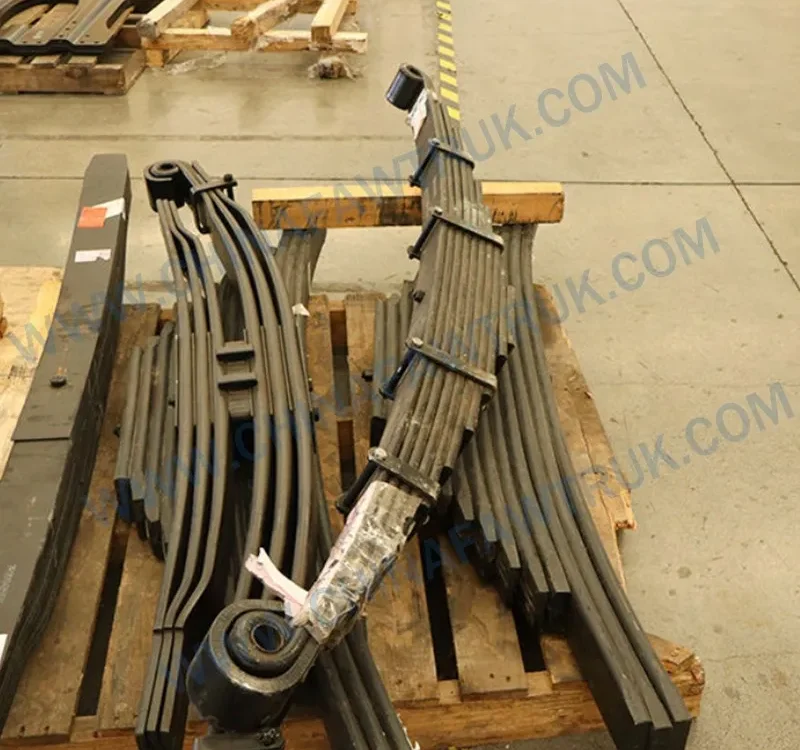
piezas FAW, incluido el conjunto del bloque de cilindros, Se empaquetan con cuidado para garantizar una entrega segura.. Cada componente está asegurado con materiales protectores para evitar daños durante el transporte.. La red logística garantiza envíos puntuales en todo el mundo., apoyando operaciones de mantenimiento eficientes. A continuación se muestra una imagen que ilustra el embalaje estándar de las piezas de camiones FAW., mostrando la atención al detalle en el manejo y almacenamiento.
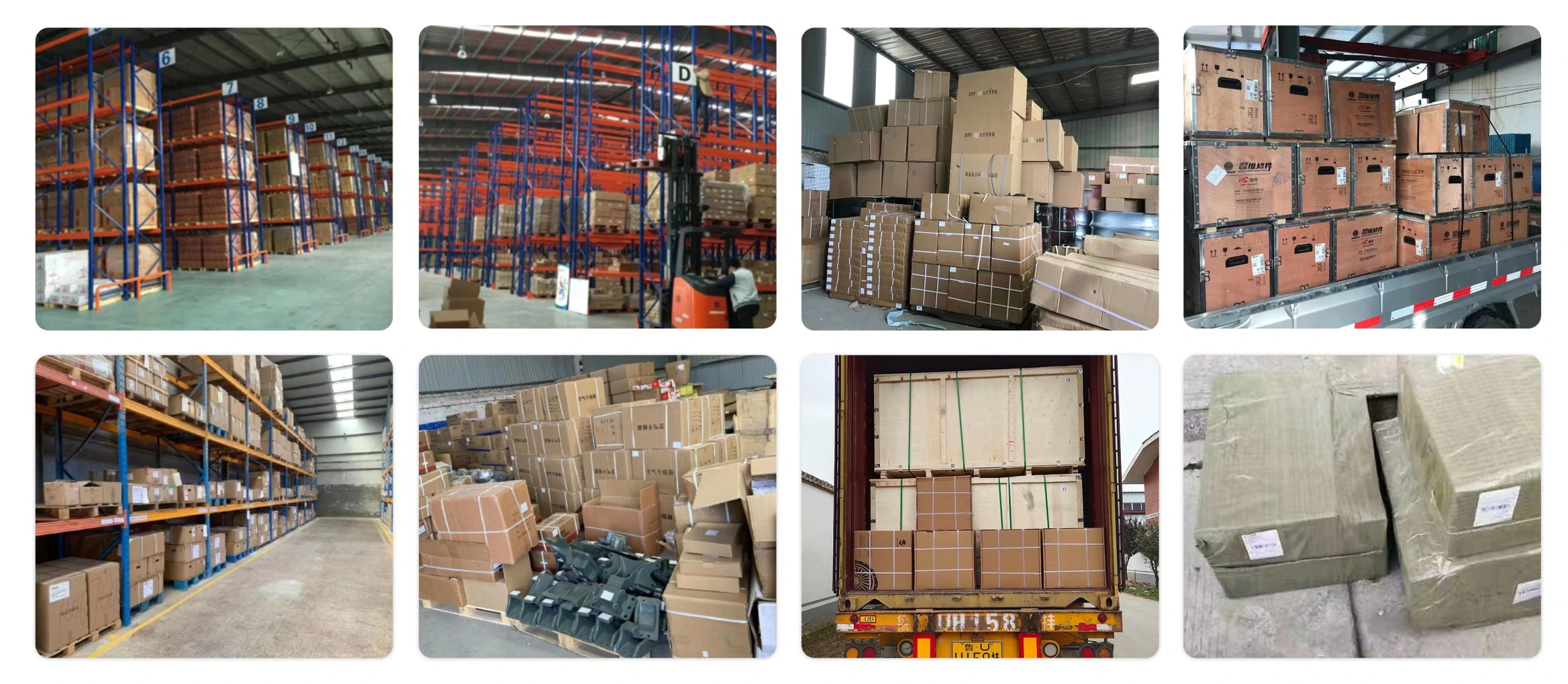
Este enfoque de embalaje minimiza el riesgo de corrosión o daños por impacto., asegurando que piezas como el conjunto de bloque de cilindros FAW lleguen en perfectas condiciones. Los clientes pueden confiar en la logística de FAW para obtener calidad y confiabilidad constantes.