por 


El Eje de transmisión FAW uno Actúa como interfaz de par crítico para la caja de cambios 6G55., transmitir la potencia bruta del motor directamente al tren de engranajes interno. Como eje de entrada primario, su integridad estructural dicta la suavidad de cada transición de marcha. Este componente maneja inmensas fuerzas de rotación., Sirviendo como eje fundamental que garantiza una sincronización precisa y una entrega de potencia eficiente en toda la línea motriz del vehículo..
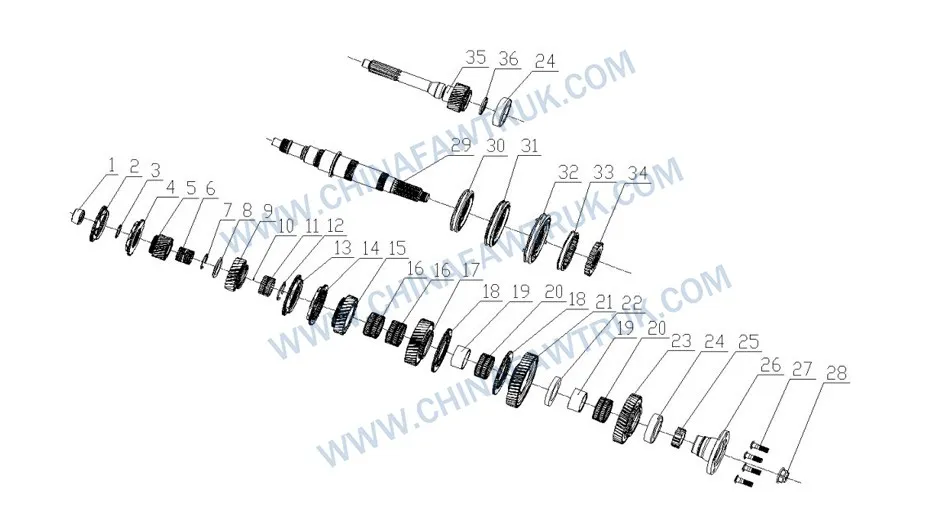
Eje de transmisión FAW uno
En el duro entorno de la logística pesada, el Eje de transmisión FAW uno está sometido a un estrés térmico y mecánico implacable. No funciona simplemente como una varilla giratoria, sino como un instrumento calibrado de conversión de par. Al acoplarse el embrague, este eje acepta el pleno, Carga total de la potencia del motor diésel.. El extremo delantero estriado debe bloquearse positivamente con el disco de embrague., mientras que los dientes del engranaje trasero impulsan el contraeje, iniciando el impulso del vehículo.
La interacción es continua e implacable.. El Eje de transmisión FAW uno debe mantener una concentricidad absoluta a altas RPM. Incluso las desviaciones microscópicas pueden generar vibraciones destructivas.. Estos temblores pueden degradar rápidamente el Cojinete (Número de pieza. 6G55-3099) o el delicado Aguja aspectos (como el número de pieza. WBK40X45X43-6G60) situado más abajo en la línea eléctrica, conduciendo a un fracaso catastrófico.
Estratégicamente, Este componente es el eje de la sincronización de marchas.. Proporciona la inercia rotacional inicial que los conjuntos sincronizadores, como el 5/6 Sincronizador (Número de pieza. 6G60-3560), debe coincidir. Si el eje de entrada presenta un descentramiento excesivo o irregularidades en la superficie, Los anillos sincronizadores no pueden frenar o acelerar eficazmente las velocidades.. Esta falta de coincidencia de velocidades da como resultado el chirrido que a menudo se escucha en las transmisiones desgastadas..
Por lo tanto, la precisión dimensional del Eje de transmisión FAW uno Influye directamente en el ciclo de vida total de cada componente posterior.. Desde Eje de salida (Número de pieza. 6G60-3011) al diferencial, El buen funcionamiento de toda la transmisión depende de la estabilidad de este único punto de entrada.. Los operadores de flotas deben entender que “problemas con la caja de cambios” A menudo son síntomas de desgaste del eje de entrada..
La metalurgia detrás de la Eje de transmisión FAW uno (Número de pieza. 6GT60-1011) es un estudio en ciencia de materiales. Está forjado con acero de aleación de alta resistencia., que se somete a un riguroso proceso de carburación. Este “endurecimiento de caso” La técnica crea una superficie exterior dura como una roca capaz de resistir las picaduras., manteniendo una dura, Núcleo dúctil para absorber cargas de impacto..
Este equilibrio es fundamental para navegar pendientes pronunciadas.. Cuando sube un camión, Los picos de torsión se transmiten instantáneamente a través del eje.. Un núcleo frágil se rompería, mientras que una superficie blanda se deformaría. Los dientes de los engranajes integrados están rectificados con precisión para minimizar el ruido y maximizar la eficiencia de transferencia de potencia a los engranajes del contraeje., Garantizar que cada gota de combustible se convierta en movimiento..
Apoyando a la Eje de transmisión FAW uno Es una red compleja de componentes reductores de fricción.. El Cojinete (Número de pieza. 28580/28521) proporciona un punto de anclaje robusto en la parte trasera, gestionar las intensas fuerzas de empuje generadas por el diseño de engranajes helicoidales. Simultáneamente, múltiple Aguja aspectos (Número de pieza. WBK67X75X40-6G55) Permitir la rotación independiente de los engranajes en el eje principal en relación con la velocidad de entrada..
Estos rodamientos dependen de una constante, película de aceite presurizada. El Eje de transmisión FAW uno Actúa como cebador de bomba principal en este circuito de lubricación.. mientras gira, salpica aceite sobre los engranajes superiores y dirige el fluido hacia canales perforados. Sin esta lubricación activa, componentes como el Lavadora (Número de pieza. 6G60-3835) sufriría fricción por calor y se atascaría a los pocos minutos de operación.
Además, el conjunto incluye soluciones de sellado especializadas. El arandela de fieltro (Número de pieza. 42X54X4.7DC01-6G) está diseñado específicamente para el Eje de transmisión FAW uno ambiente. A diferencia de los sellos de goma estándar que se endurecen con el calor., el material de fieltro permanece flexible y saturado de aceite. Forma una barrera dinámica que atrapa el polvo abrasivo del embrague., evitando que contamine las partes internas de la caja de cambios y preservando las superficies pulidas del eje.
La siguiente tabla detalla el desglose completo de los Eje de transmisión FAW uno Conjunto y sus componentes que interactúan dentro de la transmisión 6G55.. Esta lista incluye rodamientos críticos., engranajes, sincronizadores, y hardware necesarios para una reconstrucción integral.
| No. | Código (Número de pieza) | Nombre | Número (cantidad) |
|---|---|---|---|
| 1 | 6G55-3099 | Cojinete | 1 |
| 2 | 6G60-3561 | 5compromiso de ésima velocidad | 1 |
| 3 | 6G55-3525 | Anillo (5/6 Sincronizador) | 1 |
| 4 | 6G60-3661 | 6compromiso de ésima velocidad | 1 |
| 5 | 6GT60-3611 | 6marcha de ésima velocidad | 1 |
| 6 | WBK40X45X43-6G60 | Aguja | 1 |
| 7 | WB43345X2 | Anillo | 1 |
| 8 | 6G60-3435 | Lavadora | 1 |
| 9 | 6GT60-3411 | 4marcha de ésima velocidad | 1 |
| 10 | Q966040 | bola de acero | 1 |
| 11 | WBK54X60X31-6G60 | Aguja | 1 |
| 12 | 6G55-3325 | Anillo (3/4 Sincronizador) | 1 |
| 13 | 6G60-3461 | 4compromiso de ésima velocidad | 1 |
| 14 | 6G60-3361 | 3compromiso de tercera velocidad | 1 |
| 15 | 6GT60-3311 | 3engranaje de tercera velocidad | 1 |
| 16 | WBK67X75X40-6G55 | Aguja | 2 |
| 17 | 6GT60-3211 | 3engranaje de tercera velocidad (2segundo eje) | 1 |
| 18 | 6G60-3161 | Asociado (1º/2º) | 2 |
| 19 | 6G55-3824 | Aguja | 2 |
| 20 | WBK67X75X36-6G55 | Aguja | 2 |
| 21 | 6GT60-3111 | 1engranaje de primera velocidad | 1 |
| 22 | 6G60-3835 | Lavadora | 1 |
| 23 | 6GT60-3811 | engranaje trasero | 1 |
| 24 | 28580/28521 | Cojinete | 2 |
| 25 | 6G55-3911 | Engranaje del velocímetro | 1 |
| 26 | 646-3921A2 | Brida | 1 |
| 27 | Q08-173 | Perno de brida | 4 |
| 28 | 530-816B | retención de brida (Tuerca) | 1 |
| 29 | 6G60-3011 | Eje de salida (Segundo eje) | 1 |
| 30 | 6G60-3560 | 5/6 Sincronizador | 1 |
| 31 | 6G60-3360 | 3/4 Sincronizador | 1 |
| 32 | 6G60-3160 | 1/2 Sincronizador | 1 |
| 33 | 6G60-3864 | engranaje deslizante | 1 |
| 34 | 6G55-3863 | Asiento de engranaje deslizante | 1 |
| 35 | 6GT60-1011 | Eje de transmisión FAW uno (Brida) | 1 |
| 36 | 42X54X4.7DC01-6G | arandela de fieltro | 1 |
analizando el Eje de transmisión FAW uno revela su interdependencia con el resto del conjunto de engranajes. Llevar, por ejemplo, el Engranaje del velocímetro (Número de pieza. 6G55-3911). Mientras está ubicado en el eje de salida, su lectura precisa depende de la entrega constante de potencia de Shaft One. Si el eje de entrada sufre arrastre del rodamiento debido a una falla Cojinete (Número de pieza. 6G55-3099), toda la velocidad de transmisión fluctúa, lo que provoca lecturas erráticas del velocímetro y potencialmente confunde la unidad de control electrónico del vehículo (ECU).
Esto pone de relieve cómo una falla mecánica en el Eje de transmisión FAW uno Puede manifestarse como un síntoma electrónico.. Por lo tanto, el proceso de diagnóstico debe mirar más allá del propio sensor y considerar la estabilidad mecánica de la entrada del variador.. Una simple oscilación en el eje puede simular una falla del sensor, lo que lleva a diagnósticos erróneos y reparaciones eléctricas innecesarias..
Los conjuntos sincronizadores., específicamente el 1/2 Sincronizador (Número de pieza. 6G60-3160) y 3/4 Sincronizador (Número de pieza. 6G60-3360), Son los componentes más sensibles a las irregularidades del eje de entrada.. El Eje de transmisión FAW uno debe dejar de girar casi instantáneamente cuando se presiona el embrague para permitir que estos sincronizadores igualen las velocidades. Si el arrastre del rodamiento piloto mantiene el eje girando, los anillos sincronizadores, como Anillo (Número de pieza. 6G55-3325), se ven obligados a actuar como frenos de fricción contra la inercia total del motor.
Esta fricción involuntaria provoca un rápido desgaste de los anillos de bloqueo de bronce.. Con el tiempo, esto resulta en el clásico “crujido” al cambiar a primera o reversa. La causa principal no es el sincronizador en sí., pero la incapacidad del Eje de transmisión FAW uno desacoplarse limpiamente de la rotación del motor. Para solucionar este problema es necesario inspeccionar la punta del eje de entrada para ver si está rayada o azulada., lo que indica calor y fricción excesivos.
El engranaje deslizante (Número de pieza. 6G60-3864) y su apareamiento Asiento de engranaje deslizante (Número de pieza. 6G55-3863) Representa el mecanismo físico de selección de marcha.. Estos componentes soportan cargas de alto impacto durante cada turno.. El Eje de transmisión FAW uno Contribuye a su longevidad al garantizar que la entrega de par sea suave y lineal.. La vibración que se origina en un eje de entrada ligeramente doblado hará que estos engranajes deslizantes traqueteen contra sus horquillas de cambio..
Este ruido crea virutas de metal microscópicas que circulan a través del aceite.. Estas partículas abrasivas luego se incrustan en componentes más blandos como el Aguja aspectos (Número de pieza. WBK54X60X31-6G60), creando un ciclo destructivo de desgaste. Este ciclo comienza con el eje de entrada pero termina con un agarrotamiento total de la transmisión.. De este modo, la limpieza del aceite y la rectitud del eje están indisolublemente ligadas.
Manteniendo el Eje de transmisión FAW uno Requiere una estrategia proactiva centrada en el análisis de la lubricación y las comprobaciones de holgura.. La tarea de mantenimiento más crítica es monitorear la calidad del fluido de la transmisión.. Partículas metálicas que se desprenden del 5compromiso de ésima velocidad (Número de pieza. 6G60-3561) o el engranaje trasero (Número de pieza. 6GT60-3811) se suspenderá en el aceite. Estas partículas actúan como un compuesto líquido para lapear., Puliendo lentamente las superficies de precisión de los cojinetes del eje de entrada..
Recomendamos respetar estrictamente los intervalos de cambio de aceite y utilizar tapones de drenaje magnéticos.. Inspeccionar el enchufe en busca de metales ferrosos. “pelusa” puede revelar las primeras etapas de deterioro del cojinete del eje de entrada antes de que se vuelva audible. Si se encuentran virutas grandes, a menudo indica que el bola de acero (Número de pieza. Q966040) o los mecanismos de retención están fallando, que requiere un desmantelamiento inmediato.
Durante los reemplazos del embrague, Es imperativo inspeccionar la interfaz del rodamiento piloto en el Eje de transmisión FAW uno. Este es un paso que comúnmente se pasa por alto. Si la punta del eje muestra signos de decoloración, picaduras, o puntuación, Es probable que el rodamiento piloto se haya atascado en el pasado.. La instalación de un nuevo kit de embrague en un eje de entrada dañado provocará una vibración inmediata., ruido, y falla rápida del embrague.
Además, el arandela de fieltro (Número de pieza. 42X54X4.7DC01-6G) Siempre debe considerarse un artículo de un solo uso.. Una vez retirada la transmisión, este sello pierde su ajuste de compresión. Reutilizarlo invita a los contaminantes a pasar por alto el sello primario, lo que lleva a una falla prematura del rodamiento. Unos pocos dólares gastados en una lavadora nueva pueden ahorrar miles en costos de reparación futuros..
Para el hardware, componentes como el Tuerca (Número de pieza. 530-816B) y Perno de brida (Número de pieza. Q08-173) están sujetos a “arrastrarse” y estiramiento bajo carga. Un plan de mantenimiento integral implica verificar el torque en estos sujetadores accesibles durante los servicios importantes.. si el Eje de transmisión FAW uno el conjunto presenta un juego axial excesivo, A menudo se debe a la relajación de estas tuercas de retención.. Detectar esto a tiempo evita una desalineación catastrófica de los engranajes.
El Eje de transmisión FAW uno es un componente donde la ciencia de los materiales se une a la fabricación de precisión. Las piezas genuinas de FAW están forjadas a partir de mezclas de acero patentadas diseñadas para soportar cargas de torque específicas que las copias del mercado de repuestos simplemente no pueden igualar.. un genérico Eje de entrada puede parecer idéntico a simple vista, pero las desviaciones microscópicas en el perfil estriado pueden causar un rápido desgaste en el cubo del disco de embrague..
Esto da como resultado un tiempo de inactividad significativo y mayores costos operativos para los propietarios de flotas que apuestan por componentes inferiores.. Además, la compatibilidad del Eje de transmisión FAW uno con el Sincronizador las asambleas no son negociables. Las piezas originales garantizan que los ángulos del cono y las superficies de fricción coincidan perfectamente. El uso de un eje no original con sincronizadores genuinos a menudo produce una mala calidad de los cambios porque los coeficientes de fricción no coinciden..
Este principio se aplica igualmente a los rodamientos.; un genuino Cojinete (Número de pieza. 6G55-3099) Tiene el espacio radial específico requerido para las tasas de expansión térmica del 6G55.. En conclusión, La confiabilidad de su flota depende de la integridad de este único componente.. Utilizando el desglose de piezas proporcionado anteriormente e insistiendo en reemplazos OEM, usted se asegura de que sus camiones FAW sigan funcionando con la máxima eficiencia. No comprometa el corazón de su transmisión; Elija piezas originales FAW para cada reparación.
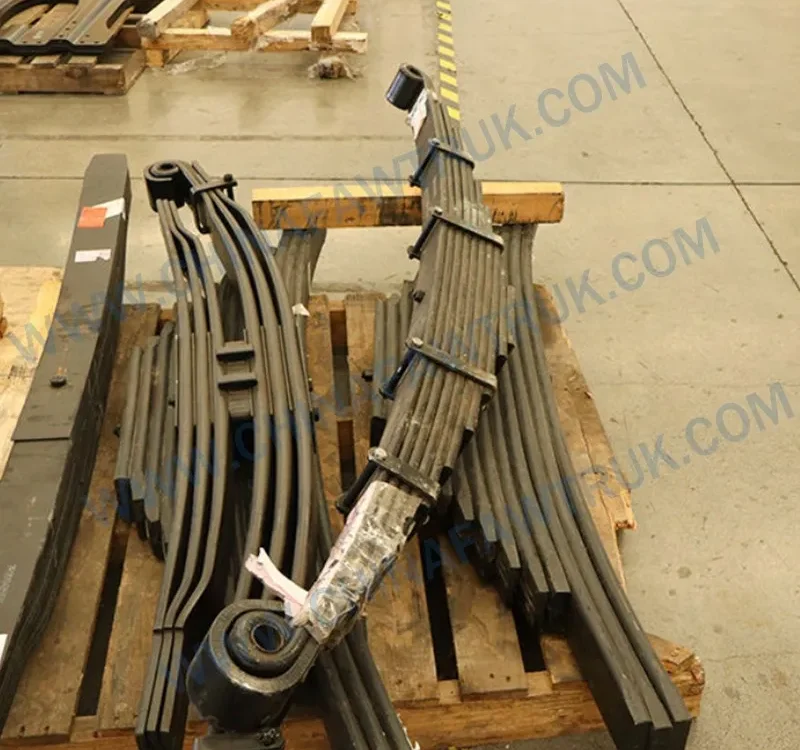
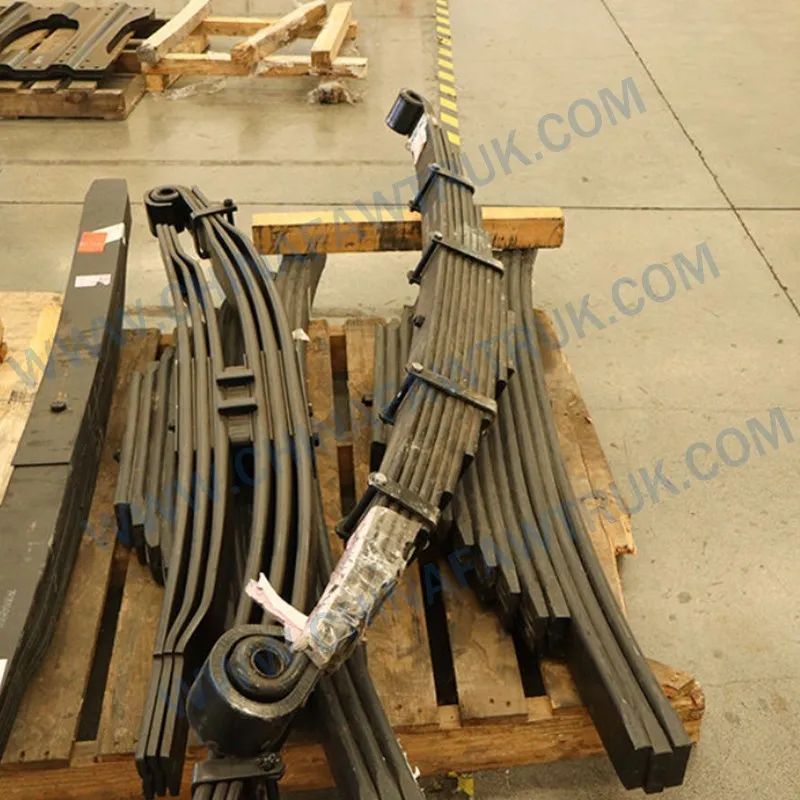
piezas FAW, incluido el conjunto del bloque de cilindros, Se empaquetan con cuidado para garantizar una entrega segura.. Cada componente está asegurado con materiales protectores para evitar daños durante el transporte.. La red logística garantiza envíos puntuales en todo el mundo., apoyando operaciones de mantenimiento eficientes. A continuación se muestra una imagen que ilustra el embalaje estándar de las piezas de camiones FAW., mostrando la atención al detalle en el manejo y almacenamiento.
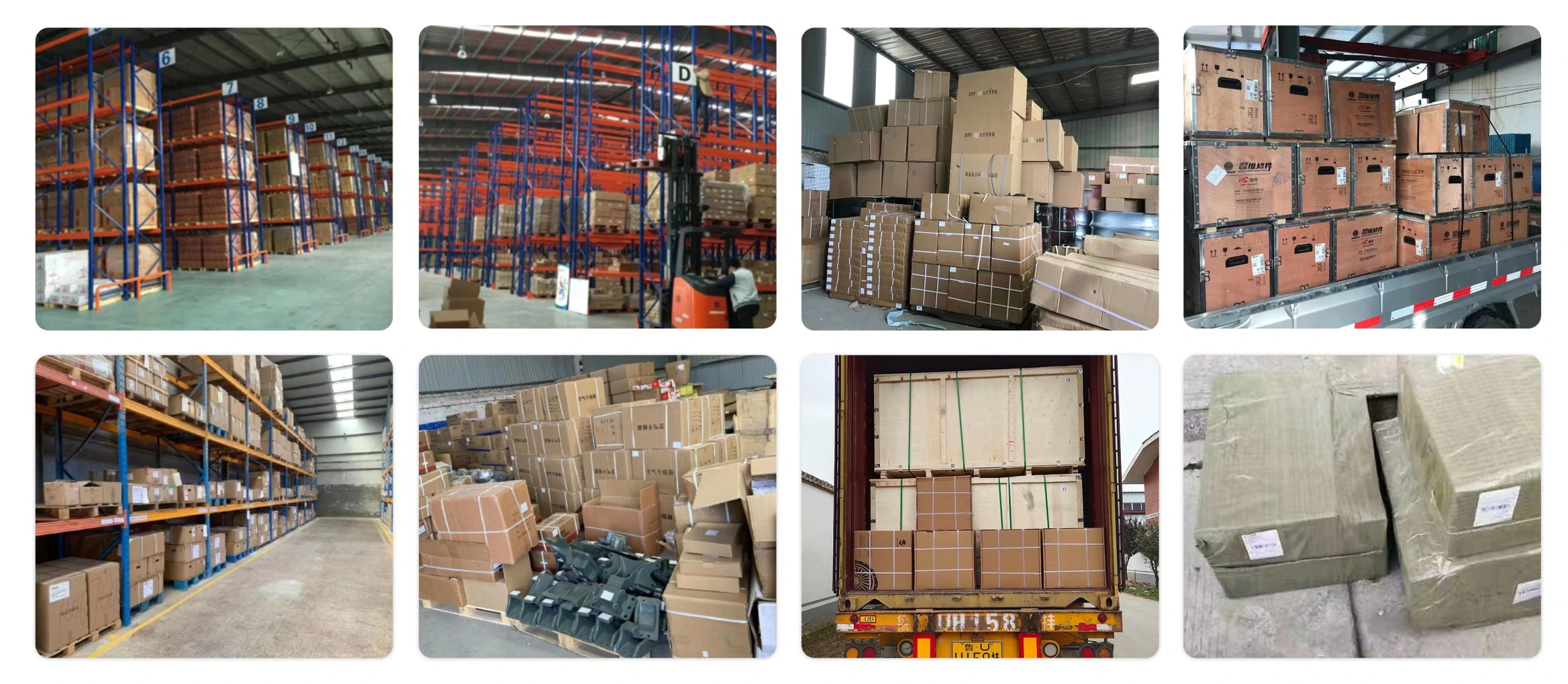
Este enfoque de embalaje minimiza el riesgo de corrosión o daños por impacto., asegurando que piezas como el conjunto de bloque de cilindros FAW lleguen en perfectas condiciones. Los clientes pueden confiar en la logística de FAW para obtener calidad y confiabilidad constantes.