by 


The FAW Transmission Shaft One acts as the critical torque interface for the 6G55 gearbox, transmitting raw engine power directly to the internal geartrain. As the primary input shaft, its structural integrity dictates the smoothness of every gear transition. This component handles immense rotational forces, serving as the foundational axis that ensures precise synchronization and efficient power delivery throughout the vehicle’s driveline.
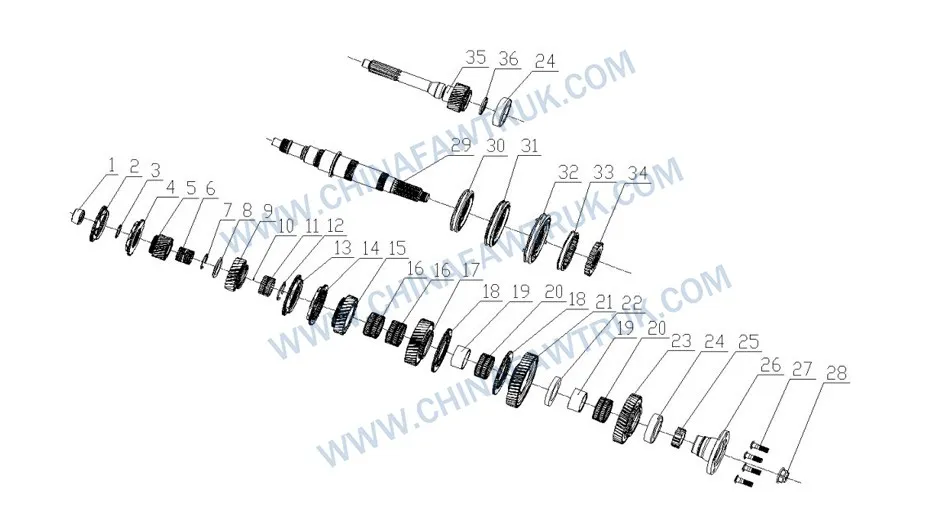
FAW Transmission Shaft One
In the grueling environment of heavy-duty logistics, the FAW Transmission Shaft One is subjected to relentless thermal and mechanical stress. It functions not merely as a rotating rod, but as a calibrated instrument of torque conversion. Upon clutch engagement, this shaft accepts the full, unmitigated load of the diesel engine’s output. The splined front end must lock positively with the clutch disc, while the rear gear teeth drive the countershaft, initiating the vehicle’s momentum.
The interaction is continuous and unforgiving. The FAW Transmission Shaft One must maintain absolute concentricity at high RPMs. Even microscopic deviations can generate destructive vibrations. These tremors can rapidly degrade the Bearing (Part No. 6G55-3099) or the delicate Needle bearings (such as Part No. WBK40X45X43-6G60) situated further down the power line, leading to catastrophic failure.
Strategically, this component is the linchpin of gear synchronization. It provides the initial rotational inertia that synchronizer assemblies, like the 5/6 Synchronizer (Part No. 6G60-3560), must match. If the input shaft exhibits excessive runout or surface irregularities, the synchronizer rings cannot effectively brake or accelerate the gear speeds. This failure to match speeds results in the grinding noise often heard in worn transmissions.
Therefore, the dimensional accuracy of the FAW Transmission Shaft One directly influences the total lifecycle of every downstream component. From the Output shaft (Part No. 6G60-3011) to the differential, the smooth operation of the entire drivetrain relies on the stability of this single input point. Fleet operators must understand that “gearbox issues” are often symptoms of input shaft wear.
The metallurgy behind the FAW Transmission Shaft One (Part No. 6GT60-1011) is a study in material science. It is forged from high-strength alloy steel, which undergoes a rigorous carburizing process. This “case hardening” technique creates a rock-hard exterior surface capable of resisting pitting, while retaining a tough, ductile core to absorb shock loads.
This balance is critical for navigating steep gradients. When a truck climbs, torque spikes are transmitted instantly through the shaft. A brittle core would snap, while a soft surface would deform. The integrated gear teeth are precision-ground to minimize noise and maximize power transfer efficiency to the countershaft gears, ensuring that every drop of fuel is converted into motion.
Supporting the FAW Transmission Shaft One is a complex network of friction-reducing components. The Bearing (Part No. 28580/28521) provides a robust anchor point at the rear, managing the intense thrust forces generated by the helical gear design. Simultaneously, multiple Needle bearings (Part No. WBK67X75X40-6G55) allow for the independent rotation of gears on the main shaft relative to the input speed.
These bearings depend on a constant, pressurized film of oil. The FAW Transmission Shaft One acts as the primary pump primer in this lubrication circuit. As it spins, it splashes oil onto the upper gears and directs fluid into drilled channels. Without this active lubrication, components like the Washer (Part No. 6G60-3835) would suffer from heat friction and seize within minutes of operation.
Furthermore, the assembly includes specialized sealing solutions. The Felt washer (Part No. 42X54X4.7DC01-6G) is specifically engineered for the FAW Transmission Shaft One environment. Unlike standard rubber seals that harden under heat, the felt material remains pliable and oil-saturated. It forms a dynamic barrier that traps abrasive clutch dust, preventing it from contaminating the gearbox internals and preserving the shaft’s polished surfaces.
The following table details the complete breakdown of the FAW Transmission Shaft One assembly and its interacting components within the 6G55 transmission. This list includes critical bearings, gears, synchronizers, and hardware necessary for a comprehensive rebuild.
| No. | Code (Part No.) | Name | Number (Q’ty) |
|---|---|---|---|
| 1 | 6G55-3099 | Bearing | 1 |
| 2 | 6G60-3561 | 5th speed engagement | 1 |
| 3 | 6G55-3525 | Ring (5/6 Synchronizer) | 1 |
| 4 | 6G60-3661 | 6th speed engagement | 1 |
| 5 | 6GT60-3611 | 6th speed gear | 1 |
| 6 | WBK40X45X43-6G60 | Needle | 1 |
| 7 | WB43345X2 | Ring | 1 |
| 8 | 6G60-3435 | Washer | 1 |
| 9 | 6GT60-3411 | 4th speed gear | 1 |
| 10 | Q966040 | Steel ball | 1 |
| 11 | WBK54X60X31-6G60 | Needle | 1 |
| 12 | 6G55-3325 | Ring (3/4 Synchronizer) | 1 |
| 13 | 6G60-3461 | 4th speed engagement | 1 |
| 14 | 6G60-3361 | 3rd speed engagement | 1 |
| 15 | 6GT60-3311 | 3rd speed gear | 1 |
| 16 | WBK67X75X40-6G55 | Needle | 2 |
| 17 | 6GT60-3211 | 3rd speed gear (2nd shaft) | 1 |
| 18 | 6G60-3161 | Conjoint (1st/2nd) | 2 |
| 19 | 6G55-3824 | Needle | 2 |
| 20 | WBK67X75X36-6G55 | Needle | 2 |
| 21 | 6GT60-3111 | 1st speed gear | 1 |
| 22 | 6G60-3835 | Washer | 1 |
| 23 | 6GT60-3811 | Back gear | 1 |
| 24 | 28580/28521 | Bearing | 2 |
| 25 | 6G55-3911 | Speedometer gear | 1 |
| 26 | 646-3921A2 | Flange | 1 |
| 27 | Q08-173 | Flange bolt | 4 |
| 28 | 530-816B | Flange keep (Nut) | 1 |
| 29 | 6G60-3011 | Output shaft (Second shaft) | 1 |
| 30 | 6G60-3560 | 5/6 Synchronizer | 1 |
| 31 | 6G60-3360 | 3/4 Synchronizer | 1 |
| 32 | 6G60-3160 | 1/2 Synchronizer | 1 |
| 33 | 6G60-3864 | Sliding gear | 1 |
| 34 | 6G55-3863 | Sliding gear seat | 1 |
| 35 | 6GT60-1011 | FAW Transmission Shaft One (Flange) | 1 |
| 36 | 42X54X4.7DC01-6G | Felt washer | 1 |
Analyzing the FAW Transmission Shaft One reveals its interdependence with the rest of the gearset. Take, for instance, the Speedometer gear (Part No. 6G55-3911). While located on the output shaft, its accurate reading depends on the consistent power delivery from Shaft One. If the input shaft suffers from bearing drag due to a failing Bearing (Part No. 6G55-3099), the entire transmission speed fluctuates, leading to erratic speedometer readings and potentially confusing the vehicle’s electronic control unit (ECU).
This highlights how a mechanical fault in the FAW Transmission Shaft One can manifest as an electronic symptom. The diagnostic process must therefore look beyond the sensor itself and consider the mechanical stability of the drive input. A simple wobble in the shaft can mimic a sensor failure, leading to misdiagnosis and unnecessary electrical repairs.
The synchronizer assemblies, specifically the 1/2 Synchronizer (Part No. 6G60-3160) and 3/4 Synchronizer (Part No. 6G60-3360), are the most sensitive components to input shaft irregularities. The FAW Transmission Shaft One must stop spinning almost instantly when the clutch is depressed to allow these synchronizers to match speeds. If pilot bearing drag keeps the shaft spinning, the synchronizer rings, such as Ring (Part No. 6G55-3325), are forced to act as frictional brakes against the full inertia of the engine.
This unintended friction causes rapid wear on the bronze locking rings. Over time, this results in the classic “crunch” when shifting into first or reverse. The root cause is not the synchronizer itself, but the inability of the FAW Transmission Shaft One to decouple cleanly from the engine’s rotation. Addressing this requires inspecting the input shaft tip for scoring or blueing, which indicates excessive heat and friction.
The Sliding gear (Part No. 6G60-3864) and its mating Sliding gear seat (Part No. 6G55-3863) represent the physical mechanism of gear selection. These components endure high impact loads during every shift. The FAW Transmission Shaft One contributes to their longevity by ensuring that the torque delivery is smooth and linear. Vibration originating from a slightly bent input shaft will cause these sliding gears to rattle against their shift forks.
This rattling creates microscopic metal shavings that circulate through the oil. These abrasive particles then embed themselves in softer components like the Needle bearings (Part No. WBK54X60X31-6G60), creating a destructive cycle of wear. This cycle begins with the input shaft but ends with a total transmission seizure. Thus, the cleanliness of the oil and the straightness of the shaft are inextricably linked.
Maintaining the FAW Transmission Shaft One requires a proactive strategy focused on lubrication analysis and clearance checks. The most critical maintenance task is monitoring transmission fluid quality. Metal particles shed from the 5th speed engagement (Part No. 6G60-3561) or the Back gear (Part No. 6GT60-3811) will suspend in the oil. These particles act as a liquid lapping compound, slowly grinding away the precision surfaces of the input shaft bearings.
We recommend strictly adhering to oil change intervals and using magnetic drain plugs. Inspecting the plug for ferrous “fuzz” can reveal the early stages of input shaft bearing distress before it becomes audible. If large chips are found, it often indicates that the Steel ball (Part No. Q966040) or detent mechanisms are failing, necessitating an immediate teardown.
During clutch replacements, it is imperative to inspect the pilot bearing interface on the FAW Transmission Shaft One. This is a commonly overlooked step. If the tip of the shaft shows signs of discoloration, pitting, or scoring, the pilot bearing has likely seized in the past. Installing a new clutch kit on a damaged input shaft will result in immediate vibration, noise, and rapid clutch failure.
Additionally, the Felt washer (Part No. 42X54X4.7DC01-6G) should always be considered a single-use item. Once the transmission is removed, this seal loses its compression set. Reusing it invites contaminants to bypass the primary seal, leading to premature bearing failure. A few dollars spent on a new washer can save thousands in future repair costs.
For the hardware, components like the Nut (Part No. 530-816B) and Flange bolt (Part No. Q08-173) are subject to “creep” and stretching under load. A comprehensive maintenance plan involves checking the torque on these accessible fasteners during major services. If the FAW Transmission Shaft One assembly exhibits excessive axial play, it is often due to the relaxation of these retaining nuts. Catching this early prevents catastrophic gear misalignment.
The FAW Transmission Shaft One is a component where material science meets precision manufacturing. Genuine FAW parts are forged from proprietary steel blends designed to withstand specific torque loads that aftermarket copies simply cannot match. A generic Input shaft might look identical to the naked eye, but microscopic deviations in the spline profile can cause rapid wear on the clutch disc hub.
This results in significant downtime and increased operating costs for fleet owners who gamble on inferior components. Furthermore, the compatibility of the FAW Transmission Shaft One with the Synchronizer assemblies is non-negotiable. Genuine parts ensure that the cone angles and friction surfaces match perfectly. Using a non-genuine shaft with genuine synchronizers often leads to poor shift quality because the friction coefficients are mismatched.
This principle applies equally to the bearings; a genuine Bearing (Part No. 6G55-3099) has the specific radial clearance required for the 6G55’s thermal expansion rates. In conclusion, the reliability of your fleet hinges on the integrity of this single component. By utilizing the parts breakdown provided above and insisting on OEM replacements, you ensure that your FAW trucks continue to operate at peak efficiency. Do not compromise on the heart of your transmission; choose genuine FAW parts for every repair.
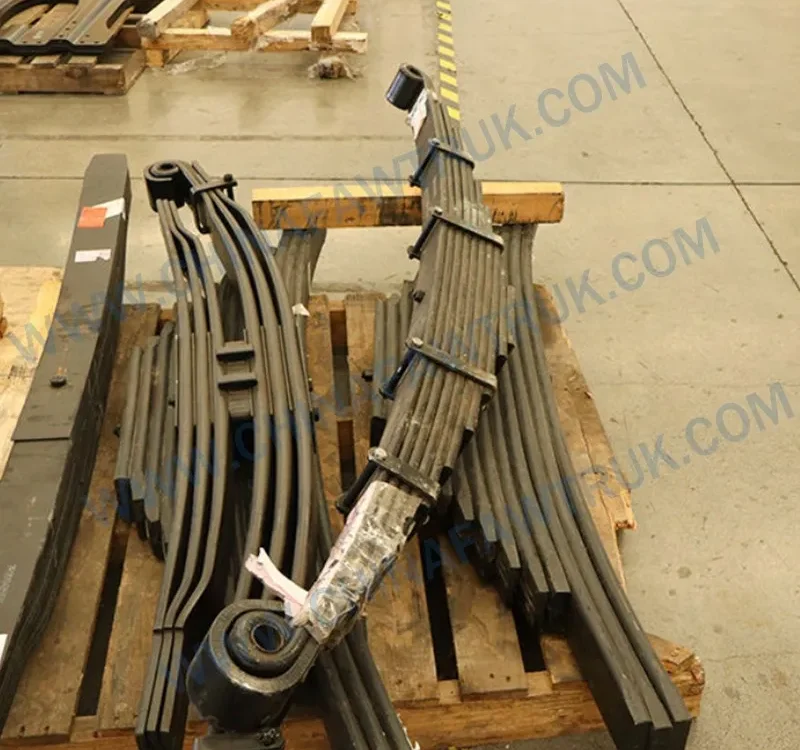
FAW parts, including the Cylinder Block Assembly, are packaged with care to ensure safe delivery. Each component is secured in protective materials to prevent damage during transit. The logistics network guarantees timely shipments worldwide, supporting efficient maintenance operations. Below is an image illustrating the standard packaging for FAW truck parts, showcasing the attention to detail in handling and storage.
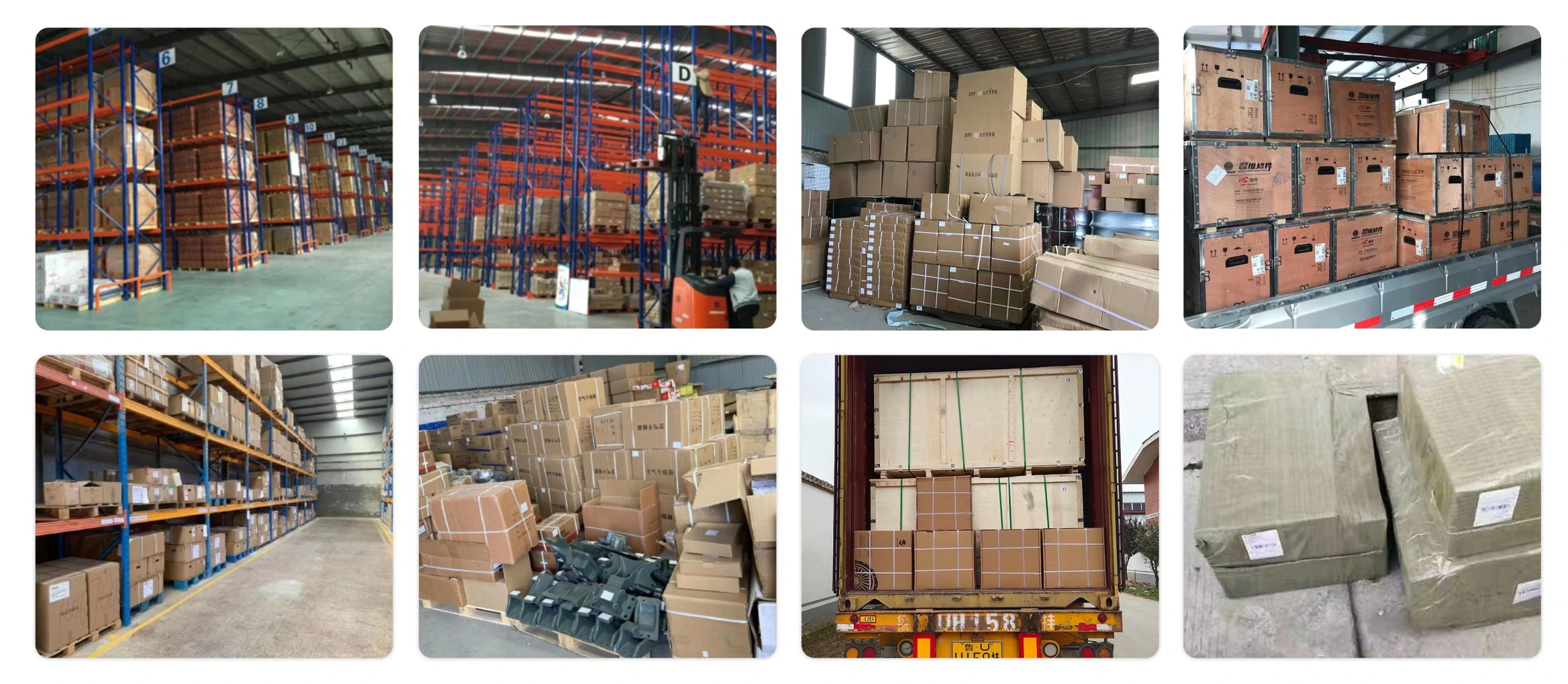
This packaging approach minimizes the risk of corrosion or impact damage, ensuring that parts like the FAW Cylinder Block Assembly arrive in perfect condition. Customers can rely on FAW’s logistics for consistent quality and reliability.