por 


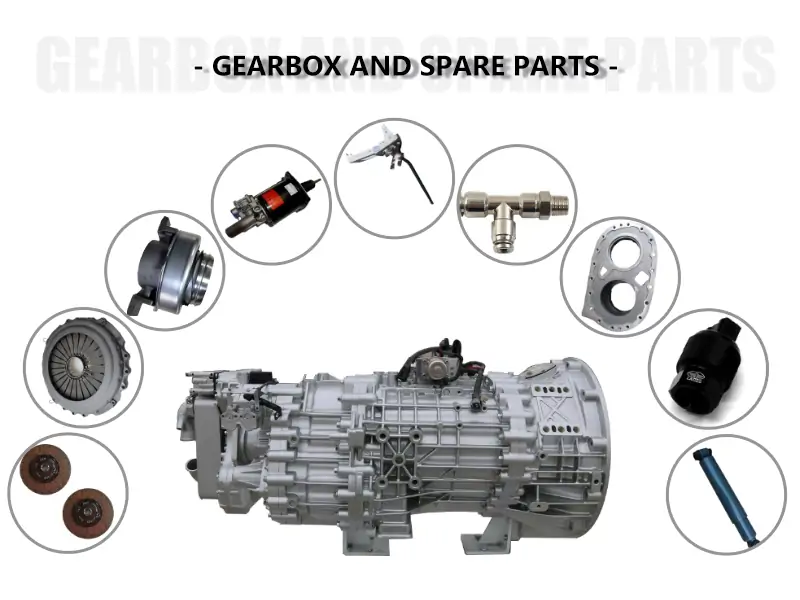
O Eixo de transmissão dois FAW, frequentemente designado como eixo principal ou eixo de saída, representa a espinha dorsal da arquitetura de fornecimento de energia da caixa de câmbio 6G55. Posicionado centralmente dentro da caixa de transmissão, este eixo de liga de aço de alta resistência carrega toda a gama de engrenagens de velocidade, sincronizadores, e rolamentos de agulha. É o estágio final da multiplicação do torque interno antes que a energia seja transferida para o eixo da hélice. A rigidez estrutural e a dureza superficial do Eixo de transmissão dois FAW são os fatores que definem a capacidade do caminhão de sustentar cargas de transporte pesadas sem desenvolver ruídos nas engrenagens ou falhas catastróficas nas estrias.

Eixo de transmissão dois FAW
Construindo o Eixo de transmissão dois FAW montagem requer uma orquestração precisa de mais 30 componentes distintos. Envolve gerenciar as folgas rotacionais do 6segunda velocidade engrenagem (Parte não. 6GT60-3611) flutuando em rolamentos de agulha, enquanto bloqueia simultaneamente o Sincronizar Assembléias (como a Parte Não. 6G60-3560) para as estrias do eixo. A assembleia está ancorada pela enorme Eixo de saída (Parte não. 6G60-3011) e preso na parte traseira pelo Flange (Parte não. 646-3921A2). Todo Máquina de lavar e Anel atua como um espaçador crítico, determinar a folga final que evita que as engrenagens emperrem ou batam. Este guia fornece um projeto granular do conjunto do eixo secundário, oferecendo aos técnicos de frota os dados necessários para executar reparos com especificações de fábrica.
A lógica operacional do Eixo de transmissão dois FAW é complexo porque deve lidar com velocidades diferenciais. Ao contrário do contraeixo que é um cluster sólido, o eixo principal possui engrenagens que giram livremente em rolamentos de agulhas até serem engatadas. Por exemplo, o 2segunda velocidade (Parte não. 6GT60-3211) gira independentemente do eixo até que o Sincronizar (1ponto/2º) (Parte não. 6G60-3160) desliza para travá-lo. Este projeto exige que o Eixo de transmissão dois FAW têm munhões perfeitamente retificados para servir como pistas internas para rolamentos como o Agulha (Parte não. WBK67X75X40-6G55). Qualquer corrosão na superfície do eixo leva à falha imediata do rolamento.
A transferência de torque é gerenciada através de hubs estriados. O Eixo de transmissão dois FAW tem múltiplas seções estriadas que seguram os cubos sincronizadores e as engrenagens fixas. Essas estrias devem suportar o choque de 2.000 Nm de torque aplicado instantaneamente durante uma mudança. Componentes como o 5a velocidade equipamento de noivado (Parte não. 6G60-3561) interagir com essas splines para conectar o fluxo de energia. Se as estrias do eixo torcerem sob carga, os sincronizadores irão travar, tornando a transmissão presa na marcha.
A arquitetura traseira concentra-se na estabilidade da saída. O Eixo de saída (Parte não. 6G60-3011) termina em uma ranhura cônica resistente que combina com o Flange (Parte não. 646-3921A2). Esta conexão é protegida pelo Parafuso de flange (Parte não. Q08-173) e Flange mantém (Parte não. 530-816B). Um flange solto permite que o eixo de transmissão vibre, destruindo o retentor de óleo traseiro e o Consequência (Parte não. 28580/28521). Portanto, a carga de fixação na parte traseira do Eixo de transmissão dois FAW é fundamental para a longevidade de todo o sistema de transmissão.
Um grande desafio de engenharia para o Eixo de transmissão dois FAW é lubrificação. Como as engrenagens de velocidade flutuam no eixo, o óleo deve penetrar entre a engrenagem giratória e o eixo estacionário. O Eixo de transmissão dois FAW é perfurado com passagens de óleo intrincadas que canalizam o fluido do núcleo pressurizado para o Agulha rolamentos (Por exemplo, WBK40X45X43-6G60). Manchas de óleo bloqueadas devido a lama ou detritos farão com que esses rolamentos de agulhas se soldem ao eixo, causando bloqueio catastrófico.
O gerenciamento de impulso é outro aspecto crítico. Engrenagens helicoidais geram impulso axial – elas querem deslizar ao longo do eixo quando carregadas. O Eixo de transmissão dois FAW utiliza um sistema de Máquina de lavar (Parte não. 6G60-3435) e Anel (Parte não. WB43345X2) componentes para conter esse movimento. O Anel (Parte não. 6G55-3525) atua como um muro de contenção para o sincronizador. Se esses anéis elásticos cansarem e saírem de suas ranhuras, as engrenagens irão se movimentar axialmente, desengatando espontaneamente ou triturando componentes adjacentes.
A metalurgia do Eixo de saída é tipicamente aço cementado endurecido. Isso fornece uma superfície dura como diamante para os rolamentos de agulhas funcionarem, enquanto o núcleo permanece dúctil para absorver as forças de torção do motor. Esta dualidade impede Eixo de transmissão dois FAW de quebrar sob a carga de choque de um despejo de embreagem enquanto resiste ao desgaste da superfície por milhões de rotações.
Finalmente, a integração do Velocímetro engrenagem de acionamento (Parte não. 6G55-3911) diretamente no eixo garante dados precisos de velocidade do veículo. Esta engrenagem geralmente é um polímero ou metal macio para evitar danos ao próprio eixo, atuando como um componente sacrificial no caso de um sensor travar. A disposição do Eixo de transmissão dois FAW prioriza a proteção do principal elemento estrutural acima de tudo.
A tabela a seguir cataloga os componentes essenciais do Eixo de transmissão dois FAW conjunto. Esta sequência segue o fluxo de potência do rolamento piloto dianteiro para o flange de saída traseiro, garantindo cada engrenagem, consequência, e o anel de travamento é contabilizado.
| Não. | Código (Número da peça) | Nome | Número (Quantidade) |
|---|---|---|---|
| 1 | 6G55-3099 | Consequência (Frente) | 1 |
| 2 | 6G60-3561 | 5segunda velocidade (Engrenagem) | 1 |
| 3 | 6G55-3525 | Anel (5/6 Sincronizado) | 1 |
| 4 | 6G60-3661 | 6segunda velocidade (Noivado) | 1 |
| 5 | 6GT60-3611 | 6segunda velocidade (Engrenagem) | 1 |
| 6 | WBK40X45X43-6G60 | Agulha (6a engrenagem) | 1 |
| 7 | WB43345X2 | Anel | 1 |
| 8 | 6G60-3435 | Máquina de lavar (4Impulso da Engrenagem) | 1 |
| 9 | 6GT60-3411 | 4segunda velocidade (Engrenagem) | 1 |
| 10 | Q966040 | Esfera de aço | 1 |
| 11 | WBK54X60X31-6G60 | Agulha (4a engrenagem) | 1 |
| 12 | 6G55-3325 | Anel (3/4 Sincronizado) | 1 |
| 13 | 6G60-3461 | 4segunda velocidade (Noivado) | 1 |
| 14 | 6G60-3361 | 3segunda velocidade (Noivado) | 1 |
| 15 | 6GT60-3311 | 3segunda velocidade (Engrenagem) | 1 |
| 16 | WBK67X75X40-6G55 | Agulha (2/3 Engrenagem) | 2 |
| 17 | 6GT60-3211 | 3segunda velocidade (Na verdade, 2ª marcha) | 1 |
| 18 | 6G60-3161 | Conjunto (1/2 Noivado) | 2 |
| 19 | 6G55-3824 | Assento de agulha (1st/Rev) | 2 |
| 20 | WBK67X75X36-6G55 | Agulha (1st/Rev) | 2 |
| 21 | 6GT60-3111 | 1segunda velocidade (Engrenagem) | 1 |
| 22 | 6G60-3835 | Máquina de lavar (Impulso reverso) | 1 |
| 23 | 6GT60-3811 | Engrenagem traseira | 1 |
| 24 | 28580/28521 | Consequência (Traseira) | 2 |
| 25 | 6G55-3911 | Velocímetro (Engrenagem de acionamento) | 1 |
| 26 | 646-3921A2 | Flange | 1 |
| 27 | Q08-173 | Parafuso de flange | 4 |
| 28 | 530-816B | Flange mantém (Noz) | 1 |
| 29 | 6G60-3011 | Eixo de saída (Eixo Dois) | 1 |
| 30 | 6G60-3560 | Sincronizar (5º/6º) | 1 |
| 31 | 6G60-3360 | Sincronizar (33º/4º) | 1 |
| 32 | 6G60-3160 | Sincronizar (1ponto/2º) | 1 |
| 33 | 6G60-3864 | Engrenagem deslizante (Reverter) | 1 |
| 34 | 6G55-3863 | Engrenagem deslizante (Base) | 1 |
| 35 | 6GT60-1011 | Eixo de entrada (Eixo Um) | 1 |
| 36 | 42X54X4.7DC01-6G | Arruela de feltro (Vedação Traseira) | 1 |
Analisando o Eixo de transmissão dois FAW revela a dependência crítica do Agulha rolamentos (Por exemplo, WBK67X75X40-6G55). Esses conjuntos de gaiola e rolo suportam as engrenagens de marcha lenta. Quando uma marcha não está engatada, ele gira a uma velocidade diferente da do eixo. O rolamento de agulhas preenche esse diferencial de velocidade. Se a transmissão estiver com pouco óleo, esses rolamentos são os primeiros a falhar, muitas vezes soldando por fricção a engrenagem ao eixo. Durante qualquer revisão, esses rolamentos devem ser substituídos independentemente da condição visual, como a corrosão microscópica é muitas vezes invisível a olho nu.
O Sincronizar Assembléias (Parte não. 6G60-3560, 3360, 3160) são as embreagens de fricção complexas que correspondem às velocidades das engrenagens. Eles consistem em um hub, manga, e anéis bloqueadores. O hub é estriado para o Eixo de transmissão dois FAW, enquanto o anel atua no cone da engrenagem. O desgaste nas estrias internas do cubo sincronizador pode causar “salto de engrenagem,” onde a transmissão sai da marcha sob carga. Inspecionando as splines do hub para “pisando” desgaste é obrigatório.
O Eixo de saída em si (Parte não. 6G60-3011) atua como a coluna central. Suas estrias traseiras impulsionam o Flange. Um modo de falha comum em caminhões de alta quilometragem é o desgaste estriado nesta interface de flange. Se o Flange mantém noz (Parte não. 530-816B) perde torque, o flange vai balançar nas estrias, tirando-os com o tempo. Recomendamos aplicar um composto de retenção nas estrias e usar uma nova contraporca durante a remontagem para garantir uma conexão monolítica.
Finalmente, o Máquina de lavar (Parte não. 6G60-3435) e vários Anel clipes controlam o empilhamento axial. Se estes se desgastarem, o jogo final total da pilha de engrenagens aumenta. A folga final excessiva permite que as engrenagens helicoidais batam para frente e para trás, lascar dentes e criar ruído. Medir a altura da pilha e substituir arruelas de encosto desgastadas restaura a estanqueidade de fábrica do Eixo de transmissão dois FAW conjunto.
O Eixo de transmissão dois FAW é uma obra-prima da engenharia térmica e mecânica. Os eixos FAW genuínos são tratados com perfis de profundidade de cementação específicos que otimizam o eixo tanto para fadiga por flexão quanto para desgaste superficial. Os eixos de reposição geralmente não possuem esse tratamento térmico sofisticado, levando ao desgaste rápido dos munhões do rolamento ou ao rompimento repentino do pescoço do eixo sob forte torque.
Adicionalmente, a precisão geométrica do genuíno Sincronizar unidades garantem suavidade, mudança sem esforço. Os sincronizadores inferiores do mercado de reposição geralmente apresentam ângulos de cone incorretos ou material de fricção deficiente, resultando em mudanças difíceis e retificação de engrenagens. Ao aderir a peças genuínas para o Eixo de transmissão dois FAW conjunto, você garante que a dirigibilidade e durabilidade do seu caminhão FAW Jiefang permaneçam em níveis máximos.
Use a lista de peças acima para validar cada componente durante a próxima reconstrução da transmissão. Do Esfera de aço detentores para serviço pesado Consequência, precisão é a chave para um reparo duradouro.
Peças FAW, incluindo o conjunto do bloco de cilindros, são embalados com cuidado para garantir uma entrega segura. Cada componente é protegido por materiais de proteção para evitar danos durante o transporte. A rede logística garante envios pontuais em todo o mundo, apoiando operações de manutenção eficientes. Abaixo está uma imagem ilustrando a embalagem padrão para peças de caminhão FAW, mostrando a atenção aos detalhes no manuseio e armazenamento.
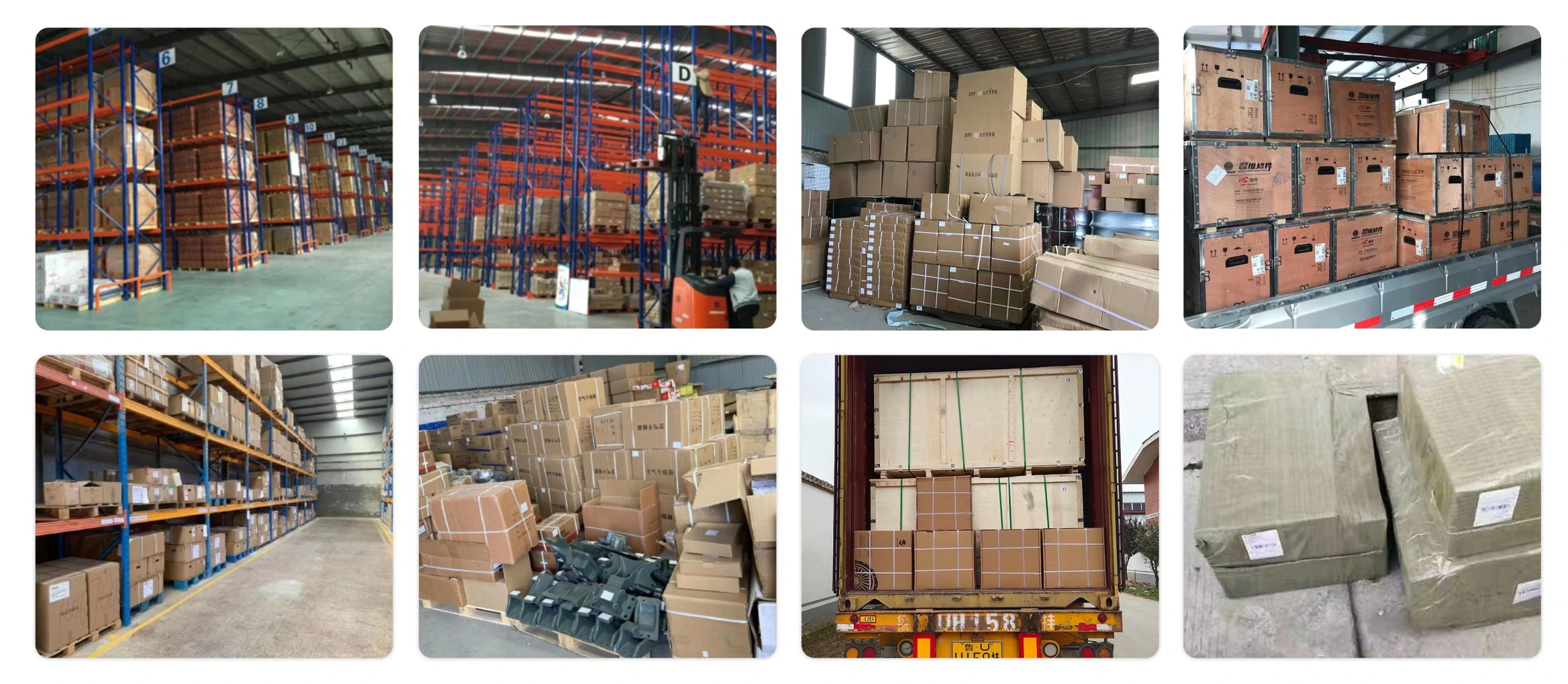
Esta abordagem de embalagem minimiza o risco de corrosão ou danos por impacto, garantindo que peças como o conjunto do bloco de cilindros FAW cheguem em perfeitas condições. Os clientes podem confiar na logística da FAW para obter qualidade e confiabilidade consistentes.