par 


Le Arbre de marche arrière de transmission FAW sert d'ancrage structurel pour le mécanisme de renvoi inverseur dans la boîte de vitesses FAW 6G55. Contrairement aux arbres principaux rotatifs qui gèrent la propulsion vers l'avant, le Arbre de marche arrière de transmission FAW est un axe stationnaire conçu pour résister aux immenses forces de cisaillement générées lors des changements de direction. Il agit comme le point d'appui qui permet au Tour. pignon fou pour combler l'écart entre l'arbre intermédiaire et l'arbre de sortie, permettant au véhicule de reculer avec toute la capacité de couple. L'intégrité du Arbre de marche arrière de transmission FAW est primordial pour les manœuvres sûres à basse vitesse sur les quais de chargement et les centres logistiques restreints.

Arbre de marche arrière de transmission FAW
Le Arbre de marche arrière de transmission FAW fonctionne dans des conditions de stress uniques. Lorsqu'un conducteur passe la marche arrière, le pignon fou glisse dans la prise, créant une charge latérale soudaine sur l'arbre. Ce composant doit résister à la déflexion pour garantir que les dents de l'engrenage s'engagent parfaitement.. Toute flexion ou flexion du Arbre de marche arrière de transmission FAW entraînerait une charge sur les bords des engrenages, entraînant des piqûres et du bruit prématurés. Dans les applications lourdes, comme la construction ou l'exploitation minière, où les camions font fréquemment marche arrière sur des pentes raides, la charge sur cet arbre peut dépasser le couple de marche avant maximal du moteur en raison du rapport de réduction élevé du train de marche arrière.
En outre, le Arbre de marche arrière de transmission FAW fonctionne dans un environnement de lubrification par éclaboussures. Situé dans la partie inférieure du carter de transmission, il repose sur le brouillard d'huile généré par le groupe d'engrenages principal. La finition de surface du Arbre de marche arrière de transmission FAW est rectifié avec précision pour soutenir le Roulement à aiguille (Partie no. WBK30X40X30-6G55), garantissant le maintien d'un film d'huile hydrodynamique même à faible vitesse de rotation. Cette conception empêche le contact métal sur métal pendant les moments critiques de l'engagement initial des engrenages..
Les gestionnaires de flotte doivent reconnaître que la difficulté à passer la marche arrière est souvent un symptôme d'usure du véhicule. Arbre de marche arrière de transmission FAW ou sa selle de support associée. Si l'arbre est piqué ou usé, le pignon fou va traîner, provoquant des bruits de grincement et augmentant la fatigue du conducteur. Une inspection proactive de cet ensemble lors des révisions de la transmission est essentielle pour maintenir le “possibilité de changement de vitesse” et la sécurité du véhicule.
Le Arbre de marche arrière de transmission FAW (Partie no. 6G55-4011) est conçu à partir d’acier allié de haute qualité, soumis à un processus spécialisé de durcissement par induction. Ce traitement crée un profond, boîtier résistant à l'usure capable de résister aux contraintes de contact élevées des roulements à aiguilles, tout en gardant un caractère dur, noyau ductile pour résister aux charges de choc. Cette dualité est essentielle; un arbre trop fragile se briserait sous le choc d'un “balancement” manœuvre, tandis qu'un modèle trop mou risquerait rapidement de s'effondrer et d'échouer..
Le système de montage pour le Arbre de marche arrière de transmission FAW utilise un Tour. selle de soutien (Partie no. 6G55-4023) pour fournir un support rigide. Cette selle garantit que l'arbre reste parfaitement parallèle à l'arbre intermédiaire et à l'arbre de sortie.. L'ensemble est sécurisé par un système à haute résistance Boulon hexagonal intérieur (Partie no. Q218B0870T1F3) et un robuste Rondelle élastique (Partie no. WTD14X8X1-6G55). La force de serrage fournie par ces fixations empêche l'arbre de tourner ou de vibrer dans son alésage, un mode de défaillance courant dans les conceptions de transmission inférieures.
L'interaction entre le Arbre de marche arrière de transmission FAW et le Tour. pignon fou (Partie no. 6GT60-4811) est facilité par le double Roulements à aiguilles. Ces roulements minimisent la friction et permettent au pignon fou de tourner librement lorsqu'il est débrayé.. La tolérance précise du diamètre de l'arbre est mesurée en microns pour garantir le jeu radial correct pour ces roulements.. Toute déviation entraînerait un jeu excessif, gémissement d'équipement, et destruction éventuelle du mécanisme de renvoi.
Le tableau suivant contient la répartition complète des pièces pour le Arbre de marche arrière de transmission FAW et composants d'arbre intermédiaire associés, comme détaillé dans les schémas techniques (Articles 1-13).
| Non. | Code (Numéro de pièce.) | Nom | Nombre (Qté) |
|---|---|---|---|
| 1 | 2580/2520 | Palier | 2 |
| 2 | Q43145 | Anneau | 1 |
| 3 | 6GT60-2511 | Arbre intermédiaire 5ème vitesse | 1 |
| 4 | 6GT60-2611 | Arbre intermédiaire 6ème vitesse | 1 |
| 5 | 6GT60-2411 | Arbre intermédiaire 4ème vitesse | 1 |
| 6 | 6GT60-2311 | 3ème vitesse d'arbre intermédiaire | 1 |
| 7 | 6GT60-2011 | Arbre à viande | 1 |
| 8 | 6GT60-4811 | Tour. pignon fou | 1 |
| 9 | WBK30X40X30-6G55 | Roulement à aiguille | 2 |
| 10 | 6G55-4011 | Tour. arbre de renvoi | 1 |
| 11 | 6G55-4023 | Tour. selle de soutien | 1 |
| 12 | Q218B0870T1F3 | Boulon hexagonal intérieur | 1 |
| 13 | WTD14X8X1-6G55 | Rondelle élastique | 1 |
Analyser le Arbre de marche arrière de transmission FAW révèle son interdépendance avec l'ensemble des ensembles d'arbres intermédiaires et de sortie. L'arbre ne fonctionne pas de manière isolée. Par exemple, le Tour. selle de soutien (Partie no. 6G55-4023) est responsable du maintien de l’alignement axial du pignon fou. Si cette selle se desserre à cause des vibrations, le Arbre de marche arrière de transmission FAW peut fausser, faisant tourner le pignon fou selon un angle par rapport à l'arbre intermédiaire. Ce désalignement entraîne une usure inégale des dents et la génération de débris métalliques qui contaminent l'ensemble de la transmission..
La lubrification joue un rôle essentiel dans la longévité du Arbre de marche arrière de transmission FAW. Le Roulements à aiguilles (Partie no. WBK30X40X30-6G55) nécessitent un film constant d'huile pour éviter tout contact métal sur métal avec la surface de l'arbre. Dans des conditions où le niveau de liquide de transmission est faible, ces roulements sont souvent les premiers à tomber en panne, car ils sont situés en hauteur dans le carter par rapport au carter d'huile. Un roulement à aiguilles grippé fera tourner la bague intérieure de l'arbre stationnaire., marquer la surface durcie et rendre le Arbre de marche arrière de transmission FAW inutilisable.
Le Arbre de sortie (Partie no. 6G60-3011) interagit également indirectement avec le système inverse. La stabilité des roulements de l'arbre de sortie affecte la qualité de l'engrènement sur l'ensemble de la transmission.. Si les roulements de l'arbre principal s'usent, l'arbre de sortie peut fléchir sous charge, modification de la zone de contact avec le pignon intermédiaire de marche arrière. Cette flexibilité systémique souligne pourquoi le remplacement d'un seul composant, comme le Arbre de marche arrière de transmission FAW, sans inspecter les roulements et les arbres de support, est souvent une solution temporaire.
Enfin, la qualité des fixations ne peut pas être surestimée. Le Boulon hexagonal intérieur (Partie no. Q218B0870T1F3) sert de mécanisme de rétention principal pour l'arbre de marche arrière. La réutilisation de ce boulon lors d'une reconstruction est une erreur courante. Le boulon s'étire lors de son application initiale du couple, réduisant sa force de serrage en cas de réutilisation. Un boulon desserré permet au Arbre de marche arrière de transmission FAW vibrer, entraînant une usure par frottement sur l'alésage du carter de transmission. Une fois l'alésage du boîtier usé, le carter de transmission lui-même est compromis, entraînant des réparations coûteuses.
Entretien efficace du Arbre de marche arrière de transmission FAW commence par un diagnostic auditif. Un bruit de gémissement distinctif en marche arrière est normal pour les engrenages à coupe droite., mais un changement de pas ou un bruit de grincement indique une défaillance du roulement ou un endommagement des dents d'engrenage.. Les opérateurs doivent être formés pour signaler ces sons immédiatement. Détection précoce d'une défaillance Roulement à aiguille peut empêcher l'arbre de marquer, réduisant considérablement les coûts de réparation.
L’analyse régulière de l’huile est la référence en matière de maintenance préventive. Des niveaux élevés de chrome ou de nickel dans l'échantillon d'huile indiquent souvent une usure des bagues de roulement ou un écaillage des dents d'engrenage.. Si une telle contamination est constatée, la transmission doit être inspectée, en se concentrant sur les zones à forte charge comme le Arbre de marche arrière de transmission FAW et les roulements de l'arbre intermédiaire principal.
Lors du remontage, il est crucial de suivre les spécifications de couple d'usine pour le Boulon hexagonal intérieur (Partie no. Q218B0870T1F3) et de toujours utiliser un nouveau Rondelle élastique (Partie no. WTD14X8X1-6G55). Ces composants garantissent que l'arbre reste statique sous les charges dynamiques de fonctionnement. En plus, l'application d'un composé frein-filet ajoute une couche de sécurité contre le desserrage induit par les vibrations.
Enfin, inspecter les surfaces de contact du Tour. selle de soutien (Partie no. 6G55-4023). Toute usure ou bavure sur ce composant empêchera le Arbre de marche arrière de transmission FAW de s'asseoir correctement. Un arbre mal aligné entraînera le pignon intermédiaire à “marcher” axialement, pouvant se désengager sous charge. Remplacer la selle chaque fois que l'arbre est remplacé est une bonne pratique qui garantit une fiabilité à long terme.
Le Arbre de marche arrière de transmission FAW est un composant de précision fabriqué selon des normes métallurgiques strictes. Les pièces d'origine FAW utilisent des alliages d'acier exclusifs et des processus de traitement thermique qui optimisent l'équilibre entre la dureté de surface et la ténacité du noyau.. Les alternatives du marché secondaire manquent souvent de cette ingénierie sophistiquée, ce qui donne des tiges trop molles, entraînant une usure rapide, ou trop cassant, sujet à des défaillances catastrophiques sous des charges de choc.
De plus, les pièces d'origine garantissent la compatibilité dimensionnelle. L'adéquation entre le Arbre de marche arrière de transmission FAW et le Roulements à aiguilles est essentiel pour maintenir un film d’huile. Même des écarts mineurs de diamètre peuvent entraîner un grippage du roulement ou un jeu excessif.. En utilisant des pièces d'origine FAW, vous vous assurez que les jeux sont maintenus dans les limites de conception d'usine, préserver l’intégrité du système de lubrification.
Investir dans un véritable Arbre de marche arrière de transmission FAW est un investissement dans la disponibilité du véhicule. Le coût d’une panne de transmission – remorquage, temps d'arrêt, et réparation - dépasse de loin la différence de prix entre un arbre d'origine et une copie générique. Choisissez des pièces d'origine FAW pour garantir que votre flotte fonctionne avec la fiabilité et la durabilité intégrées à chaque transmission 6G55..
Pièces FAW, y compris l'ensemble bloc-cylindres, sont emballés avec soin pour garantir une livraison en toute sécurité. Chaque composant est sécurisé dans des matériaux de protection pour éviter tout dommage pendant le transport. Le réseau logistique garantit des expéditions ponctuelles dans le monde entier, soutenir des opérations de maintenance efficaces. Vous trouverez ci-dessous une image illustrant l'emballage standard des pièces de camion FAW., mettant en valeur l’attention portée aux détails dans la manipulation et le stockage.
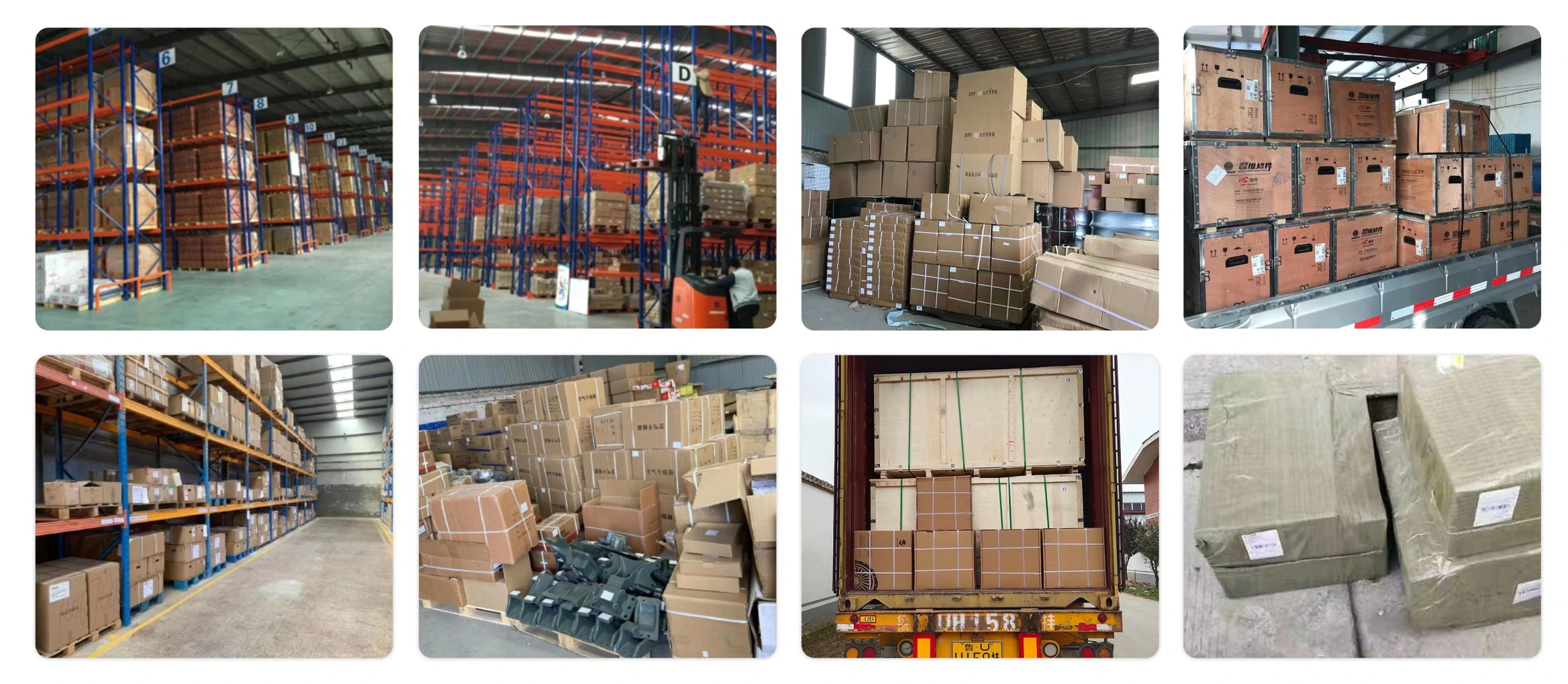
Cette approche d'emballage minimise le risque de corrosion ou de dommages causés par les chocs., s'assurer que les pièces comme l'ensemble bloc-cylindres FAW arrivent en parfait état. Les clients peuvent compter sur la logistique de FAW pour une qualité et une fiabilité constantes.