por 


El Eje de marcha atrás de transmisión FAW Sirve como anclaje estructural para el mecanismo de marcha atrás dentro de la caja de cambios FAW 6G55.. A diferencia de los ejes principales giratorios que manejan la propulsión hacia adelante, el Eje de marcha atrás de transmisión FAW Es un eje estacionario diseñado para soportar las inmensas fuerzas de corte generadas durante los cambios de dirección.. Actúa como punto de apoyo que permite Rdo. engranaje loco para cerrar la brecha entre el eje secundario y el eje de salida, permitiendo que el vehículo se mueva hacia atrás con plena capacidad de par. La integridad de la Eje de marcha atrás de transmisión FAW Es fundamental para maniobrar de forma segura a baja velocidad en muelles de carga y centros logísticos estrechos..

Eje de marcha atrás de transmisión FAW
El Eje de marcha atrás de transmisión FAW opera bajo condiciones de estrés únicas. Cuando un conductor pone marcha atrás, el engranaje loco se desliza hacia el engrane, creando una carga lateral repentina en el eje. Este componente debe resistir la deflexión para garantizar que los dientes del engranaje engranen directamente. Cualquier flexión o flexión del Eje de marcha atrás de transmisión FAW daría como resultado una carga de borde de los engranajes, lo que provoca picaduras prematuras y ruido. En aplicaciones de servicio pesado, como la construcción o la minería, donde los camiones suelen dar marcha atrás en pendientes pronunciadas, La carga en este eje puede exceder el par máximo de avance del motor debido a la alta relación de reducción del conjunto de marcha atrás..
Además, el Eje de marcha atrás de transmisión FAW Funciona dentro de un ambiente de lubricación por salpicadura.. Ubicado en la sección inferior de la caja de transmisión., Se basa en la neblina de aceite generada por el grupo de engranajes principal.. El acabado superficial del Eje de marcha atrás de transmisión FAW está rectificado con precisión para soportar Rodamiento de agujas (Número de pieza. WBK30X40X30-6G55), Garantizar que se mantenga una película de aceite hidrodinámico incluso a bajas velocidades de rotación.. Este diseño evita el contacto de metal con metal durante los momentos críticos del enganche inicial del engranaje..
Los administradores de flotas deben reconocer que la dificultad para cambiar a marcha atrás es a menudo un síntoma de desgaste en el Eje de marcha atrás de transmisión FAW o su silla de soporte asociada. Si el eje se pica o se desgasta, el engranaje loco se arrastrará, provocando chirridos y aumentando la fatiga del conductor. La inspección proactiva de este conjunto durante las revisiones de la transmisión es esencial para mantener el “capacidad de cambio” y seguridad del vehículo.
El Eje de marcha atrás de transmisión FAW (Número de pieza. 6G55-4011) está diseñado con acero de aleación de alta calidad, sometido a un proceso de endurecimiento por inducción especializado. Este tratamiento crea una profunda, Caja resistente al desgaste capaz de soportar las altas tensiones de contacto de los rodamientos de agujas., manteniendo una dura, Núcleo dúctil para resistir cargas de impacto.. Esta dualidad es crítica; un eje demasiado frágil se rompería bajo el impacto de un “balanceo” maniobra, mientras que uno que es demasiado blando se volvería rápidamente saltón y fallaría..
El sistema de montaje para el Eje de marcha atrás de transmisión FAW utiliza un Rdo. silla de soporte (Número de pieza. 6G55-4023) para proporcionar soporte rígido. Esta silla asegura que el eje permanezca perfectamente paralelo al contraeje y al eje de salida.. El conjunto está asegurado por un cable de alta resistencia. Perno hexagonal interior (Número de pieza. Q218B0870T1F3) y un trabajo pesado arandela de resorte (Número de pieza. WTD14X8X1-6G55). La fuerza de sujeción proporcionada por estos sujetadores evita que el eje gire o vibre en su orificio., Un modo de falla común en diseños de transmisión inferiores..
La interacción entre el Eje de marcha atrás de transmisión FAW y el Rdo. engranaje loco (Número de pieza. 6GT60-4811) es facilitado por doble Rodamientos de agujas. Estos cojinetes minimizan la fricción y permiten que el engranaje loco gire libremente cuando está desacoplado.. La tolerancia precisa del diámetro del eje se mide en micras para garantizar el juego radial correcto para estos rodamientos.. Cualquier desviación conduciría a un juego excesivo., gemido del engranaje, y eventual destrucción del mecanismo loco..
La siguiente tabla contiene el desglose completo de las piezas del Eje de marcha atrás de transmisión FAW y componentes asociados del contraeje, como se detalla en los diagramas técnicos (Elementos 1-13).
| No. | Código (Número de pieza) | Nombre | Número (cantidad) |
|---|---|---|---|
| 1 | 2580/2520 | Cojinete | 2 |
| 2 | Q43145 | Anillo | 1 |
| 3 | 6GT60-2511 | Contraeje 5ta marcha | 1 |
| 4 | 6GT60-2611 | Contraeje 6ta marcha | 1 |
| 5 | 6GT60-2411 | Contraeje 4ta marcha | 1 |
| 6 | 6GT60-2311 | Contraeje 3.ª marcha | 1 |
| 7 | 6GT60-2011 | Eje secundario | 1 |
| 8 | 6GT60-4811 | Rdo. engranaje loco | 1 |
| 9 | WBK30X40X30-6G55 | Rodamiento de agujas | 2 |
| 10 | 6G55-4011 | Rdo. eje loco | 1 |
| 11 | 6G55-4023 | Rdo. silla de soporte | 1 |
| 12 | Q218B0870T1F3 | Perno hexagonal interior | 1 |
| 13 | WTD14X8X1-6G55 | arandela de resorte | 1 |
analizando el Eje de marcha atrás de transmisión FAW revela su interdependencia con todos los conjuntos de eje intermedio y de salida. El eje no funciona de forma aislada.. Por ejemplo, el Rdo. silla de soporte (Número de pieza. 6G55-4023) es responsable de mantener la alineación axial del engranaje loco. Si este sillín se afloja debido a la vibración, el Eje de marcha atrás de transmisión FAW puede sesgar, haciendo que el engranaje loco gire en un ángulo relativo al contraeje. Esta desalineación provoca un desgaste desigual de los dientes y la generación de residuos metálicos que contaminan toda la transmisión..
La lubricación juega un papel crítico en la longevidad del Eje de marcha atrás de transmisión FAW. El Rodamientos de agujas (Número de pieza. WBK30X40X30-6G55) Requieren una película constante de aceite para evitar el contacto de metal con metal con la superficie del eje.. En condiciones donde el nivel del líquido de la transmisión es bajo, Estos rodamientos suelen ser los primeros en fallar., ya que están ubicados en lo alto de la carcasa en relación con el cárter de aceite. Un rodamiento de agujas atascado hará girar la pista interior en el eje estacionario., rayando la superficie endurecida y renderizando el Eje de marcha atrás de transmisión FAW inutilizable.
El Eje de salida (Número de pieza. 6G60-3011) también interactúa indirectamente con el sistema inverso. La estabilidad de los cojinetes del eje de salida afecta la calidad del engranaje en toda la transmisión.. Si los cojinetes del eje principal se desgastan, El eje de salida puede deformarse bajo carga., alterar la zona de contacto con el engranaje loco de marcha atrás. Esta flexibilidad sistémica enfatiza por qué reemplazar un solo componente, como el Eje de marcha atrás de transmisión FAW, sin inspeccionar los cojinetes de soporte y los ejes, suele ser una solución temporal.
Finalmente, la calidad de los sujetadores no puede ser exagerada. El Perno hexagonal interior (Número de pieza. Q218B0870T1F3) Sirve como mecanismo de retención principal para el eje inverso.. Reutilizar este perno durante una reconstrucción es un error común. El perno se estira durante su aplicación de torsión inicial., reduciendo su fuerza de sujeción si se reutiliza. Un perno flojo permite que el Eje de marcha atrás de transmisión FAW vibrar, lo que provoca desgaste por fricción en el orificio de la caja de la transmisión. Una vez que el orificio de la caja esté desgastado, la propia carcasa de la transmisión está comprometida, lo que lleva a reparaciones costosas.
Mantenimiento efectivo de la Eje de marcha atrás de transmisión FAW comienza con el diagnóstico auditivo. Un chirrido distintivo al dar marcha atrás es normal en los engranajes de corte recto., pero un cambio en el tono o un chirrido indica deterioro del rodamiento o daño en los dientes del engranaje. Los operadores deben estar capacitados para informar estos sonidos de inmediato.. Detección temprana de una falla Rodamiento de agujas puede evitar que el eje se raye, reduciendo significativamente los costos de reparación.
El análisis regular del aceite es el estándar de oro para el mantenimiento preventivo. Los altos niveles de cromo o níquel en la muestra de aceite a menudo indican desgaste de la pista del rodamiento o desconchado de los dientes del engranaje.. Si se encuentra tal contaminación, La transmisión debe ser inspeccionada., centrándose en las áreas de alta carga como el Eje de marcha atrás de transmisión FAW y los cojinetes del contraeje principal.
Durante el reensamblaje, Es crucial seguir las especificaciones de torque de fábrica para el Perno hexagonal interior (Número de pieza. Q218B0870T1F3) y usar siempre uno nuevo arandela de resorte (Número de pieza. WTD14X8X1-6G55). Estos componentes aseguran que el eje permanezca estático bajo las cargas dinámicas de operación.. Además, La aplicación de un compuesto bloqueador de roscas agrega una capa de seguridad contra el aflojamiento inducido por vibraciones..
Finalmente, Inspeccione las superficies de contacto del Rdo. silla de soporte (Número de pieza. 6G55-4023). Cualquier desgaste o rebabas en este componente impedirá el Eje de marcha atrás de transmisión FAW de sentarse correctamente. Un eje desalineado hará que el engranaje loco se “caminar” axialmente, potencialmente desconectarse bajo carga. Reemplazar el sillín cada vez que se reemplaza el eje es una práctica recomendada que garantiza la confiabilidad a largo plazo..
El Eje de marcha atrás de transmisión FAW Es un componente de precisión fabricado según estrictos estándares metalúrgicos.. Las piezas genuinas de FAW utilizan aleaciones de acero patentadas y procesos de tratamiento térmico que optimizan el equilibrio entre la dureza de la superficie y la dureza del núcleo.. Las alternativas del mercado de accesorios a menudo carecen de esta sofisticada ingeniería., resultando en ejes que son demasiado blandos, lo que lleva a un rápido desgaste, o demasiado frágil, propenso a fallas catastróficas bajo cargas de choque.
Además, Las piezas originales garantizan la compatibilidad dimensional.. El ajuste entre los Eje de marcha atrás de transmisión FAW y el Rodamientos de agujas Es fundamental para mantener una película de aceite.. Incluso pequeñas desviaciones en el diámetro pueden provocar gripaje o juego excesivo.. Utilizando piezas originales FAW, Usted se asegura de que las holguras se mantengan dentro de los límites de diseño de fábrica., Preservar la integridad del sistema de lubricación..
Invertir en un genuino Eje de marcha atrás de transmisión FAW es una inversión en tiempo de actividad del vehículo. El costo de una falla en la transmisión: remolque, falta del tiempo, y reparación: supera con creces la diferencia de precio entre un eje genuino y una copia genérica. Elija piezas originales de FAW para garantizar que su flota funcione con la confiabilidad y durabilidad diseñadas en cada transmisión 6G55..
piezas FAW, incluido el conjunto del bloque de cilindros, Se empaquetan con cuidado para garantizar una entrega segura.. Cada componente está asegurado con materiales protectores para evitar daños durante el transporte.. La red logística garantiza envíos puntuales en todo el mundo., apoyando operaciones de mantenimiento eficientes. A continuación se muestra una imagen que ilustra el embalaje estándar de las piezas de camiones FAW., mostrando la atención al detalle en el manejo y almacenamiento.
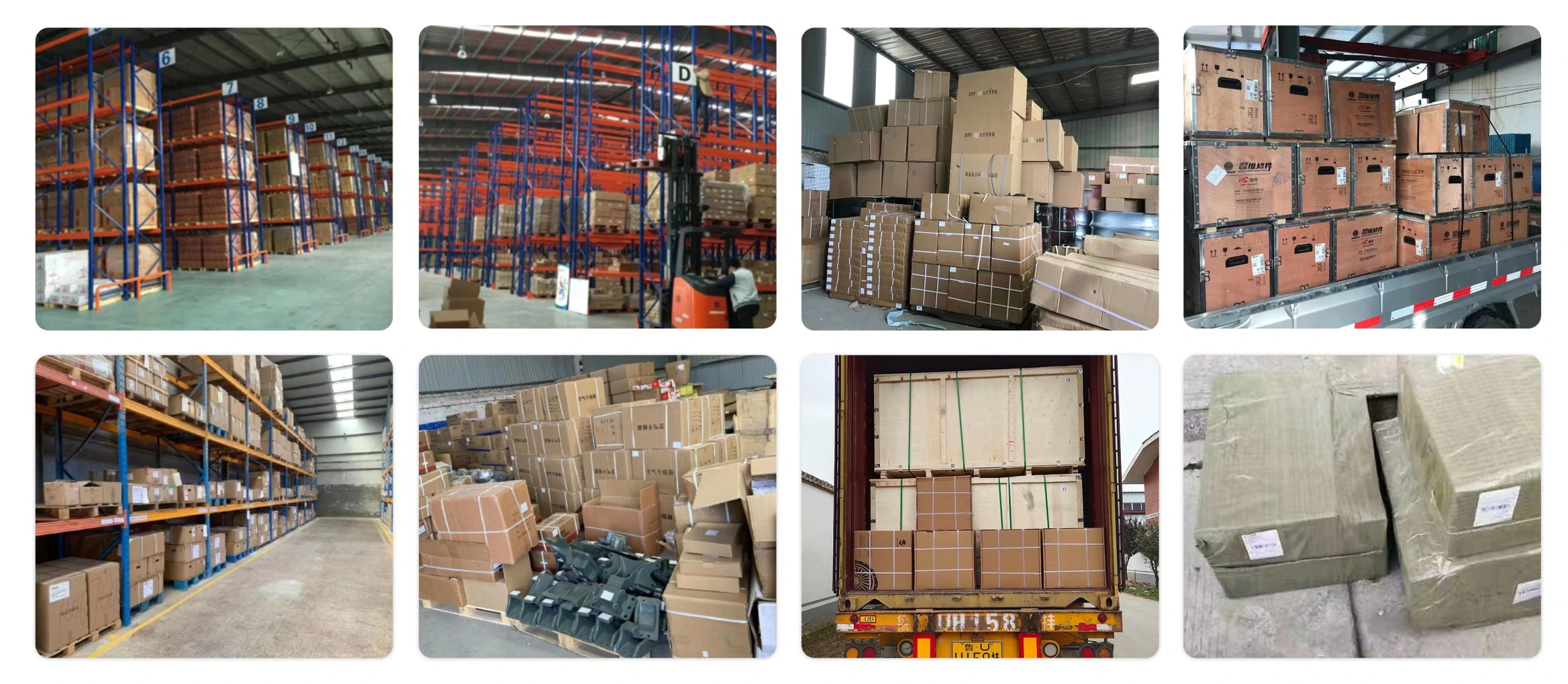
Este enfoque de embalaje minimiza el riesgo de corrosión o daños por impacto., asegurando que piezas como el conjunto de bloque de cilindros FAW lleguen en perfectas condiciones. Los clientes pueden confiar en la logística de FAW para obtener calidad y confiabilidad constantes.