Bloc-cylindres russe FAW: Déconstruction 14 Pièces critiques pour une fiabilité à froid extrême
Le Bloc-cylindres russe FAW est le cœur d'ingénierie du camion-benne CA3250P66K24L1TE5Z, spécialement moulé pour vaincre les températures glaciales de la Fédération de Russie. Ce guide décortique l’assemblage du bloc en 14 unités maintenables. Comprendre ces composants est essentiel pour maximiser la longévité du moteur et garantir un fonctionnement fiable dans les zones froides les plus difficiles au monde..
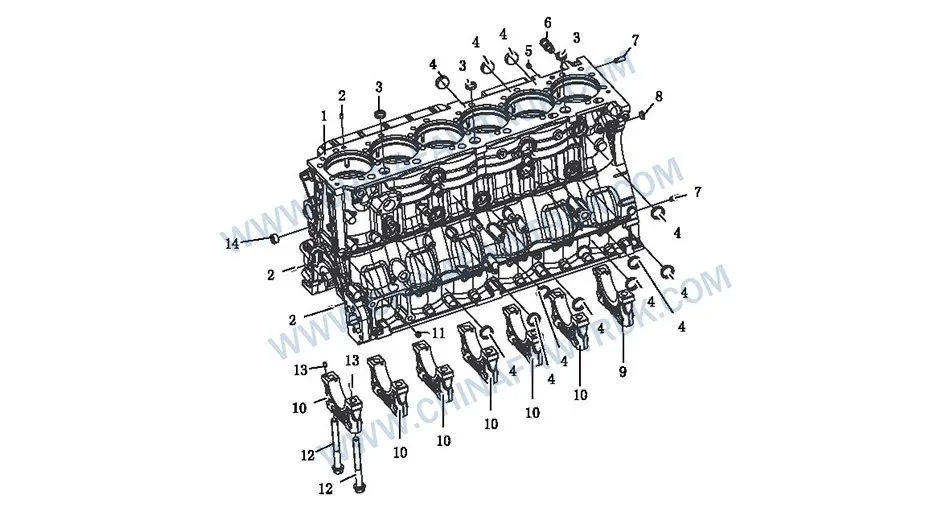
Bloc-cylindres russe FAW
La métallurgie du bloc-cylindres
Le composant principal, répertorié comme le Bloc-cylindres (Partie no. 1002014-35E), représente le summum de la technologie de moulage robuste. Pour les exigences spécifiques du modèle CA3250P66K24L1TE5Z, le Bloc-cylindres russe FAW utilise un alliage de fonte grise exclusif. Ce matériau n'est pas choisi uniquement pour sa résistance, mais pour ses propriétés d'amortissement thermique. Dans l'Arctique russe, un moteur peut passer rapidement de -40°C à sa température de fonctionnement. Le fer standard pourrait se fissurer sous ce choc thermique, mais ce bloc spécialisé répartit la chaleur uniformément pour éviter les fractures de stress.
L'intégrité structurelle est encore renforcée par l'architecture de nervures internes du bloc. La conception comprend des bandes renforcées reliant les selles de roulement principales au pont du cylindre.. Cette rigidité est cruciale. Alors que les pistons tirent, ils exercent une force descendante massive. Un bloc plus faible fléchirait, provoquant une distorsion de l'alésage du cylindre. Le Bloc-cylindres russe FAW reste dimensionnellement stable, s'assurer que les segments de piston maintiennent une étanchéité parfaite, préservant la compression et minimisant la consommation d'huile même après des années de service.
En outre, la précision d'usinage de la surface du pont assure une parfaite étanchéité avec la culasse. La tolérance de planéité du Bloc-cylindres russe FAW se mesure en microns. Cette précision est vitale pour les performances du joint de culasse, empêcher le liquide de refroidissement de s'infiltrer dans les cylindres ou les gaz de combustion de s'échapper dans le système de refroidissement - un mode de défaillance catastrophique connu pour affecter les petits moteurs dans les climats extrêmes.
Support de vilebrequin et géométrie des roulements
La fiabilité de l'ensemble rotatif dépend de la sécurité du maintien du vilebrequin.. Le Bloc-cylindres russe FAW utilise un système robuste comprenant six Chapeaux de roulement principaux (Partie no. 1002011-81D) et un spécialisé Capuchon de roulement principal arrière (Partie no. 1002012-81D). Ces casquettes ne sont pas génériques; ils sont fabriqués à partir de fer hautement nodulaire pour résister à la fatigue. Le capuchon arrière est particulièrement critique car il abrite le joint principal arrière., la barrière finale empêchant l'huile de contaminer le carter d'embrayage.
La fixation de ces capuchons est constituée de quatorze haute résistance Boulons de roulement principal (Partie no. 1002013A53D-S). Dans l'ingénierie du Bloc-cylindres russe FAW, ces boulons sont des fixations à couple de rendement. Cela signifie qu'ils sont serrés jusqu'à ce qu'ils s'étirent de manière permanente d'une quantité spécifique., agissant comme un ressort très rigide. Cela fournit une force de serrage qui ne se desserre pas sous les vibrations intenses d'un moteur diesel.. Utiliser ici des boulons non OEM est dangereux, car ils peuvent ne pas avoir la bonne élasticité, conduisant à un flottement du capuchon et à des roulements tournés.
L'alignement est le troisième pilier de ce sous-système. Les quatorze Épingles cylindriques (Partie no. Q5210814) sont installés pour localiser les chapeaux de roulement avec précision sur la selle du bloc. Sans ces épingles, les capuchons pourraient se déplacer latéralement sous la charge. Un tel mouvement dans le Bloc-cylindres russe FAW détruirait le film d'huile hydrodynamique protégeant le vilebrequin. Ces goupilles garantissent que la ligne médiane du vilebrequin reste parfaitement fidèle, réduisant la friction et maximisant la puissance délivrée aux roues.
Gestion des fluides dans les zones froides
Le “russe” désignation de ce Bloc-cylindres russe FAW implique une forte dépendance à l'égard de son système de protection contre le gel. Le bloc est équipé de plusieurs fiches d'expansion, Plus précisément le Bouchon en forme de bol (Partie no. CQ72240) et des variantes plus grandes (Partie no. Q72232 HB). Souvent appelés bouchons de base, leur rôle principal lors de la coulée est de boucher les trous de sable. Cependant, en fonctionnement, ils servent de sécurité. Si le liquide de refroidissement gèle et se dilate, ces fiches sont conçues pour sortir, se sacrifier pour empêcher le bloc moteur de se fissurer.
L'entretien de ces prises est souvent négligé. Dans le salé, environnements routiers corrosifs de la Russie, ces bouchons en acier peuvent rouiller de l'extérieur. Un bouchon perforé entraîne une perte rapide de liquide de refroidissement. Nous vous recommandons d'inspecter tous Bouchons en forme de bol sur le Bloc-cylindres russe FAW annuellement. Si des signes de suintement ou de rouille sont visibles, ils doivent être remplacés immédiatement. Le coût d'une bougie est négligeable par rapport au coût d'un moteur en surchauffe.
Le confinement du pétrole utilise une stratégie différente. Le Bouchon à vis conique à six pans creux (Partie no. Q61902 et Q61906) gère les galeries d'huile à haute pression. Contrairement aux fiches d'extension, ceux-ci sont filetés et coniques. Comme ils sont serrés dans le Bloc-cylindres russe FAW, les filetages se déforment légèrement pour créer un joint hermétique capable de retenir des pressions d'huile dépassant 60 psi. Cela garantit que chaque goutte d'huile pompée atteint les composants critiques de la culasse plutôt que de fuir à l'extérieur..
Géométrie et alignement de l'assemblage
Un moteur est une somme de pièces qui doivent être parfaitement alignées. Le Bloc-cylindres russe FAW dispose d'un réseau de goupilles pour garantir cette géométrie. Le Broche cylindrique (Partie no. Q5211020) et son homologue (Partie no. Q5211232) agir comme ancrage pour les composants externes. Lors du montage du carter de distribution ou du carter de volant moteur, les boulons seuls sont insuffisants pour résister au couple de rotation. Ces broches supportent la charge de cisaillement, empêchant les boîtiers de se tordre.
Cet alignement est particulièrement crucial pour l'interface de transmission. Si le boîtier de la cloche n'est pas parfaitement centré sur le Bloc-cylindres russe FAW, l'arbre d'entrée de la transmission sera mal aligné avec le roulement pilote. Cela provoque des vibrations, bavardage d'embrayage, et défaillance prématurée du joint d'étanchéité de l'arbre d'entrée. L'utilisation de broches FAW rectifiées avec précision garantit que l'ensemble du groupe motopropulseur, du moteur à la boîte de vitesses, fonctionne sur un seul moteur., axe vrai.
En plus, l'ensemble comprend le Tête de soupape – Bloc-cylindres (Partie no. 1002023-81D). Bien que petit, ce composant dirige le flux de fluide dans les passages internes du bloc. Son ajustement précis garantit l'absence de cavitation ou de turbulence dans le flux de liquide de refroidissement., ce qui pourrait conduire à des points chauds localisés. Dans le Bloc-cylindres russe FAW, Le maintien d'une température uniforme dans tous les cylindres est la clé du respect de l'efficacité et des émissions..
Liste de répartition des composants
Le tableau suivant détaille les composants spécifiques du Bloc-cylindres russe FAW (Modèle CA3250P66K24L1TE5Z). Veuillez faire référence à ces noms et numéros de pièces en anglais lors de la commande de pièces de rechange pour garantir la compatibilité avec les spécifications de zone froide..
| Non. |
Numéro de pièce |
Nom de la pièce |
Quantité |
| 1 |
1002014-35E |
Bloc-cylindres |
1 |
| 2 |
Q5211020 |
Broche cylindrique |
4 |
| 3 |
Q72232 (HB) |
Bouchon en forme de bol |
3 |
| 4 |
CQ72240 |
Bouchon en forme de bol |
11 |
| 5 |
1002023-81D |
Tête de soupape – Bloc-cylindres |
1 |
| 6 |
1002021-53D |
Boulon de levage |
2 |
| 7 |
Q5211232 |
Broche cylindrique |
2 |
| 8 |
CQ72224 |
Bouchon en forme de bol |
1 |
| 9 |
1002012-81D |
Capuchon de roulement principal arrière |
1 |
| 10 |
1002011-81D |
BACLE DE PAUIE PRINCIPALE |
6 |
| 11 |
Q61902 |
Bouchon à vis conique à six pans creux |
1 |
| 12 |
1002013A53D-S |
Boulon de roulement principal |
14 |
| 13 |
Q5210814 |
Broche cylindrique |
14 |
| 14 |
Q61906 |
Bouchon à vis conique à six pans creux |
1 |
Maintenance proactive dans les conditions russes
Fonctionnement du Bloc-cylindres russe FAW dans des endroits éloignés nécessite un état d'esprit proactif. La première étape consiste à surveiller l’état du liquide de refroidissement. Comme les bouchons d'extension (CQ72240) sont en acier, ils sont sensibles à la corrosion électrochimique si le liquide de refroidissement devient acide. Un simple test de pH effectué lors des vidanges peut sauver le bloc. Nous recommandons de rincer le système chaque année et d'utiliser un mélange de glycol évalué à au moins -40 °C pour éviter le gel interne qui pourrait submerger les bouchons..
Lors de la révision du moteur, l'état des filetages des roulements principaux dans le bloc est primordial. Avant d'installer un nouveau Boulons de roulement principal, les techniciens doivent nettoyer les trous filetés du Bloc-cylindres russe FAW avec un coupe-fil. Des débris ou un vieux frein-filet au fond du trou peuvent entraîner une fausse lecture du couple.. Cela signifie que le boulon est serré, mais le capuchon est en fait lâche. Cette erreur est l'une des principales causes de panne prématurée du moteur après une reconstruction..
Un autre contrôle critique concerne le Boulon de levage (Partie no. 1002021-53D). Ceux-ci sont souvent installés sur le moteur. Au fil du temps, les vibrations peuvent les desserrer, ou l'humidité peut s'accumuler autour de leur base, provoquant de la rouille. Avant de tenter de soulever un Bloc-cylindres russe FAW, inspectez ces boulons pour des fissures de contrainte. L'utilisation d'un boulon de levage endommagé présente un risque grave pour la sécurité étant donné l'immense poids du bloc-cylindres entièrement habillé..
Réflexions finales sur la durabilité du moteur
Le Bloc-cylindres russe FAW n'est pas qu'une simple pièce de rechange; c’est le fondement structurel de la rentabilité de votre camion. Sa conception reflète une profonde compréhension des défis posés par le climat russe, du moulage renforcé aux technologies d'étanchéité spécialisées. Chaque composant, du massif BACLE DE PAUIE PRINCIPALE au plus petit Broche cylindrique, a été conçu pour fonctionner à l'unisson pour résister à l'usure.
En adhérant aux protocoles de maintenance décrits dans ce guide et en utilisant uniquement des pièces de rechange d'origine, les propriétaires de flotte peuvent prolonger considérablement la durée de vie de leurs véhicules. Ne faites pas de compromis avec des pièces moulées de qualité inférieure qui n'ont pas la métallurgie spécifique du Bloc-cylindres russe FAW. Investissez dans la qualité, entretenir avec précision, et votre camion-benne FAW continuera à offrir des performances dans les environnements les plus difficiles au monde.
Emballage et logistique
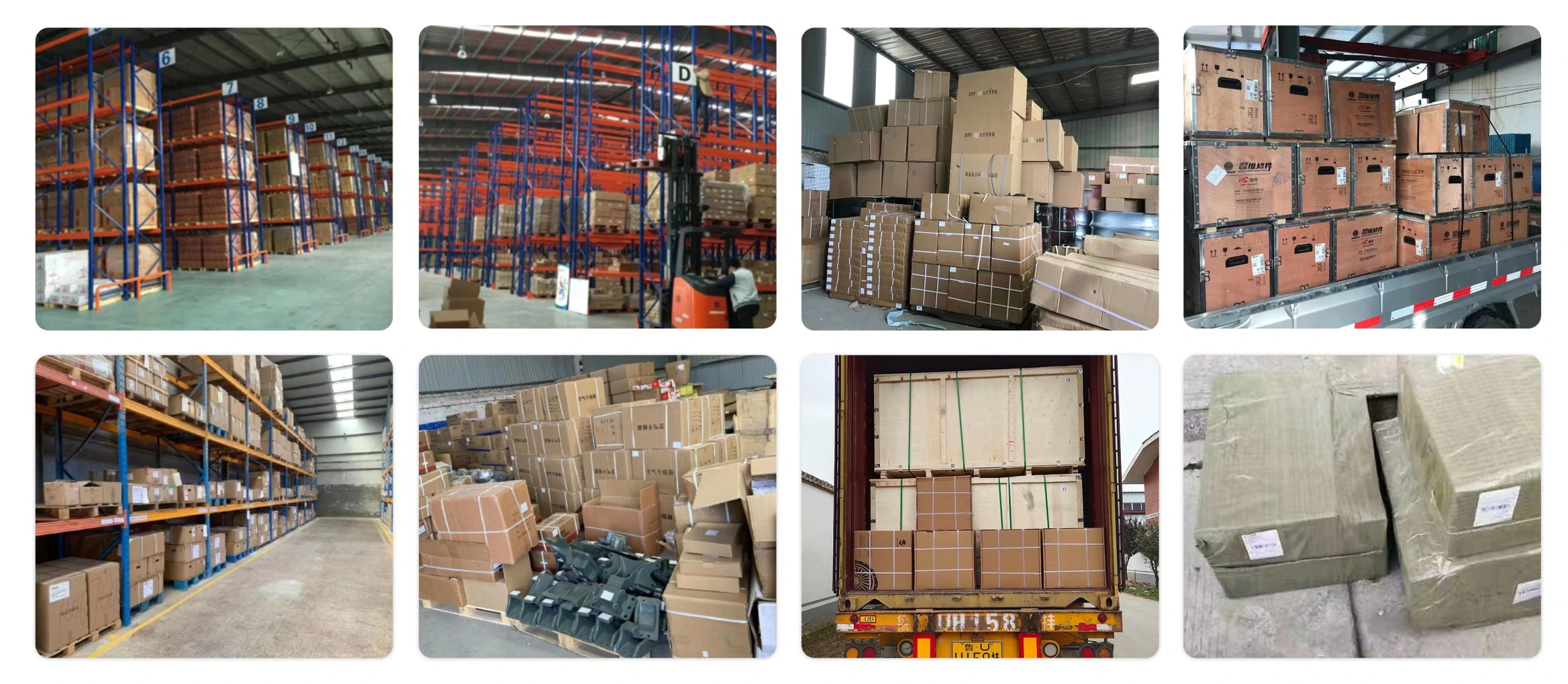
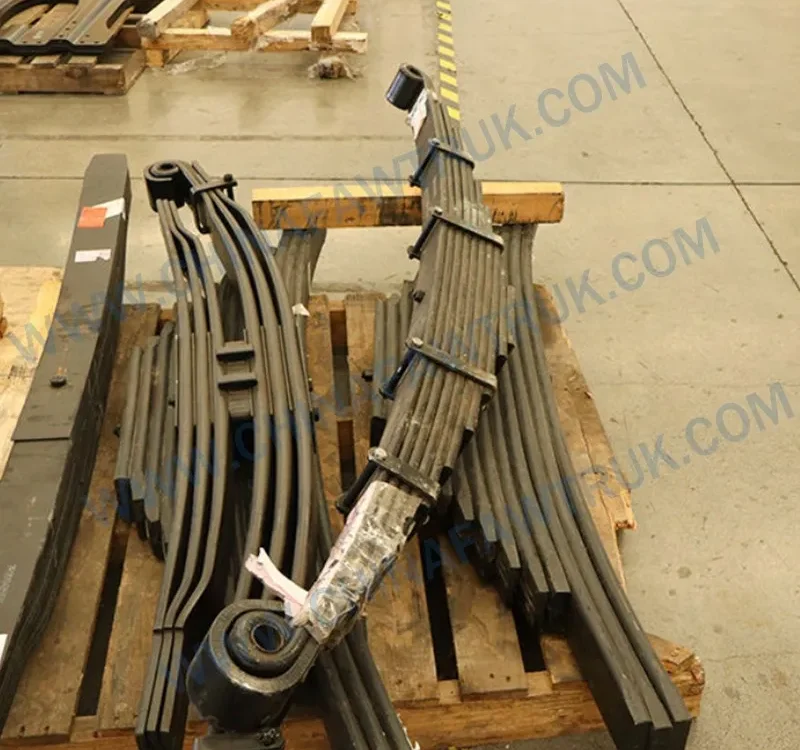
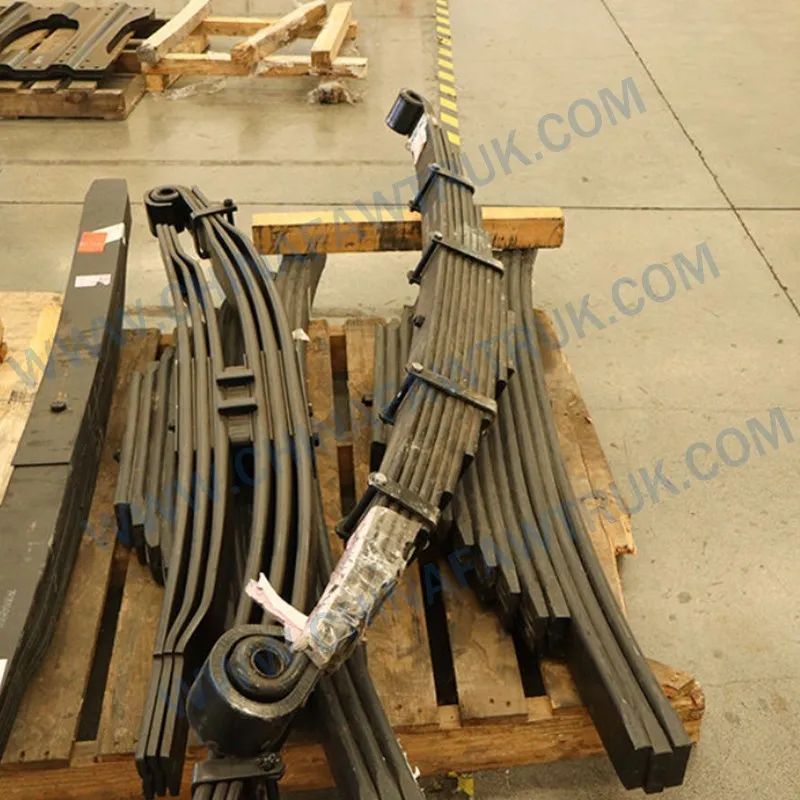
Pièces FAW, y compris l'ensemble bloc-cylindres, sont emballés avec soin pour garantir une livraison en toute sécurité. Chaque composant est sécurisé dans des matériaux de protection pour éviter tout dommage pendant le transport. Le réseau logistique garantit des expéditions ponctuelles dans le monde entier, soutenir des opérations de maintenance efficaces. Vous trouverez ci-dessous une image illustrant l'emballage standard des pièces de camion FAW., mettant en valeur l’attention portée aux détails dans la manipulation et le stockage.
Cette approche d'emballage minimise le risque de corrosion ou de dommages causés par les chocs., s'assurer que les pièces comme l'ensemble bloc-cylindres FAW arrivent en parfait état. Les clients peuvent compter sur la logistique de FAW pour une qualité et une fiabilité constantes.