Bloco de cilindro russo FAW: Desconstruindo 14 Peças críticas para confiabilidade extrema em frio
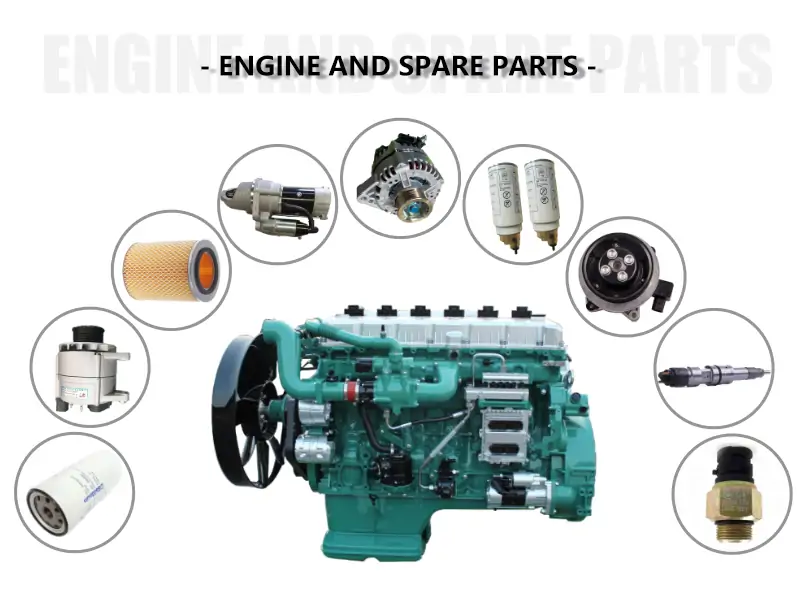
O Bloco de cilindro russo FAW é o coração da engenharia do caminhão basculante CA3250P66K24L1TE5Z, lançado especificamente para conquistar as temperaturas congelantes da Federação Russa. Este guia disseca a montagem do bloco em 14 unidades sustentáveis. Compreender estes componentes é essencial para maximizar a longevidade do motor e garantir uma operação confiável nas zonas frias mais difíceis do mundo..
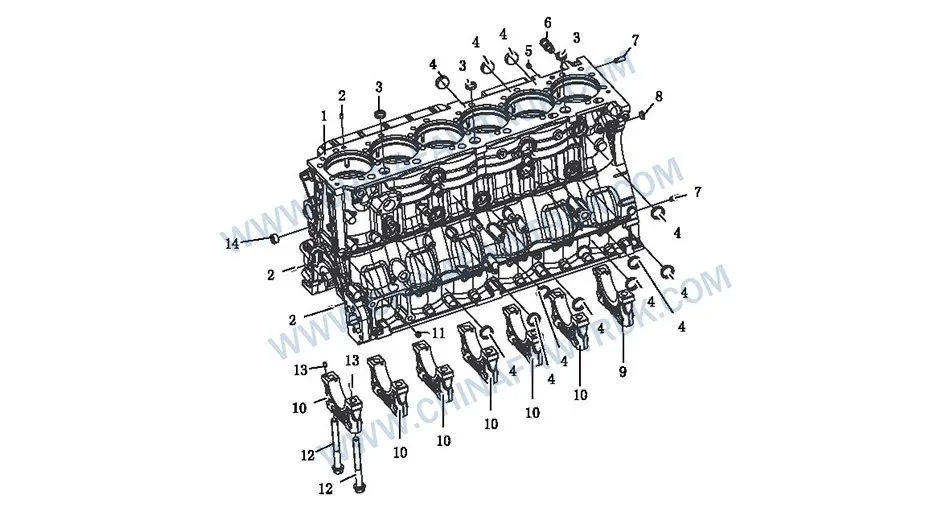
Bloco de cilindro russo FAW
A Metalurgia do Bloco de Cilindro
O componente principal, listado como o Bloco de cilindros (Parte não. 1002014-35E), representa o auge da tecnologia de fundição para serviços pesados. Para os requisitos específicos do modelo CA3250P66K24L1TE5Z, o Bloco de cilindro russo FAW utiliza uma liga proprietária de ferro fundido cinzento. Este material é escolhido não apenas pela sua resistência, mas por suas propriedades de amortecimento térmico. No Ártico Russo, um motor pode ir de -40°C até a temperatura operacional rapidamente. O ferro padrão pode rachar sob este choque térmico, mas este bloco especializado distribui o calor uniformemente para evitar fraturas por estresse.
A integridade estrutural é ainda melhorada pela arquitetura de nervuras internas do bloco. O projeto inclui redes reforçadas conectando as sedes dos rolamentos principais à plataforma do cilindro. Essa rigidez é crucial. Enquanto os pistões disparam, eles exercem uma enorme força descendente. Um bloco mais fraco flexionaria, causando distorção do furo do cilindro. O Bloco de cilindro russo FAW permanece dimensionalmente estável, garantindo que os anéis do pistão mantenham uma vedação hermética, preservando a compressão e minimizando o consumo de óleo mesmo após anos de serviço.
Além disso, a precisão de usinagem da superfície do deck garante uma vedação perfeita com o cabeçote. A tolerância à planicidade do Bloco de cilindro russo FAW é medido em mícrons. Esta precisão é vital para o desempenho da junta do cabeçote, evitando que o líquido refrigerante vaze para os cilindros ou que gases de combustão escapem para o sistema de refrigeração - um modo de falha catastrófico conhecido por afetar motores menores em climas extremos.
Suporte do virabrequim e geometria do rolamento
A confiabilidade do conjunto rotativo depende da segurança com que o virabrequim é mantido. O Bloco de cilindro russo FAW emprega um sistema robusto composto por seis Tampas dos rolamentos principais (Parte não. 1002011-81D) e um especializado Tampa traseira de mancal principal (Parte não. 1002012-81D). Esses limites não são genéricos; eles são fabricados em ferro de alta nodular para resistir à fadiga. A tampa traseira é particularmente crítica, pois abriga a vedação principal traseira, a barreira final que evita que o óleo contamine a carcaça da embreagem.
A proteção dessas tampas são quatorze de alta resistência Parafusos do rolamento principal (Parte não. 1002013A53D-S). Na engenharia do Bloco de cilindro russo FAW, esses parafusos são fixadores de torque para rendimento. Isso significa que eles são apertados até esticarem permanentemente uma quantidade específica, agindo como uma mola muito rígida. Isto proporciona uma força de fixação que não afrouxa sob a vibração intensa de um motor diesel. Usar parafusos não OEM aqui é perigoso, pois podem não ter a elasticidade correta, levando à vibração da tampa e rolamentos girados.
O alinhamento é o terceiro pilar deste subsistema. Os quatorze Pinos Cilíndricos (Parte não. Q5210814) são instalados para localizar as capas dos rolamentos precisamente na sela do bloco. Sem esses pinos, as tampas podem se deslocar lateralmente sob carga. Tal movimento no Bloco de cilindro russo FAW destruiria a película de óleo hidrodinâmico que protege o virabrequim. Esses pinos garantem que a linha central do virabrequim permaneça perfeitamente verdadeira, reduzindo o atrito e maximizando a potência para as rodas.
Gestão de fluidos em zonas frias
O “russo” designação deste Bloco de cilindro russo FAW implica uma forte dependência de seu sistema de proteção contra congelamento. O bloco está equipado com vários plugues de expansão, especificamente o Plugue em forma de tigela (Parte não. CQ72240) e variantes maiores (Parte não. Q72232 HB). Freqüentemente chamados de plugues principais, sua função principal durante a fundição é tapar buracos de areia. No entanto, em operação, eles servem como um dispositivo à prova de falhas. Se o refrigerante congelar e expandir, esses plugues são projetados para sair, sacrificando-se para evitar que o bloco do motor quebre.
A manutenção desses plugues é muitas vezes esquecida. No salgado, ambientes rodoviários corrosivos da Rússia, esses plugues de aço podem enferrujar por fora. Um tampão perfurado leva à rápida perda de líquido refrigerante. Recomendamos inspecionar todos Plugues em formato de tigela no Bloco de cilindro russo FAW anualmente. Se algum sinal de lacrimejamento ou ferrugem for visível, eles devem ser substituídos imediatamente. O custo de uma vela é insignificante comparado ao custo de um motor superaquecido.
A contenção de petróleo utiliza uma estratégia diferente. O Plugue de parafuso cônico de soquete hexagonal (Parte não. Q61902 e Q61906) lida com as galerias de óleo de alta pressão. Ao contrário dos plugues de expansão, estes são roscados e cônicos. À medida que são apertados no Bloco de cilindro russo FAW, as roscas deformam-se ligeiramente para criar uma vedação hermética capaz de conter pressões de óleo superiores 60 PSI. Isto garante que cada gota de óleo bombeada atinja os componentes críticos na cabeça do cilindro, em vez de vazar externamente.
Geometria e alinhamento de montagem
Um motor é uma soma de peças que devem estar perfeitamente alinhadas. O Bloco de cilindro russo FAW apresenta uma rede de pinos-guia para garantir esta geometria. O Pino cilíndrico (Parte não. Q5211020) e sua contraparte (Parte não. Q5211232) atuam como âncoras para componentes externos. Ao montar a caixa da engrenagem de distribuição ou a caixa do volante, os parafusos por si só são insuficientes para resistir ao torque rotacional. Esses pinos suportam a carga de cisalhamento, evitando que as caixas torçam.
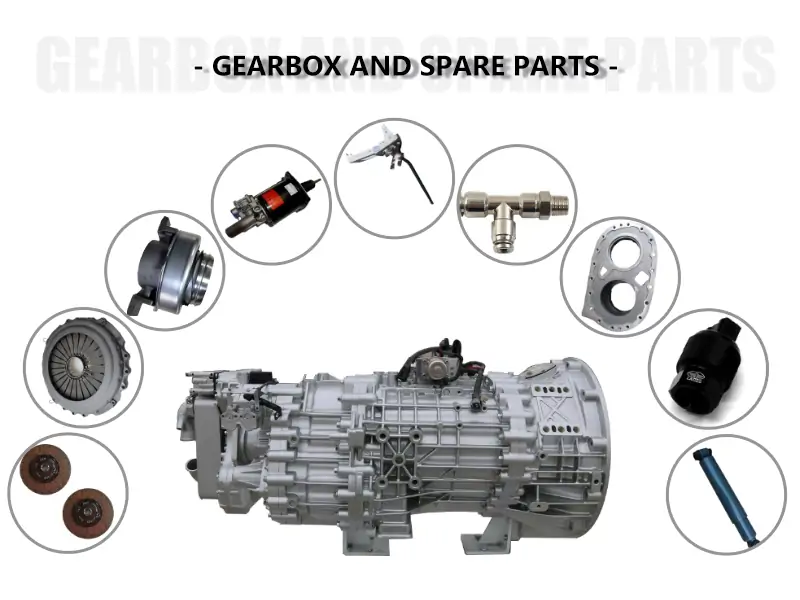
Este alinhamento é particularmente crucial para a interface de transmissão. Se o alojamento da campainha não estiver perfeitamente centrado no Bloco de cilindro russo FAW, o eixo piloto da transmissão ficará desalinhado com o rolamento piloto. Isso causa vibração, conversa de embreagem, e falha prematura da vedação do eixo de entrada. O uso de pinos FAW retificados com precisão garante que todo o trem de força – do motor à caixa de câmbio – opere em um único, eixo verdadeiro.
Adicionalmente, a montagem inclui o Cabeça de válvula – Bloco de cilindros (Parte não. 1002023-81D). Embora pequeno, este componente direciona o fluxo de fluido dentro das passagens internas do bloco. Seu encaixe preciso garante que não haja cavitação ou turbulência no fluxo do líquido refrigerante, o que pode levar a pontos quentes localizados. No Bloco de cilindro russo FAW, manter a temperatura uniforme em todos os cilindros é fundamental para a eficiência e a conformidade com as emissões.
Lista detalhada de componentes
A tabela a seguir detalha os componentes específicos para o Bloco de cilindro russo FAW (Modelo CA3250P66K24L1TE5Z). Consulte estes nomes e números de peças em inglês ao solicitar peças sobressalentes para garantir a compatibilidade com as especificações da zona fria.
| Não. |
Número da peça |
Nome da peça |
Quantidade |
| 1 |
1002014-35E |
Bloco de cilindros |
1 |
| 2 |
Q5211020 |
Pino cilíndrico |
4 |
| 3 |
Q72232 (HB) |
Plugue em forma de tigela |
3 |
| 4 |
CQ72240 |
Plugue em forma de tigela |
11 |
| 5 |
1002023-81D |
Cabeça de válvula – Bloco de cilindros |
1 |
| 6 |
1002021-53D |
Parafuso de levantamento |
2 |
| 7 |
Q5211232 |
Pino cilíndrico |
2 |
| 8 |
CQ72224 |
Plugue em forma de tigela |
1 |
| 9 |
1002012-81D |
Tampa traseira de mancal principal |
1 |
| 10 |
1002011-81D |
Cap de rolamento principal |
6 |
| 11 |
Q61902 |
Plugue de parafuso cônico de soquete hexagonal |
1 |
| 12 |
1002013A53D-S |
Parafuso do rolamento principal |
14 |
| 13 |
Q5210814 |
Pino cilíndrico |
14 |
| 14 |
Q61906 |
Plugue de parafuso cônico de soquete hexagonal |
1 |
Manutenção proativa nas condições russas
Operando o Bloco de cilindro russo FAW em locais remotos requer uma mentalidade proativa. O primeiro passo é monitorar a condição do líquido refrigerante. Como os plugues de expansão (CQ72240) são de aço, eles são suscetíveis à corrosão eletroquímica se o refrigerante se tornar ácido. Um simples teste de pH realizado durante as trocas de óleo pode salvar o bloco. Recomendamos lavar o sistema anualmente e usar uma mistura de glicol classificada para pelo menos -40°C para evitar congelamento interno que pode sobrecarregar os plugues.
Ao revisar o motor, a condição das roscas principais do rolamento no bloco é fundamental. Antes de instalar novos Parafusos do rolamento principal, os técnicos devem limpar os orifícios roscados no Bloco de cilindro russo FAW com um caçador de fios. Detritos ou trava de rosca antiga na parte inferior do furo podem resultar em uma leitura falsa de torque. Isso significa que o parafuso parece apertado, mas a tampa está realmente solta. Este erro é uma das principais causas de falha prematura do motor após uma reconstrução.
Outra verificação crítica envolve a Parafuso de levantamento (Parte não. 1002021-53D). Muitas vezes, eles são deixados instalados no motor. Ao longo do tempo, a vibração pode soltá-los, ou a umidade pode acumular-se em torno de sua base, causando ferrugem. Antes de tentar levantar um Bloco de cilindro russo FAW, inspecione esses parafusos em busca de rachaduras por estresse. Usar um parafuso de elevação danificado representa um grave risco à segurança, dado o imenso peso do bloco de cilindros totalmente revestido..
Considerações finais sobre a durabilidade do motor
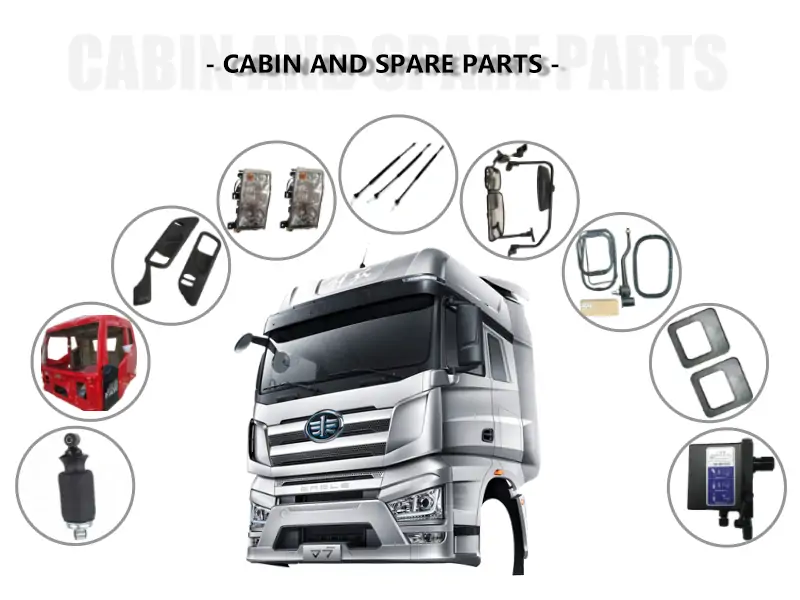
O Bloco de cilindro russo FAW não é apenas uma peça sobressalente; é a base estrutural da rentabilidade do seu camião. O seu design reflete uma profunda compreensão dos desafios colocados pelo clima russo, desde a fundição reforçada até as tecnologias de vedação especializadas. Cada componente, do massivo Cap de rolamento principal ao menor Pino cilíndrico, foi projetado para trabalhar em uníssono para resistir ao desgaste.
Seguindo os protocolos de manutenção descritos neste guia e usando apenas peças de reposição originais, os proprietários de frotas podem prolongar significativamente a vida útil dos seus veículos. Não comprometa com peças fundidas de reposição de qualidade inferior que não tenham a metalurgia específica do Bloco de cilindro russo FAW. Invista em qualidade, manter com precisão, e seu caminhão basculante FAW continuará a oferecer desempenho nos ambientes mais severos do planeta.
Embalagem e Logística
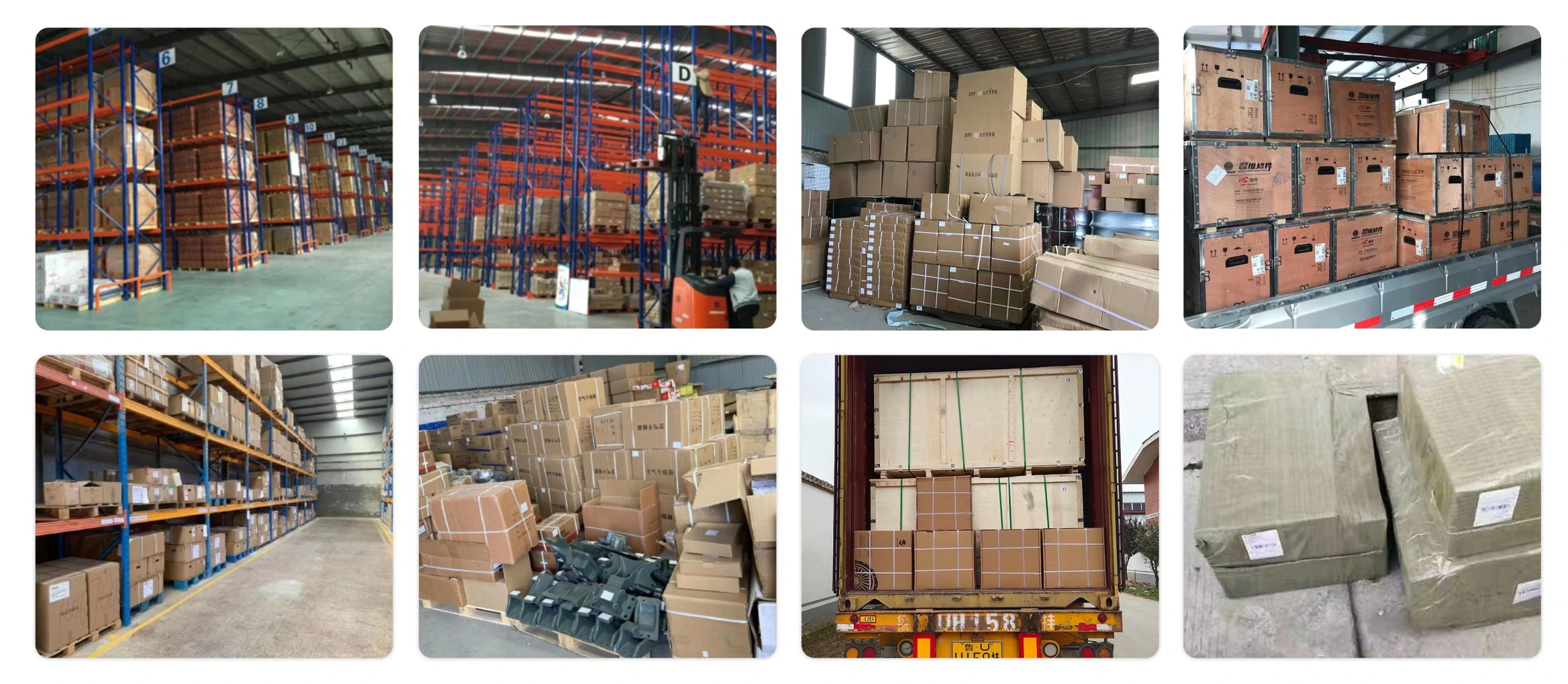
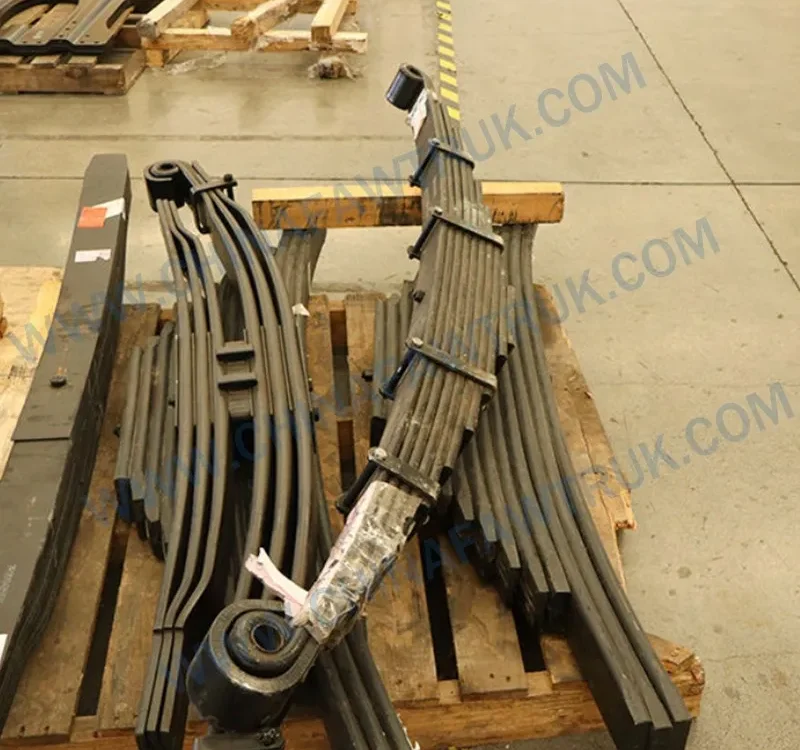
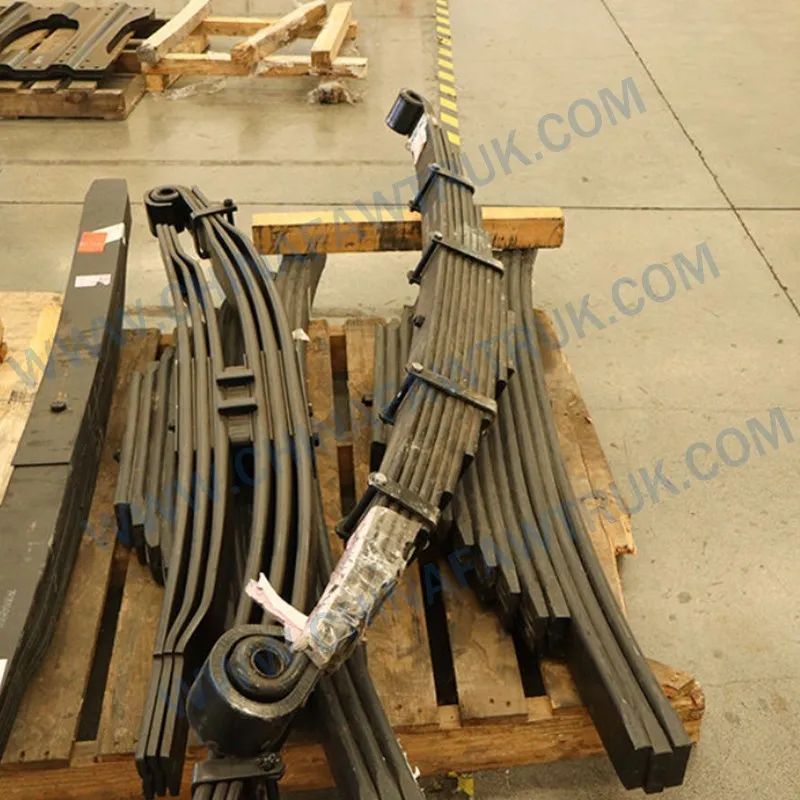
Peças FAW, incluindo o conjunto do bloco de cilindros, são embalados com cuidado para garantir uma entrega segura. Cada componente é protegido por materiais de proteção para evitar danos durante o transporte. A rede logística garante envios pontuais em todo o mundo, apoiando operações de manutenção eficientes. Abaixo está uma imagem ilustrando a embalagem padrão para peças de caminhão FAW, mostrando a atenção aos detalhes no manuseio e armazenamento.
Esta abordagem de embalagem minimiza o risco de corrosão ou danos por impacto, garantindo que peças como o conjunto do bloco de cilindros FAW cheguem em perfeitas condições. Os clientes podem confiar na logística da FAW para obter qualidade e confiabilidade consistentes.