Assemblage de tuyauterie russe FAW: 26 Composants stratégiques pour un flux ininterrompu de carburant dans l’Arctique
Le Assemblage de tuyauterie russe FAW représente le système circulatoire hydrodynamique du camion-benne lourd CA3250P66K24L1TE5Z. Conçu spécifiquement pour les latitudes extrêmes de la Fédération de Russie, ce réseau complexe de tuyaux, lignes rigides, et les interfaces du réservoir garantissent que le carburant diesel, l'élément vital du moteur, maintient une viscosité et une pression optimales du réservoir à la pompe d'injection.. Ce guide complet décortique la dynamique des fluides, la logique de retour anti-gélifiant, et l'architecture de montage robuste requise pour éviter une panne de carburant à des températures aussi basses que -40 °C..

Assemblage de tuyauterie russe FAW
Le circuit d'aspiration: Gestion des flux à haute viscosité
La fonction la plus critique du Assemblage de tuyauterie russe FAW gère le côté aspiration du système de carburant. Ceci est principalement géré par le Ensemble de tuyau d'admission – Réservoir à préfiltrer (Partie no. 1104120-58H) et la suite Ensemble de tuyau d'admission – Filtre vers la pompe de transfert (Partie no. 1104130-58H). Dans des conditions standards, le carburant diesel coule librement. Cependant, pendant l'hiver russe, la cire de paraffine en suspension dans le diesel commence à cristalliser, transformer le carburant en un gel non newtonien.
Le Assemblage de tuyauterie russe FAW résout ce problème en utilisant des canalisations de grand diamètre pour réduire la perte de charge par frottement. Si le diamètre du tuyau était trop petit, la pompe de relevage créerait un vide suffisamment fort pour effondrer un tuyau en caoutchouc standard ou provoquer une cavitation, où le carburant bout à basse pression, détruire la turbine de la pompe. Ces ensembles de tuyaux d'entrée sont renforcés par un fil en spirale interne ou des épines en polymère rigide pour résister à un vide poussé sans se déformer., assurant un débit continu même lorsque le carburant est épais.
En outre, le tracé de ces canalisations est stratégique. Ils sont positionnés de manière à éviter les points bas où l'eau (plus lourd que le diesel) pourrait s'installer et geler, créer un “bouchon de glace” cela bloquerait complètement la ligne. La composition matérielle des tuyaux dans le Assemblage de tuyauterie russe FAW est un composé de caoutchouc synthétique spécialisé résistant à l'agression chimique des mélanges modernes de diesel et de biodiesel à très faible teneur en soufre., ce qui peut dégrader moins de matériaux au fil du temps, entraînant une entrée d'air et une perte d'amorçage.
Le circuit de retour: Utiliser la chaleur comme outil
Le Ensemble de tuyau de retour – Moteur à vanne de commutation (Partie no. 1104250-41T) répond à un double objectif dans le Assemblage de tuyauterie russe FAW logique. Sa fonction principale est de renvoyer l'excès de carburant des injecteurs et de la rampe haute pression vers le réservoir.. Cependant, sa fonction secondaire est la gestion thermique. Le carburant diesel circulant dans le moteur absorbe une quantité importante de chaleur provenant de la culasse et du processus de pressurisation de l'injection..
En acheminant ce combustible chaud vers le Assemblage du réservoir diesel (Partie no. 1101010-55R-C00), le Assemblage de tuyauterie russe FAW transforme efficacement le réservoir de carburant en réservoir thermique. Ce flux de retour chaud contribue à augmenter la température globale du carburant en vrac dans le réservoir., faire fondre les cristaux de cire naissants et empêcher l'écran de ramassage de se boucher. Ce chauffage passif est un mécanisme de survie essentiel pour le camion lors des opérations long-courriers en Sibérie.
Pour faciliter cela, la logique de connexion utilise le Joint de banjo de carburant (Partie no. 1104351A11B) et le Boulon creux (Partie no. 1104061-11B). Ces connexions banjo permettent un profil bas, des jonctions à haut débit qui peuvent être tracées dans des espaces restreints sans plier les lignes. L'intégrité de ce circuit de retour est vitale; une fuite ici ne gaspille pas seulement du carburant, il libère de l'énergie thermique précieuse qui est nécessaire pour maintenir le système liquide.
Équilibre atmosphérique et fixation rigide
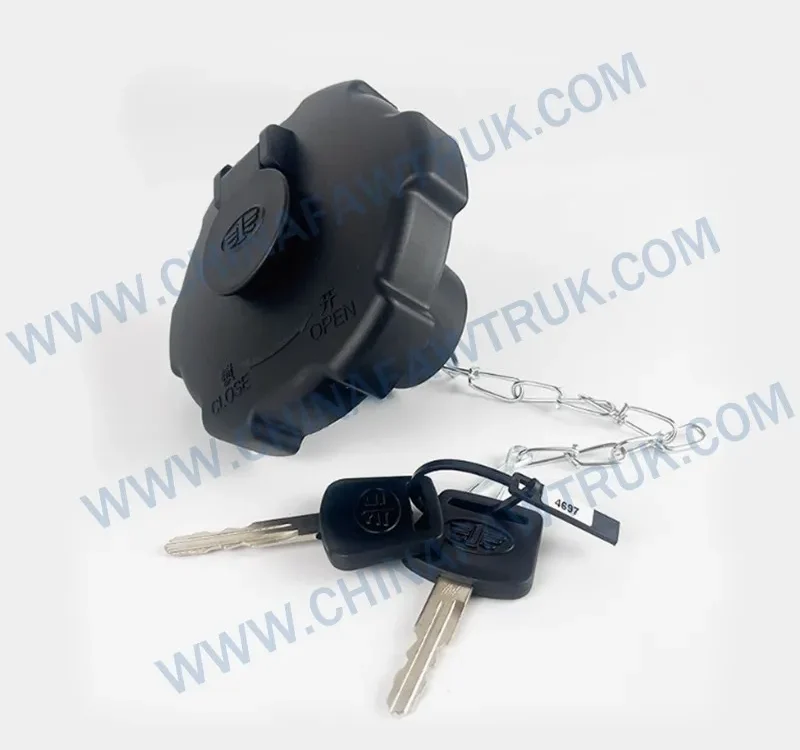
Pour le Assemblage de tuyauterie russe FAW fonctionner, le réservoir de carburant doit respirer. Comme le moteur consomme du carburant, le niveau de liquide baisse, créer un vide. Si non ventilé, ce vide finirait par maîtriser la pompe de relevage, affamer le moteur. Le Tuyau d'admission/d'échappement (Reniflard) (Partie no. 1104301-50UN) et le Ensemble de bouchon de réservoir de carburant (Partie no. 1103010-59UN) gérer ce différentiel de pression. Dans les conditions russes, le reniflard doit être conçu pour empêcher le givrage, ce qui scellerait le réservoir et entraînerait une implosion ou une panne de carburant.
Structurellement, le réservoir et sa tuyauterie associée sont sécurisés par le Assemblage de la sangle (Numéros de pièces. 1101130C50A/1101135C50A) et le Ensemble de support arrière (Partie no. 1101205C50A). L'interaction entre le réservoir et ces supports en acier est amortie par le Doublure – Sangle (Partie no. 1101134C50A) et Doublure – Support (Partie no. 1101117C50A). Ces doublures en caoutchouc font partie du Assemblage de tuyauterie russe FAW écosystème, fournissant une isolation vibratoire essentielle.
Sans ces doublures, la vibration harmonique du moteur diesel et les chocs de la route provenant du châssis du camion-benne feraient en sorte que les sangles en acier frottent contre le réservoir en aluminium ou en acier., finalement scier le mur et provoquer une fuite catastrophique. Le Assemblage de tuyauterie russe FAW s'appuie sur le duromètre spécifique (dureté) de ces revêtements pour maintenir l'adhérence sur le réservoir sans devenir cassant et se fissurer par grand froid.
La science du scellement: Rondelles et boulons
La performance sans fuite du Assemblage de tuyauterie russe FAW dépend de la qualité de ses plus petits composants: le Laveuse de scellage (Partie no. CQ72318T5). FAW utilise des rondelles d'écrasement en cuivre ou en aluminium pour ces connexions. Quand le Boulon creux est serré, la rondelle se déforme légèrement, combler les imperfections microscopiques de la surface du raccord banjo et du corps de pompe.
Ce joint métal sur métal est supérieur aux joints toriques en caoutchouc dans cette application car il est imperméable aux cycles thermiques.. Les joints en caoutchouc peuvent rétrécir au froid, conduisant à des fuites, tandis qu'une rondelle en cuivre correctement serrée maintient son étanchéité quelle que soit la température. Cependant, ces rondelles durcissent lors de la compression. Les réutiliser dans le Assemblage de tuyauterie russe FAW est une erreur critique, car ils ne se déformeront pas une seconde fois, conduisant à des fuites suintantes persistantes qui attirent la poussière et créent un risque d'incendie.
Les attaches elles-mêmes, comme le Boulon de bride hexadécimal (Partie no. Q1841445T) et le Goupille à tête plate (Partie no. Q5101485), sont recouverts de traitements aux flocons de zinc ou au phosphate. Cette protection contre la corrosion est essentielle pour le Assemblage de tuyauterie russe FAW, qui repose bas sur le châssis et est constamment bombardé de brouillard salin et de gravier. Un boulon grippé peut transformer un simple changement de filtre ou un remplacement de tuyau en une réparation majeure nécessitant un chalumeau coupant et un perçage..
Liste de répartition des composants
Le tableau suivant fournit la nomenclature exhaustive pour le Assemblage de tuyauterie russe FAW et module de réservoir de carburant. Chaque sangle, boulon, rondelle, et le tuyau est répertorié pour garantir une restauration complète des spécifications d'usine du système.
| Non. |
Numéro de pièce |
Nom de la pièce |
Quantité |
| 1 |
3806041-61B |
Plaque de limite du capteur de niveau de carburant |
1 |
| 2 |
3724015-240 |
Ensemble d'attaches de câble en plastique |
6 |
| 3 |
1104250-41T |
Ensemble de tuyau de retour – Moteur à vanne de commutation |
1 |
| 4 |
1104130-58H |
Ensemble de tuyau d'admission – Filtre vers la pompe de transfert |
1 |
| 5 |
1104301-50UN |
Tuyau d'admission/d'échappement (Reniflard) |
1 |
| 6 |
1104120-58H |
Ensemble de tuyau d'admission – Réservoir à préfiltrer |
1 |
| 7 |
CQ34012 |
Écrou hexagonal |
4 |
| 8 |
Q40112 |
Machine à laver |
2 |
| 9 |
Q5101485 |
Goupille à tête plate |
2 |
| 10 |
Q40114 |
Machine à laver |
4 |
| 11 |
Q5004030 |
Goupille fendue |
2 |
| 12 |
1101130C50A |
Assemblage de la sangle – Réservoir à carburant |
1 |
| 13 |
1101135C50A |
Assemblage de la sangle – Réservoir à carburant |
1 |
| 14 |
1101134C50A |
Doublure – Sangle |
2 |
| 15 |
1101010-55R-C00 |
Assemblage du réservoir diesel (avec capteur de niveau) |
1 |
| 16 |
1103010-59UN |
Ensemble de bouchon de réservoir de carburant |
1 |
| 17 |
1101117C50A |
Doublure – Support |
2 |
| 18 |
1101205C50A |
Ensemble de support arrière – Réservoir à carburant |
2 |
| 19 |
Q1841445T |
Boulon de bride hexadécimal (Queue grossière/standard) |
4 |
| 20 |
Q1841455T |
Boulon de bride hexadécimal |
2 |
| 15-1 |
1101015-63U-C00 |
Sous-ensemble de réservoir diesel |
1 |
| 15-2 |
3806040-55R. |
Ensemble de capteur de carburant |
1 |
| 15-3 |
1104450-11B |
Ensemble de tuyau de carburant |
1 |
| 15-4 |
CQ72318T5 |
Laveuse de scellage |
6 |
| 15-5 |
1104351A11B |
Joint de banjo de carburant |
2 |
| 15-6 |
1104061-11B |
Boulon creux |
2 |
Protocoles de diagnostic pour le débit et le confinement
Inspecter le Assemblage de tuyauterie russe FAW nécessite une approche systématique, à partir du Ensemble de tuyau d'admission – Réservoir à préfiltrer. Vérifiez tout signe d'effondrement ou de torsion dans les sections de tuyau.. Un tuyau effondré, souvent causé par un reniflard de réservoir bloqué, simulera un filtre bouché, conduisant à une perte de puissance. Passez la main sous les tuyaux pour vérifier l'humidité ou l'abrasion à l'endroit où ils passent à travers les traverses du châssis..
Examinez le Joint de banjo de carburant raccordements au réservoir et à la pompe de relevage. Les infiltrations agissent ici comme un aimant pour la poussière, créer une humidité, tache sale. Même si un petit suintement ne coule pas sur le sol, il permet à l'air de pénétrer dans le système lorsque le moteur est arrêté, menant à un démarrage difficile. Le serrage du Boulon creux légèrement peut guérir la fuite, mais en remplaçant le Rondelles d'étanchéité est la seule solution permanente.
Enfin, vérifier l'intégrité du Assemblage de la sangle – Réservoir à carburant. Tapotez les sangles avec un maillet; ils devraient avoir l'air solides. Un bruit sourd ou un mouvement visible indique que la sangle s'est étirée ou que le Doublure – Sangle a compressé. Le resserrage des écrous de sangle selon les spécifications d'usine est essentiel pour empêcher le réservoir de bouger et de stresser les conduites de carburant rigides connectées au Ensemble de capteur de carburant.
Conclusion: Les artères de l'Arctique
Le Assemblage de tuyauterie russe FAW c'est bien plus que de la plomberie; il s'agit d'un système sophistiqué de gestion des fluides conçu pour relever les défis du fonctionnement du diesel dans l'Arctique. De la logique de recirculation thermique des canalisations de retour à l'architecture de montage robuste des sangles de cuve, chaque composant est conçu pour la fiabilité.
Pour les propriétaires de flotte, le maintien de ce système est essentiel. Un seul tuyau fissuré ou un boulon banjo desserré peut immobiliser un camion dans des conditions dangereuses.. En utilisant des pièces de rechange d'origine FAW, comprenant les durites spécifiques grand froid et les rondelles d'étanchéité en cuivre, vous vous assurez que votre CA3250P66K24L1TE5Z continue de fournir du carburant et des bénéfices, quelle que soit la baisse de température..
Emballage et logistique
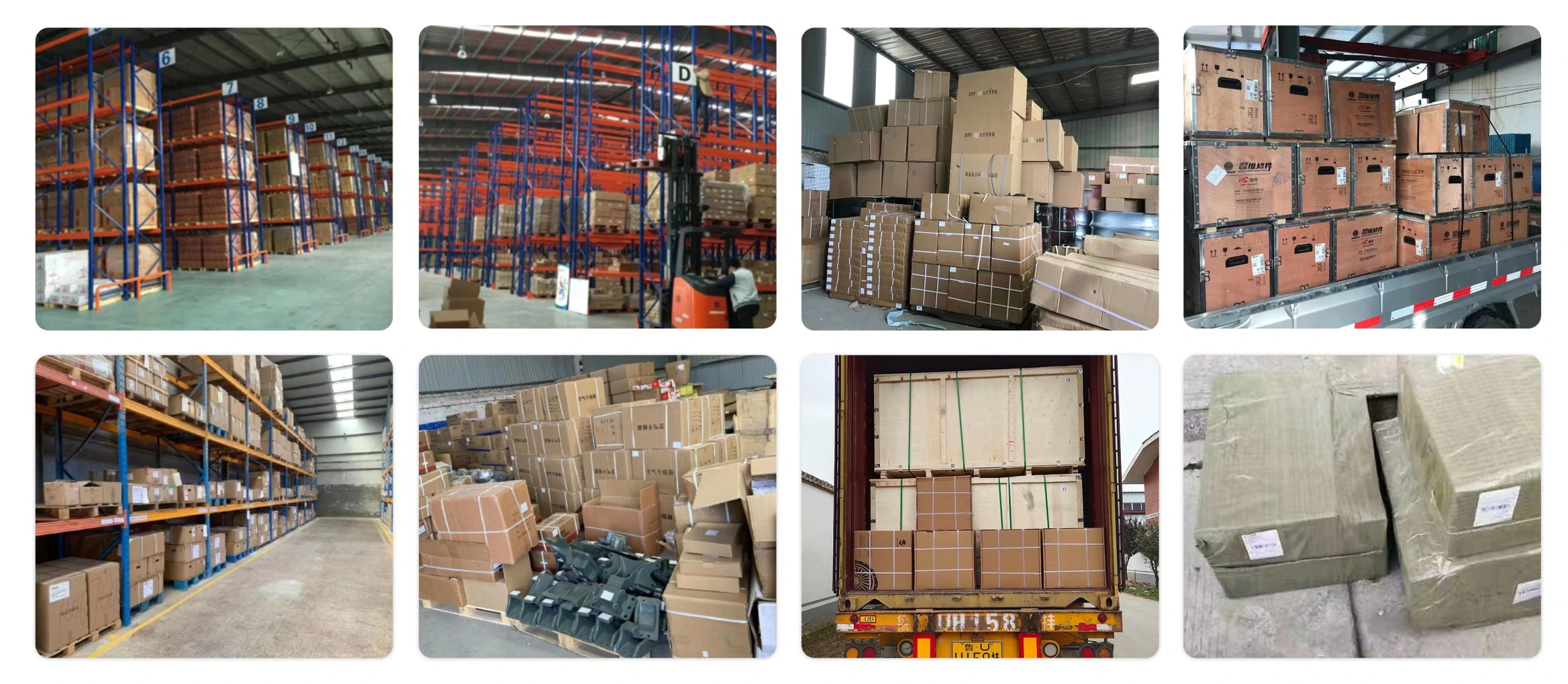
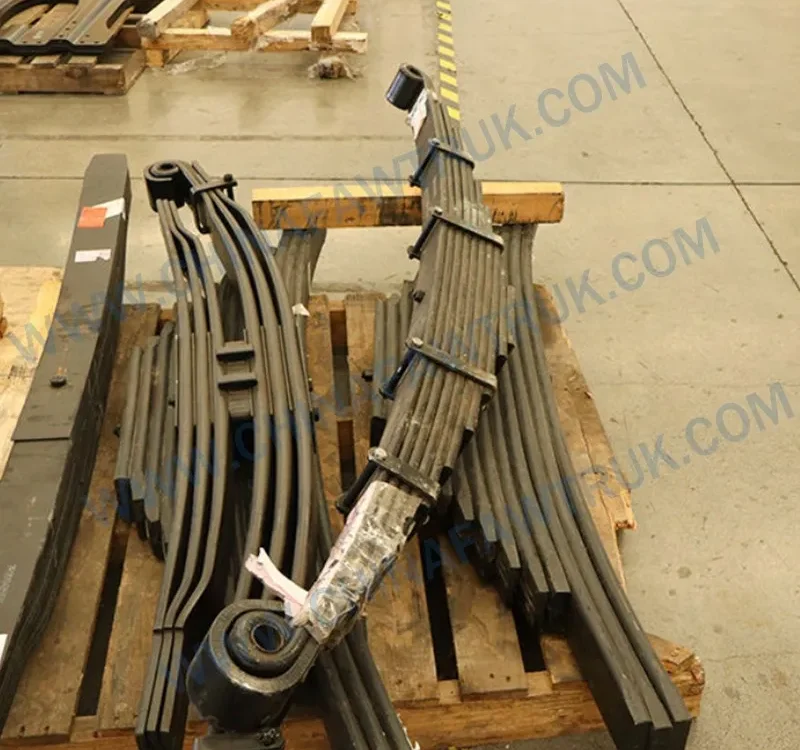
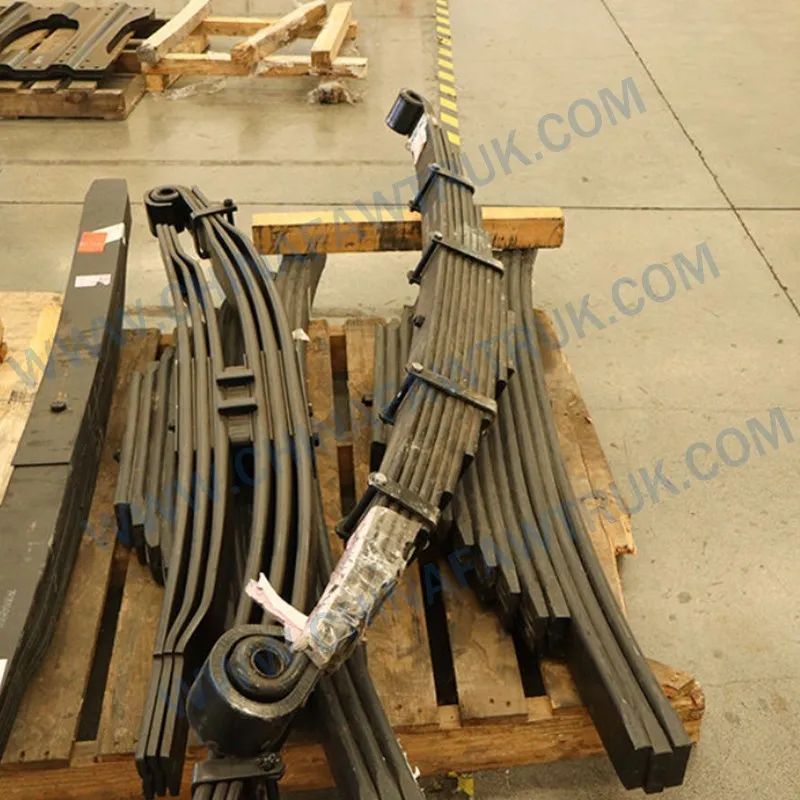
Pièces FAW, y compris l'ensemble bloc-cylindres, sont emballés avec soin pour garantir une livraison en toute sécurité. Chaque composant est sécurisé dans des matériaux de protection pour éviter tout dommage pendant le transport. Le réseau logistique garantit des expéditions ponctuelles dans le monde entier, soutenir des opérations de maintenance efficaces. Vous trouverez ci-dessous une image illustrant l'emballage standard des pièces de camion FAW., mettant en valeur l’attention portée aux détails dans la manipulation et le stockage.
Cette approche d'emballage minimise le risque de corrosion ou de dommages causés par les chocs., s'assurer que les pièces comme l'ensemble bloc-cylindres FAW arrivent en parfait état. Les clients peuvent compter sur la logistique de FAW pour une qualité et une fiabilité constantes.