FAW Russian Piping Assembly: 26 Strategic Components for Uninterrupted Arctic Fuel Flow
The FAW Russian Piping Assembly represents the hydrodynamic circulatory system of the CA3250P66K24L1TE5Z heavy-duty dump truck. Engineered specifically for the extreme latitudes of the Russian Federation, this complex network of hoses, rigid lines, and reservoir interfaces ensures that diesel fuel—the lifeblood of the engine—maintains optimal viscosity and pressure from the tank to the injection pump. This comprehensive guide dissects the fluid dynamics, the anti-gelling return logic, and the robust mounting architecture required to prevent fuel starvation in temperatures as low as -40°C.

FAW Russian Piping Assembly
The Suction Circuit: Managing High-Viscosity Flow
The most critical function of the FAW Russian Piping Assembly is managing the suction side of the fuel system. This is primarily handled by the Inlet Pipe Assembly – Tank to Prefilter (Part No. 1104120-58H) and the subsequent Inlet Pipe Assembly – Filter to Transfer Pump (Part No. 1104130-58H). In standard conditions, diesel fuel flows freely. However, in the Russian winter, paraffin wax suspended in the diesel begins to crystallize, turning the fuel into a non-Newtonian gel.
The FAW Russian Piping Assembly addresses this by utilizing large-diameter piping to reduce frictional head loss. If the pipe diameter were too small, the lift pump would create a vacuum strong enough to collapse a standard rubber hose or cause cavitation, where the fuel boils at low pressure, destroying the pump impeller. These inlet pipe assemblies are reinforced with internal spiral wire or rigid polymer spines to withstand high vacuum without deforming, ensuring continuous flow even when the fuel is thick.
Furthermore, the routing of these pipes is strategic. They are positioned to avoid low spots where water (heavier than diesel) could settle and freeze, creating an “ice plug” that would block the line entirely. The material composition of the hoses in the FAW Russian Piping Assembly is a specialized synthetic rubber compound resistant to the chemical aggression of modern ultra-low sulfur diesel and biodiesel blends, which can degrade lesser materials over time, leading to air ingress and loss of prime.
The Return Circuit: Using Heat as a Tool
The Return Pipe Assembly – Engine to Changeover Valve (Part No. 1104250-41T) serves a dual purpose in the FAW Russian Piping Assembly logic. Its primary function is to return excess fuel from the injectors and the high-pressure rail back to the tank. However, its secondary function is thermal management. Diesel fuel circulating through the engine absorbs significant heat from the cylinder head and the injection pressurization process.
By routing this warm fuel back into the Diesel Tank Assembly (Part No. 1101010-55R-C00), the FAW Russian Piping Assembly effectively turns the fuel tank into a thermal reservoir. This warm return flow helps to raise the overall temperature of the bulk fuel in the tank, melting nascent wax crystals and preventing the pickup screen from clogging. This passive heating is a critical survival mechanism for the truck during long-haul operations in Siberia.
To facilitate this, the connection logic employs the Fuel Banjo Joint (Part No. 1104351A11B) and the Hollow Bolt (Part No. 1104061-11B). These banjo connections allow for low-profile, high-flow junctions that can be routed in tight spaces without kinking the lines. The integrity of this return circuit is vital; a leak here doesn’t just waste fuel, it bleeds valuable heat energy that is needed to keep the system liquid.
Atmospheric Equilibrium and Rigid Fixation
For the FAW Russian Piping Assembly to function, the fuel tank must breathe. As the engine consumes fuel, the liquid level drops, creating a vacuum. If not vented, this vacuum would eventually overpower the lift pump, starving the engine. The Intake/Exhaust Pipe (Breather) (Part No. 1104301-50A) and the Fuel Tank Cap Assembly (Part No. 1103010-59A) manage this pressure differential. In Russian conditions, the breather must be designed to prevent icing, which would seal the tank and lead to implosion or fuel starvation.
Structurally, the tank and its associated piping are secured by the Strap Assembly (Part Nos. 1101130C50A/1101135C50A) and the Rear Bracket Assembly (Part No. 1101205C50A). The interaction between the tank and these steel supports is cushioned by the Liner – Strap (Part No. 1101134C50A) and Liner – Bracket (Part No. 1101117C50A). These rubber liners are part of the FAW Russian Piping Assembly ecosystem, providing essential vibration isolation.
Without these liners, the harmonic vibration of the diesel engine and the road shocks from the dump truck chassis would cause the steel straps to fret against the aluminum or steel tank, eventually sawing through the wall and causing a catastrophic leak. The FAW Russian Piping Assembly relies on the specific durometer (hardness) of these liners to maintain grip on the tank without becoming brittle and cracking in the extreme cold.
The Science of Sealing: Washers and Bolts
The leak-free performance of the FAW Russian Piping Assembly hinges on the quality of its smallest components: the Sealing Washer (Part No. CQ72318T5). FAW utilizes copper or aluminum crush washers for these connections. When the Hollow Bolt is torqued, the washer deforms slightly, filling the microscopic surface imperfections of the banjo fitting and the pump housing.
This metal-to-metal seal is superior to rubber O-rings in this application because it is impervious to thermal cycling. Rubber seals can shrink in the cold, leading to leaks, whereas a properly torqued copper washer maintains its seal regardless of the temperature. However, these washers work-harden upon compression. Reusing them in the FAW Russian Piping Assembly is a critical error, as they will not deform a second time, leading to persistent weeping leaks that attract dust and create a fire hazard.
The fasteners themselves, such as the Hex Flange Bolt (Part No. Q1841445T) and the Flat Head Pin (Part No. Q5101485), are coated with zinc-flake or phosphate treatments. This corrosion protection is essential for the FAW Russian Piping Assembly, which sits low on the chassis and is constantly bombarded by salt spray and gravel. A seized bolt can turn a simple filter change or hose replacement into a major repair requiring cutting torches and drilling.
Component Breakdown List
The following table provides the exhaustive Bill of Materials for the FAW Russian Piping Assembly and Fuel Tank Module. Every strap, bolt, washer, and pipe is listed to ensure complete restoration of the system’s factory specifications.
| No. |
Part Number |
Part Name |
Qty |
| 1 |
3806041-61B |
Fuel Level Sensor Limit Plate |
1 |
| 2 |
3724015-240 |
Plastic Cable Tie Assembly |
6 |
| 3 |
1104250-41T |
Return Pipe Assembly – Engine to Changeover Valve |
1 |
| 4 |
1104130-58H |
Inlet Pipe Assembly – Filter to Transfer Pump |
1 |
| 5 |
1104301-50A |
Intake/Exhaust Pipe (Breather) |
1 |
| 6 |
1104120-58H |
Inlet Pipe Assembly – Tank to Prefilter |
1 |
| 7 |
CQ34012 |
Hex Nut |
4 |
| 8 |
Q40112 |
Washer |
2 |
| 9 |
Q5101485 |
Flat Head Pin |
2 |
| 10 |
Q40114 |
Washer |
4 |
| 11 |
Q5004030 |
Cotter Pin |
2 |
| 12 |
1101130C50A |
Strap Assembly – Fuel Tank |
1 |
| 13 |
1101135C50A |
Strap Assembly – Fuel Tank |
1 |
| 14 |
1101134C50A |
Liner – Strap |
2 |
| 15 |
1101010-55R-C00 |
Diesel Tank Assembly (with Level Sensor) |
1 |
| 16 |
1103010-59A |
Fuel Tank Cap Assembly |
1 |
| 17 |
1101117C50A |
Liner – Bracket |
2 |
| 18 |
1101205C50A |
Rear Bracket Assembly – Fuel Tank |
2 |
| 19 |
Q1841445T |
Hex Flange Bolt (Coarse Shank/Standard) |
4 |
| 20 |
Q1841455T |
Hex Flange Bolt |
2 |
| 15-1 |
1101015-63U-C00 |
Diesel Tank Sub-assembly |
1 |
| 15-2 |
3806040-55R |
Fuel Sensor Assembly |
1 |
| 15-3 |
1104450-11B |
Fuel Pipe Assembly |
1 |
| 15-4 |
CQ72318T5 |
Sealing Washer |
6 |
| 15-5 |
1104351A11B |
Fuel Banjo Joint |
2 |
| 15-6 |
1104061-11B |
Hollow Bolt |
2 |
Diagnostic Protocols for Flow and Containment
Inspecting the FAW Russian Piping Assembly requires a systematic approach, starting at the Inlet Pipe Assembly – Tank to Prefilter. Check for any signs of collapse or kinking in the hose sections. A collapsed hose, often caused by a blocked tank breather, will simulate a clogged filter, leading to power loss. Run a hand along the underside of the pipes to check for wetness or abrasion where they pass through chassis cross-members.
Examine the Fuel Banjo Joint connections at the tank and lift pump. Seepage here acts as a magnet for dust, creating a damp, dirty patch. While a small seep might not drip on the ground, it allows air to enter the system when the engine is off, leading to hard starting. Tightening the Hollow Bolt slightly may cure the leak, but replacing the Sealing Washers is the only permanent fix.
Finally, verify the integrity of the Strap Assembly – Fuel Tank. Tap the straps with a mallet; they should sound solid. A dull thud or visible movement indicates the strap has stretched or the Liner – Strap has compressed. Retightening the strap nuts to the factory specification is essential to prevent the tank from shifting and stressing the rigid fuel lines connected to the Fuel Sensor Assembly.
Conclusion: The Arteries of the Arctic
The FAW Russian Piping Assembly is more than just plumbing; it is a sophisticated fluid management system designed to defeat the challenges of Arctic diesel operation. From the thermal recirculation logic of the return pipes to the robust mounting architecture of the tank straps, every component is engineered for reliability.
For fleet owners, maintaining this system is critical. A single cracked hose or loose banjo bolt can immobilize a truck in dangerous conditions. By using genuine FAW replacement parts, including the specific cold-weather hoses and copper sealing washers, you ensure that your CA3250P66K24L1TE5Z continues to deliver fuel—and profit—regardless of how low the temperature drops.
Packaging and Logistics
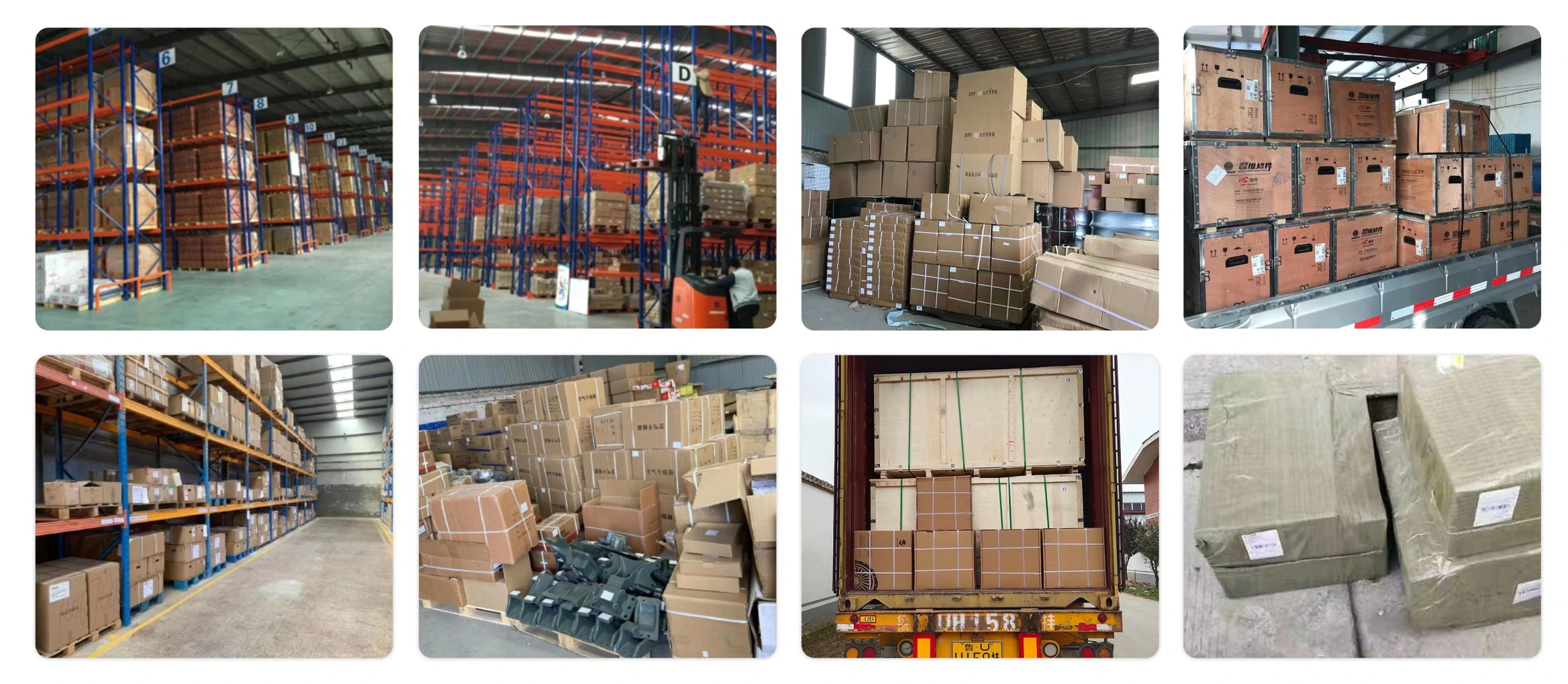
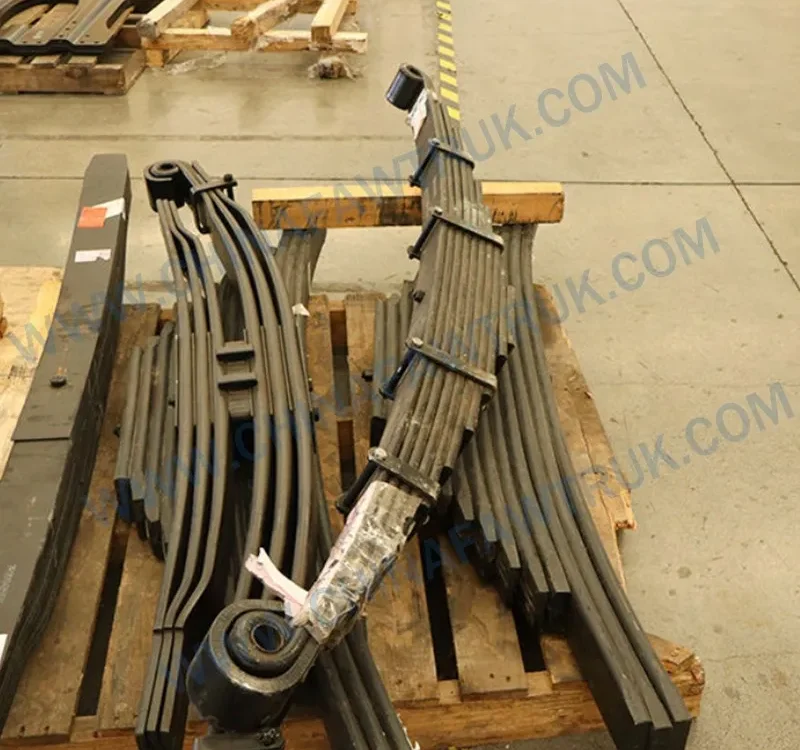
FAW parts, including the Cylinder Block Assembly, are packaged with care to ensure safe delivery. Each component is secured in protective materials to prevent damage during transit. The logistics network guarantees timely shipments worldwide, supporting efficient maintenance operations. Below is an image illustrating the standard packaging for FAW truck parts, showcasing the attention to detail in handling and storage.
This packaging approach minimizes the risk of corrosion or impact damage, ensuring that parts like the FAW Cylinder Block Assembly arrive in perfect condition. Customers can rely on FAW’s logistics for consistent quality and reliability.