Conjunto de tuberías rusas FAW: 26 Componentes estratégicos para el flujo ininterrumpido de combustible en el Ártico
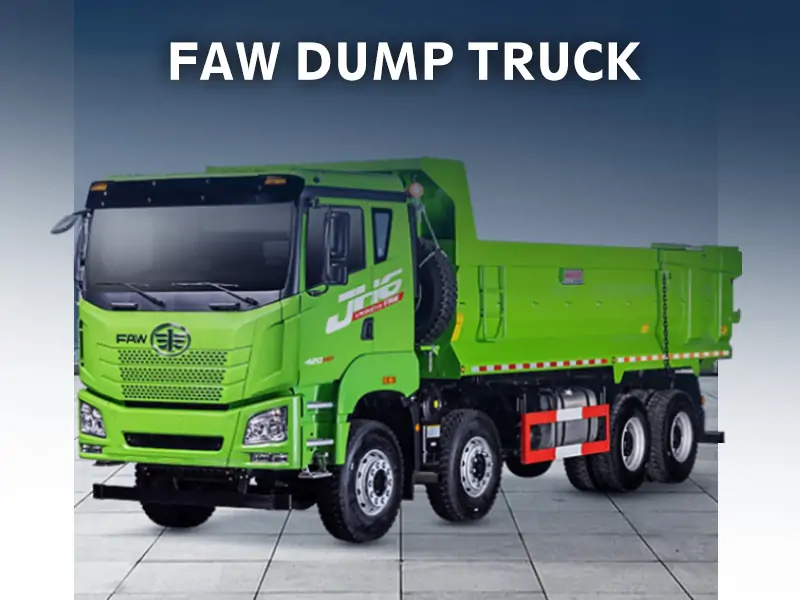
El Conjunto de tuberías rusas FAW representa el sistema circulatorio hidrodinámico del camión volquete de servicio pesado CA3250P66K24L1TE5Z. Diseñado específicamente para las latitudes extremas de la Federación Rusa, esta compleja red de mangueras, líneas rígidas, y las interfaces del depósito garantizan que el combustible diésel, el elemento vital del motor, mantenga una viscosidad y presión óptimas desde el tanque hasta la bomba de inyección.. Esta guía completa analiza la dinámica de fluidos., la lógica del retorno anti-gelificante, y la robusta arquitectura de montaje necesaria para evitar la falta de combustible en temperaturas tan bajas como -40°C.

Conjunto de tuberías rusas FAW
El circuito de succión: Gestión del flujo de alta viscosidad
La función más crítica del Conjunto de tuberías rusas FAW está gestionando el lado de succión del sistema de combustible. Esto es manejado principalmente por el Conjunto de tubería de entrada – Tanque a prefiltro (Número de pieza. 1104120-58h) y el posterior Conjunto de tubería de entrada – Filtro a bomba de transferencia (Número de pieza. 1104130-58h). En condiciones estándar, el combustible diesel fluye libremente. Sin embargo, en el invierno ruso, La parafina suspendida en el diésel comienza a cristalizar., convertir el combustible en un gel no newtoniano.
El Conjunto de tuberías rusas FAW soluciona esto utilizando tuberías de gran diámetro para reducir la pérdida de carga por fricción. Si el diámetro de la tubería fuera demasiado pequeño, la bomba de elevación crearía un vacío lo suficientemente fuerte como para colapsar una manguera de goma estándar o causar cavitación, donde el combustible hierve a baja presión, destruyendo el impulsor de la bomba. Estos conjuntos de tuberías de entrada están reforzados con alambre en espiral interno o espinas de polímero rígido para soportar un alto vacío sin deformarse., asegurando un flujo continuo incluso cuando el combustible es espeso.
Además, El trazado de estas tuberías es estratégico.. Están colocados para evitar puntos bajos donde el agua (más pesado que el diésel) podría asentarse y congelarse, creando un “tapón de hielo” eso bloquearía la línea por completo. La composición del material de las mangueras en el Conjunto de tuberías rusas FAW Es un compuesto de caucho sintético especializado resistente a la agresión química de las modernas mezclas de diésel y biodiésel con contenido ultra bajo de azufre., que puede degradar materiales menores con el tiempo, lo que provoca la entrada de aire y la pérdida de cebado..
El circuito de regreso: Usar el calor como herramienta
El Conjunto de tubería de retorno – Motor a válvula de cambio (Número de pieza. 1104250-41t) cumple un doble propósito en la Conjunto de tuberías rusas FAW lógica. Su función principal es devolver el exceso de combustible de los inyectores y el riel de alta presión al tanque.. Sin embargo, su función secundaria es la gestión térmica. El combustible diésel que circula por el motor absorbe una cantidad significativa de calor de la culata y del proceso de presurización de la inyección..
Al dirigir este combustible caliente de regreso al Conjunto de tanque diésel (Número de pieza. 1101010-55R-C00), el Conjunto de tuberías rusas FAW convierte efectivamente el tanque de combustible en un depósito térmico. Este flujo de retorno cálido ayuda a elevar la temperatura general del combustible a granel en el tanque., derretir los cristales de cera nacientes y evitar que la pantalla de recogida se obstruya. Esta calefacción pasiva es un mecanismo de supervivencia fundamental para el camión durante operaciones de larga distancia en Siberia..
Para facilitar esto, La lógica de conexión emplea el Junta de banjo de combustible (Número de pieza. 1104351A11B) y el Perno hueco (Número de pieza. 1104061-11B). Estas conexiones de banjo permiten un perfil bajo., Uniones de alto flujo que se pueden enrutar en espacios reducidos sin torcer las líneas.. La integridad de este circuito de retorno es vital.; una fuga aquí no sólo desperdicia combustible, Purga la valiosa energía térmica que se necesita para mantener el sistema líquido..
Equilibrio atmosférico y fijación rígida
Para el Conjunto de tuberías rusas FAW funcionar, el tanque de combustible debe respirar. Como el motor consume combustible, el nivel del liquido baja, creando un vacío. Si no está ventilado, este vacío eventualmente dominaría la bomba de elevación, hacer morir de hambre el motor. El Tubo de admisión/escape (Descanso) (Número de pieza. 1104301-50A) y el Conjunto de tapa del tanque de combustible (Número de pieza. 1103010-59A) gestionar este diferencial de presión. En condiciones rusas, El respiradero debe estar diseñado para evitar la formación de hielo., lo que sellaría el tanque y provocaría una implosión o falta de combustible..
estructuralmente, El tanque y sus tuberías asociadas están asegurados por el Conjunto de correa (Números de pieza. 1101130C50A/1101135C50A) y el Conjunto de soporte trasero (Número de pieza. 1101205C50A). La interacción entre el tanque y estos soportes de acero está amortiguada por el Transatlántico – Correa (Número de pieza. 1101134C50A) y Transatlántico – Soporte (Número de pieza. 1101117C50A). Estos revestimientos de goma son parte del Conjunto de tuberías rusas FAW ecosistema, proporcionando aislamiento de vibraciones esencial.
Sin estos revestimientos, La vibración armónica del motor diésel y los golpes del chasis del camión volquete provocarían que las correas de acero rozaran el tanque de aluminio o acero., finalmente atravesó la pared y provocó una fuga catastrófica. El Conjunto de tuberías rusas FAW depende del durómetro específico (dureza) de estos revestimientos para mantener el agarre en el tanque sin volverse quebradizos ni agrietarse en el frío extremo.
La ciencia del sellado: Arandelas y pernos
El rendimiento sin fugas del Conjunto de tuberías rusas FAW depende de la calidad de sus componentes más pequeños: el Lavadora de sellado (Número de pieza. CQ72318T5). FAW utiliza arandelas de cobre o aluminio para estas conexiones.. cuando el Perno hueco está torcido, la lavadora se deforma ligeramente, Rellenar las imperfecciones microscópicas de la superficie del conector banjo y la carcasa de la bomba..
Este sello de metal con metal es superior a las juntas tóricas de caucho en esta aplicación porque es resistente a los ciclos térmicos.. Las juntas de goma pueden encogerse con el frío, conduciendo a fugas, mientras que una arandela de cobre correctamente apretada mantiene su sello independientemente de la temperatura. Sin embargo, Estas arandelas se endurecen al comprimirse.. Reutilizándolos en el Conjunto de tuberías rusas FAW es un error critico, ya que no se deformarán una segunda vez, lo que lleva a fugas persistentes que atraen polvo y crean un riesgo de incendio..
Los propios sujetadores, como el Perno de brida hexadecimal (Número de pieza. Q1841445T) y el Pasador de cabeza plana (Número de pieza. Q5101485), Están recubiertos con tratamientos de escamas de zinc o fosfato.. Esta protección contra la corrosión es esencial para la Conjunto de tuberías rusas FAW, que se encuentra en la parte baja del chasis y es constantemente bombardeado por niebla salina y grava. Un perno atascado puede convertir un simple cambio de filtro o reemplazo de manguera en una reparación importante que requiere sopletes y perforaciones..
Lista de desglose de componentes
La siguiente tabla proporciona la lista de materiales exhaustiva para el Conjunto de tuberías rusas FAW y módulo de tanque de combustible. Cada correa, tornillo, lavadora, y la tubería está listada para garantizar la restauración completa de las especificaciones de fábrica del sistema..
| No. |
Número de pieza |
Nombre de la pieza |
Cantidad |
| 1 |
3806041-61B |
Placa de límite del sensor de nivel de combustible |
1 |
| 2 |
3724015-240 |
Conjunto de bridas de plástico para cables |
6 |
| 3 |
1104250-41t |
Conjunto de tubería de retorno – Motor a válvula de cambio |
1 |
| 4 |
1104130-58h |
Conjunto de tubería de entrada – Filtro a bomba de transferencia |
1 |
| 5 |
1104301-50A |
Tubo de admisión/escape (Descanso) |
1 |
| 6 |
1104120-58h |
Conjunto de tubería de entrada – Tanque a prefiltro |
1 |
| 7 |
CQ34012 |
Nuez hexagonal |
4 |
| 8 |
Q40112 |
Lavadora |
2 |
| 9 |
Q5101485 |
Pasador de cabeza plana |
2 |
| 10 |
Q40114 |
Lavadora |
4 |
| 11 |
Q5004030 |
Pasador |
2 |
| 12 |
1101130C50A |
Conjunto de correa – Tanque de combustible |
1 |
| 13 |
1101135C50A |
Conjunto de correa – Tanque de combustible |
1 |
| 14 |
1101134C50A |
Transatlántico – Correa |
2 |
| 15 |
1101010-55R-C00 |
Conjunto de tanque diésel (con sensor de nivel) |
1 |
| 16 |
1103010-59A |
Conjunto de tapa del tanque de combustible |
1 |
| 17 |
1101117C50A |
Transatlántico – Soporte |
2 |
| 18 |
1101205C50A |
Conjunto de soporte trasero – Tanque de combustible |
2 |
| 19 |
Q1841445T |
Perno de brida hexadecimal (Vástago grueso/estándar) |
4 |
| 20 |
Q1841455T |
Perno de brida hexadecimal |
2 |
| 15-1 |
1101015-63U-C00 |
Subconjunto del tanque de diésel |
1 |
| 15-2 |
3806040-55R |
Conjunto del sensor de combustible |
1 |
| 15-3 |
1104450-11B |
Conjunto de tubería de combustible |
1 |
| 15-4 |
CQ72318T5 |
Lavadora de sellado |
6 |
| 15-5 |
1104351A11B |
Junta de banjo de combustible |
2 |
| 15-6 |
1104061-11B |
Perno hueco |
2 |
Protocolos de diagnóstico para flujo y contención
inspeccionando el Conjunto de tuberías rusas FAW requiere un enfoque sistemático, comenzando en el Conjunto de tubería de entrada – Tanque a prefiltro. Verifique si hay signos de colapso o torceduras en las secciones de la manguera.. Una manguera colapsada, a menudo causado por un respiradero del tanque bloqueado, simulará un filtro obstruido, lo que lleva a la pérdida de energía. Pase una mano por la parte inferior de los tubos para comprobar si hay humedad o abrasión en el lugar donde pasan a través de los travesaños del chasis..
Examinar el Junta de banjo de combustible Conexiones en el tanque y bomba de elevación.. La filtración aquí actúa como un imán para el polvo., creando una humedad, parche sucio. Si bien es posible que una pequeña filtración no gotee en el suelo, Permite que entre aire al sistema cuando el motor está apagado., lo que lleva a un comienzo difícil. Apretando el Perno hueco ligeramente puede curar la fuga, pero reemplazando el Arandelas de sellado es la única solución permanente.
Finalmente, verificar la integridad del Conjunto de correa – Tanque de combustible. Golpea las correas con un mazo.; deberían sonar sólidos. Un golpe sordo o un movimiento visible indica que la correa se ha estirado o que el Transatlántico – Correa ha comprimido. Es esencial volver a apretar las tuercas de la correa según las especificaciones de fábrica para evitar que el tanque se mueva y fuerce las líneas rígidas de combustible conectadas al Conjunto del sensor de combustible.
Conclusión: Las arterias del Ártico
El Conjunto de tuberías rusas FAW es más que solo plomería; Es un sofisticado sistema de gestión de fluidos diseñado para superar los desafíos del funcionamiento del diésel en el Ártico.. Desde la lógica de recirculación térmica de las tuberías de retorno hasta la robusta arquitectura de montaje de las correas del tanque, Cada componente está diseñado para brindar confiabilidad..
Para propietarios de flotas, Mantener este sistema es fundamental.. Una sola manguera rota o un perno banjo flojo pueden inmovilizar un camión en condiciones peligrosas.. Utilizando piezas de repuesto originales FAW, incluidas las mangueras específicas para clima frío y las arandelas de sellado de cobre, usted se asegura de que su CA3250P66K24L1TE5Z continúe entregando combustible y ganancias, independientemente de cuán baja baje la temperatura..
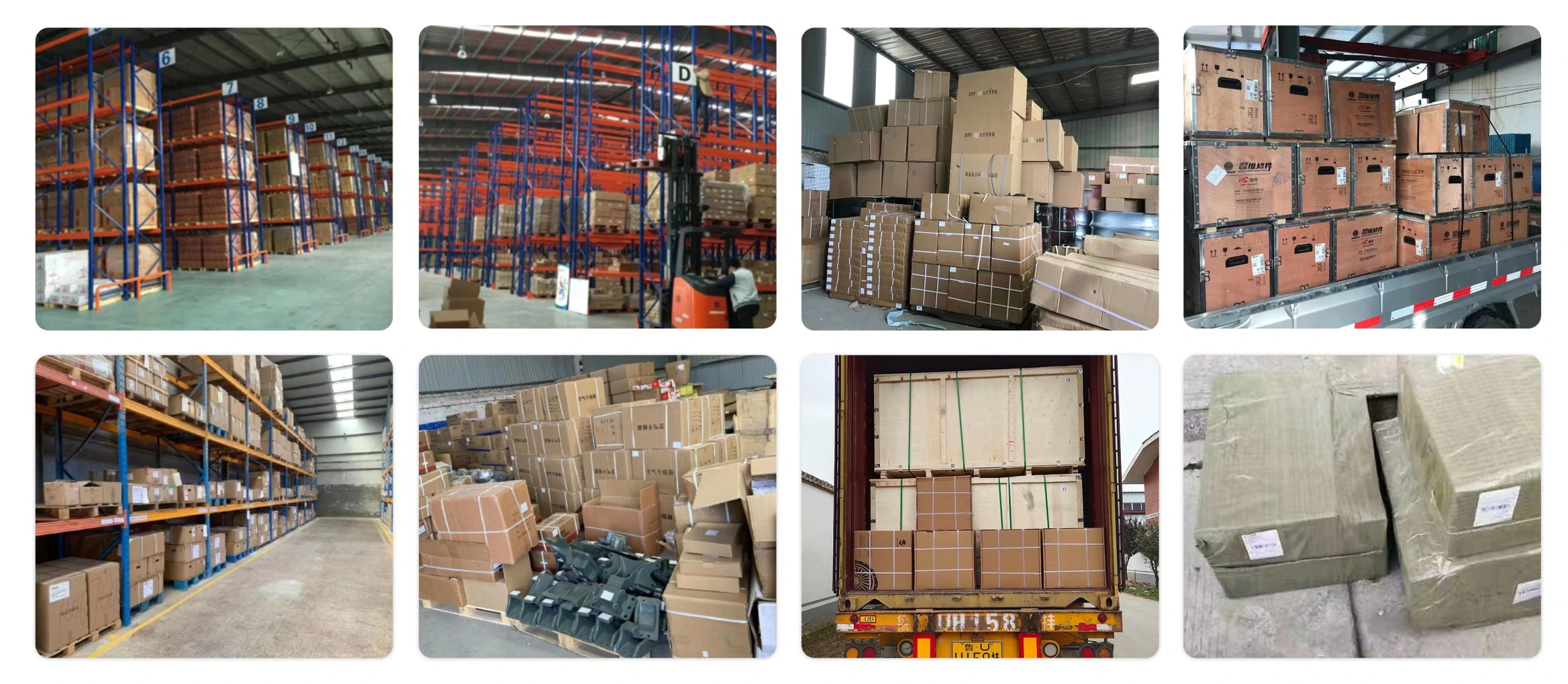
Embalaje y Logística
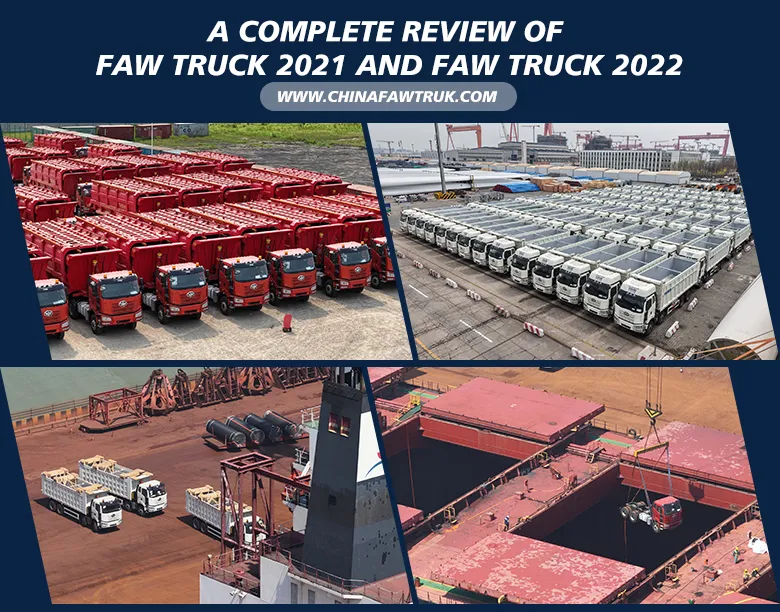
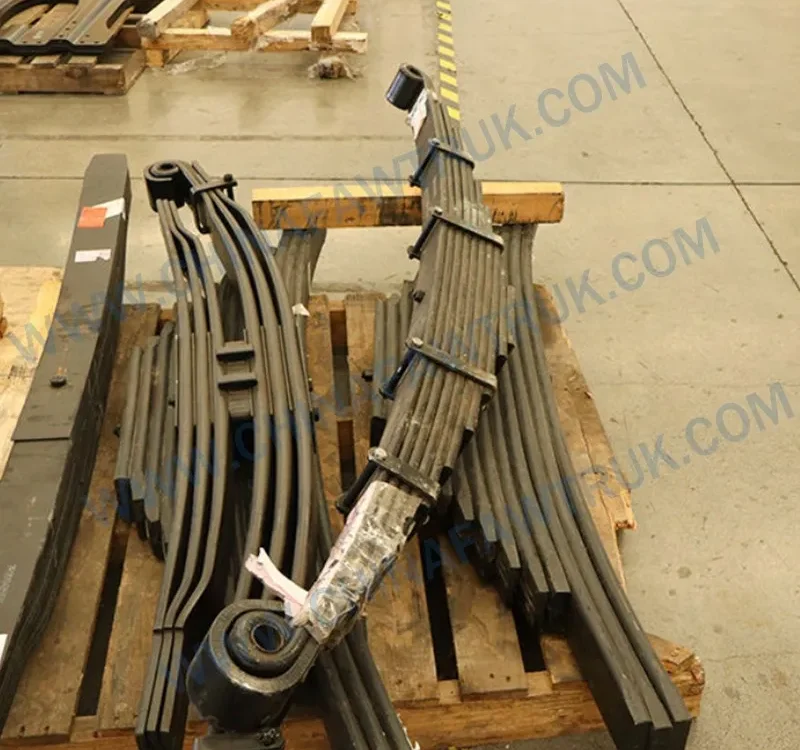
piezas FAW, incluido el conjunto del bloque de cilindros, Se empaquetan con cuidado para garantizar una entrega segura.. Cada componente está asegurado con materiales protectores para evitar daños durante el transporte.. La red logística garantiza envíos puntuales en todo el mundo., apoyando operaciones de mantenimiento eficientes. A continuación se muestra una imagen que ilustra el embalaje estándar de las piezas de camiones FAW., mostrando la atención al detalle en el manejo y almacenamiento.
Este enfoque de embalaje minimiza el riesgo de corrosión o daños por impacto., asegurando que piezas como el conjunto de bloque de cilindros FAW lleguen en perfectas condiciones. Los clientes pueden confiar en la logística de FAW para obtener calidad y confiabilidad constantes.