Conjunto de tubulação russa FAW: 26 Componentes Estratégicos para o Fluxo Ininterrupto de Combustível no Ártico
O Conjunto de tubulação russa FAW representa o sistema circulatório hidrodinâmico do caminhão basculante pesado CA3250P66K24L1TE5Z. Projetado especificamente para as latitudes extremas da Federação Russa, esta complexa rede de mangueiras, linhas rígidas, e as interfaces do reservatório garantem que o combustível diesel – a força vital do motor – mantenha a viscosidade e a pressão ideais do tanque até a bomba de injeção. Este guia completo disseca a dinâmica dos fluidos, a lógica de retorno antigelificante, e a arquitetura de montagem robusta necessária para evitar a falta de combustível em temperaturas tão baixas quanto -40°C.

Conjunto de tubulação russa FAW
O Circuito de Sucção: Gerenciando fluxo de alta viscosidade
A função mais crítica do Conjunto de tubulação russa FAW está gerenciando o lado de sucção do sistema de combustível. Isto é tratado principalmente pelo Conjunto de tubo de entrada – Tanque para pré-filtro (Parte não. 1104120-58H) e o subsequente Conjunto de tubo de entrada – Filtro para bomba de transferência (Parte não. 1104130-58H). Em condições padrão, o combustível diesel flui livremente. No entanto, no inverno russo, a cera de parafina suspensa no diesel começa a cristalizar, transformando o combustível em um gel não newtoniano.
O Conjunto de tubulação russa FAW resolve isso utilizando tubulação de grande diâmetro para reduzir a perda de carga por atrito. Se o diâmetro do tubo fosse muito pequeno, a bomba elevatória criaria um vácuo forte o suficiente para colapsar uma mangueira de borracha padrão ou causar cavitação, onde o combustível ferve a baixa pressão, destruindo o impulsor da bomba. Esses conjuntos de tubos de entrada são reforçados com fio espiral interno ou pontas rígidas de polímero para suportar alto vácuo sem deformar, garantindo fluxo contínuo mesmo quando o combustível é espesso.
Além disso, o roteamento dessas tubulações é estratégico. Eles estão posicionados para evitar pontos baixos onde a água (mais pesado que o diesel) poderia resolver e congelar, criando um “tampão de gelo” isso bloquearia totalmente a linha. A composição material das mangueiras no Conjunto de tubulação russa FAW é um composto de borracha sintética especializado, resistente à agressão química do diesel moderno com teor de enxofre ultrabaixo e das misturas de biodiesel, que pode degradar materiais menores ao longo do tempo, levando à entrada de ar e perda de prime.
O Circuito de Retorno: Usando o calor como ferramenta
O Conjunto de tubo de retorno – Motor para válvula de mudança (Parte não. 1104250-41T) serve a um duplo propósito no Conjunto de tubulação russa FAW lógica. Sua principal função é devolver o excesso de combustível dos injetores e do trilho de alta pressão de volta ao tanque. No entanto, sua função secundária é o gerenciamento térmico. O combustível diesel que circula pelo motor absorve calor significativo do cabeçote e do processo de pressurização da injeção.
Ao direcionar esse combustível quente de volta para o Conjunto de tanques diesel (Parte não. 1101010-55R-C00), o Conjunto de tubulação russa FAW efetivamente transforma o tanque de combustível em um reservatório térmico. Este fluxo de retorno quente ajuda a aumentar a temperatura geral do combustível a granel no tanque, derretendo cristais de cera nascentes e evitando o entupimento da tela de captação. Este aquecimento passivo é um mecanismo crítico de sobrevivência para o camião durante operações de longo curso na Sibéria.
Para facilitar isso, a lógica de conexão emprega o Junta Banjo de Combustível (Parte não. 1104351A11B) e o Parafuso oco (Parte não. 1104061-11B). Essas conexões de banjo permitem baixo perfil, junções de alto fluxo que podem ser roteadas em espaços apertados sem dobrar as linhas. A integridade deste circuito de retorno é vital; um vazamento aqui não desperdiça apenas combustível, ele sangra energia térmica valiosa que é necessária para manter o sistema líquido.
Equilíbrio Atmosférico e Fixação Rígida
Para o Conjunto de tubulação russa FAW funcionar, o tanque de combustível deve respirar. Como o motor consome combustível, o nível do líquido cai, criando um vácuo. Se não for ventilado, este vácuo acabaria por dominar a bomba de elevação, deixando o motor sem fome. O Tubo de admissão/exaustão (Respiradouro) (Parte não. 1104301-50A) e o Conjunto da tampa do tanque de combustível (Parte não. 1103010-59A) gerenciar esse diferencial de pressão. Nas condições russas, o respiro deve ser projetado para evitar formação de gelo, o que selaria o tanque e levaria à implosão ou falta de combustível.
Estruturalmente, o tanque e sua tubulação associada são protegidos pelo Conjunto de alça (Números de peças. 1101130C50A/1101135C50A) e o Conjunto de suporte traseiro (Parte não. 1101205C50A). A interação entre o tanque e estes suportes de aço é amortecida pelo Forro – Alça (Parte não. 1101134C50A) e Forro – Suporte (Parte não. 1101117C50A). Esses revestimentos de borracha fazem parte do Conjunto de tubulação russa FAW ecossistema, fornecendo isolamento de vibração essencial.
Sem esses forros, a vibração harmônica do motor diesel e os choques da estrada do chassi do caminhão basculante fariam com que as tiras de aço se desgastassem contra o tanque de alumínio ou aço, eventualmente serrando a parede e causando um vazamento catastrófico. O Conjunto de tubulação russa FAW depende do durômetro específico (dureza) desses revestimentos para manter a aderência ao tanque sem se tornar quebradiço e rachar no frio extremo.
A Ciência da Selagem: Arruelas e parafusos
O desempenho livre de vazamentos do Conjunto de tubulação russa FAW depende da qualidade de seus menores componentes: o Arruela de vedação (Parte não. CQ72318T5). A FAW utiliza arruelas de cobre ou alumínio para essas conexões. Quando o Parafuso oco está apertado, a arruela se deforma ligeiramente, preenchendo as imperfeições microscópicas da superfície do encaixe do banjo e da carcaça da bomba.
Esta vedação metal-metal é superior aos O-rings de borracha nesta aplicação porque é impermeável à ciclagem térmica. As vedações de borracha podem encolher no frio, levando a vazamentos, enquanto uma arruela de cobre com torque adequado mantém sua vedação independentemente da temperatura. No entanto, essas arruelas endurecem após compressão. Reutilizando-os no Conjunto de tubulação russa FAW é um erro crítico, pois eles não se deformarão uma segunda vez, levando a vazamentos persistentes que atraem poeira e criam risco de incêndio.
Os próprios fixadores, como o Parafuso de flange hexadecimal (Parte não. Q1841445T) e o Pino de cabeça plana (Parte não. Q5101485), são revestidos com tratamentos de flocos de zinco ou fosfato. Esta proteção contra corrosão é essencial para o Conjunto de tubulação russa FAW, que fica na parte inferior do chassi e é constantemente bombardeado por névoa salina e cascalho. Um parafuso preso pode transformar uma simples troca de filtro ou substituição de mangueira em um grande reparo que requer maçaricos de corte e perfuração.
Lista detalhada de componentes
A tabela a seguir fornece a Lista de Materiais exaustiva para o Conjunto de tubulação russa FAW e Módulo do Tanque de Combustível. Cada alça, parafuso, lavadora, e o tubo estão listados para garantir a restauração completa das especificações de fábrica do sistema.
| Não. |
Número da peça |
Nome da peça |
Quantidade |
| 1 |
3806041-61B |
Placa limite do sensor de nível de combustível |
1 |
| 2 |
3724015-240 |
Conjunto de abraçadeira de plástico |
6 |
| 3 |
1104250-41T |
Conjunto de tubo de retorno – Motor para válvula de mudança |
1 |
| 4 |
1104130-58H |
Conjunto de tubo de entrada – Filtro para bomba de transferência |
1 |
| 5 |
1104301-50A |
Tubo de admissão/exaustão (Respiradouro) |
1 |
| 6 |
1104120-58H |
Conjunto de tubo de entrada – Tanque para pré-filtro |
1 |
| 7 |
CQ34012 |
Noz hexadecimal |
4 |
| 8 |
Q40112 |
Máquina de lavar |
2 |
| 9 |
Q5101485 |
Pino de cabeça plana |
2 |
| 10 |
Q40114 |
Máquina de lavar |
4 |
| 11 |
Q5004030 |
Contrapino |
2 |
| 12 |
1101130C50A |
Conjunto de alça – Tanque de combustível |
1 |
| 13 |
1101135C50A |
Conjunto de alça – Tanque de combustível |
1 |
| 14 |
1101134C50A |
Forro – Alça |
2 |
| 15 |
1101010-55R-C00 |
Conjunto de tanques diesel (com sensor de nível) |
1 |
| 16 |
1103010-59A |
Conjunto da tampa do tanque de combustível |
1 |
| 17 |
1101117C50A |
Forro – Suporte |
2 |
| 18 |
1101205C50A |
Conjunto de suporte traseiro – Tanque de combustível |
2 |
| 19 |
Q1841445T |
Parafuso de flange hexadecimal (Haste Grossa/Padrão) |
4 |
| 20 |
Q1841455T |
Parafuso de flange hexadecimal |
2 |
| 15-1 |
1101015-63U-C00 |
Subconjunto do tanque diesel |
1 |
| 15-2 |
3806040-55R |
Conjunto do sensor de combustível |
1 |
| 15-3 |
1104450-11B |
Conjunto de tubo de combustível |
1 |
| 15-4 |
CQ72318T5 |
Arruela de vedação |
6 |
| 15-5 |
1104351A11B |
Junta Banjo de Combustível |
2 |
| 15-6 |
1104061-11B |
Parafuso oco |
2 |
Protocolos de Diagnóstico para Fluxo e Contenção
Inspecionando o Conjunto de tubulação russa FAW requer uma abordagem sistemática, começando no Conjunto de tubo de entrada – Tanque para pré-filtro. Verifique se há sinais de colapso ou dobras nas seções da mangueira. Uma mangueira colapsada, frequentemente causado por um respiro do tanque bloqueado, irá simular um filtro entupido, levando à perda de energia. Passe a mão ao longo da parte inferior dos tubos para verificar se há umidade ou abrasão no local onde eles passam pelas travessas do chassi.
Examine o Junta Banjo de Combustível conexões no tanque e na bomba de elevação. A infiltração aqui atua como um ímã para poeira, criando uma umidade, mancha suja. Embora uma pequena infiltração possa não pingar no chão, permite que o ar entre no sistema quando o motor está desligado, levando a um início difícil. Apertando o Parafuso oco ligeiramente pode curar o vazamento, mas substituindo o Arruelas de vedação é a única solução permanente.
Finalmente, verificar a integridade do Conjunto de alça – Tanque de combustível. Bata nas tiras com um martelo; eles deveriam soar sólidos. Um baque surdo ou movimento visível indica que a pulseira esticou ou o Forro – Alça comprimiu. Reapertar as porcas da cinta de acordo com as especificações de fábrica é essencial para evitar que o tanque se desloque e sobrecarregue as rígidas linhas de combustível conectadas ao Conjunto do sensor de combustível.
Conclusão: As artérias do Ártico
O Conjunto de tubulação russa FAW é mais do que apenas encanamento; é um sofisticado sistema de gerenciamento de fluidos projetado para superar os desafios da operação diesel no Ártico. Da lógica de recirculação térmica dos tubos de retorno à robusta arquitetura de montagem das cintas do tanque, cada componente é projetado para confiabilidade.
Para proprietários de frotas, manter este sistema é fundamental. Uma única mangueira rachada ou um parafuso banjo solto pode imobilizar um caminhão em condições perigosas. Usando peças de reposição genuínas FAW, incluindo as mangueiras específicas para clima frio e arruelas de vedação de cobre, você garante que seu CA3250P66K24L1TE5Z continue fornecendo combustível - e lucro - independentemente de quão baixa a temperatura caia.
Embalagem e Logística
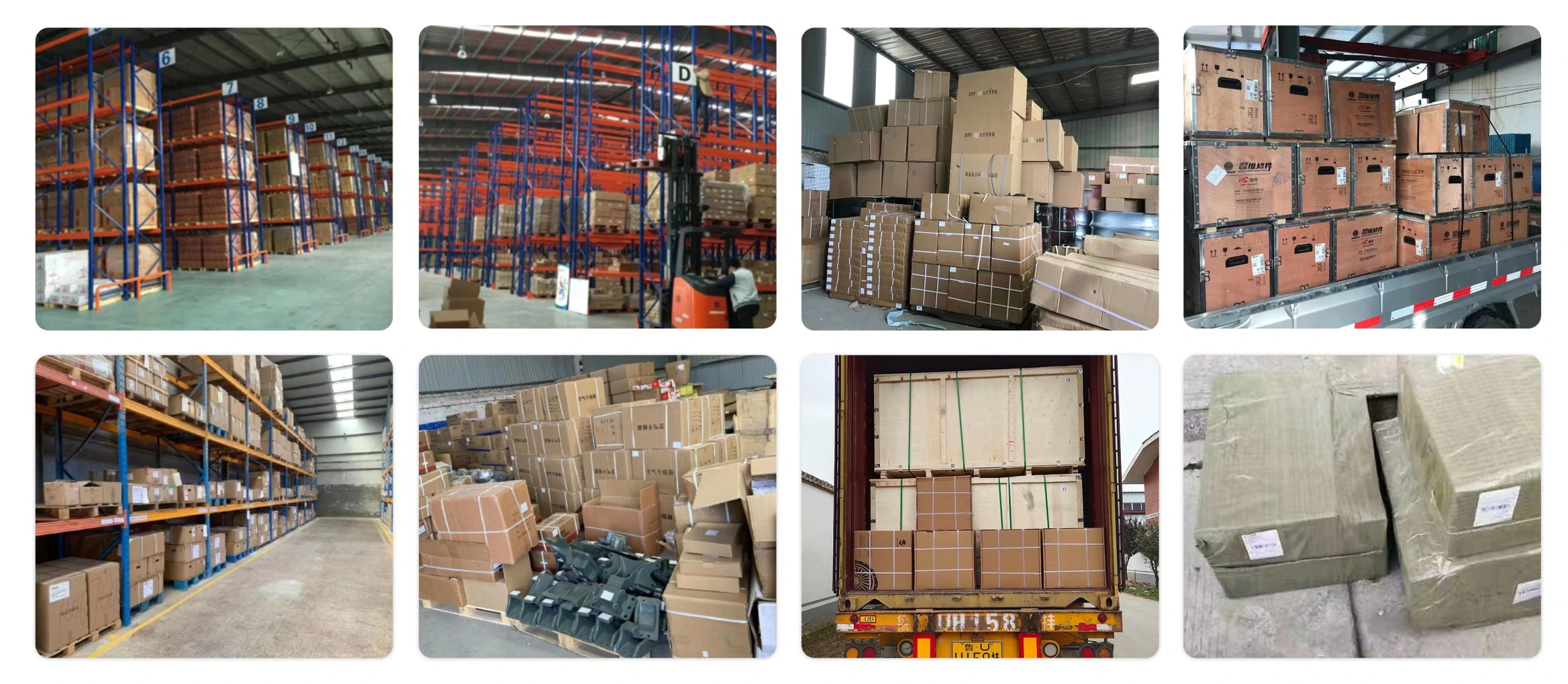
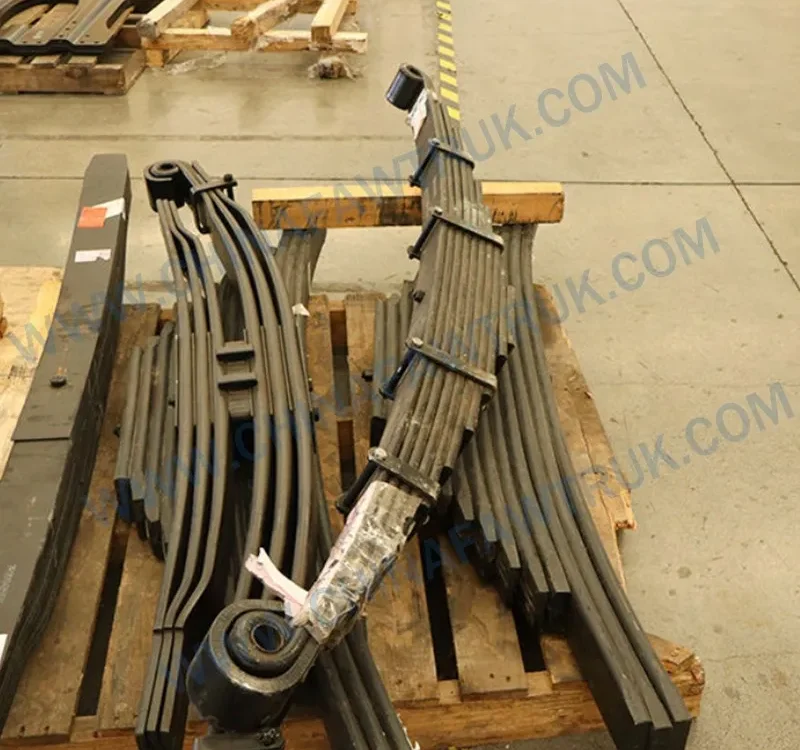
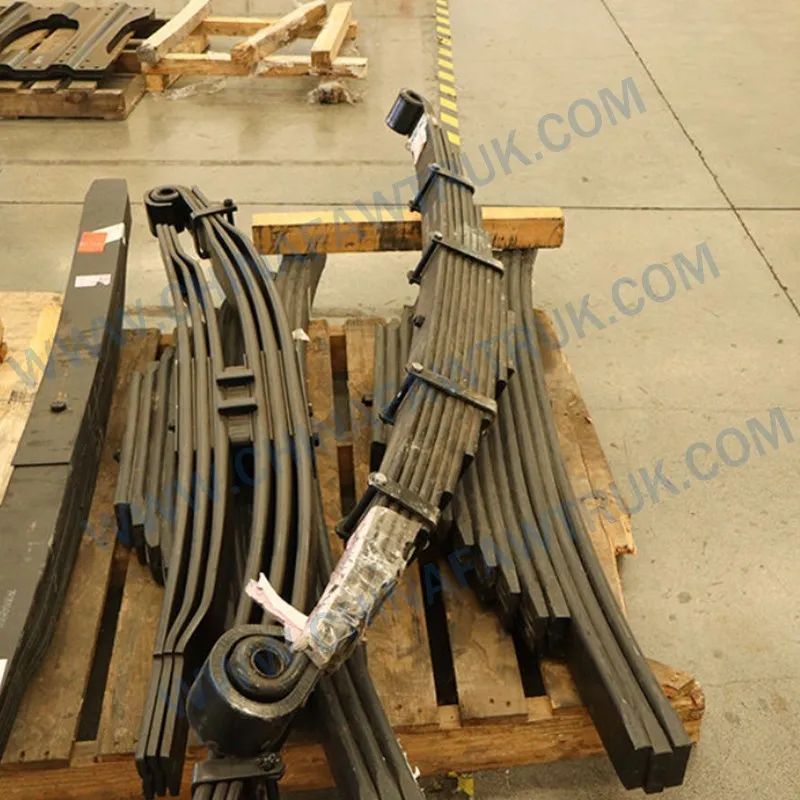
Peças FAW, incluindo o conjunto do bloco de cilindros, são embalados com cuidado para garantir uma entrega segura. Cada componente é protegido por materiais de proteção para evitar danos durante o transporte. A rede logística garante envios pontuais em todo o mundo, apoiando operações de manutenção eficientes. Abaixo está uma imagem ilustrando a embalagem padrão para peças de caminhão FAW, mostrando a atenção aos detalhes no manuseio e armazenamento.
Esta abordagem de embalagem minimiza o risco de corrosão ou danos por impacto, garantindo que peças como o conjunto do bloco de cilindros FAW cheguem em perfeitas condições. Os clientes podem confiar na logística da FAW para obter qualidade e confiabilidade consistentes.