Pedal Acelerador Russo FAW: Controle Eletrônico de Precisão para Ambientes Árticos Severos
O Pedal Acelerador Russo FAW serve como interface crítica entre o operador e o imenso torque do caminhão basculante para serviço pesado CA3250P66K24L1TE5Z. Ao contrário das ligações mecânicas do passado, este sistema drive-by-wire traduz a intenção do motorista em sinais digitais precisos para a unidade de controle do motor (ECU). Projetado especificamente para a Federação Russa, esta montagem apresenta compósitos poliméricos reforçados, lógica de sensor redundante, e hardware de montagem especializado projetado para manter a sensibilidade e retornar autoridade mesmo quando a temperatura da cabine cai para -40°C. Este guia fornece uma análise técnica aprofundada da montagem do pedal e sua lógica de fixação.

Pedal Acelerador Russo FAW
Lógica de sensores eletrônicos: O Coração da Assembleia
A unidade funcional central deste sistema é o Conjunto de pedal acelerador eletrônico (Parte não. 1108010-42A-C00). Na arquitetura moderna do Pedal Acelerador Russo FAW, o componente não é mais uma simples alavanca mecânica puxando um cabo; é um sofisticado potenciômetro de canal duplo ou conjunto de sensores de efeito Hall. Esta alteração de design é obrigatória para atender às normas Euro 5 e euro 6 padrões de emissão, que exigem que a ECU tenha autoridade absoluta sobre o tempo de injeção de combustível e a posição da placa do acelerador com base na carga, temperatura, e demanda do motorista.
O mecanismo do sensor interno é projetado com redundância. Normalmente emite dois sinais de tensão separados para a ECU (frequentemente referido como APP1 e APP2). Sinal 1 pode operar de 0,5V a 4,5V, enquanto sinal 2 opera com metade dessa tensão ou em inclinação invertida. O Pedal Acelerador Russo FAW a lógica exige que a ECU compare constantemente esses dois sinais. Se a correlação entre eles se desviar em mais do que uma percentagem definida, o sistema identifica uma falha e entra “modo manco,” limitar a rotação do motor para evitar aceleração descontrolada. Este recurso de segurança é fundamental no terreno acidentado das minas russas, onde a vibração poderia, teoricamente, danificar um sensor de via única..
Para o mercado russo, a eletrônica dentro do Pedal Acelerador Russo FAW são encapsulados (vaso) em uma resina de alta qualidade. Esta impermeabilização protege os sensíveis trilhos condutores e os braços do limpador contra a entrada de neve derretida e soluções salinas que entram na cabine pelas botas do motorista.. Sem esse envasamento, a corrosão salina alteraria rapidamente os valores de resistência do pedal, causando marcha lenta irregular do motor ou pontos mortos na curva de aceleração.
Além disso, a compatibilidade eletromagnética (EMC) do Pedal Acelerador Russo FAW é fortemente blindado. Caminhões basculantes modernos estão cheios de interferência de radiofrequência de rádios, Rastreadores GPS, e solenóides de alta corrente. O invólucro do sensor inclui blindagem para evitar que correntes induzidas criem “fantasma” sinais de aceleração, garantindo que o caminhão só se mova quando o motorista o comanda explicitamente.
Ciência dos Materiais: Histerese e durabilidade do Ártico
A construção mecânica do Pedal Acelerador Russo FAW utiliza um compósito de polímero reforçado com fibra de vidro. Esta seleção de material é deliberada para operações em climas frios. Pedais de metal tradicionais podem funcionar como dissipador de calor, fazendo a cabine parecer mais fria perto do chão, e são propensos a enferrujar devido à umidade da bota. O corpo de polímero fornece isolamento térmico e é completamente imune à corrosão. No entanto, a mistura específica de polímeros usada no Pedal Acelerador Russo FAW é formulado para resistir a tornar-se quebradiço a -40°C, um modo de falha comum para plásticos padrão que podem quebrar sob o impacto de uma bota de trabalho pesada.
Uma característica chave de engenharia do pedal é a sua histerese. Histerese refere-se à diferença intencional entre a força necessária para pressionar o pedal e a força necessária para mantê-lo em uma posição estável.. O Pedal Acelerador Russo FAW foi projetado com elementos específicos de geração de fricção que permitem ao motorista manter uma velocidade constante em estradas russas acidentadas sem fadiga nas pernas. Sem este amortecimento de fricção, cada solavanco na estrada faria com que o pé do motorista saltasse, enviando sinais de aceleração irregulares para o motor e causando “derivação da linha de transmissão.”
O mecanismo de mola de retorno é talvez o componente mecânico mais crítico para a segurança. No Pedal Acelerador Russo FAW, molas de retorno duplo são frequentemente empregadas. Se uma mola quebrar devido a fadiga ou defeitos metálicos, a segunda mola é suficiente para retornar o motor à marcha lenta. O aço utilizado para estas molas é aço para molas de alta qualidade com têmpera específica para evitar “relaxamento” ou perda de tensão ao longo de milhões de ciclos, garantindo que o pedal sempre retorne à posição 0% posição imediatamente após a liberação.
O ponto de articulação do pedal utiliza buchas autolubrificantes. No empoeirado, ambiente sujo de um canteiro de obras, a graxa externa atrai grãos que formam uma pasta de moagem. As buchas lubrificadas a seco do Pedal Acelerador Russo FAW rejeita poeira e não requer manutenção. Crucialmente, eles são projetados com folgas que acomodam a contração térmica, garantindo que o pedal não emperre ou fique rígido quando a temperatura da cabine estiver bem abaixo de zero.
Lógica de Fixação: O papel do parafuso do flange
Fixar o pedal ao piso da cabine requer uma estratégia de fixação robusta, executado por três unidades do Parafuso de flange hexagonal (Haste Grossa/Padrão) (Parte não. Q1840835M). Embora estes possam parecer fixadores padrão, sua especificação é vital para a integridade do Pedal Acelerador Russo FAW instalação. Os parafusos apresentam “Haste Grossa” perfil de discussão, que fornece resistência superior à mordida e à tração, particularmente se as porcas receptoras forem porcas gaiola soldadas ou inserções roscadas dentro do composto do piso.
O design da cabeça do flange do parafuso Q1840835M é escolhido especificamente para montagem de componentes plásticos. Um parafuso de cabeça sextavada padrão exigiria uma arruela separada. Se essa arruela fosse omitida ou perdida, a pequena cabeça cavaria na base de plástico do Pedal Acelerador Russo FAW, criando risers de tensão que levam a rachaduras. O flange integrado distribui a carga de fixação por uma ampla área de superfície, garantindo que a base de polímero seja mantida com segurança sem esmagamento. Esta carga distribuída é essencial para resistir às forças laterais aplicadas quando um condutor sobe na cabina ou apoia o pé durante uma travagem de emergência.
O sufixo “M” no número da peça normalmente indica um revestimento de superfície específico, provavelmente um floco de zinco ou revestimento Geomet. Isto proporciona resistência superior à corrosão em comparação com o revestimento de zinco padrão. O piso da cabine de um caminhão é um coletor de umidade, constantemente exposto a umidade, botas salgadas. Se os parafusos de montagem corroerem, eles podem aproveitar, tornando a substituição do pedal impossível sem perfuração, ou pior, a cabeça pode apodrecer, deixando o Pedal Acelerador Russo FAW solto e perigoso.
O padrão de montagem triangular formado pelos três parafusos proporciona estabilidade geométrica. Esta triangulação evita que a base do pedal balance ou torça sob forte pressão do pé. Uma base estável é crítica para a precisão do sensor interno; se a caixa flexionar, pode introduzir ruído mecânico na leitura do sensor. O Pedal Acelerador Russo FAW depende dessa fixação rígida para fornecer a precisão esperada pelo sistema de gerenciamento do motor.
Lista detalhada de componentes
A tabela a seguir lista a divisão completa das peças para o Pedal Acelerador Russo FAW conjunto. Os gerentes e técnicos de frota devem garantir que apenas esses números de peça específicos sejam usados durante a substituição para manter a segurança e a calibração do sistema de aceleração..
| Não. |
Número da peça |
Nome da peça |
Quantidade |
| 1 |
1108010-42A-C00 |
Conjunto de pedal acelerador eletrônico (Padrão) |
1 |
| 2 |
Q1840835M |
Haste grossa do parafuso de flange hexagonal (Padrão) |
3 |
Protocolos de diagnóstico para integridade do acelerador
Solução de problemas do Pedal Acelerador Russo FAW normalmente envolve a análise de valores de fluxo de dados por meio de uma ferramenta de diagnóstico. No entanto, a inspeção física é igualmente importante. Verifique a base de montagem quanto a rachaduras ao redor dos orifícios dos parafusos. Se o pedal parecer solto ou “mole” sob os pés, muitas vezes indica que os parafusos se soltaram ou a base de plástico fraturou devido ao torque excessivo.
Inspecione o conector da fiação na parte superior do conjunto do pedal. Procure sinais de “absorvente,” onde a água desce pelo isolamento do fio até o conector. No Pedal Acelerador Russo FAW, corrosão verde nos pinos é uma sentença de morte para a precisão do sinal. Certifique-se de que a aba de travamento do conector esteja intacta; um conector solto pode causar perda de energia intermitente devido a impactos, uma situação perigosa para um caminhão basculante carregado.
Teste a ação mecânica do pedal. Pressione com a mão; ele deve se mover suavemente, sem areia ou emperramento, e retornar imediatamente quando liberado. Se houver um “pegajoso” ver, a condensação interna pode ter congelado ou sujeira entrou no mecanismo de articulação. Como a unidade está selada, a ligação mecânica interna requer a substituição de todo o Conjunto de pedal acelerador eletrônico. Não tente abrir ou lubrificar os componentes eletrônicos internos, pois isso comprometerá o selo ambiental.
Finalmente, verifique a tensão de saída do sinal. Com a chave ligada e o motor desligado, a tensão no sinal 1 deve aumentar linearmente de aproximadamente 0,7 V em marcha lenta para 4,2 V com aceleração totalmente aberta (O QUE). Se a tensão saltar ou cair para zero no meio da varredura, o potenciômetro segue dentro do Pedal Acelerador Russo FAW estão desgastados. Esse desgaste geralmente ocorre no “cruzeiro” posição onde o pedal passa a maior parte do tempo.
Conclusão: O elo crítico
O Pedal Acelerador Russo FAW é um componente enganoso; parece simples, mas é uma integração complexa da engenharia de polímeros, eletrônica de precisão, e lógica de segurança. Deve funcionar perfeitamente milhões de vezes em ambientes que congelam plásticos padrão e corroem metais padrão.
A calibração específica do Conjunto de pedal acelerador eletrônico garante que o CA3250P66K24L1TE5Z forneça sua potência de maneira suave e previsível, essencial para manter a tração nas estradas geladas da Rússia. Substituir esta parte por um pedal genérico corre o risco de curvas de sinal incompatíveis, códigos de falha, e comportamento inseguro do veículo.
Para proprietários de frotas, garantir a integridade desta interface de controle é fundamental. Inspecionando o hardware de montagem e verificando a corrosão do conector, você protege a dirigibilidade do veículo. O uso de peças genuínas FAW garante que a resistência do pedal ao frio e à vibração corresponda à intenção original do projeto, mantendo seus motoristas sob controle e sua frota operacional.
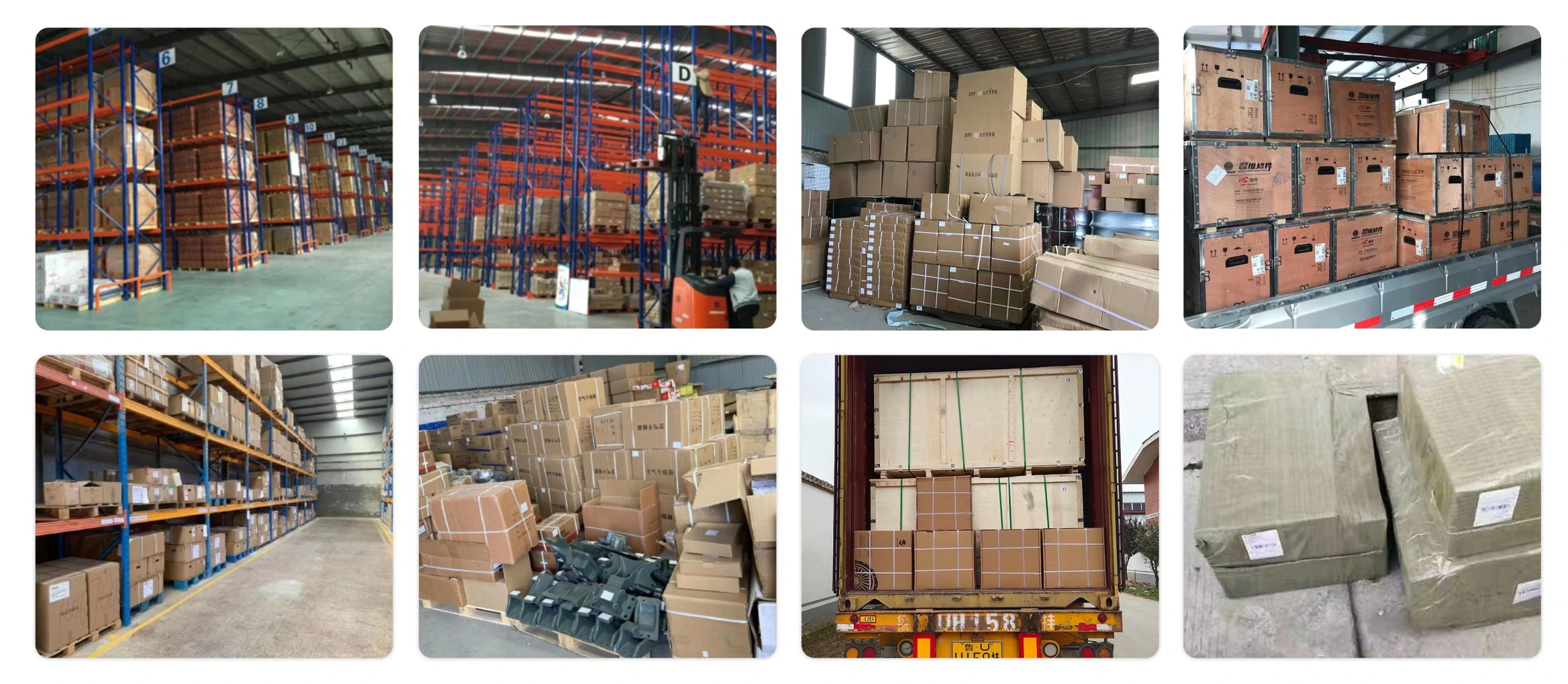
Embalagem e Logística
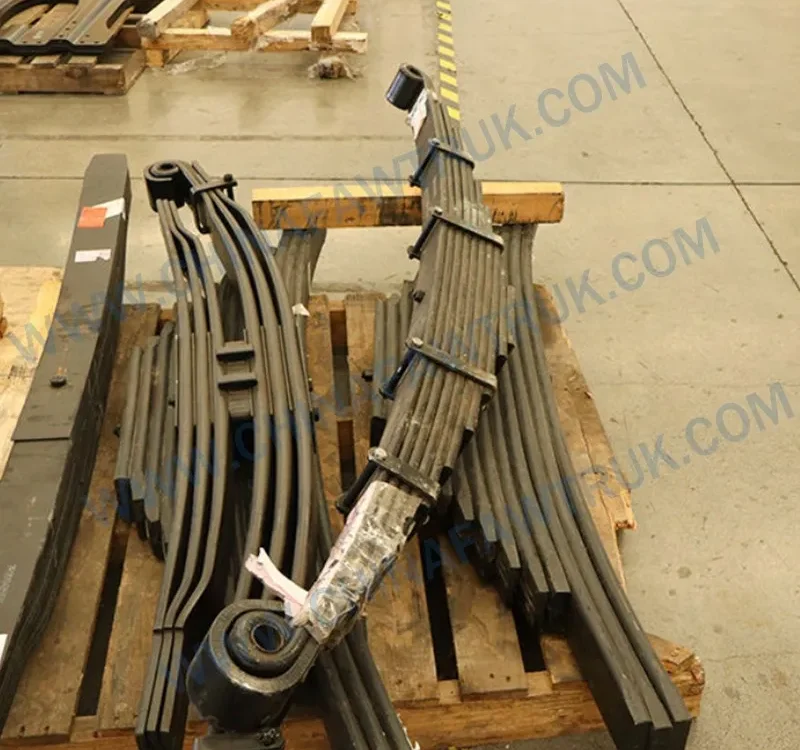
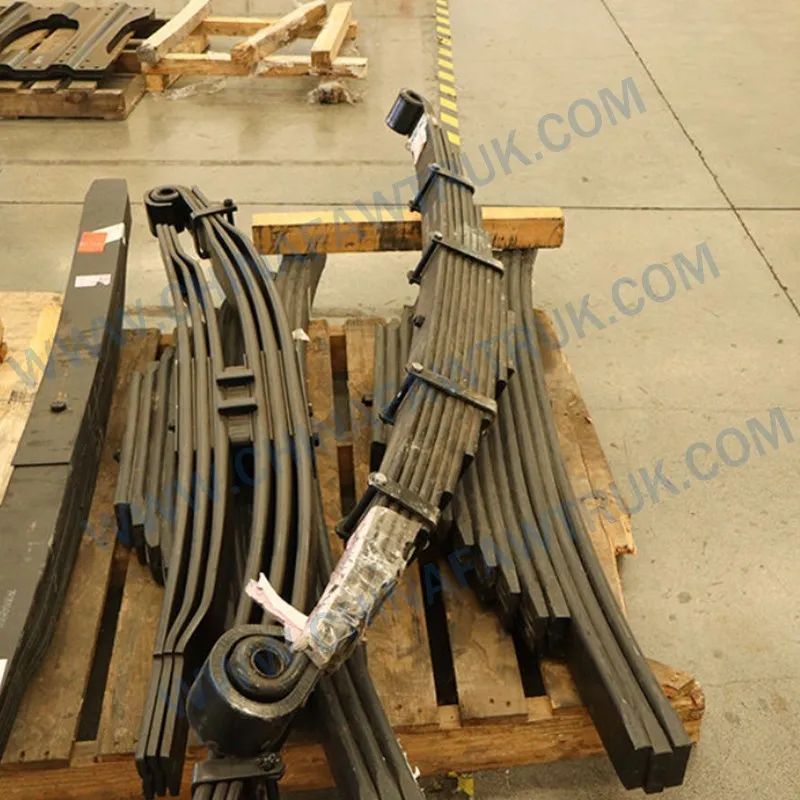
Peças FAW, incluindo o conjunto do bloco de cilindros, são embalados com cuidado para garantir uma entrega segura. Cada componente é protegido por materiais de proteção para evitar danos durante o transporte. A rede logística garante envios pontuais em todo o mundo, apoiando operações de manutenção eficientes. Abaixo está uma imagem ilustrando a embalagem padrão para peças de caminhão FAW, mostrando a atenção aos detalhes no manuseio e armazenamento.
Esta abordagem de embalagem minimiza o risco de corrosão ou danos por impacto, garantindo que peças como o conjunto do bloco de cilindros FAW cheguem em perfeitas condições. Os clientes podem confiar na logística da FAW para obter qualidade e confiabilidade consistentes.