Filtro de combustível russo FAW: 8 Componentes de precisão para máxima pureza do diesel em condições árticas
O Filtro de combustível russo FAW permanece como a principal linha de defesa para o sofisticado sistema de injeção do caminhão basculante CA3250P66K24L1TE5Z. Operando em condições adversas, O ambiente rico em contaminantes dos locais de mineração e construção russos exige uma estratégia de filtragem que vai além da simples triagem. Este conjunto combina separação de partículas de alta eficiência com tecnologia avançada de remoção de água para proteger a bomba de combustível de alta pressão contra apreensão catastrófica. Este guia completo disseca a arquitetura do filtro, o sistema de alarme de nível crítico de água, e a lógica de montagem reforçada necessária para manter a integridade do combustível quando as temperaturas caem para -40°C.

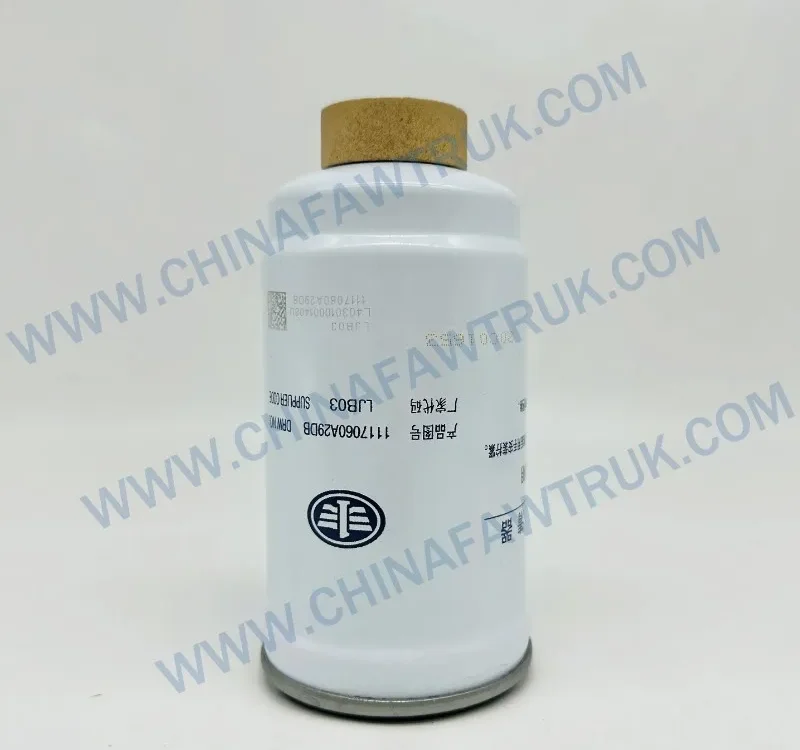
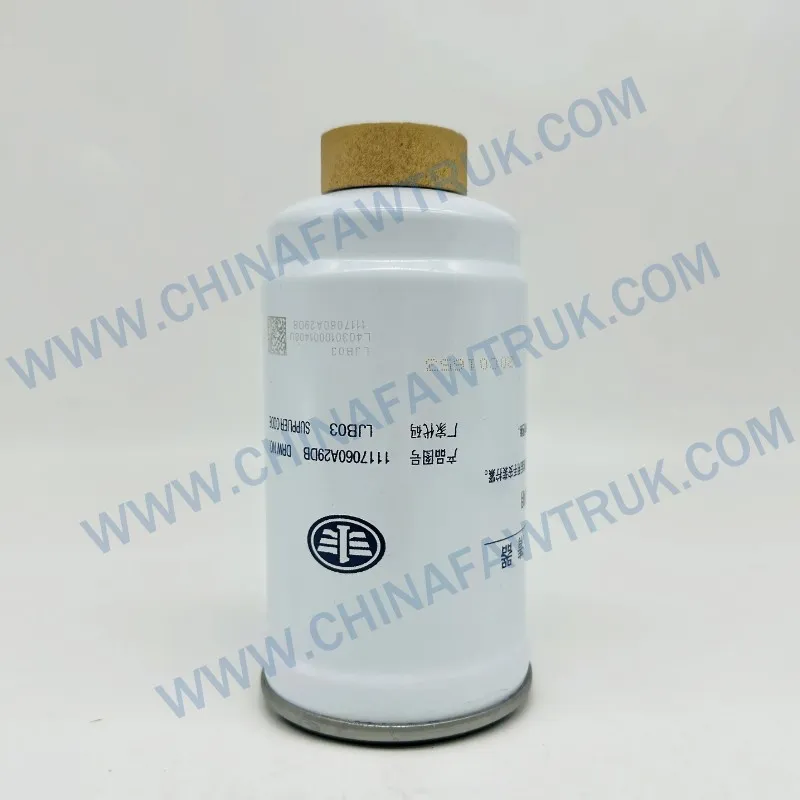
Filtro de combustível russo FAW
Tecnologia Central: Separação bifásica
O coração funcional do sistema é o Conjunto do filtro de combustível (Padrão) (Parte não. 1105010-2007-C00), que abriga o substituível Conjunto do núcleo do filtro de combustível (Elemento) (Parte não. 1105050-2007). No contexto do Filtro de combustível russo FAW, o meio filtrante foi projetado para lidar com os desafios específicos do combustível diesel russo, que muitas vezes contém níveis mais elevados de enxofre, parafina, e água suspensa do que os padrões europeus.
O elemento filtrante utiliza um meio composto sintético multicamadas. A camada externa atua como uma tela grossa, prendendo grandes partículas de ferrugem e sedimentos do tanque que podem obstruir as pregas internas. As camadas internas do Filtro de combustível russo FAW núcleo são projetados para filtragem fina, capturando partículas até 3-5 mícrons. Este nível de precisão é obrigatório para injeção direta Common Rail (CRDI) sistemas, onde as tolerâncias do injetor são medidas em submícrons. Mesmo uma partícula de poeira invisível a olho nu pode marcar a agulha do injetor, levando a gotejamento contínuo de combustível, fusão do pistão, e destruição do motor.
Crucialmente, a mídia no Filtro de combustível russo FAW é tratado com um hidrofóbico (repelente à água) revestimento. À medida que o combustível diesel flui através da mídia, gotas de água não conseguem passar. Eles formam gotas na superfície do elemento filtrante e se aglutinam em gotas maiores, que então é alimentado por gravidade na tigela de coleta na parte inferior da caixa. Este processo de separação é vital no inverno; se a água passar para a bomba de alta pressão, pode ferver devido ao calor da pressurização (1800+ bar), fazendo com que as pontas dos injetores explodam de dentro para fora.
A integridade estrutural do Conjunto do núcleo do filtro de combustível também é reforçado para evitar o colapso. No frio extremo (-40° c), combustível diesel encera e engrossa. Isso aumenta significativamente o diferencial de pressão através do meio filtrante. Um filtro de papel padrão implodiria sob esta sucção, enviando detritos não filtrados para o motor. O Filtro de combustível russo FAW O elemento apresenta um tubo central interno rígido e um meio com fio para suportar essas altas pressões diferenciais durante partidas a frio, garantindo que o fluxo seja mantido sem comprometer a eficiência da filtração.
Monitoramento Ativo: O alarme de nível de água
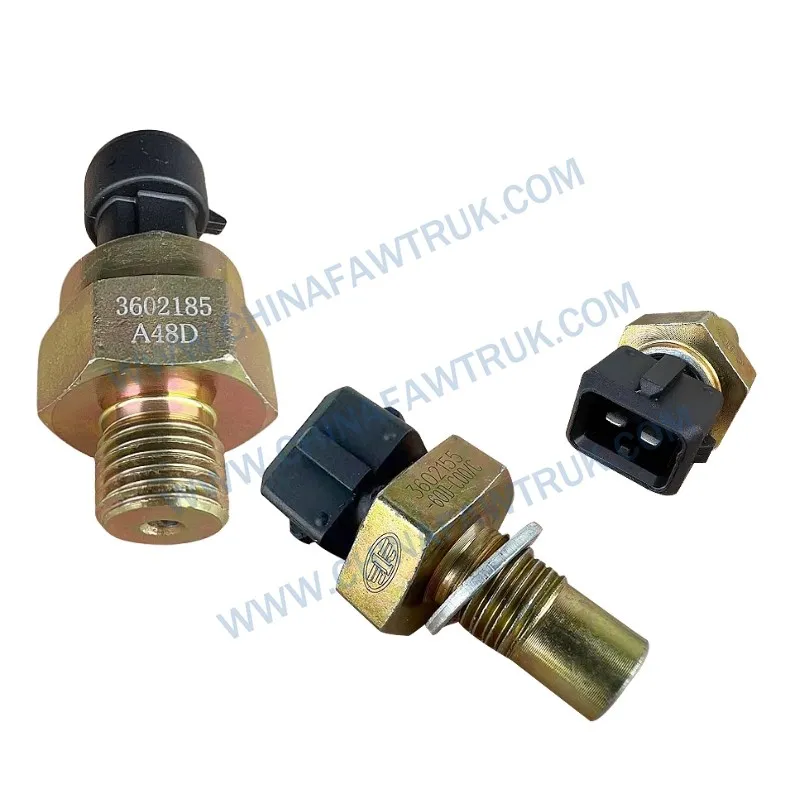
Integrado na base do conjunto do filtro está o Conjunto de alarme de nível de água (Padrão) (Parte não. 1105150C50A). Este sensor fornece ao motorista um alerta antecipado crítico. Desde o Filtro de combustível russo FAW é projetado para retirar a água do combustível, esta água se acumula na tigela de coleta. Se a tigela encher, a água eventualmente será forçada através do elemento do filtro e para dentro do motor.
O sensor opera com base no princípio da condutividade elétrica. O combustível diesel é um dielétrico (isolador), enquanto a água é condutora. O Conjunto de alarme de nível de água apresenta duas sondas que ficam em uma altura específica dentro da tigela. Quando o nível da água separada sobe o suficiente para colmatar estas sondas, o circuito se completa, acionando uma luz de aviso no painel. No Filtro de combustível russo FAW sistema, este alerta permite que o motorista pare e drene o separador de água antes que ocorram danos ao motor.
Para o mercado russo, este sensor é robusto. O conector externo é vedado contra entrada de sal e umidade, evitando falsos alarmes causados por curtos-circuitos. As próprias sondas são feitas de materiais resistentes à corrosão para suportar a natureza ácida da interface água-combustível. Um alarme funcional é a prova de falhas para todo o Filtro de combustível russo FAW sistema; sem isso, a capacidade de separação de água é finita e eventualmente sobrecarregada.
Este componente também normalmente inclui o mecanismo da válvula de drenagem. Embora o diagrama liste a montagem do alarme, a integração física geralmente permite a drenagem manual. Nas condições do Ártico, esta válvula de drenagem deve ser robusta o suficiente para ser operada com mãos enluvadas e resistente ao congelamento. O Filtro de combustível russo FAW o design prioriza essa facilidade de manutenção, reconhecendo que a drenagem diária pode ser necessária em regiões com baixa qualidade do combustível.
Isolamento de vibração: O suporte resistente
A unidade de filtragem é fixada ao chassi ou bloco do motor através do Suporte do filtro de combustível (Parte não. 1105121-1767). Esta não é uma simples peça de metal estampada; é um componente estrutural de grande calibre projetado para suportar o peso significativo de um conjunto de filtro cheio de combustível. O Filtro de combustível russo FAW, quando cheio de diesel e água separada, cria uma carga em balanço substancial que é amplificada pelas vibrações intensas do motor diesel de serviço pesado e pelos choques das estradas de mineração acidentadas.
Se o suporte fosse muito flexível, o conjunto do filtro oscilaria, levando à fadiga do metal nas linhas de combustível conectadas a ele. Isso resultaria em vazamentos de combustível ou entrada de ar, parando o motor. O Filtro de combustível russo FAW o suporte é projetado com nervuras de reforço para aumentar sua frequência natural acima da faixa de vibração do motor, garantindo que o filtro permaneça estático em relação ao seu ponto de montagem.
O suporte também serve como ponto de aterramento para a carcaça do filtro em algumas configurações, dissipando a eletricidade estática gerada pelo rápido fluxo de combustível. O acúmulo de estática nos sistemas de combustível pode ser perigoso; o Filtro de combustível russo FAW o design de montagem garante continuidade elétrica contínua ao aterramento do chassi, mitigação dos riscos de descarga.
Proteção anticorrosiva para Suporte do filtro de combustível é fundamental. Posicionado na parte inferior do quadro, é constantemente bombardeado por cascalho e sais corrosivos de descongelamento. FAW utiliza uma camada de pó espessa ou acabamento zincado para evitar ferrugem, o que poderia enfraquecer os pontos de montagem ou dificultar a remoção do filtro devido a parafusos presos.
Fixação Segura: Parafusos de flange e contraporcas
A segurança do Filtro de combustível russo FAW depende de um conjunto específico de fixadores de alta resistência. A montagem usa Parafusos de flange hexágono (Haste Grossa/Padrão) em dois tamanhos: Parte não. Q1841245 e Q1841450. O “Haste Grossa” A designação indica um passo de rosca padrão projetado para máxima resistência à tração em ferro fundido ou aço.
O projeto da cabeça do flange é crítico para o Filtro de combustível russo FAW instalação. Elimina a necessidade de arruelas separadas, que caem facilmente e se perdem na neve durante reparos em campo. O flange largo distribui a carga de fixação por uma área maior do suporte, evitando que a cabeça do parafuso se encaixe no metal e perca tensão. Esta carga distribuída é essencial para manter o torque em um ambiente de alta vibração.
Para garantir que esses parafusos nunca recuem, o sistema emprega Porcas de fixação de flange hexagonal (Números de peças. CQ32612 e CQ32614). Essas porcas apresentam um recurso de travamento – seja uma inserção de náilon ou um formato de rosca distorcida – que cria um torque predominante. Uma vez apertado, a porca prende mecanicamente a rosca do parafuso. No Filtro de combustível russo FAW aplicativo, isso evita que as peças de montagem se afrouxem devido à ressonância harmônica do motor diesel.
Usar porcas padrão sem recursos de travamento seria um ponto de falha crítico. Um suporte de filtro de combustível solto pode causar fraturas nas linhas de combustível e pulverização de diesel de alta pressão, criando um risco de incêndio significativo. O Filtro de combustível russo FAW estratégia de fixação prioriza segurança e retenção acima de tudo, garantindo que o sistema de filtragem permaneça firmemente conectado durante a vida útil do veículo.
Lista detalhada de componentes
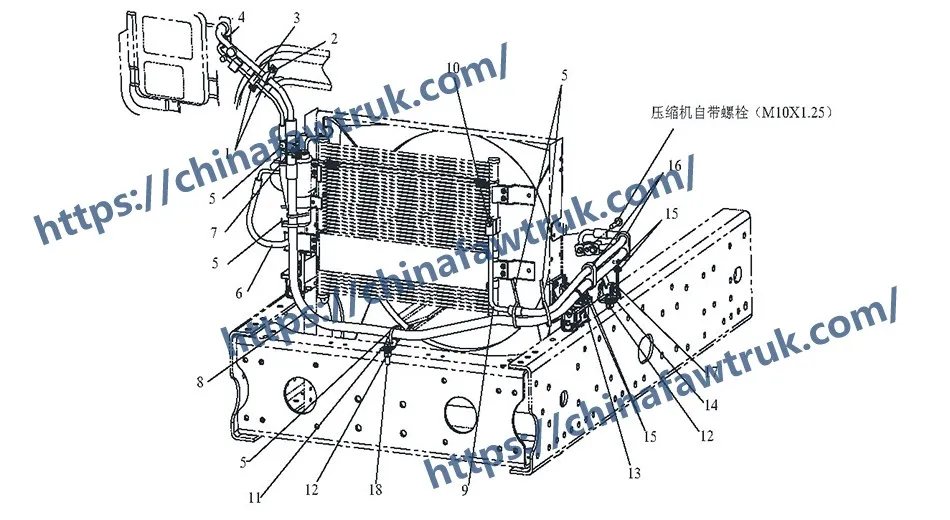
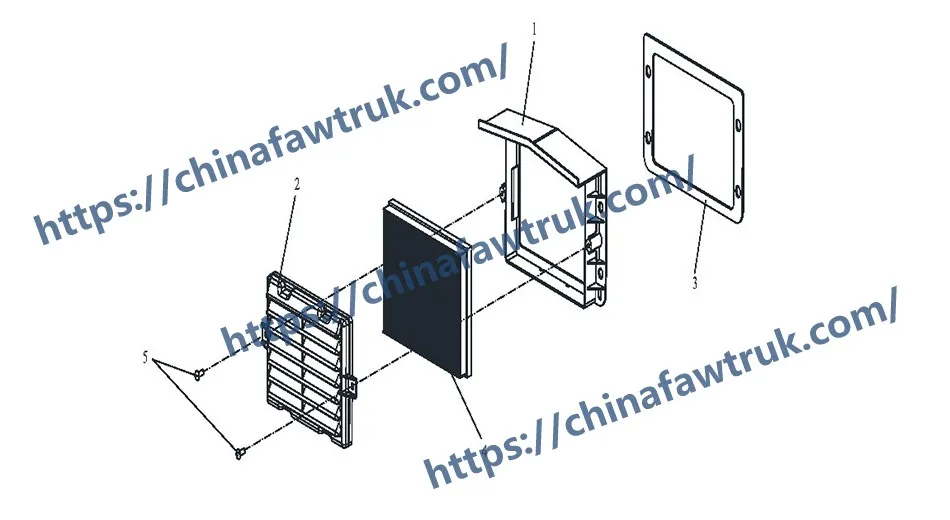
A tabela a seguir fornece o completo, análise não editada do Filtro de combustível russo FAW conjunto. Cada parafuso, noz, e o sensor estão listados para garantir que as equipes de manutenção possam obter as peças de reposição exatas necessárias para manter a integridade da filtragem do sistema de combustível.
| Não. |
Número da peça |
Nome da peça |
Quantidade |
| 1 |
1105010-2007-C00 |
Conjunto do filtro de combustível (Padrão) |
1 |
| 2 |
1105121-1767 |
Suporte do filtro de combustível |
1 |
| 3 |
Q1841245 |
Parafuso de flange hexagonal (Haste Grossa/Padrão) |
4 |
| 4 |
CQ32612 |
Porca de travamento de flange hexagonal |
4 |
| 5 |
Q1841450 |
Parafuso de flange hexagonal (Haste Grossa/Padrão) |
4 |
| 6 |
CQ32614 |
Porca de travamento de flange hexagonal |
4 |
| 1-1 |
1105050-2007 |
Conjunto do núcleo do filtro de combustível (Elemento) |
1 |
| 1-2 |
1105150C50A |
Conjunto de alarme de nível de água (Sensor) |
1 |
Protocolos de diagnóstico para saúde do combustível
Mantendo o Filtro de combustível russo FAW é uma atividade estritamente programada. O elemento filtrante (1-1) deve ser substituído nos intervalos especificados, ou antes se a qualidade do combustível for suspeita. Um filtro entupido se manifestará como perda de energia sob carga, enquanto o motor fica sem combustível. No inverno, isso pode ser confundido com gelificação de combustível; verificar a queda de pressão no filtro é a etapa definitiva do diagnóstico.
O Conjunto de alarme de nível de água requer testes regulares. Desconecte o sensor e verifique se a luz do painel acende (ou extingue, dependendo da lógica). Inspecione a fiação na base do sensor; está sujeito a danos causados por detritos levantados pelos pneus. Um fio quebrado desativará o alarme, deixando o motor vulnerável a danos causados pela água. Drene a tigela de água diariamente no inverno para evitar que a água congele e quebre o visor de plástico.
Inspecione o Suporte do filtro de combustível para rachaduras, particularmente em torno dos furos de montagem para o Parafusos de flange hexágono. A fadiga por vibração é comum em caminhões de alta quilometragem. Certifique-se de que Porcas de fixação de flange hexagonal estão apertados; se eles podem ser girados manualmente, o recurso de travamento está desgastado, e eles devem ser substituídos. Um conjunto de filtro solto cria um perigo para as linhas de combustível conectadas a ele.
Conclusão: O guardião da vida útil do motor
O Filtro de combustível russo FAW não é uma mercadoria genérica; é um instrumento especializado de proteção de motores projetado para os rigores específicos da Federação Russa. Sua filtragem bifásica elimina as duas maiores ameaças aos motores diesel modernos: material particulado e água.
O sistema de montagem robusto, com suportes resistentes e hardware de travamento, garante que o filtro permaneça operacional apesar da vibração intensa do trabalho off-road. Para proprietários de frotas, tratando o Filtro de combustível russo FAW com o respeito que merece - usando apenas núcleos de reposição genuínos e cumprindo os cronogramas de drenagem - é a maneira mais eficaz de evitar falhas dispendiosas no sistema de injeção e garantir a lucratividade do veículo a longo prazo.
Embalagem e Logística
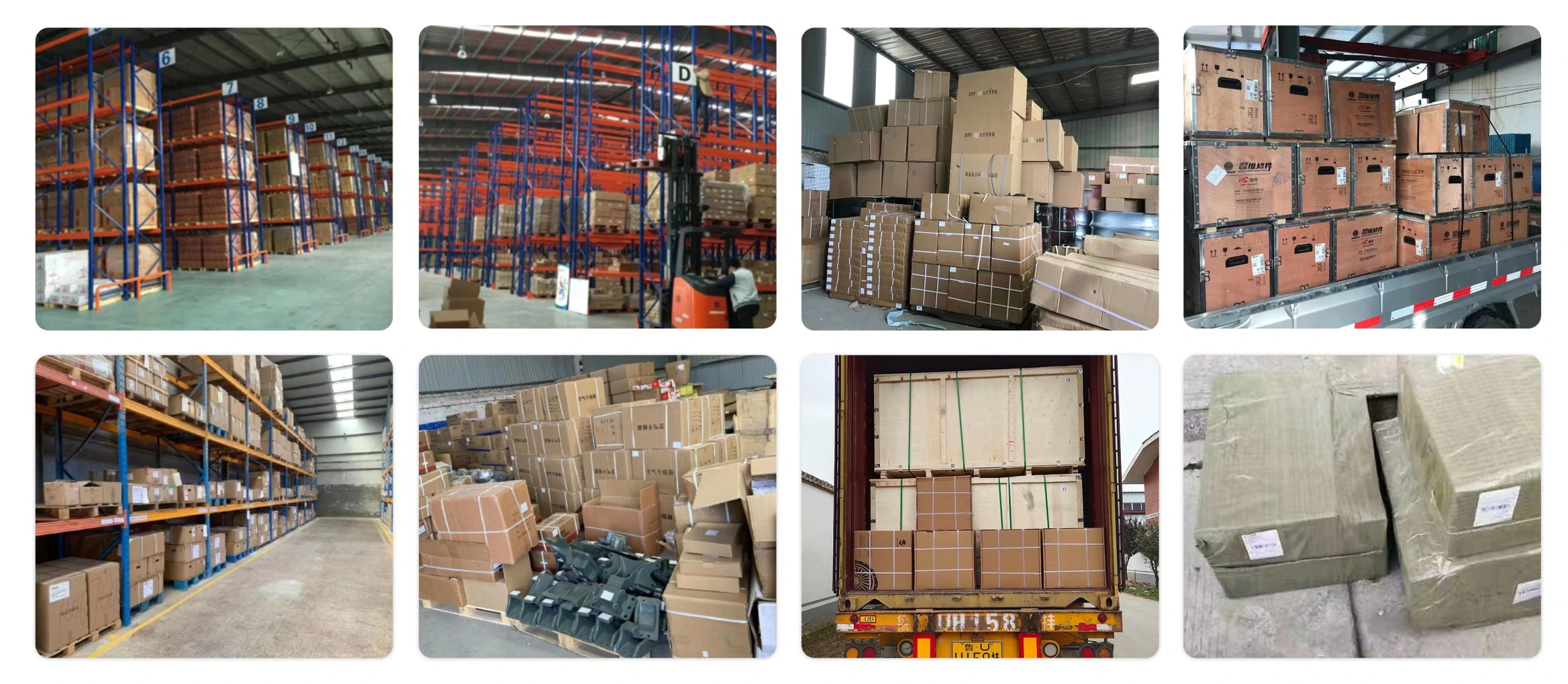
Peças FAW, incluindo o conjunto do bloco de cilindros, são embalados com cuidado para garantir uma entrega segura. Cada componente é protegido por materiais de proteção para evitar danos durante o transporte. A rede logística garante envios pontuais em todo o mundo, apoiando operações de manutenção eficientes. Abaixo está uma imagem ilustrando a embalagem padrão para peças de caminhão FAW, mostrando a atenção aos detalhes no manuseio e armazenamento.
Esta abordagem de embalagem minimiza o risco de corrosão ou danos por impacto, garantindo que peças como o conjunto do bloco de cilindros FAW cheguem em perfeitas condições. Os clientes podem confiar na logística da FAW para obter qualidade e confiabilidade consistentes.