Tanque Russo de Ureia FAW: 32 Componentes de precisão para controle de emissões do Ártico em conformidade
O Tanque Russo de Ureia FAW módulo é a pedra angular ambiental do caminhão basculante pesado CA3250P66K24L1TE5Z. Operar nas extensões geladas da Federação Russa requer mais do que apenas um reservatório; exige um sofisticado sistema de gerenciamento térmico para evitar que o fluido de escapamento diesel (DEF) de cristalizar a -11°C. Este guia completo disseca a tubulação aquecida eletricamente, a bomba doseadora de precisão, e a arquitetura de montagem robusta que garante este SCR (Redução Catalítica Seletiva) o sistema funciona perfeitamente em condições abaixo de zero.

Tanque Russo de Ureia FAW
O reservatório: Armazenamento e Aquecimento Ativo
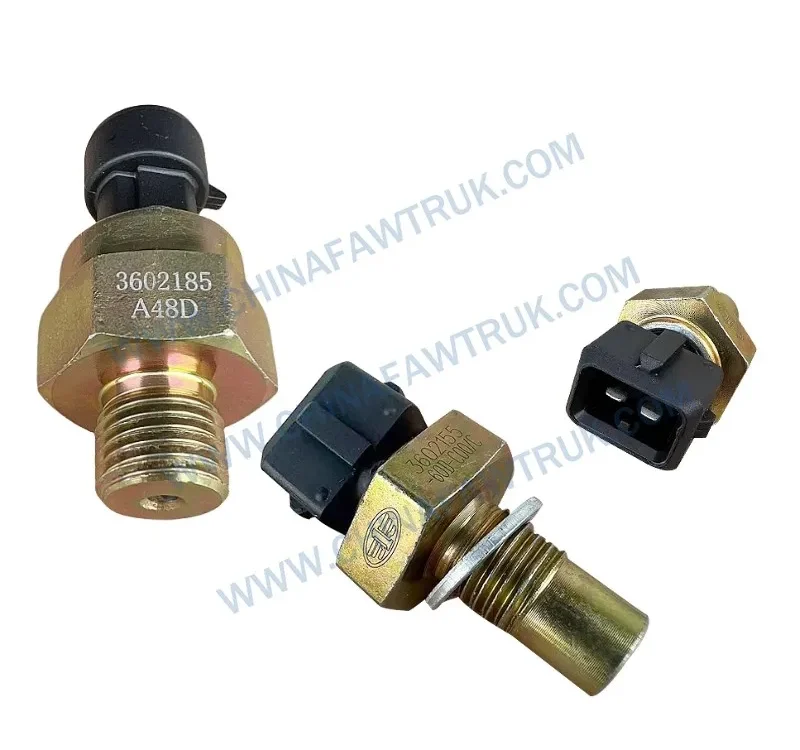
O núcleo do sistema é o Montagem do tanque de uréia (Parte não. 1160010-76C). Este componente é muito mais complexo do que um tanque de combustível padrão. No Tanque Russo de Ureia FAW projeto, o reservatório deve atuar como um recipiente de aquecimento. Solução de uréia (AdBlue) congela a -11°C, uma temperatura frequentemente excedida nos invernos russos. Para combater isso, o tanque está equipado com elementos de aquecimento internos ou circuitos de refrigeração gerenciados pelo Conjunto de sensor de nível e temperatura de ureia (Parte não. 3602525-76W-C00). Este sensor fornece feedback crítico para a ECU, desencadeando o ciclo de descongelamento antes que o motor possa produzir alto torque.
O transporte de fluido para fora do tanque é gerenciado por uma série de linhas especializadas, como o Tubo de fornecimento de uréia aquecido eletricamente – Tanque para bomba (Parte não. 1160120-66C). Ao contrário das linhas de combustível padrão, esses tubos apresentam fios de aquecimento resistivos integrados enrolados no núcleo. Este aquecimento ativo evita que a uréia congele nas linhas estreitas durante a operação, um ponto de falha comum em caminhões com especificações fora do Ártico. O Tanque Russo de Ureia FAW sistema garante que o fluido permaneça líquido desde o reservatório até a unidade de dosagem.
Além disso, o sistema inclui o Tubulação de água de entrada de aquecimento de uréia – Motor para Solenóide (Parte não. 1160128-55R) e o Tubo de água de retorno de aquecimento de uréia (Parte não. 1160127-28V). Esses componentes utilizam o calor residual do motor para manter a temperatura do tanque durante viagens longas. Esta estratégia de aquecimento duplo – elétrico para partida e refrigerante para funcionamento – é uma marca registrada do Tanque Russo de Ureia FAW engenharia, maximizando a eficiência energética e garantindo a conformidade com as emissões.
O material estrutural do tanque é polietileno de alta densidade (PEAD) ou polímero robusto semelhante, escolhido por sua resistência química à natureza corrosiva da uréia. No entanto, os plásticos podem se tornar quebradiços no frio extremo. A formulação específica utilizada no Tanque Russo de Ureia FAW é modificado contra impacto para suportar os choques e vibrações das operações de caminhões basculantes fora de estrada a -40°C sem rachar.
Injeção de Precisão: Dinâmica de bombas e bicos
A pressurização do fluido é de responsabilidade do Conjunto de bomba de uréia (Parte não. 1161010-76C). Esta bomba de diafragma de precisão deve fornecer quantidades exatas de ureia ao fluxo de exaustão com base nos dados do sensor NOx em tempo real. No Tanque Russo de Ureia FAW sistema, a bomba também é capaz de reverter o fluxo. Quando o motor está desligado, a bomba purga as linhas, sugar a uréia de volta para o tanque para evitar que ela congele e se expanda no delicado bico ou linhas.
A atomização do fluido ocorre no Conjunto de bico de ureia (Parte não. 1161210-76C). Este injetor fica diretamente no fluxo de exaustão quente. Para evitar que o próprio bico superaqueça ou fique obstruído com uréia cristalizada, é resfriado pelo Conjunto de tubulação de água de entrada de resfriamento do bocal de ureia (Parte não. 1160315-61S) e o Conjunto de tubo de água de retorno de resfriamento do bocal de ureia (Parte não. 1160310-61S). Este resfriamento líquido ativo é vital para a longevidade do bico no Tanque Russo de Ureia FAW ecossistema.
Conectar a bomba ao bocal é o Tubo de fornecimento de uréia aquecido eletricamente – Bomba para bocal (Parte não. 1160130-66C). Como o lado de sucção, esta linha de pressão é aquecida eletricamente. Os conectores nessas linhas são acessórios especializados de conexão rápida que devem ser manuseados com cuidado. Um conector danificado no Tanque Russo de Ureia FAW circuito geralmente requer a substituição de todo o conjunto da linha aquecida, que é um reparo caro.
A segurança desses componentes é crítica. O Suporte de tubulação para bico de ureia (Parte não. 1160126-73C) e o Suporte de tubulação da bomba de uréia (Parte não. 1160126-61S) garantir que as linhas não vibrem contra o chassi. A vibração pode desgastar o isolamento do elemento de aquecimento, causando curto-circuitos. A montagem rígida fornecida por estes suportes garante a Tanque Russo de Ureia FAW sistema permanece intacto ao longo de milhares de quilômetros de terreno acidentado.
Lógica de montagem: Correias, Forros, e colchetes
A segurança física do tanque é mantida pelo Conjunto de alça do tanque de ureia (Parte não. 1160140-66C). Estas tiras de aço inoxidável envolvem o tanque, segurando-o contra os suportes do chassi. No Tanque Russo de Ureia FAW instalação, o contato metal-plástico é evitado usando o Forro de cinta (Parte não. 1160134-87V). Esta interface de borracha evita que as tiras cortem o tanque de polímero e fornece amortecimento de vibrações.
Apoiando o tanque por baixo está o Forro inferior do tanque de uréia (Parte não. 1160117-66C) e o Conjunto de soldagem de suporte de tanque de ureia (Parte não. 1160105-66C). Esta estrutura resistente é aparafusada à estrutura do caminhão. Dado o ambiente agressivo e corrosivo das estradas russas, onde os sais são usados liberalmente, esses suportes são normalmente revestidos com tratamentos anticorrosivos avançados para evitar falhas estruturais.
Os fixadores usados, como o Parafuso de flange hexagonal (Parte não. Q1841445T) e o Parafuso de combinação (Parte não. CQ1461025), são unidades de alta resistência. O design da cabeça do flange distribui a carga de fixação, garantindo que os colchetes não se movam. A verificação do torque nesses parafusos é um procedimento de manutenção padrão para o Tanque Russo de Ureia FAW, pois um tanque solto pode danificar as delicadas conexões elétricas e de fluido.
O gerenciamento de cabos é feito pelo Abraçadeira de plástico (Parte não. T67417246). Há 24 destes especificados, destacando a complexidade da fiação e do chicote de encanamento. No Tanque Russo de Ureia FAW sistema, o roteamento e a fixação adequados das linhas aquecidas são essenciais para evitar atrito e curtos-circuitos, o que pode desativar o sistema de aquecimento e congelar a unidade.
Lista detalhada de componentes
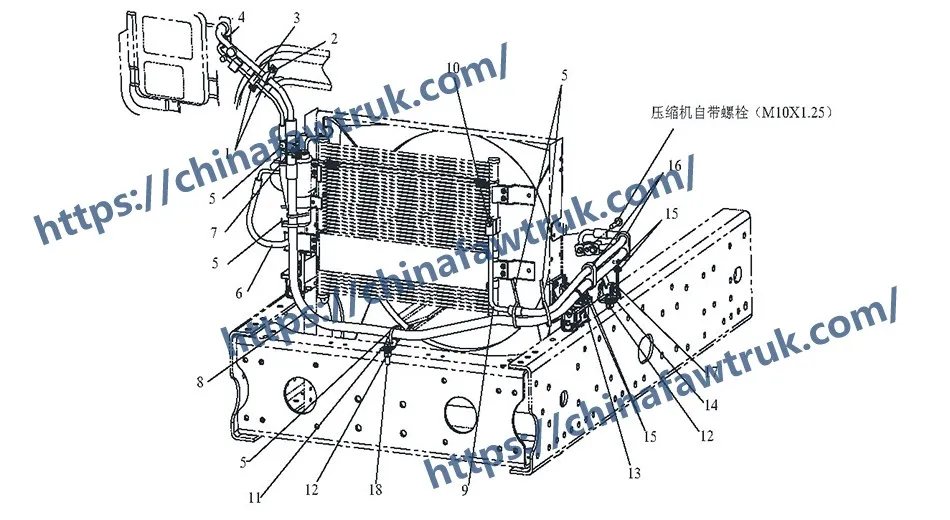
A tabela a seguir fornece o completo, análise exaustiva do Tanque Russo de Ureia FAW módulo. Inclui todos 32 componentes identificados nos diagramas de montagem, garantindo que cada suporte, sensor, e o parafuso são contabilizados durante a manutenção ou reparo.
| Não. |
Número da peça |
Nome da peça |
Quantidade |
| 1 |
T67417246 |
Abraçadeira de plástico |
24 |
| 2 |
1160120-66C |
Tubo de fornecimento de uréia aquecido eletricamente – Tanque para bomba |
1 |
| 3 |
1160250-66C |
Tubo de fornecimento de uréia aquecido eletricamente – Bomba para tanque |
1 |
| 4 |
CQ67625 |
Braçadeira de mangueira de acionamento sem-fim pequeno |
6 |
| 5 |
1160129-66C |
Tubulação de água de entrada de aquecimento de uréia – Solenóide para Tanque |
1 |
| 6 |
1160130-66C |
Tubo de fornecimento de uréia aquecido eletricamente – Bomba para bocal |
1 |
| 7 |
1160127-28V |
Tubo de água de retorno de aquecimento de uréia |
1 |
| 8 |
1160128-55R |
Tubulação de água de entrada de aquecimento de uréia – Motor para Solenóide |
1 |
| 9 |
1160315-61S |
Conjunto de tubulação de água de entrada de resfriamento do bocal de ureia |
1 |
| 10 |
1160310-61S |
Conjunto de tubo de água de retorno de resfriamento do bocal de ureia |
1 |
| 11 |
CQ2180625 |
Parafuso de cabeça sextavada |
3 |
| 12 |
1161210-76C |
Conjunto de bico de ureia |
1 |
| 13 |
1160126-73C |
Suporte de tubulação para bico de ureia |
1 |
| 14 |
CQ1460816 |
Parafuso de combinação |
2 |
| 15 |
1160126-61S |
Suporte de tubulação da bomba de uréia |
1 |
| 16 |
CQ1461025 |
Parafuso de combinação |
1 |
| 17 |
1160126A76R |
Suporte de tubulação de uréia |
1 |
| 18 |
CQ34008 |
Noz hexadecimal |
8 |
| 19 |
1160140-66C |
Conjunto de alça do tanque de ureia |
2 |
| 20 |
1160134-87V |
Forro de cinta |
2 |
| 21 |
1160010-76C |
Montagem do tanque de uréia |
1 |
| 21-1 |
1160015-76W-C00 |
Subconjunto do Tanque de Ureia |
1 |
| 21-2 |
3602525-76W-C00 |
Conjunto de sensor de nível e temperatura de ureia |
1 |
| 22 |
1160117-66C |
Forro inferior do tanque de uréia |
2 |
| 23 |
CQ1500860 |
Parafuso de cabeça hexagonal |
3 |
| 24 |
Q40308 |
Arruela elástica |
3 |
| 25 |
Q40108 |
Máquina de lavar |
3 |
| 26 |
1161010-76C |
Conjunto de bomba de uréia |
1 |
| 27 |
Q1841445T |
Parafuso de flange hexadecimal (Padrão) |
2 |
| 28 |
Q1841455T |
Parafuso convexo de cabeça sextavada |
2 |
| 29 |
1160126-93B |
Suporte de tubulação para bico de ureia |
1 |
| 30 |
1160105-66C |
Conjunto de soldagem de suporte de tanque de ureia |
1 |
Protocolos de diagnóstico para saúde do SCR
Inspecionando o Tanque Russo de Ureia FAW requer verificação de depósitos cristalinos brancos. Esses cristais, formado por uréia seca, são os inimigos do sistema. Se for encontrado perto do Conjunto de bomba de uréia ou conexões de mangueira, eles indicam um vazamento. No tempo frio, mesmo um pequeno vazamento pode congelar e expandir, quebrando a cara carcaça da bomba. Limpar esses depósitos com água morna é o primeiro passo no diagnóstico.
Teste os circuitos de aquecimento regularmente. Com a ignição ligada e o motor frio, verifique a resistência do Tubo de fornecimento de uréia aquecido eletricamente conectores. Um circuito aberto significa que o fio do aquecedor está quebrado, e o tubo deve ser substituído. Um tubo congelado irá desencadear um “Pressão do redutor muito baixa” código de falha e desclassificar o motor.
Finalmente, verificar a integridade do Conjunto de alça do tanque de ureia. O acúmulo de sal na estrada sob as correias pode causar seu apodrecimento. Se uma alça quebrar, o tanque pode mudar, estressando as linhas rígidas de refrigerante e causando um vazamento de refrigerante. Certifique-se de que Forro de cinta está intacto para evitar abrasão de metal sobre plástico que pode perfurar o tanque.
Conclusão: Conformidade no frio
O Tanque Russo de Ureia FAW é um sofisticado sistema de armazenamento e entrega de produtos químicos projetado para operar onde outros sistemas falham. A sua lógica de aquecimento integrada e a seleção robusta de materiais garantem que a conformidade com as emissões seja mantida mesmo nas profundezas do inverno russo.
Para proprietários de frotas, o custo de negligenciar este sistema é alto. Um tanque de ureia congelado leva à perda de potência do motor e potenciais multas. Usando peças de reposição genuínas FAW, incluindo as linhas aquecidas específicas e sensores de clima frio, você protege seu investimento e garante que seus veículos permaneçam produtivos e em conformidade, não importa a temperatura.
Embalagem e Logística
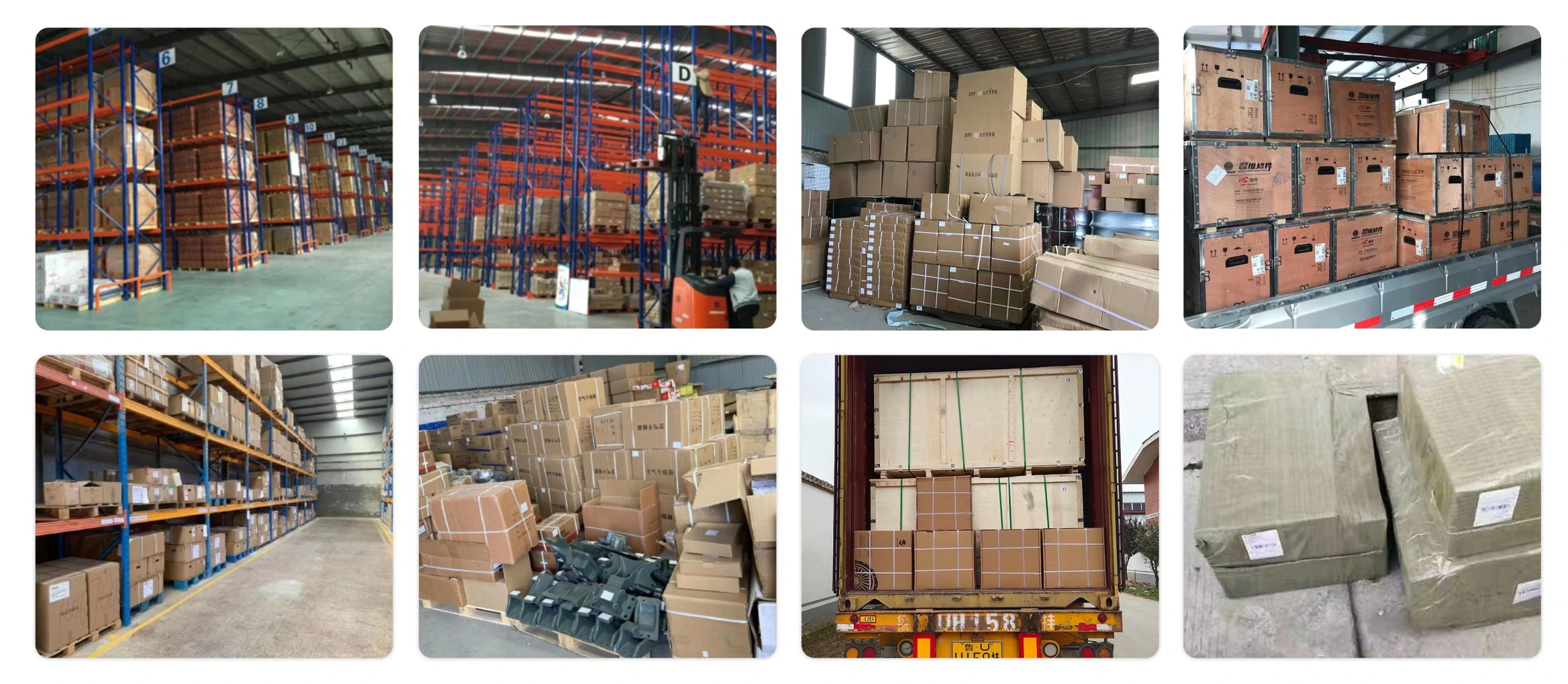
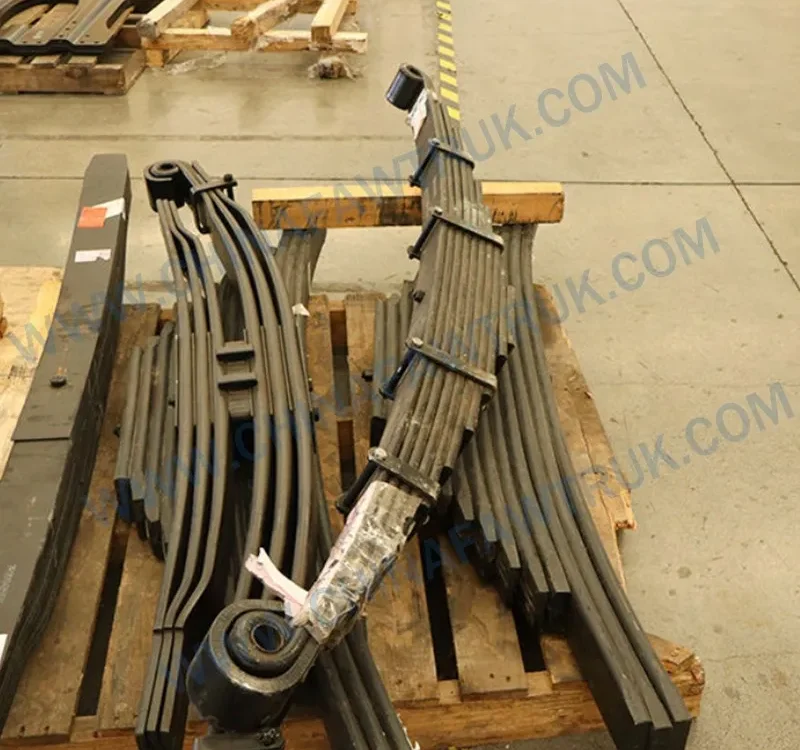
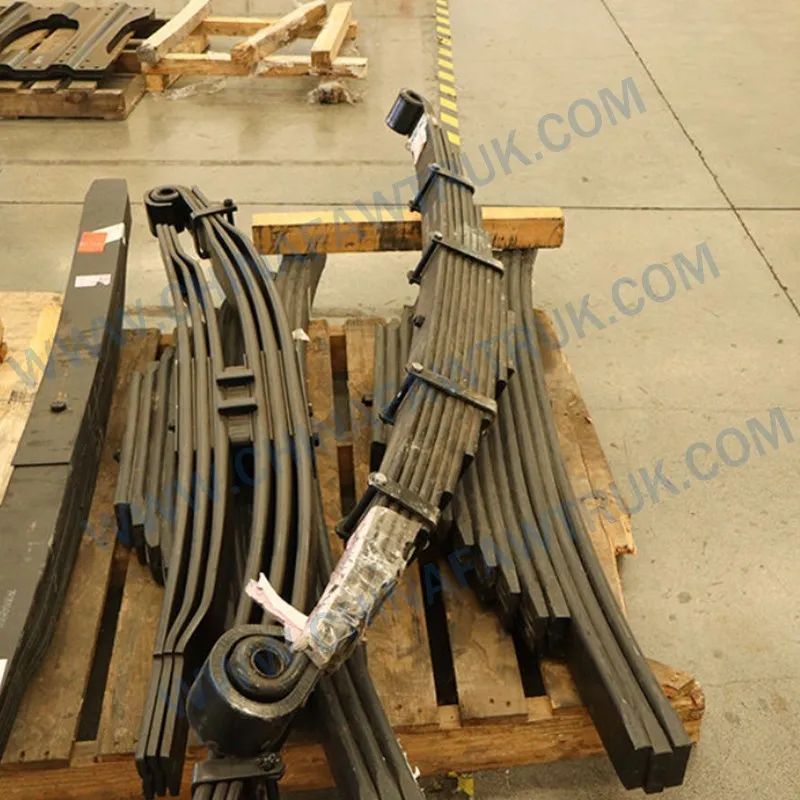
Peças FAW, incluindo o conjunto do bloco de cilindros, são embalados com cuidado para garantir uma entrega segura. Cada componente é protegido por materiais de proteção para evitar danos durante o transporte. A rede logística garante envios pontuais em todo o mundo, apoiando operações de manutenção eficientes. Abaixo está uma imagem ilustrando a embalagem padrão para peças de caminhão FAW, mostrando a atenção aos detalhes no manuseio e armazenamento.
Esta abordagem de embalagem minimiza o risco de corrosão ou danos por impacto, garantindo que peças como o conjunto do bloco de cilindros FAW cheguem em perfeitas condições. Os clientes podem confiar na logística da FAW para obter qualidade e confiabilidade consistentes.