FAW Russian Fuel Filter: 8 Precision Components for Ultimate Diesel Purity in Arctic Conditions
The FAW Russian Fuel Filter stands as the primary line of defense for the CA3250P66K24L1TE5Z dump truck’s sophisticated injection system. Operating in the harsh, contaminant-rich environment of Russian mining and construction sites requires a filtration strategy that goes beyond simple screening. This assembly combines high-efficiency particulate separation with advanced water stripping technology to protect the high-pressure fuel pump from catastrophic seizure. This comprehensive guide dissects the filter architecture, the critical water level alarm system, and the heavy-duty mounting logic required to maintain fuel integrity when temperatures drop to -40°C.

FAW Russian Fuel Filter
Core Technology: Dual-Phase Separation
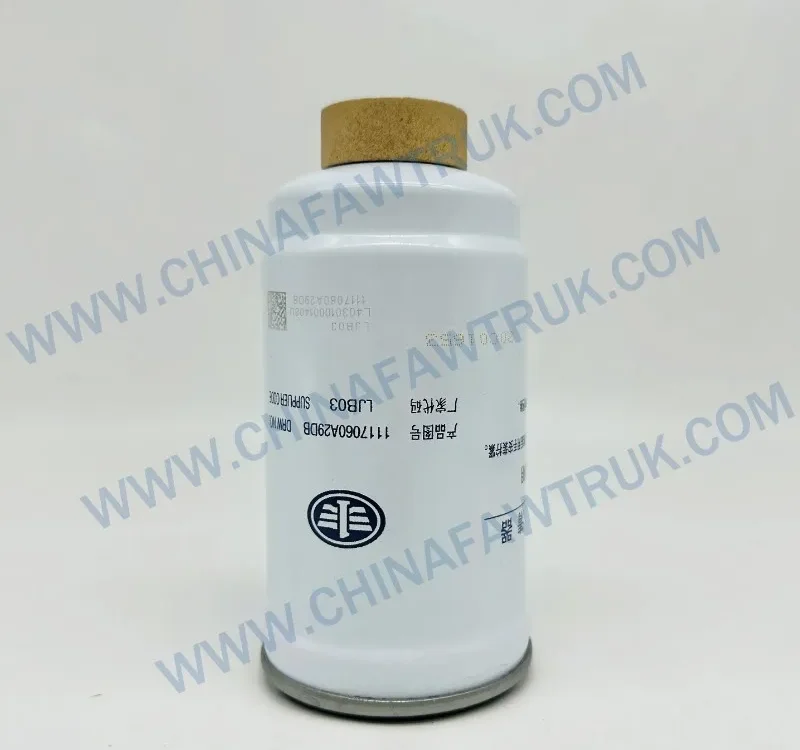
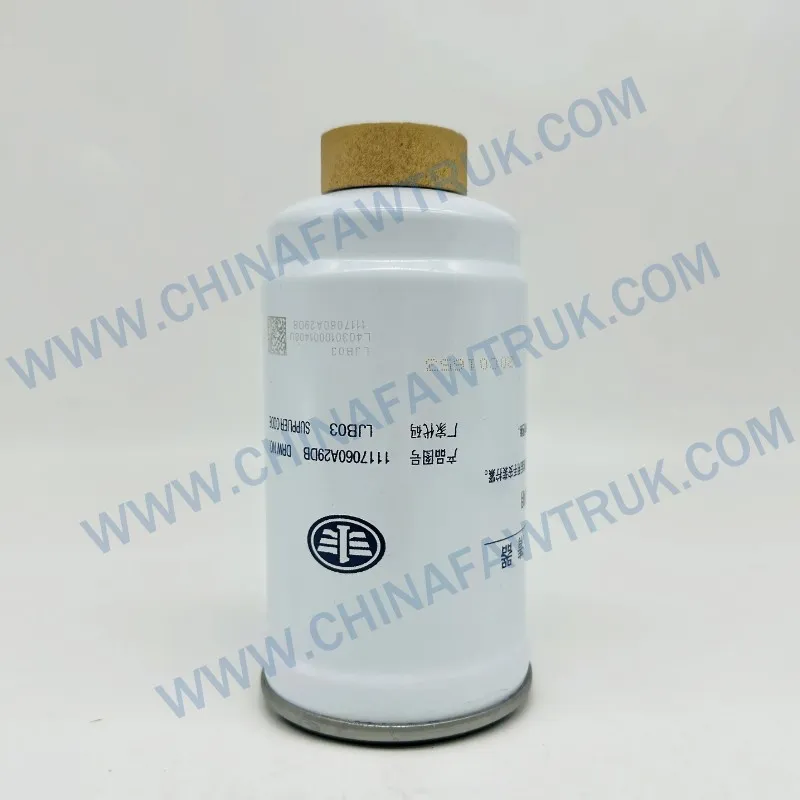
The functional heart of the system is the Fuel Filter Assembly (Pattern) (Part No. 1105010-2007-C00), which houses the replaceable Fuel Filter Core Assembly (Element) (Part No. 1105050-2007). In the context of the FAW Russian Fuel Filter, the filtration media is engineered to handle the specific challenges of Russian diesel fuel, which often contains higher levels of sulfur, paraffin, and suspended water than European standards.
The filter element utilizes a multi-layered synthetic composite media. The outer layer acts as a coarse screen, trapping large rust particles and tank sediment that could clog the inner pleats. The inner layers of the FAW Russian Fuel Filter core are designed for fine filtration, capturing particles down to 3-5 microns. This level of precision is mandatory for Common Rail Direct Injection (CRDI) systems, where injector tolerances are measured in sub-microns. Even a speck of dust invisible to the naked eye can score the injector needle, leading to continuous fuel dribble, piston melting, and engine destruction.
Crucially, the media in the FAW Russian Fuel Filter is treated with a hydrophobic (water-repelling) coating. As diesel fuel flows through the media, water droplets are unable to pass. They bead up on the surface of the filter element and coalesce into larger drops, which then gravity-feed down into the collection bowl at the bottom of the housing. This separation process is vital in winter; if water passes through to the high-pressure pump, it can flash-boil due to the heat of pressurization (1800+ bar), causing the injector tips to explode from the inside out.
The structural integrity of the Fuel Filter Core Assembly is also reinforced to prevent collapse. In extreme cold (-40°C), diesel fuel waxes and thickens. This increases the pressure differential across the filter media significantly. A standard paper filter would implode under this suction, sending unfiltered debris into the engine. The FAW Russian Fuel Filter element features a rigid internal center tube and wire-backed media to withstand these high differential pressures during cold starts, ensuring flow is maintained without compromising filtration efficiency.
Active Monitoring: The Water Level Alarm
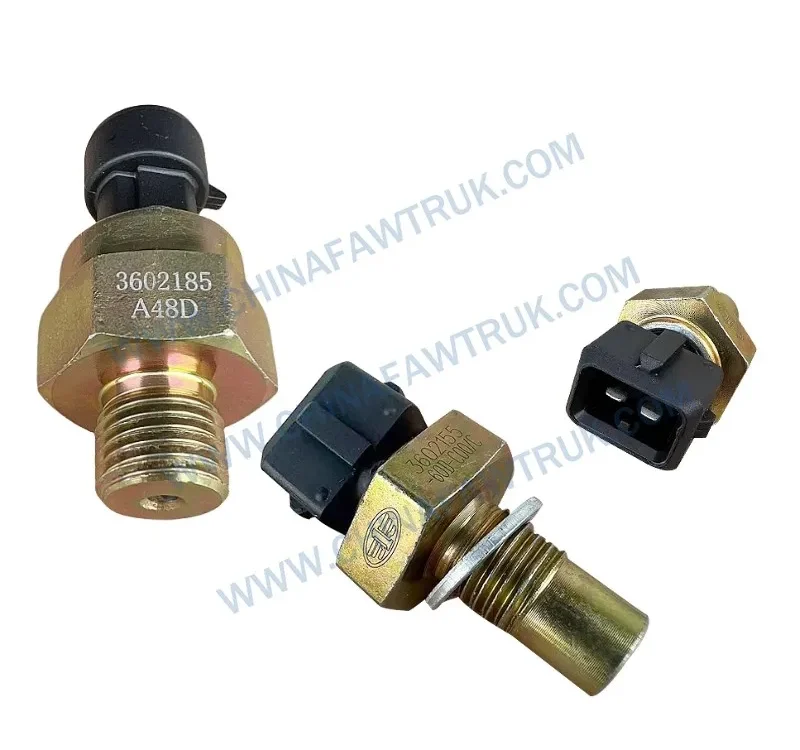
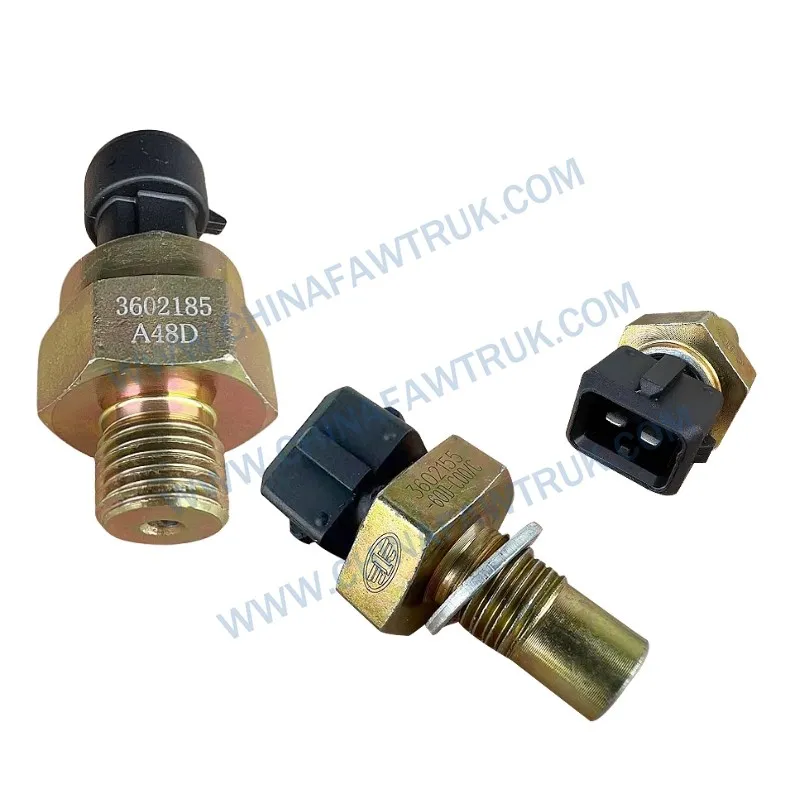
Integrated into the base of the filter assembly is the Water Level Alarm Assembly (Pattern) (Part No. 1105150C50A). This sensor provides the driver with a critical early warning. Since the FAW Russian Fuel Filter is designed to strip water from the fuel, this water accumulates in the collection bowl. If the bowl fills up, the water will eventually be forced through the filter element and into the engine.
The sensor operates on the principle of electrical conductivity. Diesel fuel is a dielectric (insulator), while water is conductive. The Water Level Alarm Assembly features two probes that sit at a specific height within the bowl. When the separated water level rises enough to bridge these probes, the circuit completes, triggering a dashboard warning light. In the FAW Russian Fuel Filter system, this alert allows the driver to stop and drain the water separator before engine damage occurs.
For the Russian market, this sensor is ruggedized. The external connector is sealed against road salt and moisture ingress, preventing false alarms caused by short circuits. The probes themselves are made from corrosion-resistant materials to withstand the acidic nature of the water-fuel interface. A functioning alarm is the failsafe for the entire FAW Russian Fuel Filter system; without it, the water separation capability is finite and eventually overwhelmed.
This component also typically includes the drain valve mechanism. While the diagram lists the alarm assembly, the physical integration usually allows for manual draining. In Arctic conditions, this drain valve must be robust enough to be operated with gloved hands and resistant to freezing shut. The FAW Russian Fuel Filter design prioritizes this serviceability, acknowledging that daily draining may be necessary in regions with poor fuel quality.
Vibration Isolation: The Heavy-Duty Bracket
The filtration unit is secured to the chassis or engine block via the Fuel Filter Bracket (Part No. 1105121-1767). This is not a simple stamped piece of metal; it is a heavy-gauge structural component designed to support the significant weight of a fuel-filled filter assembly. The FAW Russian Fuel Filter, when full of diesel and separated water, creates a substantial cantilevered load that is amplified by the intense vibrations of the heavy-duty diesel engine and the shocks from rough mining roads.
If the bracket were too flexible, the filter assembly would oscillate, leading to metal fatigue in the fuel lines connecting to it. This would result in fuel leaks or air ingress, stalling the engine. The FAW Russian Fuel Filter bracket is engineered with stiffening ribs to raise its natural frequency above the engine’s vibration range, ensuring the filter remains static relative to its mounting point.
The bracket also serves as the grounding point for the filter housing in some configurations, dissipating static electricity generated by the rapid flow of fuel. Static buildup in fuel systems can be dangerous; the FAW Russian Fuel Filter mounting design ensures continuous electrical continuity to the chassis ground, mitigating discharge risks.
Corrosion protection for the Fuel Filter Bracket is paramount. Positioned low on the frame, it is constantly bombarded by gravel and corrosive de-icing salts. FAW utilizes a thick powder coat or zinc-plating finish to prevent rust jacking, which could otherwise weaken the mounting points or make filter removal difficult due to seized bolts.
Secure Fixation: Flange Bolts and Lock Nuts
The security of the FAW Russian Fuel Filter relies on a specific set of high-tensile fasteners. The assembly uses Hexagon Flange Bolts (Coarse Shank/Standard) in two sizes: Part No. Q1841245 and Q1841450. The “Coarse Shank” designation indicates a standard thread pitch designed for maximum pull-out strength in cast iron or steel.
The flange head design is critical for the FAW Russian Fuel Filter installation. It eliminates the need for separate washers, which are easily dropped and lost in the snow during field repairs. The wide flange distributes the clamping load over a larger area of the bracket, preventing the bolt head from embedding into the metal and losing tension. This distributed load is essential for maintaining torque in a high-vibration environment.
To ensure these bolts never back out, the system employs Hexagon Flange Lock Nuts (Part Nos. CQ32612 and CQ32614). These nuts feature a locking feature—either a nylon insert or a distorted thread form—that creates prevailing torque. Once tightened, the nut mechanically grips the bolt thread. In the FAW Russian Fuel Filter application, this prevents the mounting hardware from loosening due to the harmonic resonance of the diesel engine.
Using standard nuts without locking features would be a critical failure point. A loose fuel filter bracket can lead to fractured fuel lines and a high-pressure diesel spray, creating a significant fire hazard. The FAW Russian Fuel Filter fastening strategy prioritizes safety and retention above all else, ensuring the filtration system remains securely attached for the life of the vehicle.
Component Breakdown List
The following table provides the complete, unedited breakdown of the FAW Russian Fuel Filter assembly. Every bolt, nut, and sensor is listed to ensure that maintenance teams can source the exact replacement parts needed to maintain the filtration integrity of the fuel system.
| No. |
Part Number |
Part Name |
Qty |
| 1 |
1105010-2007-C00 |
Fuel Filter Assembly (Pattern) |
1 |
| 2 |
1105121-1767 |
Fuel Filter Bracket |
1 |
| 3 |
Q1841245 |
Hexagon Flange Bolt (Coarse Shank/Standard) |
4 |
| 4 |
CQ32612 |
Hexagon Flange Lock Nut |
4 |
| 5 |
Q1841450 |
Hexagon Flange Bolt (Coarse Shank/Standard) |
4 |
| 6 |
CQ32614 |
Hexagon Flange Lock Nut |
4 |
| 1-1 |
1105050-2007 |
Fuel Filter Core Assembly (Element) |
1 |
| 1-2 |
1105150C50A |
Water Level Alarm Assembly (Sensor) |
1 |
Diagnostic Protocols for Fuel Health
Maintaining the FAW Russian Fuel Filter is a strictly scheduled activity. The filter element (1-1) must be replaced at the specified intervals, or sooner if fuel quality is suspect. A clogged filter will manifest as power loss under load, as the engine starves for fuel. In winter, this can be mistaken for fuel gelling; checking the pressure drop across the filter is the definitive diagnostic step.
The Water Level Alarm Assembly requires regular testing. Disconnect the sensor and verify that the dashboard light illuminates (or extinguishes, depending on logic). Inspect the wiring at the base of the sensor; it is prone to damage from debris kicked up by the tires. A broken wire will disable the alarm, leaving the engine vulnerable to water damage. Drain the water bowl daily in winter to prevent the water from freezing and cracking the plastic sight glass.
Inspect the Fuel Filter Bracket for cracks, particularly around the mounting holes for the Hexagon Flange Bolts. Vibration fatigue is common in high-mileage trucks. Ensure the Hexagon Flange Lock Nuts are tight; if they can be turned by hand, the locking feature is worn out, and they must be replaced. A loose filter assembly creates a hazard for the fuel lines connected to it.
Conclusion: The Gatekeeper of Engine Life
The FAW Russian Fuel Filter is not a generic commodity; it is a specialized instrument of engine protection designed for the specific rigors of the Russian Federation. Its dual-phase filtration removes the two greatest threats to modern diesel engines: particulate matter and water.
The robust mounting system, featuring heavy-duty brackets and locking hardware, ensures that the filter remains operational despite the punishing vibration of off-road work. For fleet owners, treating the FAW Russian Fuel Filter with the respect it deserves—using only genuine replacement cores and adhering to drain schedules—is the single most effective way to prevent costly injection system failures and ensure the long-term profitability of the vehicle.
Packaging and Logistics
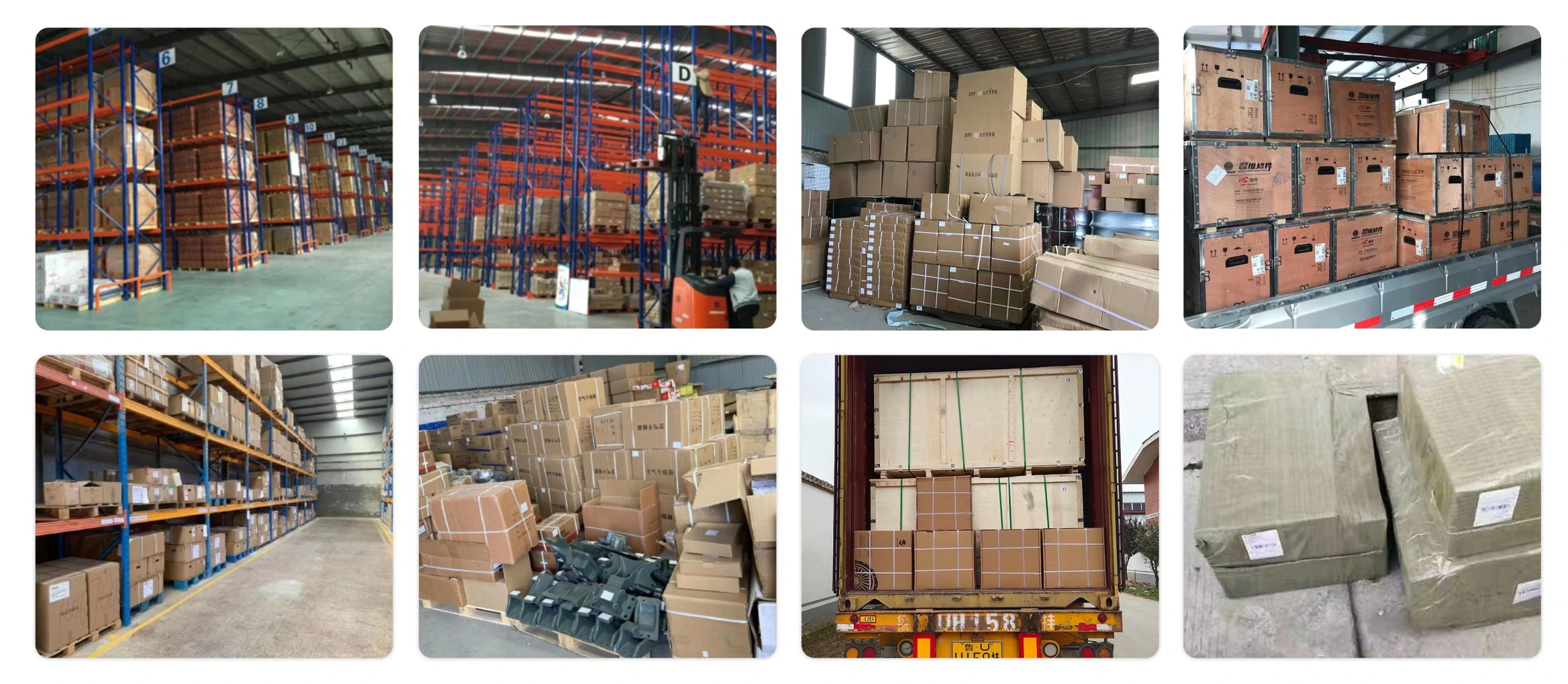
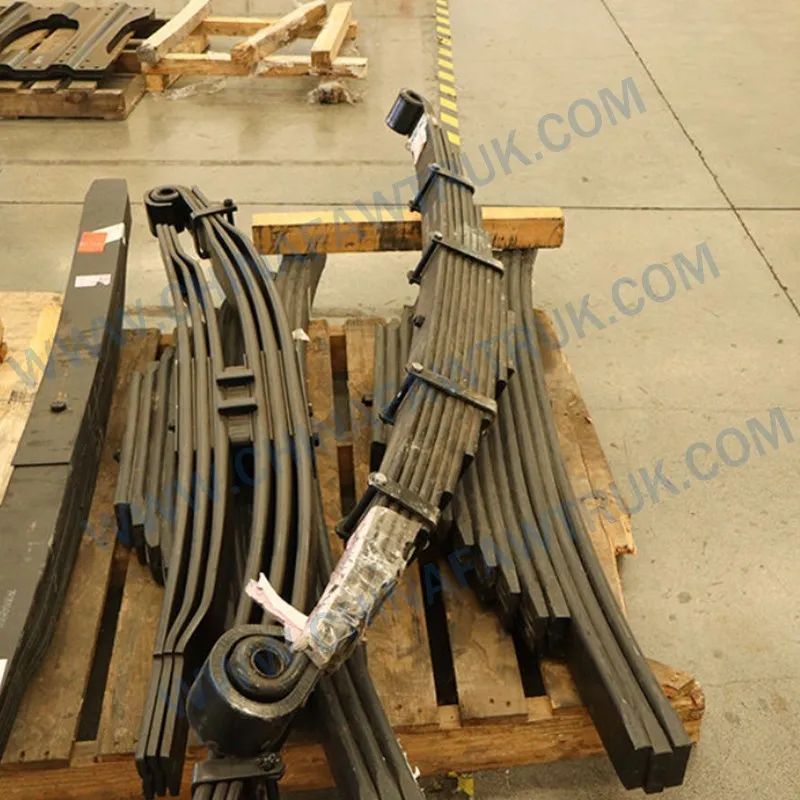
FAW parts, including the Cylinder Block Assembly, are packaged with care to ensure safe delivery. Each component is secured in protective materials to prevent damage during transit. The logistics network guarantees timely shipments worldwide, supporting efficient maintenance operations. Below is an image illustrating the standard packaging for FAW truck parts, showcasing the attention to detail in handling and storage.
This packaging approach minimizes the risk of corrosion or impact damage, ensuring that parts like the FAW Cylinder Block Assembly arrive in perfect condition. Customers can rely on FAW’s logistics for consistent quality and reliability.