Module de réservoir de carburant russe FAW: 26 Des composants de précision pour une livraison imparable de carburant dans l’Arctique
Le Module de réservoir de carburant russe FAW est le réservoir d'énergie stratégique du camion benne CA3250P66K24L1TE5Z. Conçu pour lutter contre la gélification du diesel et la fatigue structurelle, cet ensemble assure une alimentation constante en carburant à des températures atteignant -40°C. Ce guide décortique l'architecture du réservoir, logique de cerclage, et l'électronique de détection nécessaire à un fonctionnement fiable dans la Fédération de Russie.

Module de réservoir de carburant russe FAW
Ingénierie des réservoirs: L'assemblage du réservoir diesel
L'élément central de ce système est le Assemblage du réservoir diesel (Partie no. 1101010-55R-C00). Pour le Module de réservoir de carburant russe FAW, le choix du matériau est crucial. Alors que les réservoirs en acier traditionnels sont durables, ils sont sujets à la corrosion interne due à la condensation, un phénomène fréquent dans le climat russe où les chars respirent de l'air glacial et humide.
Donc, cet assemblage utilise généralement un alliage d'aluminium de haute qualité ou de l'acier spécialement revêtu. Cette construction offre un rapport résistance/poids élevé et une résistance supérieure aux composés soufrés corrosifs souvent présents dans le carburant diesel.. La structure interne du Sous-ensemble de réservoir diesel (Partie no. 1101015-63U-C00) comprend des chicanes. Ce ne sont pas de simples renforts structurels; ce sont des amortisseurs hydrodynamiques.
Quand un camion-benne navigue sur un terrain minier accidenté, la charge de carburant claque violemment. Sans chicanes, ce mouvement créerait des effets de marteau hydraulique qui pourraient rompre les joints du réservoir ou affamer le tube de ramassage. Le Module de réservoir de carburant russe FAW le déflecteur assure une réserve de carburant calme autour de l'admission, empêcher l'aération de l'air qui provoque la cavitation de l'injecteur.
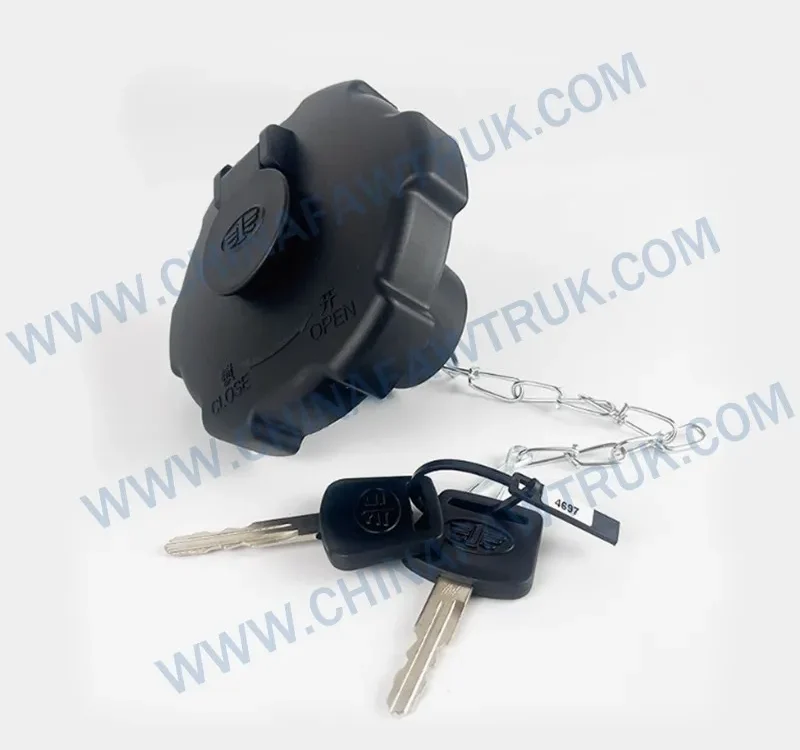
L'accès au réservoir est régi par le Ensemble de bouchon de réservoir de carburant (Partie no. 1103010-59UN). Ce n'est pas un simple couvercle; c'est une soupape de surpression. Au fur et à mesure que le carburant est consommé, un vide se forme; à mesure que le réservoir chauffe, la pression monte. Le bonnet régule cette respiration. Dans le Module de réservoir de carburant russe FAW, les évents du capuchon sont conçus pour résister au givrage, s'assurer que le réservoir n'implose pas sous vide pendant une longue période, descente froide.
Logique de montage: Sangles, Coussins, et supports
Fixer des centaines de litres de diesel sur un châssis vibrant nécessite un système de montage sophistiqué. Le Module de réservoir de carburant russe FAW emploie le Assemblage de la sangle – Réservoir à carburant (Partie no. 1101130C50A/1101135C50A). Ces bandes d'acier sont tendues pour maintenir fermement le réservoir contre les supports.
Cependant, le contact métal sur métal est désastreux dans un environnement à fortes vibrations. Pour éviter que les sangles ne frottent contre les parois du réservoir, l'assemblée utilise le Doublure – Sangle (Partie no. 1101134C50A) et Doublure – Support (Partie no. 1101117C50A). Ces coussins en caoutchouc ou en polymère assurent la friction pour maintenir le réservoir en place tout en absorbant les vibrations haute fréquence du moteur..
Dans le Module de réservoir de carburant russe FAW, ces doublures doivent être constituées d'un matériau qui reste flexible à -40°C. Le caoutchouc standard deviendrait cassant et se fissurerait, menant à un réservoir en vrac. Les supports eux-mêmes, Plus précisément le Ensemble de support arrière – Réservoir à carburant (Partie no. 1101205C50A), agir comme étagères porteuses. Ils sont boulonnés au châssis à l'aide de matériaux à haute résistance Boulons à bride hexagonale (Partie no. Q1841445T/Q1841455T).
Le système de fixation comprend également des épingles de sûreté critiques. Le Goupille à tête plate (Partie no. Q5101485) et Goupille fendue (Partie no. Q5004030) sont utilisés dans le mécanisme de tension de la sangle. La goupille fendue empêche l'écrou de serrage de reculer en raison des vibrations.. Dans le Module de réservoir de carburant russe FAW, vérifier ces broches est une inspection vitale avant le départ, car une sangle lâche peut entraîner le détachement du réservoir du véhicule.
Dynamique des fluides: Conduites d'admission et de retour
Le système circulatoire du Module de réservoir de carburant russe FAW se compose de divers assemblages de tuyaux. Le Ensemble de tuyau d'admission – Filtre vers la pompe de transfert (Partie no. 1104130-58H) et Ensemble de tuyau d'admission – Réservoir à préfiltrer (Partie no. 1104120-58H) gérer le côté aspiration. Ces conduites doivent résister à l'effondrement sous le vide créé par la pompe de relevage, surtout quand le carburant est froid et visqueux.
Le Ensemble de tuyau de retour – Moteur à vanne de commutation (Partie no. 1104250-41T) est tout aussi important. Dans les moteurs diesel, le carburant sert également de liquide de refroidissement pour les injecteurs. Le retour du carburant chaud dans le réservoir contribue à augmenter la température globale du carburant en vrac., empêcher l'épilation à la cire (gélifiant) en hiver. Le Module de réservoir de carburant russe FAW la disposition des canalisations est optimisée pour faciliter cette recirculation thermique.
Les connexions sont établies à l'aide du Joint de banjo de carburant (Partie no. 1104351A11B) et Boulon creux (Partie no. 1104061-11B). Cette connexion de style banjo permet un acheminement compact des conduites de carburant dans des espaces restreints. L'étanchéité de ces joints haute pression est la Rondelles d'étanchéité (Partie no. CQ72318T5).
Dans le Module de réservoir de carburant russe FAW, les rondelles en cuivre sont préférables. Les travaux en cuivre durcissent lorsqu'ils sont serrés, créant un joint permanent imperméable à l'expansion et à la contraction causées par des variations extrêmes de température. La réutilisation de ces rondelles est une erreur courante; ils doivent être remplacés à chaque fois qu'une ligne est déconnectée pour garantir le Module de réservoir de carburant russe FAW reste sans fuite.
Commentaires sur les données: Capteurs et limites de sécurité
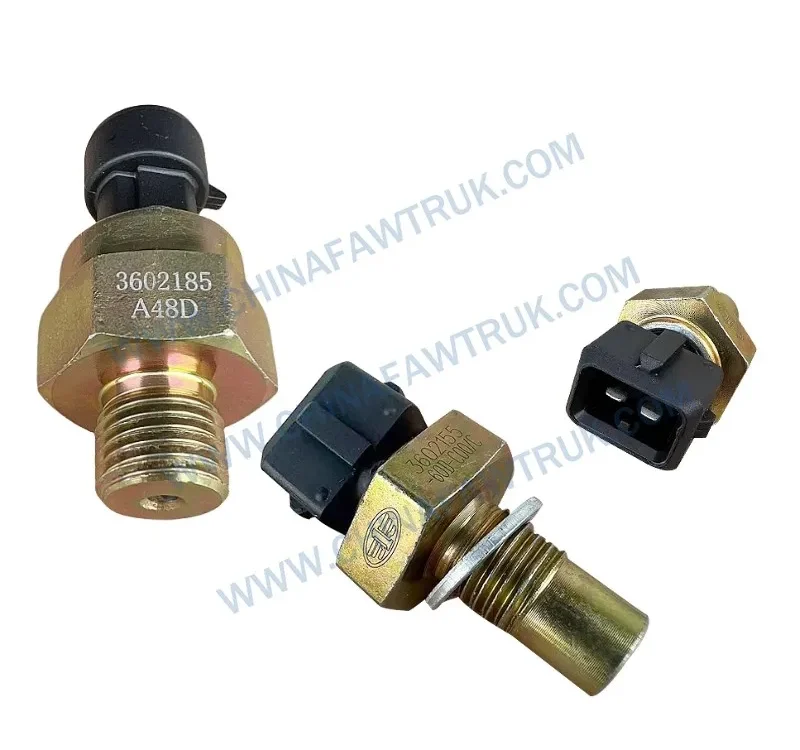
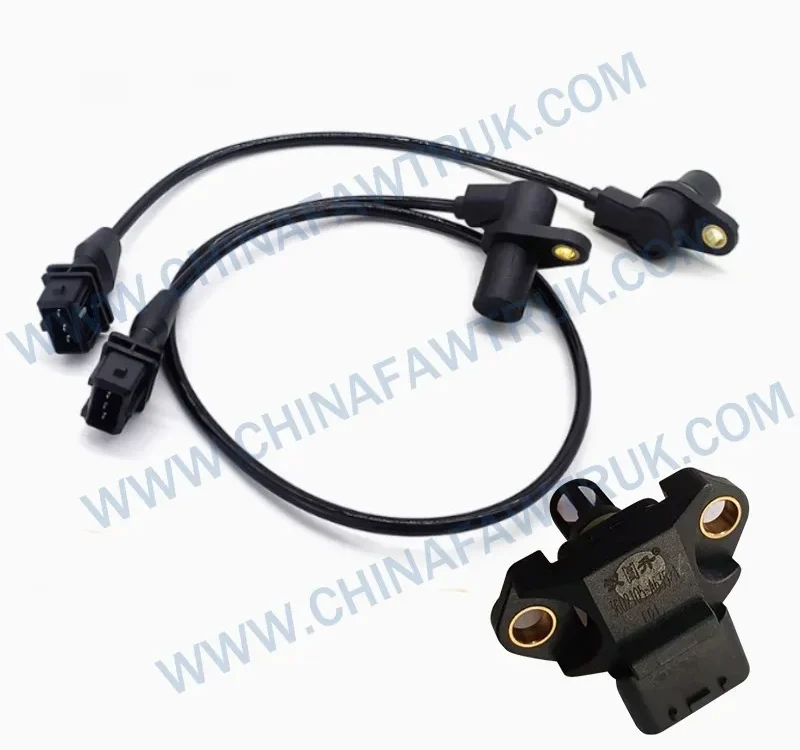
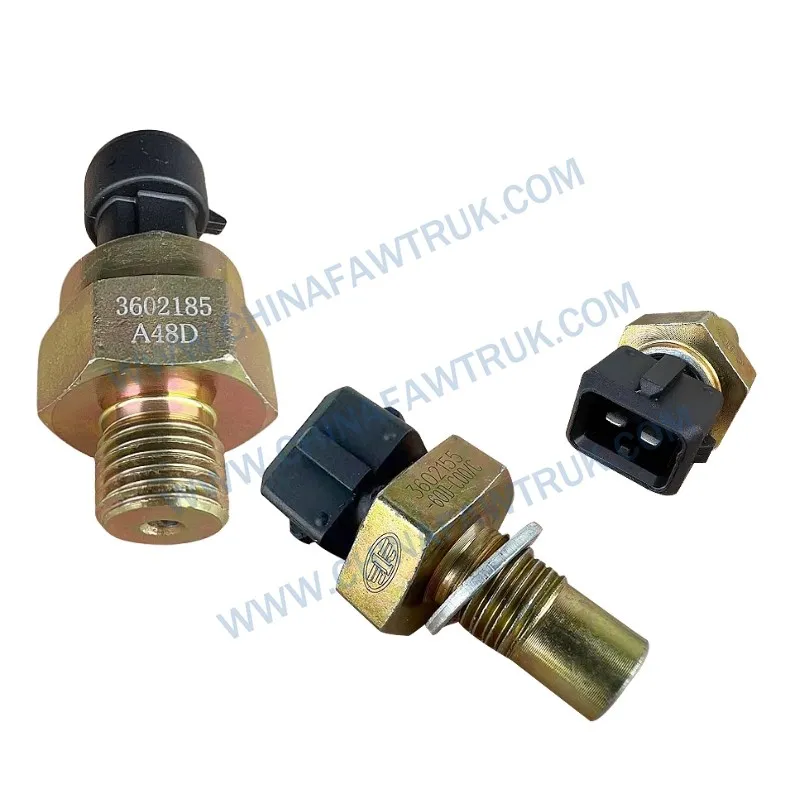
Une surveillance précise du niveau de carburant est essentielle pour la planification logistique. Le Ensemble de capteur de carburant (Partie no. 3806040-55R.) est la sonde qui fournit ces données. Dans le Module de réservoir de carburant russe FAW, ce capteur utilise souvent un bras flottant fixé à un rhéostat. Le mécanisme est amorti pour empêcher l'aiguille de la jauge de fluctuer énormément lorsque le carburant s'écoule.
Pour protéger ce mécanisme délicat, le système comprend le Plaque de limite du capteur de niveau de carburant (Partie no. 3806041-61B). Cette butée physique évite au bras flotteur de trop s'étendre et de se coincer contre les chicanes ou les parois du réservoir lors de mouvements violents du châssis.. Un flotteur bloqué entraînerait une fausse lecture, laissant potentiellement un conducteur bloqué avec un réservoir vide.
Les connexions électriques du capteur sont également renforcées pour le Module de réservoir de carburant russe FAW environnement. Le faisceau de câbles est fixé avec le Ensemble d'attaches de câble en plastique (Partie no. 3724015-240). Ce ne sont pas des attaches en nylon standard; ils sont formulés pour temps froid pour résister aux cassures causées par le gel. Les fils lâches peuvent frotter contre le réservoir métallique, entraînant des courts-circuits et des risques d'incendie.
Liste de répartition des composants
Le tableau suivant fournit l'intégralité, ventilation non éditée de la Module de réservoir de carburant russe FAW. Chaque laveuse, épingle, et le support est répertorié pour garantir que les équipes de maintenance peuvent se procurer les pièces de rechange exactes nécessaires pour maintenir l'intégrité structurelle et hydraulique du système de carburant..
| Non. |
Numéro de pièce |
Nom de la pièce |
Quantité |
| 1 |
3806041-61B |
Plaque de limite du capteur de niveau de carburant |
1 |
| 2 |
3724015-240 |
Ensemble d'attaches de câble en plastique |
6 |
| 3 |
1104250-41T |
Ensemble de tuyau de retour – Moteur à vanne de commutation |
1 |
| 4 |
1104130-58H |
Ensemble de tuyau d'admission – Filtre vers la pompe de transfert |
1 |
| 5 |
1104301-50UN |
Tuyau d'admission/d'échappement (Reniflard) |
1 |
| 6 |
1104120-58H |
Ensemble de tuyau d'admission – Réservoir à préfiltrer |
1 |
| 7 |
CQ34012 |
Écrou hexagonal |
4 |
| 8 |
Q40112 |
Machine à laver |
2 |
| 9 |
Q5101485 |
Goupille à tête plate |
2 |
| 10 |
Q40114 |
Machine à laver |
4 |
| 11 |
Q5004030 |
Goupille fendue |
2 |
| 12 |
1101130C50A |
Assemblage de la sangle – Réservoir à carburant |
1 |
| 13 |
1101135C50A |
Assemblage de la sangle – Réservoir à carburant |
1 |
| 14 |
1101134C50A |
Doublure – Sangle |
2 |
| 15 |
1101010-55R-C00 |
Assemblage du réservoir diesel (avec capteur de niveau) |
1 |
| 15-1 |
1101015-63U-C00 |
Sous-ensemble de réservoir diesel |
1 |
| 15-2 |
3806040-55R. |
Ensemble de capteur de carburant |
1 |
| 15-3 |
1104450-11B |
Ensemble de tuyau de carburant |
1 |
| 15-4 |
CQ72318T5 |
Laveuse de scellage |
6 |
| 15-5 |
1104351A11B |
Joint de banjo de carburant |
2 |
| 15-6 |
1104061-11B |
Boulon creux |
2 |
| 16 |
1103010-59UN |
Ensemble de bouchon de réservoir de carburant |
1 |
| 17 |
1101117C50A |
Doublure – Support |
2 |
| 18 |
1101205C50A |
Ensemble de support arrière – Réservoir à carburant |
2 |
| 19 |
Q1841445T |
Boulon de bride hexadécimal (Queue grossière/standard) |
4 |
| 20 |
Q1841455T |
Boulon de bride hexadécimal |
2 |
Protocoles de diagnostic pour l'intégrité des réservoirs
Inspecter le Module de réservoir de carburant russe FAW commence par les sangles. Vérifiez la corrosion sur le Assemblage de la sangle où il s'enroule sous le réservoir. C'est là que s'accumule le sel de déneigement. Assurer le Doublure – Sangle est présent et non dégradé. S'il manque le caoutchouc, la sangle en acier frottera un trou dans la paroi du réservoir en aluminium, conduisant à une fuite dangereuse.
Examinez les conduites de carburant à la recherche de signes de diesel suintant. Le Joint de banjo de carburant les connexions sont des points de fuite courants si le Rondelles d'étanchéité sont réutilisés ou trop serrés. En hiver, la contraction thermique peut desserrer ces raccords. Une tache humide sur le dessus du réservoir indique une fuite dans la conduite de retour ou dans le joint de l'unité d'envoi..
Enfin, vérifier le fonctionnement du Ensemble de capteur de carburant. Si la jauge indique de manière irrégulière ou indique vide lorsque le réservoir est plein, le bras du flotteur est peut-être coincé ou le rhéostat usé. Vérifier la connexion à la terre sur le réservoir est une première étape rapide, car les réservoirs en aluminium dépendent des sangles et des supports pour la mise à la terre électrique du châssis.
Conclusion: La base de la gamme
Le Module de réservoir de carburant russe FAW est une solution de stockage robuste conçue pour résister aux abus physiques et environnementaux de la logistique russe. Sa capacité et sa construction garantissent que le CA3250P66K24L1TE5Z peut fonctionner pendant de longues périodes de travail sans faire le plein., un facteur critique dans les sites miniers ou de construction éloignés.
De l'intérieur déconcerté du Assemblage du réservoir diesel au mécanisme de verrouillage sécurisé du Assemblage de la sangle, chaque composant fonctionne de concert pour assurer la sécurité du carburant et l'alimentation du moteur. En utilisant des pièces de rechange d'origine FAW, les propriétaires de flotte veillent à ce que leurs camions respectent les normes de sécurité et la fiabilité opérationnelle requises pour le marché russe exigeant.
Emballage et logistique
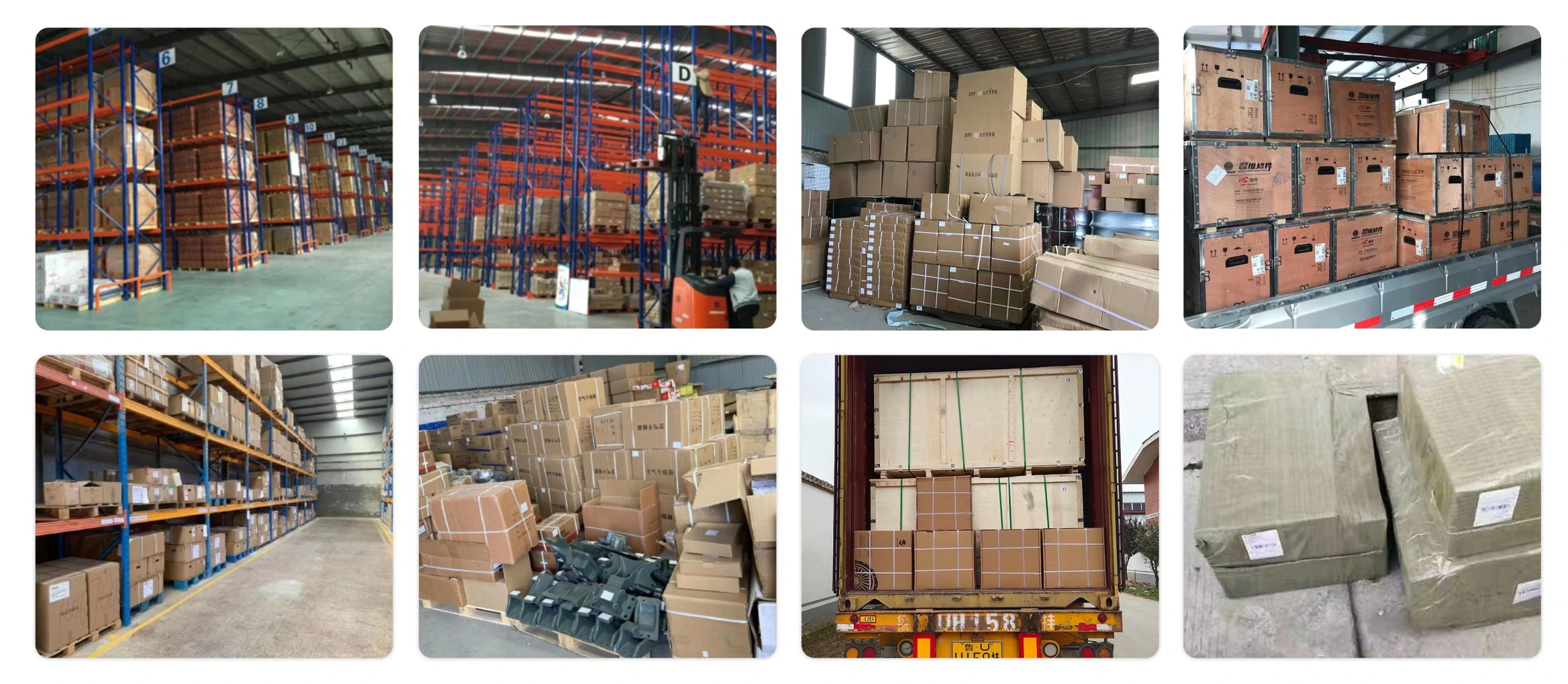
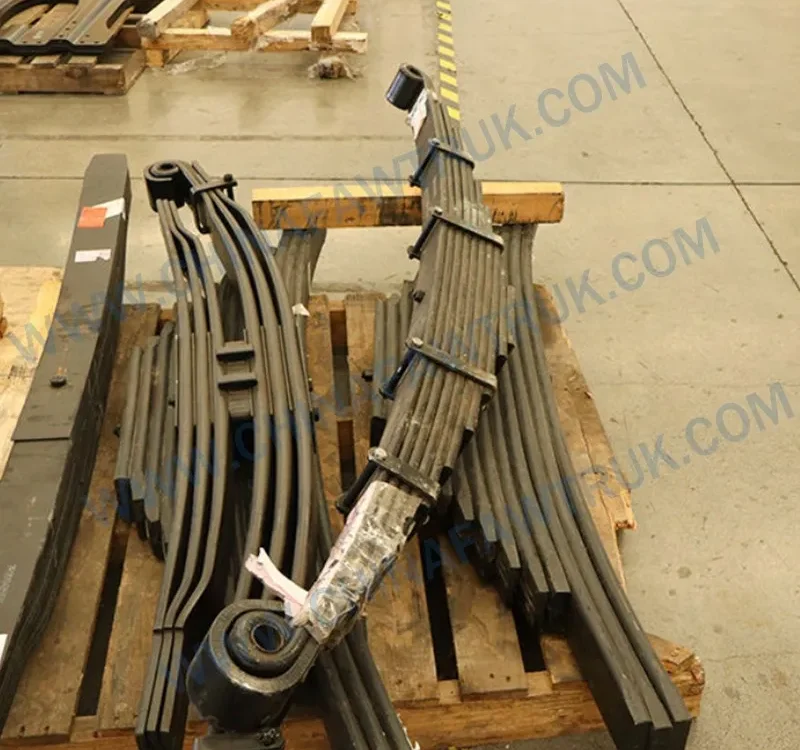
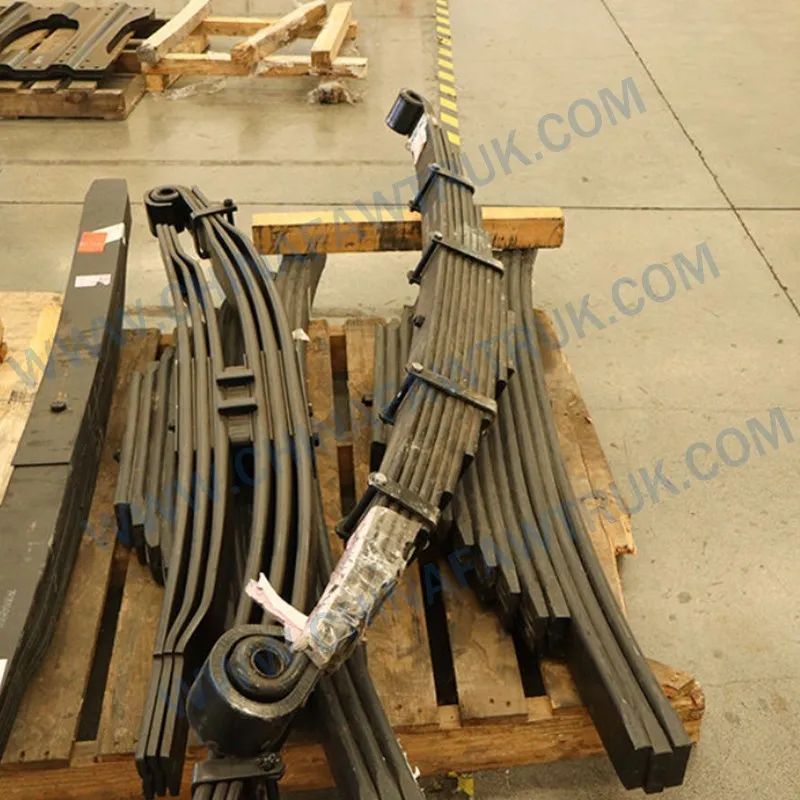
Pièces FAW, y compris l'ensemble bloc-cylindres, sont emballés avec soin pour garantir une livraison en toute sécurité. Chaque composant est sécurisé dans des matériaux de protection pour éviter tout dommage pendant le transport. Le réseau logistique garantit des expéditions ponctuelles dans le monde entier, soutenir des opérations de maintenance efficaces. Vous trouverez ci-dessous une image illustrant l'emballage standard des pièces de camion FAW., mettant en valeur l’attention portée aux détails dans la manipulation et le stockage.
Cette approche d'emballage minimise le risque de corrosion ou de dommages causés par les chocs., s'assurer que les pièces comme l'ensemble bloc-cylindres FAW arrivent en parfait état. Les clients peuvent compter sur la logistique de FAW pour une qualité et une fiabilité constantes.