par 


Bienvenue dans cette analyse technique définitive du FAW J6P Couvre-culasse (Ensemble principal P/N 1003031A600-000Z). C'est le primaire “porte de service” pour le moteur du FAW Jiefang CA3250P66K2L1T1E 6×4 tombereau.
Ce composant est souvent confondu avec un simple “couvercle,” mais c'est un complexe, ingéré “Assemblage logique” c'est essentiel à la santé du moteur.
Sa logique première est double: il fournit la finale “Logique d'étanchéité” pour tout le moteur, gardant l'huile à haute pression à l'intérieur et tous les contaminants à l'extérieur. Deuxièmement, c'est le cœur du moteur “Logique de contrôle d'huile,” abritant le système de déflecteur qui gère les vapeurs du carter. Ce FAW J6P Couvre-culasse est essentiel pour un nettoyage, sans fuite, et moteur efficace.
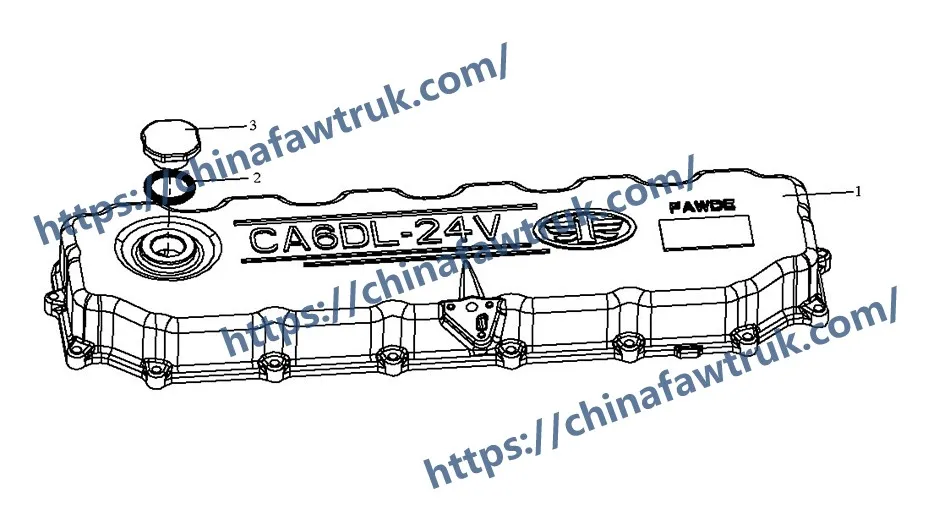
Le “Scellage & Logique NVH” de la FAW J6P Couvre-culasse est sa fonction la plus évidente. C'est la finale “toit” sur le système de soupapes. Une panne de son 'Seal ring’ (joint) est la source la plus courante de fuites d’huile moteur, ce qui peut endommager les courroies et les alternateurs en dessous. C'est “Logique NVH” (Bruit, Vibration, Dureté) est également critique. Le couvercle est souvent constitué d'un matériau composite ou d'acier embouti présentant des propriétés amortissantes, conçu spécifiquement pour absorber et étouffer les hautes fréquences “bruit” du système de soupapes, réduire la fatigue de l'opérateur dans la cabine.
Ce guide expert est une ressource essentielle pour les techniciens de flotte, spécialistes des moteurs, et gestionnaires de pièces. Nous allons déconstruire l'ensemble du groupe de type à 5 composants. Nous analyserons le “Couverture principale & Nvh” logique (la couverture elle-même), la critique “Déflecteur d'huile & PCV” logique (la « plaque déflectrice » interne), et le “Scellage & Attache” logique qui assure un parfait, longue durée, joint anti-vibration pour le FAW J6P Couvre-culasse.
Ce composant est la principale partie structurelle de l'assemblage, la couverture principale elle-même.
1. Composant: « Couvre-culasse’ (1003031A600-000Z)
C'est le corps principal du FAW J6P Couvre-culasse. C'est “logique” c'est d'être un poids léger, mais parfaitement rigide et plat “toit.” Il est généralement fabriqué à partir d'un plastique composite haute température ou d'un alliage d'acier estampé.. Le “logique structurelle” de cette conception est de fournir une surface d’étanchéité parfaitement plate et stable qui ne se déformera pas sous les cycles thermiques intenses du moteur. La déformation est le principal ennemi d’un bon joint, la couverture est donc souvent conçue avec des nervures de renfort.
C'est la deuxième “logique” est “Contrôle NVH” (Bruit, Vibration, Dureté). Une simple plaque de métal agirait comme un tambour, amplifier le “bruit” du système de soupapes (culbuteurs et injecteurs). Ce FAW J6P Couvre-culasse est conçu pour amortir ces fréquences spécifiques, souvent en utilisant un composite “sandwich” matériel ou en étant “isolé” de la tête par des boulons à œillets en caoutchouc. C'est une clé “logique de confort” composant, réduisant le bruit qui atteint l'opérateur dans la cabine et améliorant la concentration du conducteur. Il sert également de barrière principale protégeant la commande de soupapes des contaminants externes..
Il s’agit sans doute du problème le plus complexe et le plus critique. “logique” dans l'ensemble FAW J6P Couvre-culasse assemblée. Ce n'est pas seulement une protection contre les éclaboussures.
1. Composant: « Ensemble de déflecteur d'huile’ (1003035-600-000Z)
Ce composant, le « ensemble de déflecteur d'huile », est le cœur du moteur “Ventilation positive du carter” (PCV) système. Voici le “Logique PCV”: Tous les moteurs ont “soufflé,” qui est du gaz de combustion qui s'échappe des segments de piston dans le carter. Ce gaz doit être évacué, mais c'est mélangé à du lourd “brume” d'huile chaude. Le “logique” de ce déflecteur est d'être un “labyrinthe.”
Le gaz soufflé, en route vers la valve PCV (qui est habituellement sur la couverture), est obligé de traverser ce déflecteur. Le gaz lui-même peut prendre des virages serrés, mais les gouttelettes d'huile liquide plus lourdes ne peuvent pas. Ils ont trop d'inertie. Ils “impact” sur les murs du déflecteur, “se fondre” (former des gouttes plus grosses), puis redescendez sur le système de soupapes pour la lubrification. Le maintenant “faire le ménage” gaz (principalement de la vapeur) sort de la vanne PCV et est réinjecté dans l'admission du moteur pour être brûlé. Ce “Logique de déflecteur” c'est ce qui fait que FAW J6P Couvre-culasse un dispositif actif de contrôle des émissions et d’efficacité.
Si ce déflecteur tombe en panne ou se bouche, le “logique” pauses. L'huile liquide sera aspirée dans l'admission du moteur, conduisant à de la fumée bleue, consommation d'huile élevée, et une accumulation rapide de carbone sur les soupapes d'admission et le turbocompresseur. Donc, ce "déflecteur"’ est un élément essentiel du FAW J6P Couvre-culasse.
Ce groupe contient les composants qui scellent physiquement le FAW J6P Couvre-culasse et fournir un accès au service.
1. Composant: 'Anneau d'étanchéité’ (1003036-29D)
C'est le joint périmétrique principal. C'est “logique” est “compression contrôlée.” Il ne s'agit pas d'un joint en papier plat mais d'un joint d'ingénierie “élastomère” (haute température, caoutchouc résistant à l'huile) joint. Il est conçu pour reposer dans une rainure du FAW J6P Couvre-culasse ou la tête elle-même. Lorsque les boulons sont serrés, le joint se comprime pour remplir parfaitement la rainure, créer un 360 degrés, durable, joint étanche à l'huile qui peut fléchir et bouger avec les vibrations du moteur.
2. Composant: 'Couverture’ (1003037-29D)
C'est le “Logique d'accès aux services,” communément appelé bouchon de remplissage d'huile. C'est “logique” est de fournir un système fiable, point d'accès sans outil pour ajouter de l'huile moteur. Il doit assurer une étanchéité parfaite pour éviter les projections d'huile et les fuites de vapeurs de carter., ce qu'il fait via son propre joint torique ou joint intégré. Il s'agit d'un élément essentiel du FAW J6P Couvre-culassel'interface utilisateur de.
3. Composant: « Boulon à bride hexagonale’ (Q1840510)
C'est le “Logique de force de serrage.” La liste réclame 12 de ces boulons. Le “logique de bride” est critique: la bride est une rondelle intégrée. Cela répartit la charge de serrage de la tête du boulon sur une zone plus large du couvercle en composite ou en acier embouti., l'empêchant de se fissurer. Ces boulons sont souvent conçus avec “épaules” (une section spécifique non threadée) qui agissent comme un “arrêt.” Ce “arrêter la logique” évite un serrage excessif, ce qui écraserait et détruirait l'anneau de sceau’ (Comp 2). Le “logique de couple” est également vital; ces 12 les boulons doivent être serrés dans un ordre spécifique (Par exemple, centre-extérieur) pour assurer la FAW J6P Couvre-culasse le joint repose uniformément.
Le tableau suivant fournit l'intégralité, ventilation détaillée de tous 5 types de composants identifiés dans ce FAW J6P Couvre-culasse groupe pour le FAW Jiefang CA3250P66K2L1T1E 6×4 tombereau.
| Marque | Partie no. | Nom de la pièce | Quantité |
|---|---|---|---|
| 1 | 1003031A600-000Z 1003035-600-000Z Q1840510 |
Couvre-culasse Ensemble de déflecteur d'huile Boulon à bride hexagonale |
1 1 12 |
| 2 | 1003036-29D | Bague d'étanchéité | 1 |
| 3 | 1003037-29D | Couverture | 1 |
Les spécifications pour le FAW J6P Couvre-culasse sont définis par sa fonction de composant principal d'étanchéité et de ventilation pour la commande de soupapes.
| Demande de véhicule | FAW Jiefang CA3250P66K2L1T1E 6×4 Tombereau |
| Groupe système | FAW J6P Couvre-culasse Assemblée |
| Numéro de pièce du couvercle principal. | 1003031A600-000Z |
| Logique primaire | Étanchéité des soupapes & Protection, Amortissement NVH |
| Logique secondaire | Ventilation du carter (PCV), Séparation pétrole/gaz |
| Sous-ensemble clé | « Ensemble de déflecteur d'huile’ (1003035-600-000Z) |
| Type de joint principal | 'Anneau d'étanchéité’ (1003036-29D) – Élastomère technique |
| Système de fixation | « Boulon à bride hexagonale’ (Q1840510) – Quantité 12 |
| Accès aux services | 'Couverture’ (1003037-29D) – Bouchon de remplissage d'huile |
| Système associé | Complet FAW J6P Couvre-culasse |
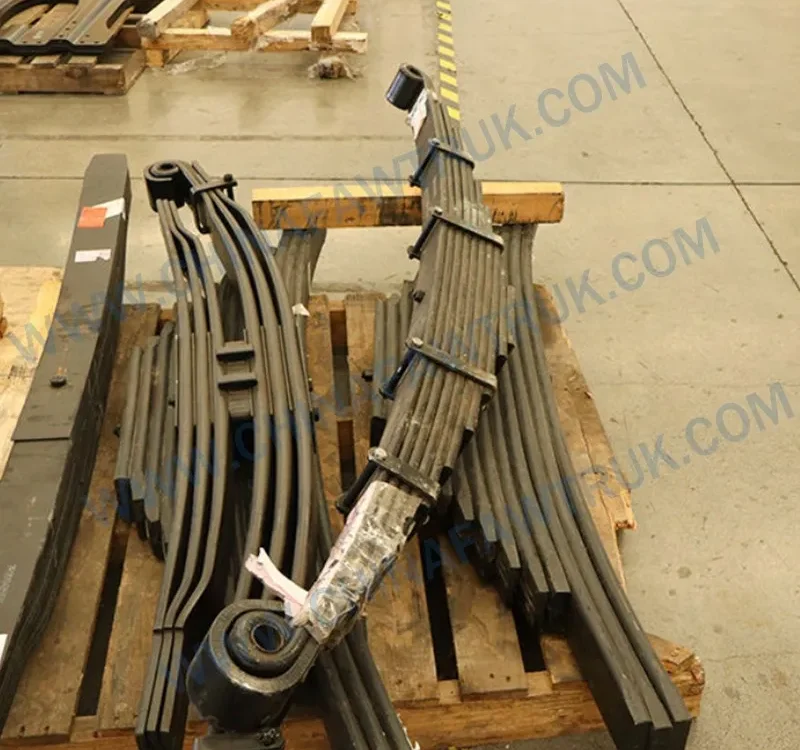
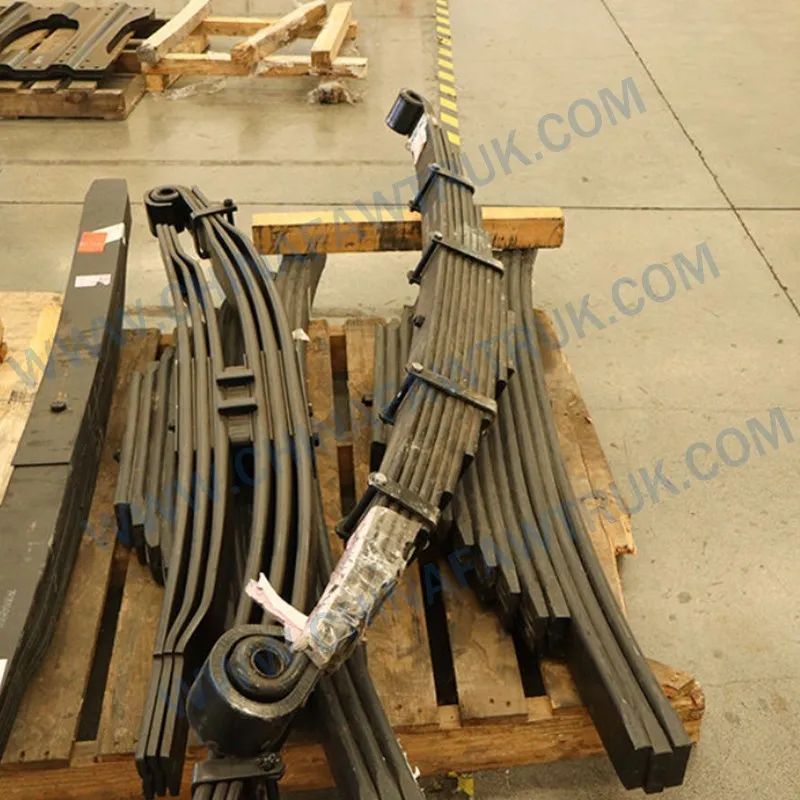
Pièces FAW, y compris l'ensemble bloc-cylindres, sont emballés avec soin pour garantir une livraison en toute sécurité. Chaque composant est sécurisé dans des matériaux de protection pour éviter tout dommage pendant le transport. Le réseau logistique garantit des expéditions ponctuelles dans le monde entier, soutenir des opérations de maintenance efficaces. Vous trouverez ci-dessous une image illustrant l'emballage standard des pièces de camion FAW., mettant en valeur l’attention portée aux détails dans la manipulation et le stockage.
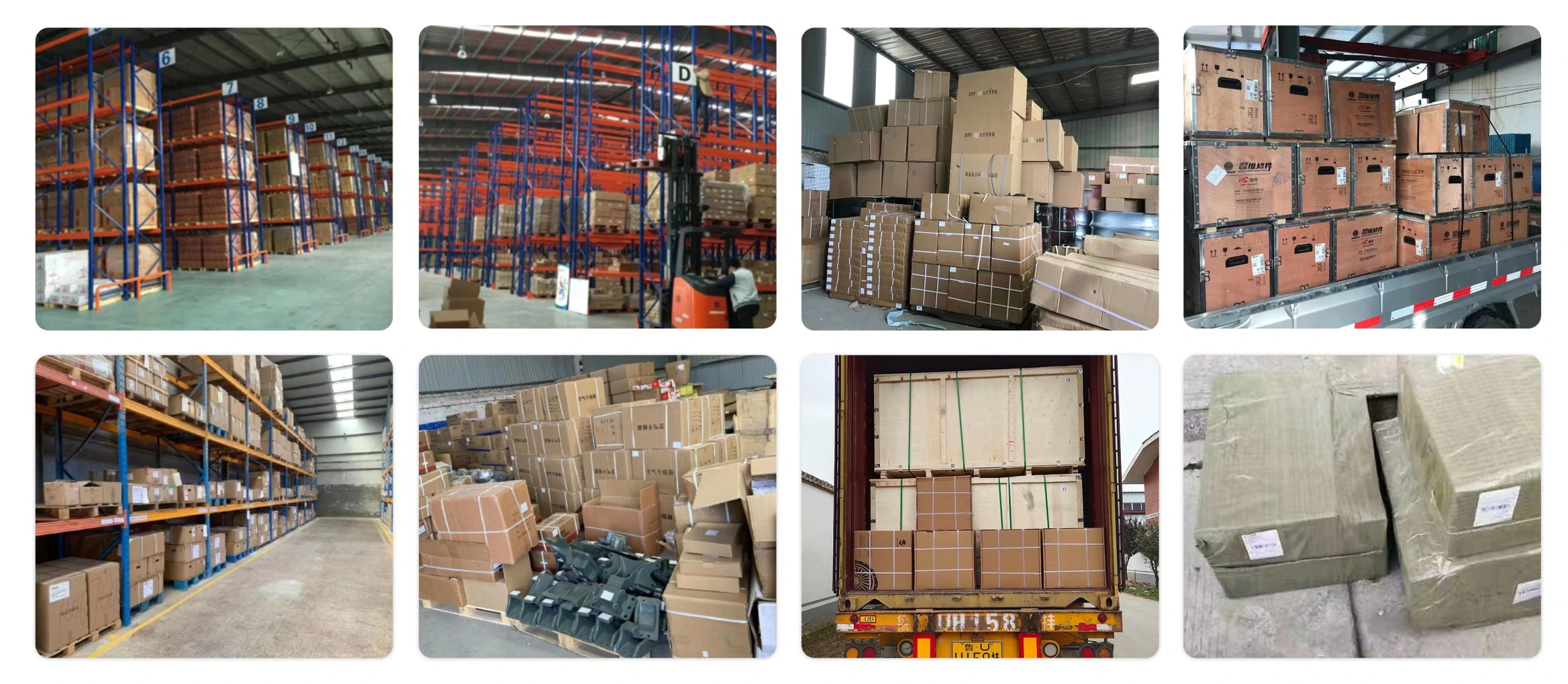
Cette approche d'emballage minimise le risque de corrosion ou de dommages causés par les chocs., s'assurer que les pièces comme l'ensemble bloc-cylindres FAW arrivent en parfait état. Les clients peuvent compter sur la logistique de FAW pour une qualité et une fiabilité constantes.