par 


Ce guide technique propose une déconstruction complète du Arbre d'entraînement du pont central assemblage pour le FAW Jiefang CA3250P66K2L1T1E 6×4 tombereau. Nous analyserons le 10 types distincts de composants réparables qui créent ce lien critique, ce qui est essentiel pour transférer le couple du différentiel inter-ponts à l'essieu central.

Le Arbre d'entraînement du pont central, également connu sous le nom d'arbre de transmission inter-essieux, est une grande vitesse, composant à couple élevé. Sa fonction est de connecter la boîte de transfert du camion (ou différentiel inter-ponts) sortie vers le pignon d'entrée du premier (milieu) essieu arrière. Cet arbre spécifique est relativement court mais doit supporter des angles extrêmes et des vitesses de rotation élevées, surtout quand le 6×4 le blocage de l'essieu est engagé. Cette déconstruction se concentre sur les unités utilisables, fournir un chemin clair aux techniciens pour effectuer les reconstructions et la maintenance, ce qui est crucial pour maximiser la disponibilité du véhicule et garantir la fiabilité du système d’essieux tandem.
Le joint en U est le composant qui permet Arbre d'entraînement du pont central pour transmettre la puissance en douceur sous des angles en constante évolution. Cet assemblage utilise deux joints en U complets (un à chaque extrémité), qui sont construits à partir de cinq types de pièces clés réparables.
1. Composant: « Ensemble de roulements à rouleaux croisés et à aiguilles’ (2205030B761) – Quantité 2
Ce (Comp 5) est le noyau du joint universel, souvent appelé la croix ou l'araignée. Il comprend quatre tourillons rectifiés avec précision (bras) et quatre capuchons de roulement à aiguilles préemballés. Ces capuchons sont pressés dans les arcades et retiennent la graisse essentielle au bon fonctionnement, articulation à faible friction. La défaillance de ces roulements est la principale cause de Arbre d'entraînement du pont central vibration.
2. Composant: « Jog à bride’ (2205023B761) – Quantité 2
Ce (Comp 2) est la bride qui relie physiquement le joint en U aux brides du véhicule (Par exemple, au niveau du différentiel inter-ponts et du pignon d'essieu intermédiaire). Le Arbre d'entraînement du pont central l'assemblage nécessite deux d'entre eux, un pour chaque joint universel.
3. Composant: Groupe de fixations (Q32914 & Q1851455T) – Quantité 8 chaque
Ce groupe comprend les écrous de blocage hexagonaux à insert non métallique de type I.’ (Comp 1) et le « boulon à bride hexagonale’ (Comp 3). Ce Logique de fixation est un système critique pour la sécurité. L'insert non métallique dans l'écrou fournit un couple dominant, empêchant les boulons de vibrer desserrés. Ceci est essentiel pour un composant à haut régime comme le Arbre d'entraînement du pont central.
4. Composant: 'Circlips’ (2205041-A0M) – Sélectionner 8
Ce (Comp 4) est un circlip ajusté avec précision, ou un anneau élastique. La nomenclature (Nomenclature) précise 'Sélectionner 8’ et répertorie plusieurs numéros de sous-pièces (2205042-A0M, 2205043-A0M, etc.). Ce Logique d'ajustement sélectif est vital pour l'assemblage. Un technicien doit sélectionner un circlip d'une épaisseur spécifique pour obtenir l'exactitude, jeu final minimal pour les chapeaux de palier du joint en U. L’utilisation d’une mauvaise épaisseur entraînera soit une liaison immédiate, soit une défaillance prématurée due à un mouvement excessif..
Ce groupe de composants constitue le corps principal du Arbre d'entraînement du pont central. Il est chargé de gérer le “plonger” (changement de longueur dynamique) lorsque les essieux s'articulent et pour transférer la pleine charge de couple.
1. Composant: « Étrier de soudure de l'arbre de transmission de l'essieu arrière, ensemble tube cannelé et joug’ (2201015-51B) – Quantité 1
Ce (Comp 8) est le principal composant structurel. Il se compose du tube de l'arbre de transmission principal, qui est soudé en permanence à un joug à une extrémité et à un tube cannelé (une cannelure interne) à l'autre. Ce Logique soudée est un choix de conception pour une résistance et une rigidité maximales. Les soudures garantissent que les étriers et le tube agissent comme une seule pièce, leur permettant de transférer un couple immense sans panne. C'est l'épine dorsale du Arbre d'entraînement du pont central.
2. Composant: « Ensemble de joug d'arbre cannelé’ (2205020B761) – Quantité 1
Ce (Comp 6) est le « joug coulissant ». C'est un joug (qui maintient l'autre joint en U) qui est fixé en permanence à un arbre cannelé externe correspondant. Cette cannelure externe est conçue pour glisser, ou plonger, dans et hors du manchon cannelé (Comp 8).
Ce Logique de plongée est essentiel pour un camion à essieu tandem. Comme les essieux s'articulent sur un terrain accidenté, la distance entre eux et la boîte de transfert change. Cet ensemble à joug coulissant permet Arbre d'entraînement du pont central pour changer la longueur dynamiquement. Cela empêche l'assemblage de coincer et de détruire les joints universels., roulements de boîte de transfert, ou roulements de pignon d'essieu.
3. Composant: 'Graisseur’ (CQ70001) – Quantité 1
Ce (Comp 7) est un "zerk" standard’ convenable. Il est enfilé dans l'ensemble étrier coulissant (Comp 6) pour permettre une lubrification périodique des cannelures internes et externes. Un graissage régulier est l'étape d'entretien la plus importante pour éviter l'usure des cannelures., corroder, ou saisir. Un joug à glissement sec est une cause fréquente de Arbre d'entraînement du pont central échec.
Ce dernier groupe de composants est dédié à un seul, objectif critique: stabilité de rotation à grande vitesse. Un déséquilibré Arbre d'entraînement du pont central provoquera destructeur, vibrations harmoniques dans tout le véhicule.
1. Composant: « Plaque d'équilibre’ (2205071C6H & 2205071-A0M) – Quantité selon demande.
Ce (Comp 9 et comp 10) sont deux types différents de plaques métalliques lestées avec précision. La nomenclature répertorie plusieurs variantes pour chaque type et une quantité « selon les besoins ».. Ceci indique le Logique d'équilibrage dynamique.
Après le plein Arbre d'entraînement du pont central est assemblé, il est filé sur une machine d'équilibrage à grande vitesse. Des capteurs électroniques détectent les micro-déséquilibres. Un technicien soude ensuite par points ces plateaux d'équilibrage (Comp 9 ou Comp 10) sur le corps de l'arbre (Comp 8) pour contrer les taches lourdes.
Cet équilibrage de précision constitue la dernière étape de la fabrication et est essentiel pour un bon fonctionnement, fonctionnement sans vibrations. Un arbre qui a perdu un contrepoids provoquera des vibrations immédiates et sévères., ce qui peut rapidement détruire les phoques, roulements, et joints universels. Cela rend le Arbre d'entraînement du pont central un composant réglé avec précision.
Le tableau suivant fournit l'intégralité, ventilation détaillée de tous 10 types de composants réparables dans le Arbre d'entraînement du pont central assemblage pour le FAW Jiefang CA3250P66K2L1T1E 6×4 tombereau. Composants répertoriés comme « selon les besoins »’ ou « Sélectionner’ sont des pièces ajustées avec précision qui doivent être choisies par le technicien pour répondre aux spécifications de construction.
| Marque | Partie no. | Nom de la pièce | Quantité |
|---|---|---|---|
| 1 | Q32914 | Écrou de blocage hexagonal à insert non métallique de type I | 8 |
| 2 | 2205023B761 | Joug de bride | 2 |
| 3 | Q1851455T | Boulon à bride hexagonale | 8 |
| 4 | 2205041-A0M | Circlips (Voir sous-parties 2205042~48-A0M) | Sélectionner 8 |
| 5 | 2205030B761 | Ensemble de roulements à rouleaux croisés et à aiguilles | 2 |
| 6 | 2205020B761 | Ensemble de joug d'arbre cannelé | 1 |
| 7 | CQ70001 | Graisseur | 1 |
| 8 | 2201015-51B | Étrier de soudure d'arbre de transmission d'essieu arrière, ensemble tube cannelé et joug | 1 |
| 9 | 2205071C6H | Assiette d'équilibre (Voir sous-pièces 2205072~79C6H) | Au besoin |
| 10 | 2205071-A0M | Assiette d'équilibre (Voir sous-pièces 2205072~79-A0M) | Au besoin |
Les spécifications pour cela Arbre d'entraînement du pont central sont définis par son rôle de couple élevé, connecteur inter-essieux à angle élevé. Comprendre ces spécifications est essentiel pour commander le bon assemblage pour la transmission à essieu tandem..
| Demande de véhicule | FAW Jiefang CA3250P66K2L1T1E 6×4 Tombereau |
| Groupe système | Arbre d'entraînement du pont central (Inter-essieux) |
| Logique primaire | Transmettre le couple du différentiel inter-ponts à l’essieu central |
| Composant principal (Arbre) | '…joug de soudure, ensemble tube cannelé et joug’ (2201015-51B) |
| Composant principal (Articulation) | « Ensemble de roulements à rouleaux croisés et à aiguilles’ (2205030B761) |
| Type d'articulation | Joint universel (Joint en U), utilisable |
| Compensation de longueur | Arbre cannelé « Slip Yoke »’ (2205020B761) |
| Méthode d'équilibrage | « Plaque d'équilibre’ (2 genres) – Soudé, Au besoin |
| Précharge du joint en U | 'Circlips’ (2205041-A0M) – Ajustement sélectif |
| Point de lubrification | 'Graisseur’ (CQ70001) pour cannelures |
| Nombre total de types de composants réparables | 10 |
| Système associé | Transmission / Entraînement par essieu tandem |
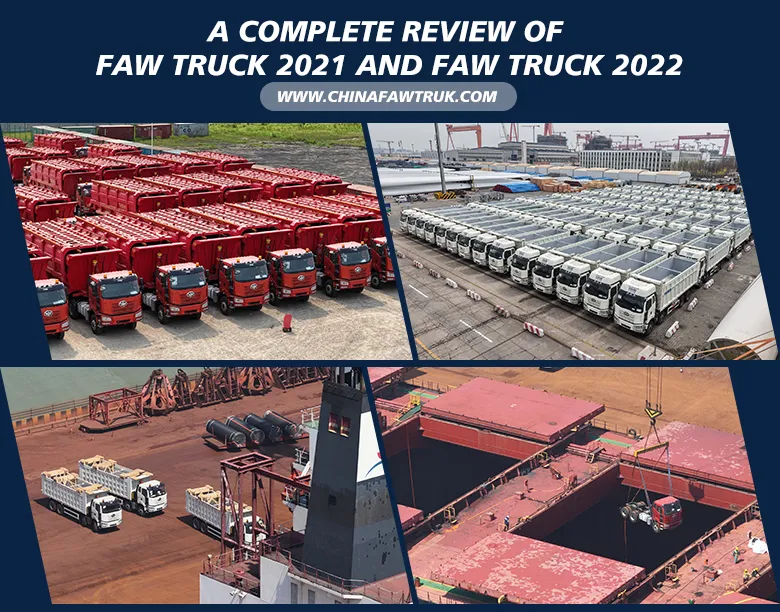
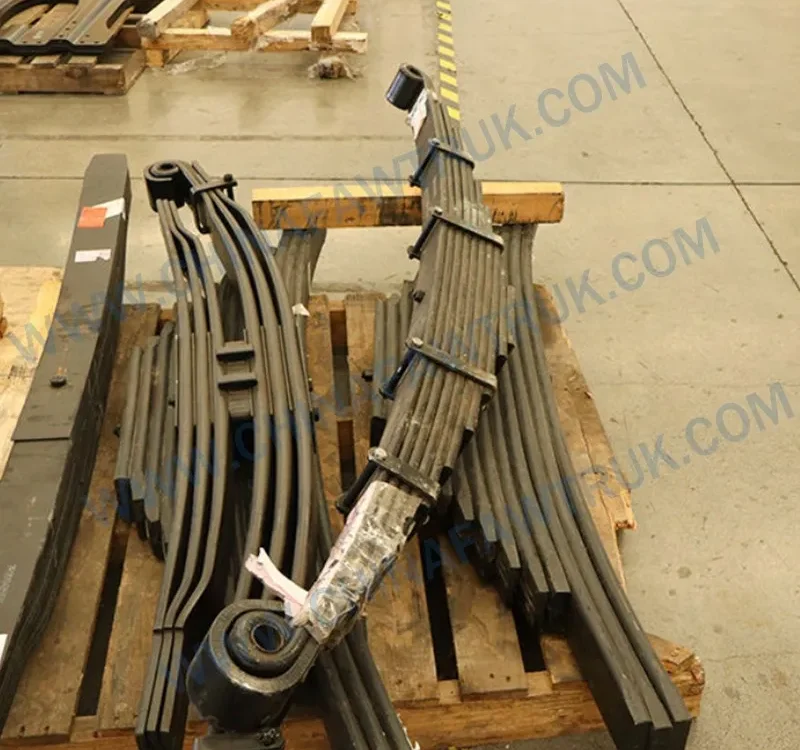
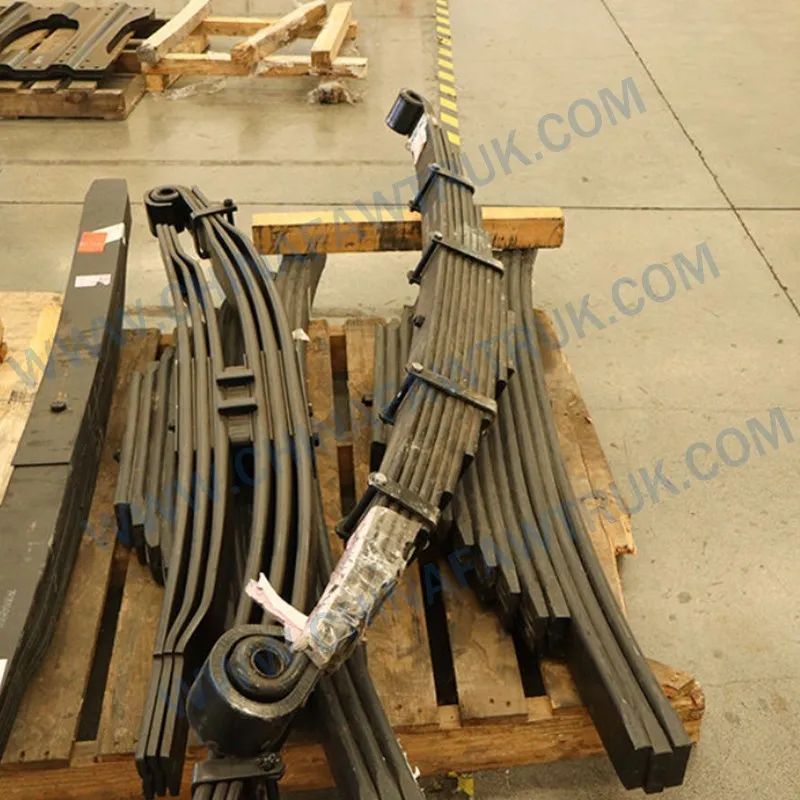
Pièces FAW, y compris l'ensemble bloc-cylindres, sont emballés avec soin pour garantir une livraison en toute sécurité. Chaque composant est sécurisé dans des matériaux de protection pour éviter tout dommage pendant le transport. Le réseau logistique garantit des expéditions ponctuelles dans le monde entier, soutenir des opérations de maintenance efficaces. Vous trouverez ci-dessous une image illustrant l'emballage standard des pièces de camion FAW., mettant en valeur l’attention portée aux détails dans la manipulation et le stockage.
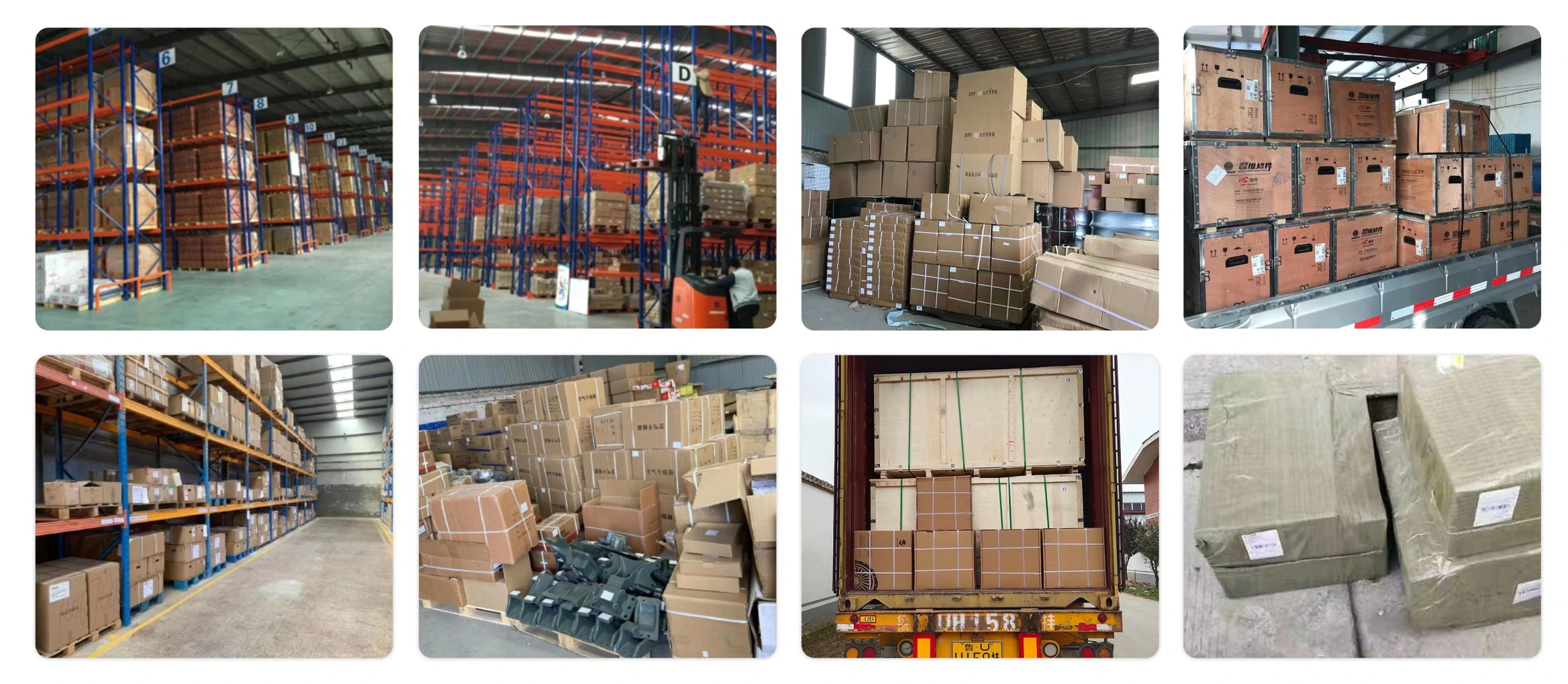
Cette approche d'emballage minimise le risque de corrosion ou de dommages causés par les chocs., s'assurer que les pièces comme l'ensemble bloc-cylindres FAW arrivent en parfait état. Les clients peuvent compter sur la logistique de FAW pour une qualité et une fiabilité constantes.