Biellette de direction de torsion russe FAW: Déconstruction 8 Composants essentiels pour une précision de direction incassable dans les camions-bennes arctiques
Le Biellette de direction de torsion russe FAW L'assemblage est la pierre angulaire du contrôle directionnel du CA3250P66K24L1TE5Z 6×6 camion-benne conçu pour les opérations en Sibérie. Cette panne technique décortique le robuste Ensemble de tige longitudinale de direction dans ses unités de réparation fondamentales, révélant comment huit composants de précision maintiennent l'intégrité de la direction sous des contraintes de torsion extrêmes et des températures inférieures à zéro. Notre analyse se concentre sur la science des matériaux et la conception cinématique qui préviennent les ruptures par fatigue dans le rude environnement minier russe..

Biellette de direction de torsion russe FAW
Noyau structurel: L'ensemble de tige longitudinale de direction
Au cœur du système se trouve le Ensemble de tige longitudinale de direction (Partie no. 3003010-990), un composant forgé qui traduit l'entrée de rotation de l'appareil à gouverner en mouvement linéaire. Ce Biellette de direction de torsion russe FAW est soumis à d’immenses forces de compression et de traction pendant le fonctionnement. La conception tubulaire de la tige est conçue pour un rapport rigidité/poids optimal, résister aux moments de flexion qui pourraient provoquer un décalage de direction. Le -990 le suffixe indique sa spécification de qualité arctique, doté d'un traitement thermique spécialisé qui augmente la ductilité de l'acier à basse température, empêchant la rupture fragile dans un environnement de -40 °C.
Le lien principal est le Tige longitudinale de direction (Partie no. 3003016-990), la colonne vertébrale centrale de l'assemblage. Sa longueur est précisément calibrée pour maintenir une géométrie de direction correcte, s'assurer que les roues tournent à l'unisson. Les extrémités de la tige sont usinées avec des filetages de haute précision pour accepter le Assemblage de l'extrémité droite – Biellette de direction (Partie no. 3003060CA38). Ces profils de filetage sont roulés plutôt que coupés, créant un flux continu de grains dans le métal qui améliore la durée de vie en fatigue de plus 50% par rapport aux méthodes conventionnelles, une fonctionnalité essentielle pour le Biellette de direction de torsion russe FAW dans les applications à cycle élevé.
La protection de ces fils vitaux est la Écrous plats à château hexagonal (Partie no. C038724). Deux de ces contre-écrous sont utilisés pour fixer les assemblages d'extrémité, fournissant un couple dominant qui empêche le desserrage dû aux vibrations à haute fréquence. L'insert non métallique à l'intérieur de l'écrou se déforme élastiquement contre les filetages, créant une friction constante qui contrecarre les forces de rotation. Cette conception est primordiale pour le Biellette de direction de torsion russe FAW, car une connexion lâche introduirait un jeu de direction, compromettre la stabilité et la sécurité du véhicule sur les routes verglacées.
Nœuds d'articulation: Fin des assemblages et de la rétention
Le Assemblage de l'extrémité droite – Biellette de direction sert de liaison pivotante entre la tige longitudinale et la fusée d'essieu. Chaque assemblage contient une rotule encapsulée dans un boîtier en acier trempé, permettant un mouvement multi-axes tout en transmettant la force de direction. La rotule est forgée en acier au chrome-molybdène et subit un processus de carburation pour créer une surface résistante à l'usure. Pour le Biellette de direction de torsion russe FAW, la graisse contenue dans ce joint est une graisse synthétique, formulation à basse température qui maintient une viscosité constante, assurant une articulation fluide même lors des démarrages à froid.
La fixation de la gaine en caoutchouc sur chaque assemblage d'extrémité est la Serrer – Biellette de direction (Partie no. 3003056-8E). Ces pinces en acier inoxydable assurent une étanchéité à 360 degrés autour du coffre, prévenir la contamination par le sel de déneigement et les particules abrasives. Le mécanisme de serrage utilise une bande à bords roulés et une vis à verrouillage positif qui résiste au recul. Dans le contexte du Biellette de direction de torsion russe FAW, ce composant en apparence simple est vital pour éliminer l'humidité qui pourrait geler et endommager la rotule, ou permettre aux agents corrosifs de dégrader le lubrifiant.
Le Bras de direction (Partie no. 3003041-990) est le dernier levier de sortie de cette chaîne mécanique. Ce composant forgé convertit le mouvement linéaire push-pull du tirant en mouvement de rotation nécessaire pour faire tourner l'ensemble de roue.. Sa conception intègre des nervures stratégiques pour augmenter le moment d'inertie aux points de concentration des contraintes. Pour le Biellette de direction de torsion russe FAW système, l'interface cannelée du bras avec la fusée d'essieu est usinée avec une tolérance de ± 0,01 mm, garantissant un jeu nul et une réponse immédiate de la direction, un impératif de sécurité pour les camions lourdement chargés sur terrain instable.
Ingénierie arctique: Matériaux et performances par temps froid
L'ensemble Biellette de direction de torsion russe FAW l'assemblage utilise des matériaux sélectionnés pour leurs performances cryogéniques. L'acier au carbone standard devient sujet à une rupture fragile en dessous de -20°C, mais les composants ici sont fabriqués à partir d'alliages faiblement, aciers à haute résistance avec additifs de nickel et de manganèse. Ces éléments d'alliage abaissent la température de transition ductile à fragile, permettant à la Tige longitudinale de direction et Bras de direction pour absorber les charges d'impact des nids-de-poule sans se fissurer. Les spécifications métallurgiques constituent un différenciateur clé pour les camions de type russe opérant dans la toundra sibérienne..
La protection contre la corrosion est une autre couche critique. Chaque partie, du principal Ensemble de tige longitudinale de direction au plus petit Écrou plat à château hexagonal, reçoit un revêtement de phosphate en plusieurs étapes suivi d'un dépôt électrophorétique de peinture époxy. Ce système de revêtement offre une adhérence supérieure et une couverture uniforme, même dans les zones en retrait et les filetages. Pour le Biellette de direction de torsion russe FAW, ceci est essentiel pour lutter contre la combinaison hautement corrosive du sel de déneigement et des cycles constants de gel-dégel., ce qui autrement entraînerait une perte rapide de section et une défaillance des composants.
Les éléments d'étanchéité à l'intérieur du Assemblage de l'extrémité droite – Biellette de direction font également l'objet d'une attention particulière. La botte en caoutchouc est composée de caoutchouc nitrile butadiène hydrogéné (HNBR), qui conserve son élasticité à des températures aussi basses que -50°C. Cela évite que le coffre ne se déchire lors des manœuvres de braquage complet par grand froid.. Un démarrage compromis permettrait à la graisse spéciale basse température de s'échapper et aux contaminants de pénétrer, détruisant rapidement la rotule de précision. Ainsi, chaque élément du Biellette de direction de torsion russe FAW est harmonisé pour l’endurance arctique.
Logique de maintenance: Intervalles d'entretien et indicateurs d'usure
Maintenance proactive du Biellette de direction de torsion russe FAW se concentre sur l’inspection périodique des Serrer – Biellette de direction l'intégrité et l'état des bottes en caoutchouc. Tout signe de fuite de graisse ou de perforation du soufflet nécessite le remplacement immédiat du Assemblage de l'extrémité droite – Biellette de direction. Le Écrous plats à château hexagonal sont conçus comme des articles à usage unique; ils doivent être remplacés à chaque fois qu'ils sont démontés, à mesure que leur capacité de verrouillage diminue après le cycle de couple initial.
L'alignement de la direction est directement lié à l'état de l'ensemble de biellette de direction. Wear in the ball joints of the end assemblies causes toe-in deviation, leading to accelerated tire wear and unstable straight-line tracking. Technicians check for play by applying lateral force to the Tige longitudinale de direction while the truck is on a lift. Any detectable movement indicates the need for replacement. La conception robuste du Biellette de direction de torsion russe FAW typically allows for service intervals of 150,000 km dans des conditions normales, but harsh off-road use in Russian mines may halve this interval.
Torque specifications are non-negotiable. Le Écrous plats à château hexagonal securing the end assemblies must be tightened to a precise value, habituellement entre 180-220 Nm, as specified in the service manual. Over-torquing can strip the threads on the Tige longitudinale de direction, while under-torquing allows loosening. A calibrated torque wrench is mandatory. En outre, after any adjustment to the rod length for alignment, it is critical to ensure the Bras de direction and rod ends are correctly indexed to prevent binding during full suspension travel.
Répartition des composants: Ensemble de tige longitudinale de direction
| Non. |
Numéro de pièce |
Nom de la pièce |
Quantité |
| 1 | 3003010-990 | Steering longitudinal rod assembly | 1 |
| 2 | 3003041-990 | Bras de direction | 1 |
| 3 | C038724 | Hexagon castle flat nut | 2 |
| 1-1 | 3003016-990 | Barre longitudinale de direction | 1 |
| 1-2 | 3003060CA38 | Right end assembly – biellette de direction | 2 |
| 1-3 | 3003056-8E | Serrer – biellette de direction | 2 |
Conclusion: The Directional Integrity System
Le Biellette de direction de torsion russe FAW assembly is a masterclass in heavy-duty steering component design. From the forged strength of the Tige longitudinale de direction to the sealed articulation of the Assemblage de l'extrémité droite – Biellette de direction, each of the eight detailed components is engineered for synergistic performance. This system provides the precise, feedback-rich steering required to maneuver a 70-ton gross vehicle weight through confined mining spaces and over uneven, frozen ground.
Understanding the breakdown of the Ensemble de tige longitudinale de direction empowers maintenance teams to perform targeted inspections and preemptive replacements. Respect des références indiquées, such as the Arctic-grade 3003010-990 assembly and the critical Écrous plats à château hexagonal (C038724), assure la Biellette de direction de torsion russe FAW maintains its designed safety margin. Pour les opérateurs dans des environnements extrêmes, cet ensemble n'est pas simplement un maillon de la chaîne de direction; c'est le composant définitif qui traduit l'intention du conducteur en mouvement contrôlé du véhicule, voyage après voyage exigeant.
Emballage et logistique
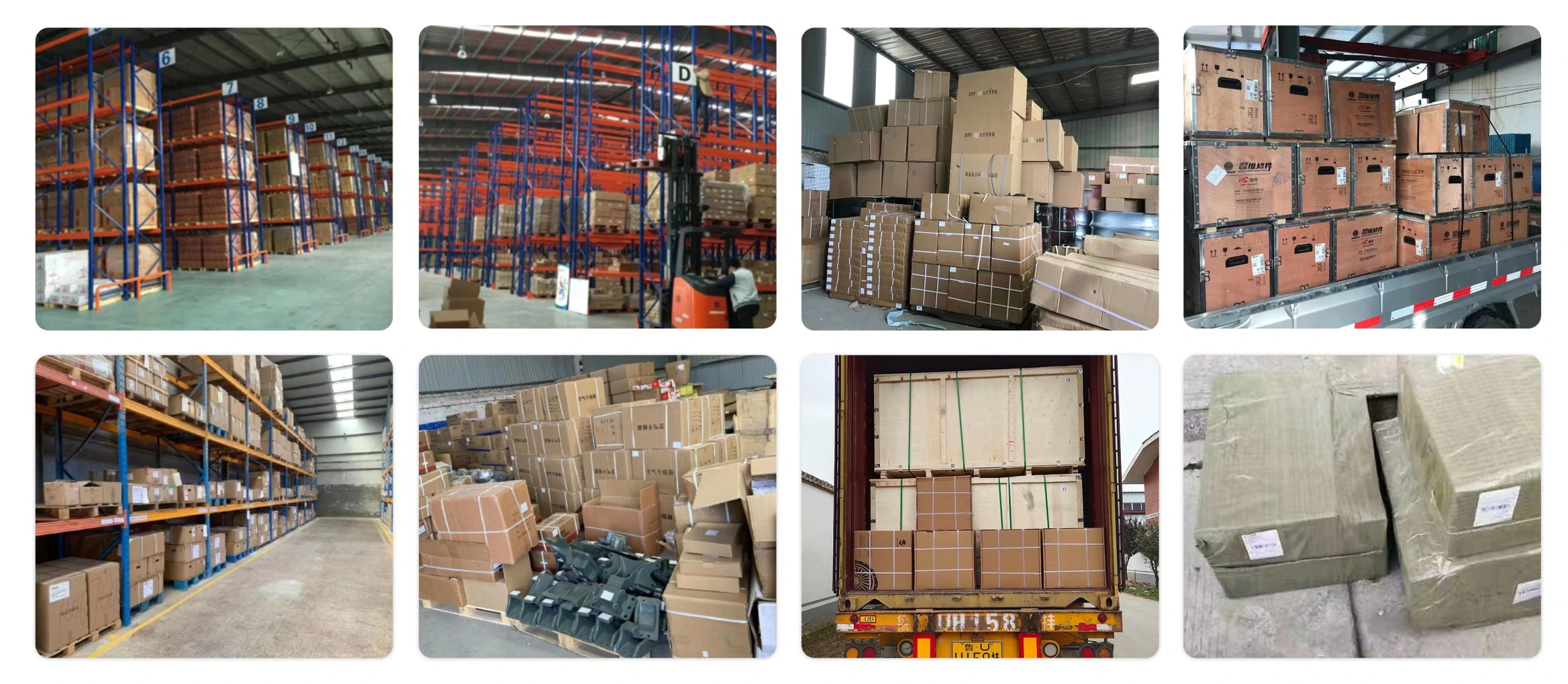
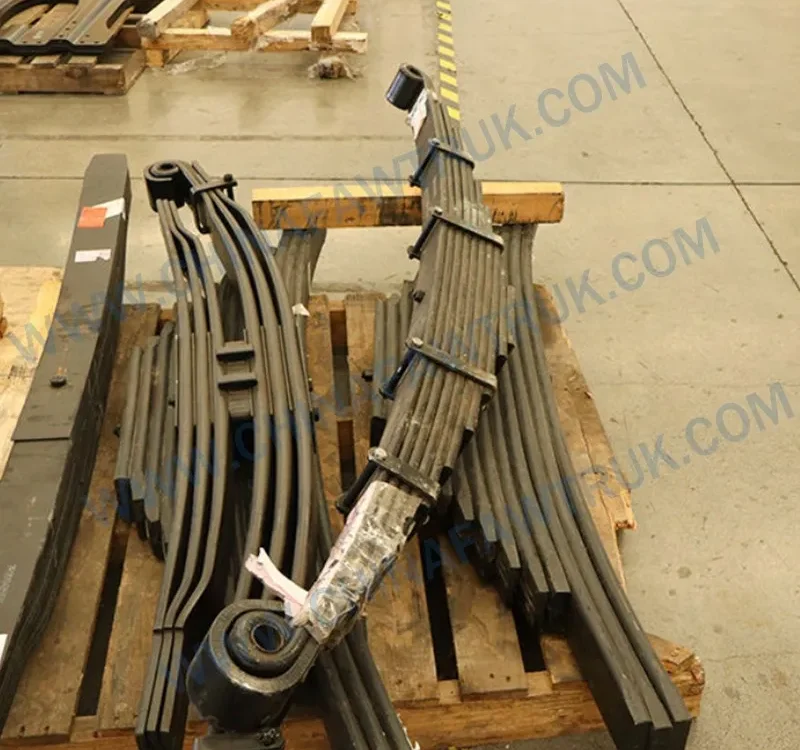
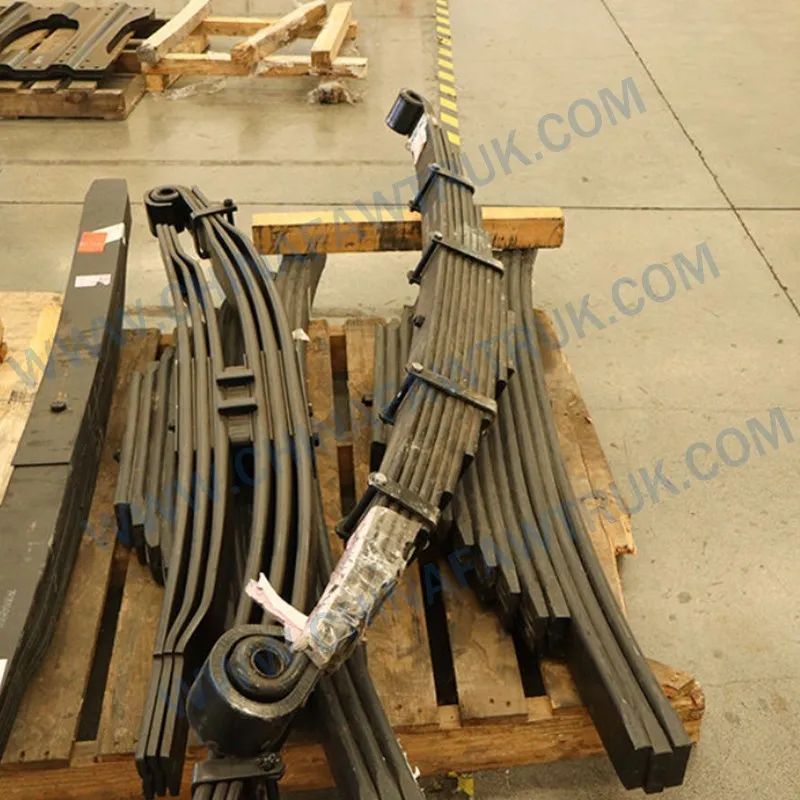
Pièces FAW, y compris l'ensemble bloc-cylindres, sont emballés avec soin pour garantir une livraison en toute sécurité. Chaque composant est sécurisé dans des matériaux de protection pour éviter tout dommage pendant le transport. Le réseau logistique garantit des expéditions ponctuelles dans le monde entier, soutenir des opérations de maintenance efficaces. Vous trouverez ci-dessous une image illustrant l'emballage standard des pièces de camion FAW., mettant en valeur l’attention portée aux détails dans la manipulation et le stockage.
Cette approche d'emballage minimise le risque de corrosion ou de dommages causés par les chocs., s'assurer que les pièces comme l'ensemble bloc-cylindres FAW arrivent en parfait état. Les clients peuvent compter sur la logistique de FAW pour une qualité et une fiabilité constantes.