Tirante torsional ruso FAW: Deconstruyendo 8 Componentes críticos para una precisión de dirección irrompible en camiones volquete árticos
El Tirante torsional ruso FAW El montaje es la piedra angular del control direccional del CA3250P66K24L1TE5Z 6.×6 Camión volquete diseñado para operaciones en Siberia. Este desglose técnico analiza los sólidos Conjunto de varilla longitudinal de dirección en sus unidades de reparación fundamentales, revela cómo ocho componentes de precisión mantienen la integridad de la dirección bajo tensión de torsión extrema y temperaturas bajo cero. Nuestro análisis se centra en la ciencia de los materiales y el diseño cinemático que previenen las fallas por fatiga en el duro entorno minero ruso..

Tirante torsional ruso FAW
Núcleo estructural: El conjunto de varilla longitudinal de dirección
En el corazón del sistema se encuentra el Conjunto de varilla longitudinal de dirección (Número de pieza. 3003010-990), un componente forjado que traduce la entrada rotacional del mecanismo de dirección en movimiento lineal. Este Tirante torsional ruso FAW está sujeto a inmensas fuerzas de compresión y tracción durante la operación. El diseño tubular de la varilla está diseñado para ofrecer una relación óptima entre rigidez y peso., resistir momentos de flexión que podrían causar retraso en la dirección. El -990 el sufijo denota su especificación de grado ártico, con un tratamiento térmico especializado que aumenta la ductilidad del acero a bajas temperaturas, Prevención de fracturas frágiles en ambientes de -40 °C..
El vínculo principal es el Varilla longitudinal de dirección (Número de pieza. 3003016-990), la columna central del conjunto. Su longitud está calibrada con precisión para mantener la geometría de dirección correcta., asegurando que las ruedas giren al unísono. Los extremos de la varilla están mecanizados con roscas de alta precisión para aceptar el Montaje del extremo derecho – Vástago de corbata (Número de pieza. 3003060CA38). Estos perfiles de hilo se laminan en lugar de cortarse., creando un flujo de grano continuo en el metal que mejora la vida de fatiga en más 50% en comparación con los métodos convencionales, una característica crítica para el Tirante torsional ruso FAW en aplicaciones de alto ciclo.
Proteger estos hilos vitales son los Tuercas planas hexagonales tipo castillo (Número de pieza. C038724). Dos de estas contratuercas se utilizan para asegurar los conjuntos de extremos., proporcionando un par predominante que evita el aflojamiento debido a vibraciones de alta frecuencia. El inserto no metálico dentro de la tuerca se deforma elásticamente contra las roscas., creando una fricción constante que contrarresta las fuerzas de rotación. Este diseño es primordial para el Tirante torsional ruso FAW, ya que una conexión suelta introduciría juego en la dirección, comprometer la estabilidad y la seguridad del vehículo en carreteras heladas.
Nodos de articulación: Ensamblajes finales y retención
El Montaje del extremo derecho – Vástago de corbata Sirve como conexión pivotante entre la varilla longitudinal y el muñón de dirección.. Cada conjunto contiene una rótula encapsulada en una carcasa de acero endurecido., permitiendo el movimiento multieje mientras se transmite la fuerza de dirección. El perno esférico está forjado en acero al cromo-molibdeno y se somete a un proceso de cementación para crear una superficie resistente al desgaste.. Para el Tirante torsional ruso FAW, La grasa dentro de esta junta es sintética., Formulación de baja temperatura que mantiene una viscosidad constante., asegurando una articulación suave incluso durante arranques en frío.
Asegurar la funda de goma en cada conjunto de extremo es el Abrazadera – Vástago de corbata (Número de pieza. 3003056-8mi). Estas abrazaderas de acero inoxidable proporcionan un sellado de 360 grados alrededor del maletero., Prevenir la contaminación por sal de carretera y partículas abrasivas.. El mecanismo de sujeción utiliza una banda con borde enrollado y un tornillo de bloqueo positivo que resiste el retroceso.. En el contexto de la Tirante torsional ruso FAW, Este componente aparentemente simple es vital para excluir la humedad que podría congelarse y dañar la rótula., o permitir que agentes corrosivos degraden el lubricante..
El Brazo de dirección (Número de pieza. 3003041-990) es la palanca de salida final en esta cadena mecánica. Este componente forjado convierte el movimiento lineal de vaivén de la barra de dirección en el movimiento de rotación necesario para girar el conjunto de la rueda.. Su diseño incorpora nervaduras estratégicas para aumentar el momento de inercia en los puntos de concentración de tensiones.. Para el Tirante torsional ruso FAW sistema, La interfaz estriada del brazo con el muñón de la dirección está mecanizada con una tolerancia de ±0,01 mm., garantizando una reacción cero y una respuesta inmediata de la dirección, Un imperativo de seguridad para camiones muy cargados en terreno inestable..
Ingeniería Ártica: Materiales y rendimiento en climas fríos
todo el Tirante torsional ruso FAW El conjunto utiliza materiales seleccionados para un rendimiento criogénico.. El acero al carbono estándar se vuelve propenso a fracturarse por debajo de -20°C, pero los componentes aquí están fabricados de baja aleación., Aceros de alta resistencia con aditivos de níquel y manganeso.. Estos elementos de aleación reducen la temperatura de transición de dúctil a frágil., permitiendo el Varilla longitudinal de dirección y Brazo de dirección para absorber cargas de impacto de baches sin agrietarse. La especificación metalúrgica es un diferenciador clave para los camiones con especificaciones rusas que operan en la tundra siberiana..
La protección contra la corrosión es otra capa crítica. Cada parte, desde el principal Conjunto de varilla longitudinal de dirección al más pequeño Tuerca plana tipo castillo hexagonal, recibe una capa de fosfato de múltiples etapas seguida de una deposición electroforética de pintura epoxi. Este sistema de recubrimiento proporciona una adhesión superior y una cobertura uniforme., incluso en zonas empotradas y roscas. Para el Tirante torsional ruso FAW, Esto es esencial para combatir la combinación altamente corrosiva de la sal de la carretera y los constantes ciclos de congelación y descongelación., lo que de otro modo conduciría a una rápida pérdida de secciones y fallas de componentes.
Los elementos de sellado dentro del Montaje del extremo derecho – Vástago de corbata también reciben atención especial. La funda de caucho está compuesta de caucho de nitrilo butadieno hidrogenado. (HNBR), que conserva la elasticidad a temperaturas tan bajas como -50°C. Esto evita que el maletero se rompa durante maniobras de bloqueo completo de la dirección en condiciones de frío extremo.. Una bota comprometida permitiría que la grasa especial para bajas temperaturas se escape y que entren contaminantes., destruyendo rápidamente la rótula de precisión. De este modo, cada elemento del Tirante torsional ruso FAW está armonizado para la resistencia al Ártico.
Lógica de mantenimiento: Intervalos de servicio e indicadores de desgaste
Mantenimiento proactivo de la Tirante torsional ruso FAW se centra en la inspección periódica del Abrazadera – Vástago de corbata integridad y el estado de las botas de goma. Cualquier signo de fuga de grasa o perforación de la bota requiere el reemplazo inmediato del Montaje del extremo derecho – Vástago de corbata. El Tuercas planas hexagonales tipo castillo están diseñados como artículos de un solo uso; deben ser reemplazados cada vez que se desmonten, ya que su capacidad de bloqueo disminuye después del ciclo de torsión inicial.
La alineación de la dirección está directamente relacionada con la condición del conjunto de la barra de dirección.. El desgaste en las rótulas de los conjuntos de extremos provoca una desviación de convergencia, lo que provoca un desgaste acelerado de los neumáticos y una trayectoria en línea recta inestable. Los técnicos comprueban el juego aplicando fuerza lateral al Varilla longitudinal de dirección mientras el camión está en un ascensor. Cualquier movimiento detectable indica la necesidad de reemplazo.. El diseño robusto del Tirante torsional ruso FAW normalmente permite intervalos de servicio de 150,000 km en condiciones normales, pero el duro uso todoterreno en las minas rusas puede reducir a la mitad este intervalo.
Las especificaciones de torque no son negociables. El Tuercas planas hexagonales tipo castillo La fijación de los conjuntos de extremos debe apretarse a un valor preciso., generalmente entre 180-220 Nuevo Méjico, como se especifica en el manual de servicio. Apretar demasiado puede dañar las roscas del Varilla longitudinal de dirección, mientras que un torque insuficiente permite aflojar. Es obligatoria una llave dinamométrica calibrada.. Además, después de cualquier ajuste a la longitud de la varilla para alineación, es fundamental garantizar la Brazo de dirección y los extremos de las varillas están correctamente indexados para evitar que se atasquen durante el recorrido de la suspensión total..
Desglose de componentes: Conjunto de varilla longitudinal de dirección
| No. |
Número de pieza |
Nombre de la pieza |
Cantidad |
| 1 | 3003010-990 | Conjunto de varilla longitudinal de dirección | 1 |
| 2 | 3003041-990 | brazo de dirección | 1 |
| 3 | C038724 | Tuerca plana hexagonal | 2 |
| 1-1 | 3003016-990 | Varilla longitudinal de dirección | 1 |
| 1-2 | 3003060CA38 | Montaje del extremo derecho – barra de dirección | 2 |
| 1-3 | 3003056-8mi | Abrazadera – barra de dirección | 2 |
Conclusión: El sistema de integridad direccional
El Tirante torsional ruso FAW El montaje es una clase magistral sobre el diseño de componentes de dirección de alta resistencia.. De la fuerza forjada del Varilla longitudinal de dirección a la articulación sellada del Montaje del extremo derecho – Vástago de corbata, Cada uno de los ocho componentes detallados está diseñado para un rendimiento sinérgico.. Este sistema proporciona la precisión, Se requiere una dirección rica en retroalimentación para maniobrar un vehículo con un peso bruto de 70 toneladas a través de espacios mineros confinados y sobre terrenos irregulares., suelo helado.
Comprender el desglose de la Conjunto de varilla longitudinal de dirección Permite a los equipos de mantenimiento realizar inspecciones específicas y reemplazos preventivos.. Cumplimiento de los números de pieza especificados., como el grado ártico 3003010-990 asamblea y lo crítico Tuercas planas hexagonales tipo castillo (C038724), asegura la Tirante torsional ruso FAW mantiene su margen de seguridad diseñado. Para operadores en ambientes extremos, Este conjunto no es simplemente un eslabón en la cadena de dirección.; Es el componente definitivo que traduce la intención del conductor en un movimiento controlado del vehículo., viaje tras viaje exigente.
Embalaje y Logística
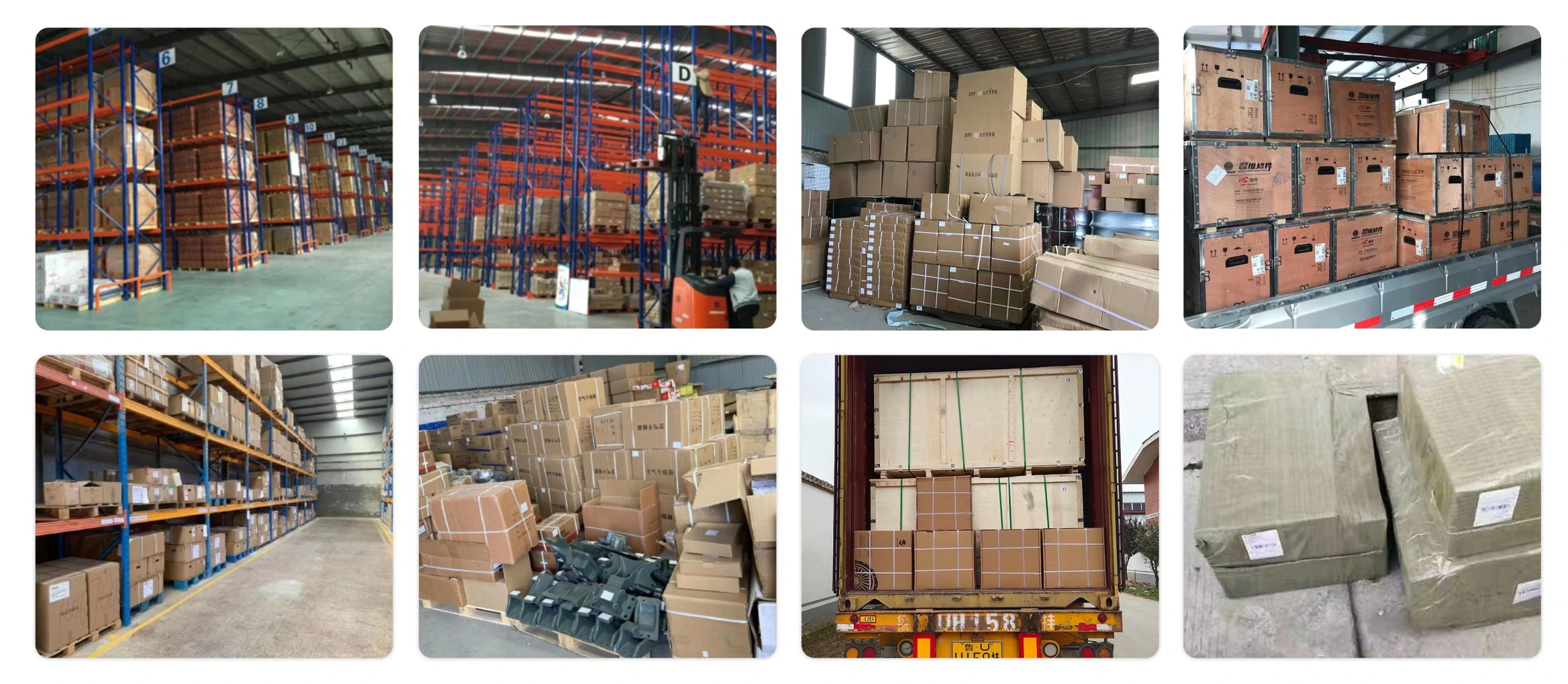
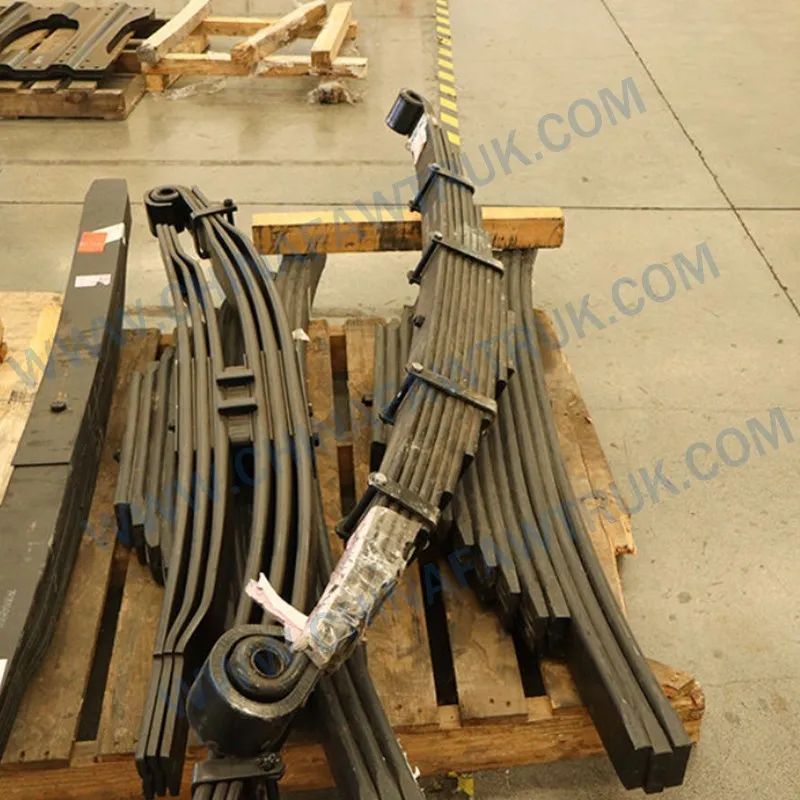
piezas FAW, incluido el conjunto del bloque de cilindros, Se empaquetan con cuidado para garantizar una entrega segura.. Cada componente está asegurado con materiales protectores para evitar daños durante el transporte.. La red logística garantiza envíos puntuales en todo el mundo., apoyando operaciones de mantenimiento eficientes. A continuación se muestra una imagen que ilustra el embalaje estándar de las piezas de camiones FAW., mostrando la atención al detalle en el manejo y almacenamiento.
Este enfoque de embalaje minimiza el riesgo de corrosión o daños por impacto., asegurando que piezas como el conjunto de bloque de cilindros FAW lleguen en perfectas condiciones. Los clientes pueden confiar en la logística de FAW para obtener calidad y confiabilidad constantes.