Tirante de torção russo FAW: Desconstruindo 8 Componentes críticos para precisão de direção inquebrável em caminhões basculantes do Ártico
O Tirante de torção russo FAW a montagem é a base do controle direcional para o CA3250P66K24L1TE5Z 6×6 caminhão basculante projetado para operações na Sibéria. Esta análise técnica disseca o robusto Conjunto de haste longitudinal de direção em suas unidades de reparo fundamentais, revelando como oito componentes de precisão mantêm a integridade da direção sob extrema tensão de torção e temperaturas abaixo de zero. Nossa análise se concentra na ciência dos materiais e no projeto cinemático que evita falhas por fadiga no severo ambiente de mineração russo.

Tirante de torção russo FAW
Núcleo Estrutural: O conjunto da haste longitudinal de direção
No coração do sistema está o Conjunto de haste longitudinal de direção (Parte não. 3003010-990), um componente forjado que traduz a entrada rotacional da caixa de direção em movimento linear. Esse Tirante de torção russo FAW está sujeito a imensas forças de compressão e tração durante a operação. O design tubular da haste foi projetado para uma ótima relação rigidez/peso, resistindo a momentos de flexão que podem causar atraso na direção. O -990 sufixo denota sua especificação de nível Ártico, apresentando um tratamento térmico especializado que aumenta a ductilidade do aço em baixas temperaturas, evitando fraturas frágeis no ambiente de -40°C.
A ligação primária é a Haste Longitudinal de Direção (Parte não. 3003016-990), a coluna central da montagem. Seu comprimento é calibrado com precisão para manter a geometria correta da direção, garantindo que as rodas girem em uníssono. As extremidades das hastes são usinadas com roscas de alta precisão para aceitar o Montagem da extremidade direita – Barra de direção (Parte não. 3003060CA38). Esses perfis de rosca são enrolados em vez de cortados, criando um fluxo contínuo de grãos no metal que aumenta a vida à fadiga em mais de 50% em comparação com métodos convencionais, uma característica crítica para o Tirante de torção russo FAW em aplicações de alto ciclo.
Proteger esses fios vitais é o Porcas planas de castelo hexagonal (Parte não. C038724). Duas dessas porcas de fixação são usadas para fixar os conjuntos finais, fornecendo um torque predominante que evita o afrouxamento devido a vibrações de alta frequência. A inserção não metálica dentro da porca deforma-se elasticamente contra as roscas, criando atrito constante que contraria as forças rotacionais. Este design é fundamental para o Tirante de torção russo FAW, já que uma conexão frouxa introduziria folga de direção, comprometendo a estabilidade e a segurança do veículo em estradas geladas.
Nós de Articulação: Finalizar montagens e retenção
O Montagem da extremidade direita – Barra de direção serve como conexão articulada entre a haste longitudinal e a junta de direção. Cada conjunto contém uma junta esférica encapsulada em um invólucro de aço temperado, permitindo o movimento multi-eixo enquanto transmite força de direção. O pino esférico é forjado em aço cromo-molibdênio e passa por um processo de cementação para criar uma superfície resistente ao desgaste. Para o Tirante de torção russo FAW, a graxa dentro desta junta é sintética, formulação de baixa temperatura que mantém uma viscosidade consistente, garantindo articulação suave mesmo durante partidas a frio.
Fixar a proteção de borracha em cada conjunto final é a Braçadeira – Barra de direção (Parte não. 3003056-8E). Essas braçadeiras de aço inoxidável fornecem uma vedação de 360 graus ao redor da bota, evitando a contaminação por sal rodoviário e partículas abrasivas. O mecanismo de fixação utiliza uma faixa de borda enrolada e um parafuso de travamento positivo que resiste ao recuo. No contexto do Tirante de torção russo FAW, este componente aparentemente simples é vital para excluir a umidade que pode congelar e danificar a junta esférica, ou permitir que agentes corrosivos degradem o lubrificante.
O Braço de direção (Parte não. 3003041-990) é a alavanca de saída final nesta cadeia mecânica. Este componente forjado converte o movimento linear push-pull do tirante no movimento rotacional necessário para girar o conjunto da roda. Seu design incorpora nervuras estratégicas para aumentar o momento de inércia em pontos de concentração de tensão. Para o Tirante de torção russo FAW sistema, a interface estriada do braço com a manga de eixo é usinada com uma tolerância de ±0,01 mm, garantindo folga zero e resposta imediata da direção, um imperativo de segurança para caminhões muito carregados em terrenos instáveis.
Engenharia Ártica: Materiais e desempenho em climas frios
O inteiro Tirante de torção russo FAW a montagem utiliza materiais selecionados para desempenho criogênico. O aço carbono padrão torna-se propenso a fraturas frágeis abaixo de -20°C, mas os componentes aqui são fabricados em liga de baixa, aços de alta resistência com aditivos de níquel e manganês. Esses elementos de liga reduzem a temperatura de transição dúctil para quebradiço, permitindo o Haste Longitudinal de Direção e Braço de direção para absorver cargas de impacto de buracos sem rachar. A especificação metalúrgica é um diferencial importante para caminhões com especificações russas que operam na tundra siberiana.
A proteção contra corrosão é outra camada crítica. Cada parte, do principal Conjunto de haste longitudinal de direção ao menor Porca plana de castelo hexagonal, recebe um revestimento de fosfato em vários estágios seguido por uma deposição eletroforética de tinta epóxi. Este sistema de revestimento proporciona adesão superior e cobertura uniforme, mesmo em áreas rebaixadas e roscas. Para o Tirante de torção russo FAW, isto é essencial para combater a combinação altamente corrosiva de sal rodoviário e ciclos constantes de congelamento e descongelamento, o que de outra forma levaria à rápida perda de seção e falha de componentes.
Os elementos de vedação dentro do Montagem da extremidade direita – Barra de direção também recebem atenção especial. A capa de borracha é composta de borracha nitrílica butadieno hidrogenada (HNBR), que mantém a elasticidade em temperaturas tão baixas quanto -50°C. Isso evita que o porta-malas se rasgue durante manobras completas de travamento da direção em frio extremo. Uma capa comprometida permitiria que a graxa especial para baixa temperatura escapasse e contaminantes entrassem, destruindo rapidamente a junta esférica de precisão. Por isso, cada elemento do Tirante de torção russo FAW está harmonizado para a resistência do Ártico.
Lógica de Manutenção: Intervalos de manutenção e indicadores de desgaste
Manutenção proativa do Tirante de torção russo FAW centra-se na inspeção periódica do Braçadeira – Barra de direção integridade e o estado das botas de borracha. Qualquer sinal de vazamento de graxa ou perfuração da capa exige a substituição imediata do Montagem da extremidade direita – Barra de direção. O Porcas planas de castelo hexagonal são projetados como itens de uso único; eles devem ser substituídos sempre que forem desmontados, à medida que sua capacidade de travamento diminui após o ciclo de torque inicial.
O alinhamento da direção está diretamente ligado à condição do conjunto do tirante. O desgaste nas juntas esféricas dos conjuntos finais causa desvio de convergência, levando ao desgaste acelerado dos pneus e ao rastreamento em linha reta instável. Os técnicos verificam a folga aplicando força lateral ao Haste Longitudinal de Direção enquanto o caminhão está em um elevador. Qualquer movimento detectável indica a necessidade de substituição. O design robusto do Tirante de torção russo FAW normalmente permite intervalos de serviço de 150,000 km em condições normais, mas o uso severo fora de estrada nas minas russas pode reduzir pela metade esse intervalo.
As especificações de torque não são negociáveis. O Porcas planas de castelo hexagonal a fixação dos conjuntos finais deve ser apertada com um valor preciso, geralmente entre 180-220 Nm, conforme especificado no manual de serviço. O torque excessivo pode danificar as roscas do Haste Longitudinal de Direção, enquanto o subtorque permite afrouxar. Uma chave de torque calibrada é obrigatória. Além disso, após qualquer ajuste no comprimento da haste para alinhamento, é fundamental garantir a Braço de direção e as extremidades das hastes estão corretamente indexadas para evitar emperramento durante o curso total da suspensão.
Divisão de Componentes: Conjunto de haste longitudinal de direção
| Não. |
Número da peça |
Nome da peça |
Quantidade |
| 1 | 3003010-990 | Conjunto da haste longitudinal da direção | 1 |
| 2 | 3003041-990 | Braço de direção | 1 |
| 3 | C038724 | Porca plana castelo hexagonal | 2 |
| 1-1 | 3003016-990 | Haste longitudinal de direção | 1 |
| 1-2 | 3003060CA38 | Montagem da extremidade direita – tirante de direção | 2 |
| 1-3 | 3003056-8E | Braçadeira – tirante de direção | 2 |
Conclusão: O Sistema de Integridade Direcional
O Tirante de torção russo FAW a montagem é uma aula magistral em design de componentes de direção para serviços pesados. Da força forjada do Haste Longitudinal de Direção à articulação selada do Montagem da extremidade direita – Barra de direção, cada um dos oito componentes detalhados é projetado para desempenho sinérgico. Este sistema fornece a precisão, direção rica em feedback necessária para manobrar um veículo com peso bruto de 70 toneladas em espaços confinados de mineração e em terrenos irregulares, solo congelado.
Compreender a divisão do Conjunto de haste longitudinal de direção capacita as equipes de manutenção a realizar inspeções direcionadas e substituições preventivas. Cumprimento dos números de peça especificados, como o grau Ártico 3003010-990 montagem e o crítico Porcas planas de castelo hexagonal (C038724), garante o Tirante de torção russo FAW mantém sua margem de segurança projetada. Para operadores em ambientes extremos, esta montagem não é apenas um elo na corrente de direção; é o componente definitivo que traduz a intenção do motorista em movimento controlado do veículo, viagem após viagem exigente.
Embalagem e Logística
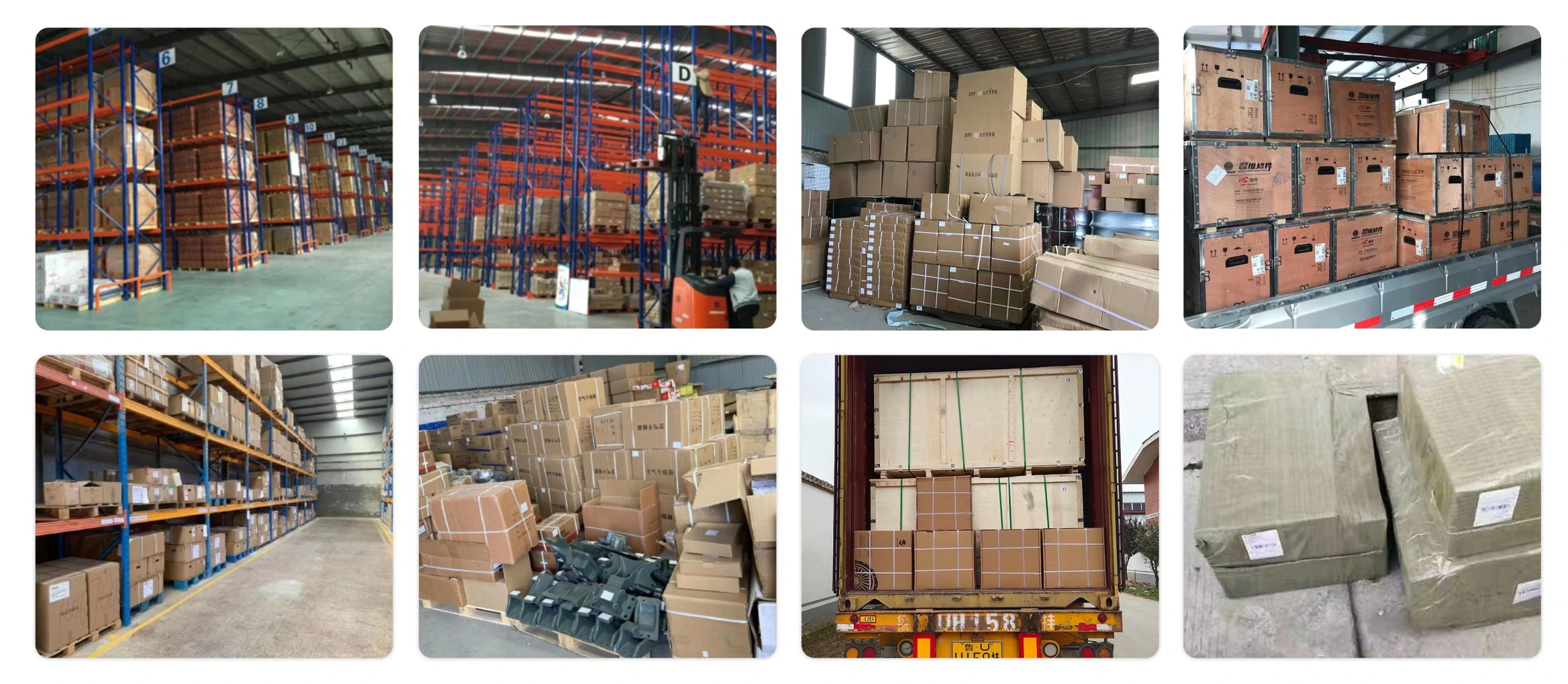
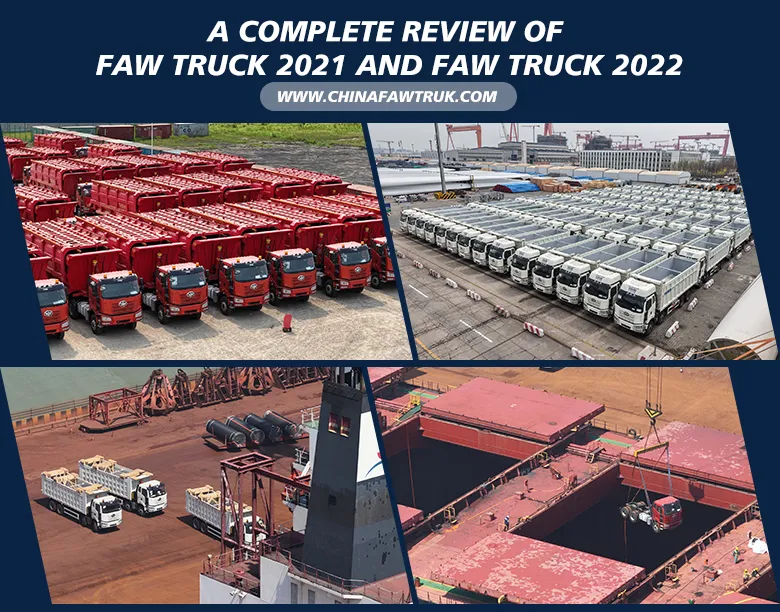
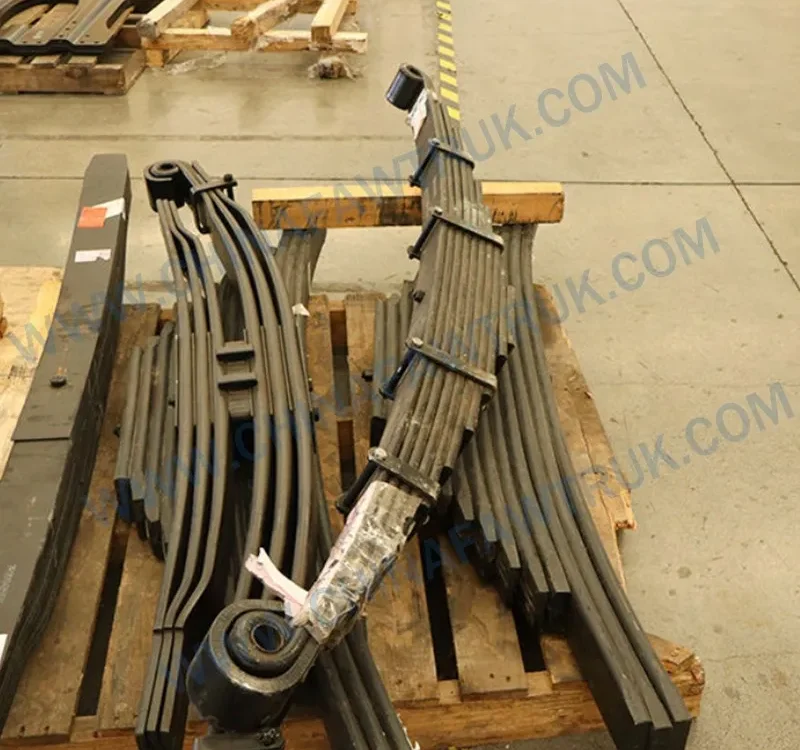
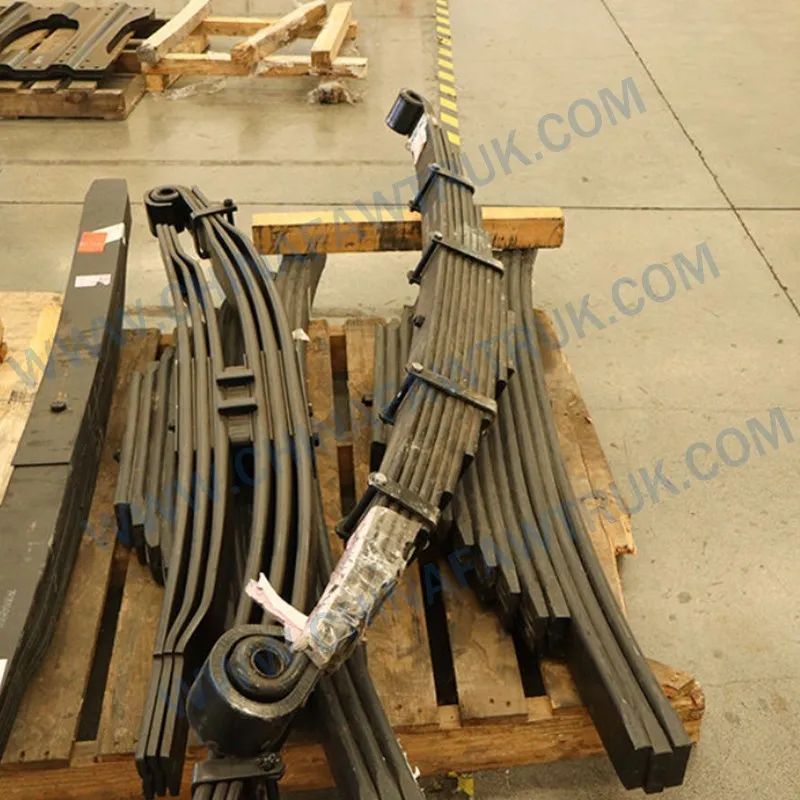
Peças FAW, incluindo o conjunto do bloco de cilindros, são embalados com cuidado para garantir uma entrega segura. Cada componente é protegido por materiais de proteção para evitar danos durante o transporte. A rede logística garante envios pontuais em todo o mundo, apoiando operações de manutenção eficientes. Abaixo está uma imagem ilustrando a embalagem padrão para peças de caminhão FAW, mostrando a atenção aos detalhes no manuseio e armazenamento.
Esta abordagem de embalagem minimiza o risco de corrosão ou danos por impacto, garantindo que peças como o conjunto do bloco de cilindros FAW cheguem em perfeitas condições. Os clientes podem confiar na logística da FAW para obter qualidade e confiabilidade consistentes.