Bouclier thermique russe pour post-processeur FAW: Maîtriser 4 Couches de défense critiques pour une fiabilité thermique sans faille
Le Bouclier thermique russe pour post-processeur FAW l'assemblage constitue le gardien thermique définitif du camion-benne CA3250P66K24L1TE5Z. Dans les étendues gelées de la toundra sibérienne, cet ensemble logique garantit que le système de contrôle des émissions conserve la chaleur vitale pour l'efficacité chimique tout en protégeant les composants du châssis des températures extrêmes. Ce guide analyse l'ingénierie derrière le Bouclier thermique russe pour post-processeur FAW et ses attaches stratégiques.

Bouclier thermique russe pour post-processeur FAW
Thermodynamique: La nécessité d'une protection thermique
Pour apprécier pleinement le design du Bouclier thermique russe pour post-processeur FAW, il faut d’abord comprendre les enjeux thermiques de l’Euro 5 et des euros 6 normes d’émissions dans un contexte arctique. Le système de post-traitement, spécifiquement la réduction catalytique sélective (SCR) unité, fonctionne sur un équilibre chimique délicat. Pour l'urée injectée (AdBlue) pour convertir les oxydes d'azote dangereux (NOx) en azote et vapeur d'eau inoffensifs, la température interne du substrat catalytique doit rester supérieure à 200°C.
Dans les climats tempérés du sud de la Chine, l'air ambiant a peu d'effet sur cette masse thermique massive. Cependant, en Fédération de Russie, où les températures hivernales descendent fréquemment en dessous de -40°C, le refroidissement éolien généré par un camion en mouvement devient un adversaire redoutable. Sans l'intervention du Bouclier thermique russe pour post-processeur FAW, la perte de chaleur par convection du corps du processeur en acier inoxydable est rapide et catastrophique. La peau métallique refroidit instantanément, évacuer la chaleur du flux d'échappement interne.
Lorsque la température interne descend en dessous du seuil critique, la réaction chimique s'arrête. L'urée injectée, au lieu de se vaporiser dans l'ammoniac, heurte les parois froides de la chambre de mélange et cristallise. Ces blancs, les cristaux durs comme la pierre s’accumulent rapidement, bloquer le flux des gaz d'échappement et obstruer le délicat catalyseur en céramique. En employant le Bouclier thermique russe pour post-processeur FAW, Les ingénieurs FAW créent une couche d'isolation de l'air stagnant qui ralentit considérablement ce transfert de chaleur., maintenir le réacteur chaud et la chimie active.
Protection verticale: Le bouclier thermique supérieur
La principale défense de l’assemblée contre les dangers aériens est la Bouclier thermique supérieur – Post-processeur (Partie no. 1204038-77C). Positionné comme un toit au-dessus de l'unité d'émissions, cette composante joue un double rôle dans Bouclier thermique russe pour post-processeur FAW logique. Sa première fonction est la protection des composants du châssis situés immédiatement au-dessus. Les contraintes d'espace du CA3250P66K24L1TE5Z signifient que les conduites de frein pneumatiques, faisceaux électriques, et les flexibles de basculement hydrauliques passent souvent directement sur le système d'échappement..
Pendant la régénération active du DPF, la température de surface du processeur peut atteindre plus de 550°C. Sans le Bouclier thermique supérieur – Post-processeur, cette chaleur radiante intense serait transférée directement aux composants en caoutchouc et en plastique situés au-dessus. Cela conduirait à la fragilisation des lignes aériennes, la fonte de l'isolation des fils, et des pannes hydrauliques potentiellement catastrophiques. Le bouclier reflète cette énergie vers le bas et sur les côtés, préserver l’intégrité des systèmes de contrôle du véhicule.
La deuxième fonction est spécifique à l’environnement opérationnel russe: déviation des débris. Les camions miniers et les véhicules de transport hivernal accumulent d’énormes quantités de neige, glace, et de la boue gelée (neige fondante) sur les rails du châssis et les surplombs de la benne. Si un gros bloc de glace se détachait et tombait directement sur le boîtier surchauffé du post-processeur, le choc thermique qui en résulte pourrait fissurer le boîtier ou briser les substrats internes en céramique. Le Bouclier thermique supérieur – Post-processeur agit comme un parapluie sacrificiel, absorbant cet impact physique et permettant aux débris de fondre sans danger loin des zones sensibles Bouclier thermique russe pour post-processeur FAW cœur.
Rétention de base: Le corps principal du bouclier thermique
L'enrobage des surfaces verticales et latérales de l'unité d'émission est le principal Bouclier thermique – Post-processeur (Partie no. 1204028-77C). C'est le cheval de bataille du Bouclier thermique russe pour post-processeur FAW système. Construit en acier aluminisé estampé, ce bouclier est conçu pour fournir l'essentiel de la capacité de rétention thermique. Le choix du matériau est crucial; L'acier aluminisé offre des propriétés de réflexion de la chaleur supérieures à celles de l'acier galvanisé et résiste à l'oxydation à haute température qui corroderait rapidement les matériaux de moindre qualité..
Le principe d'ingénierie sur lequel on s'appuie ici est le “entrefer stagnant.” L'air est un mauvais conducteur de chaleur, ce qui en fait un excellent isolant. En maintenant un écart conçu avec précision entre le Bouclier thermique – Post-processeur et le mur des processeurs, l'ensemble emprisonne une couche d'air chaud. Cette couche agit comme un tampon, empêchant le vent arctique d'évacuer la chaleur de la peau du processeur. Cette stabilité thermique est ce qui permet au système SCR de fonctionner efficacement, garantir le respect des réglementations sur les émissions même en plein hiver.
En plus de la rétention thermique, le Bouclier thermique – Post-processeur fournit une protection physique vitale pour les composants adjacents. Réservoirs de carburant, boîtiers de batterie, et les réservoirs d'urée sont souvent montés à proximité immédiate du système de post-traitement. La chaleur rayonnante d'un processeur non protégé est suffisante pour faire bouillir les électrolytes de la batterie ou surchauffer le carburant diesel., provoquant potentiellement un bouchon de vapeur. En contenant cette chaleur, le Bouclier thermique russe pour post-processeur FAW assure la sécurité et la longévité de l’ensemble de l’écosystème du groupe motopropulseur.
Science de la fixation: Boulons combinés avancés
L'intégrité structurelle de l'ensemble du système de défense thermique repose sur ses points de fixation. Le Bouclier thermique russe pour post-processeur FAW l'assemblage utilise un ensemble spécifique de fixations de haute spécification: le Boulon combiné (Partie no. CQ1460825) et le Boulon combiné (Partie no. CQ1460816). Bien qu'ils puissent sembler être du matériel simple, leur sélection est le résultat d'un calcul technique minutieux conçu pour relever les défis spécifiques du cycle thermique et de la maintenance sur site.
UN “Boulon combiné” se distingue par une rondelle (généralement une bride ou une rondelle de blocage fendue) capturée en permanence sur l'arbre du boulon. Dans le cadre d'une maintenance sur le terrain dans une mine russe, c'est une caractéristique de conception cruciale. Tentative d'alignement d'une rondelle desserrée, un trou de bouclier, et un patron de support tout en portant des gants d'hiver épais est incroyablement difficile. Les rondelles captives éliminent le risque de chute de petites pièces dans la neige profonde, en veillant à ce que chaque point de montage sur le Bouclier thermique russe pour post-processeur FAW est sécurisé avec le matériel de répartition de charge approprié.
D'un point de vue métallurgique, ces boulons doivent s'adapter à une dilatation thermique différentielle extrême. Comme le processeur chauffe de -30°C à +500°C, le Bouclier thermique – Post-processeur se dilate à un rythme différent des supports de montage en fonte ou en acier lourd. Ce mouvement peut cisailler les boulons standards ou les faire se desserrer avec le temps.. Les boulons combinés utilisés dans le Bouclier thermique russe pour post-processeur FAW comportent une tête à large bride qui répartit cette charge de serrage sur une zone plus large. Cela empêche la tête du boulon d'écraser la fine tôle du bouclier ou de passer à travers le trou de montage., s'assurer que le bouclier reste sécurisé et sans cliquetis.
L'évaluation des risques: Le coût du compromis
C'est une idée fausse et dangereuse que de considérer Bouclier thermique russe pour post-processeur FAW en option “garniture” morceau. Conduire un véhicule sans cet ensemble présente de graves risques de sécurité et de fonctionnement.. Pendant les mois secs d'été, la surface exposée à haute température du processeur crée un risque d'incendie important. Herbe sèche, débris de papier, ou de l'huile déversée entrant en contact avec le métal non protégé peut s'enflammer instantanément. Le bouclier agit comme la principale barrière anti-incendie.
Dans le contexte hivernal, un manquant ou endommagé Bouclier thermique – Post-processeur garantit que le système de post-traitement fonctionnera trop froid. Cela conduit directement aux problèmes de cristallisation de l'urée mentionnés précédemment., entraînant des échecs fréquents de régénération, perte de puissance du moteur, et temps d'arrêt coûteux pour le nettoyage du catalyseur. Les gestionnaires de flotte doivent veiller à l'intégrité du Bouclier thermique russe pour post-processeur FAW avec la même importance que les systèmes de refroidissement ou de lubrification du moteur.
Une inspection régulière des points de fixation est indispensable. La fatigue due aux vibrations commence souvent autour des trous de boulons. Si le Boulon combiné (CQ1460816) fonctionne librement, le bouclier commencera à trembler contre le corps du processeur. Au fil du temps, cette abrasion métal sur métal peut percer un trou dans le boîtier coûteux du processeur, transformer une réparation matérielle mineure en un remplacement de composant majeur. Donc, maintenir le Bouclier thermique russe pour post-processeur FAW est une pratique essentielle pour protéger la valeur en capital du véhicule.
Répartition des composants: 85. Ensemble logique de bouclier thermique post-processeur
| Non. |
Numéro de pièce |
Nom de la pièce |
Quantité |
| 1 |
CQ1460825 |
Boulon combiné |
4 |
| 2 |
1204038-77C |
Bouclier thermique supérieur – Post-processeur |
1 |
| 3 |
1204028-77C |
Bouclier thermique – Post-processeur |
1 |
| 4 |
CQ1460816 |
Boulon combiné |
5 |
Conclusion: La logique de la fortification thermique
Le Bouclier thermique russe pour post-processeur FAW l'assemblage représente une classe de maître en gestion thermique pour les véhicules lourds. Il ne s'agit pas d'un simple accessoire mais d'une solution technique calculée aux exigences contradictoires d'une chaleur interne extrême et d'un froid externe extrême.. En isolant le système de post-traitement, il garantit que le CA3250P66K24L1TE5Z reste conforme aux réglementations environnementales tout en protégeant l'intégrité structurelle du véhicule.
Pour les opérateurs de la Fédération de Russie, le message est clair: la fiabilité de votre camion en hiver est directement liée à l'état de ce bouclier. Des raccourcis tels que le retrait du bouclier pour gagner du temps lors de la maintenance ou le remplacement de boulons combinés spécialisés par du matériel standard entraîneront des pannes du système.. Investir dans l'authentique Bouclier thermique russe pour post-processeur FAW composants est un investissement dans la disponibilité, sécurité, et longévité de l'ensemble de la machine.
Emballage et logistique
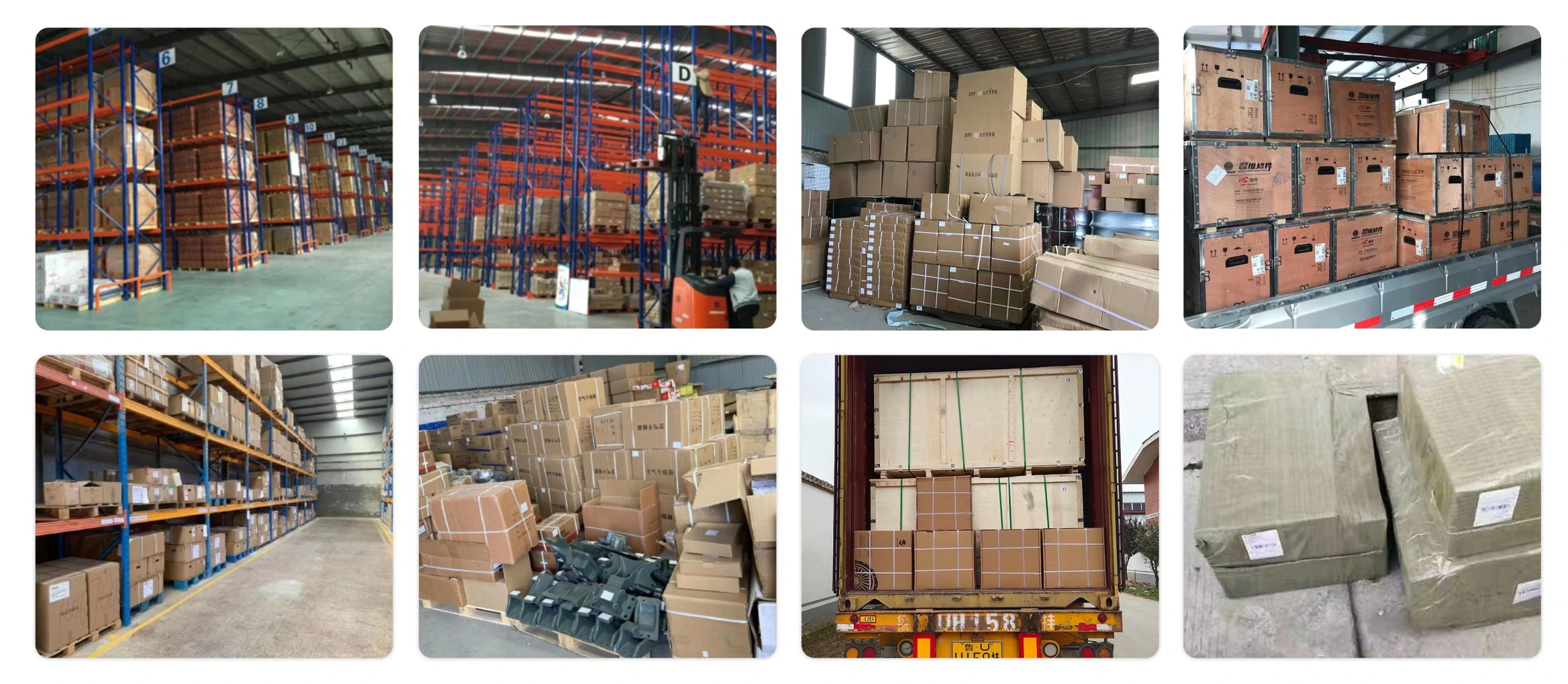
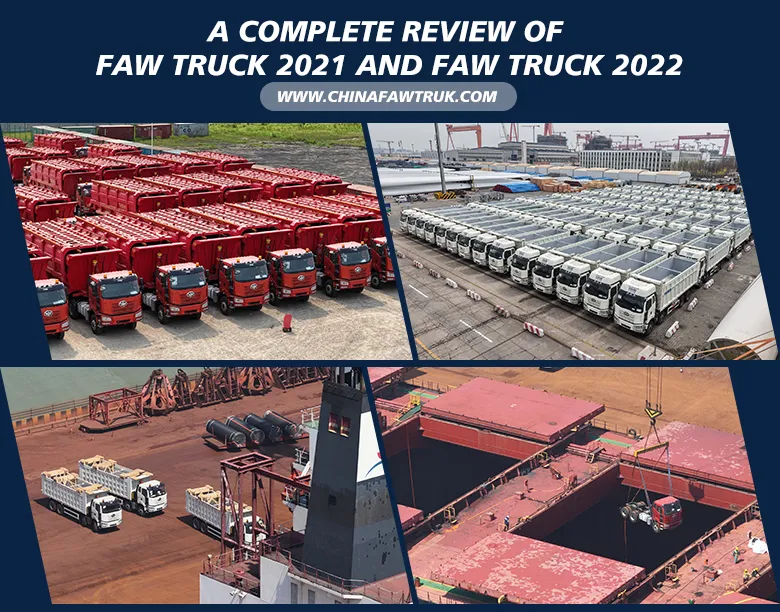
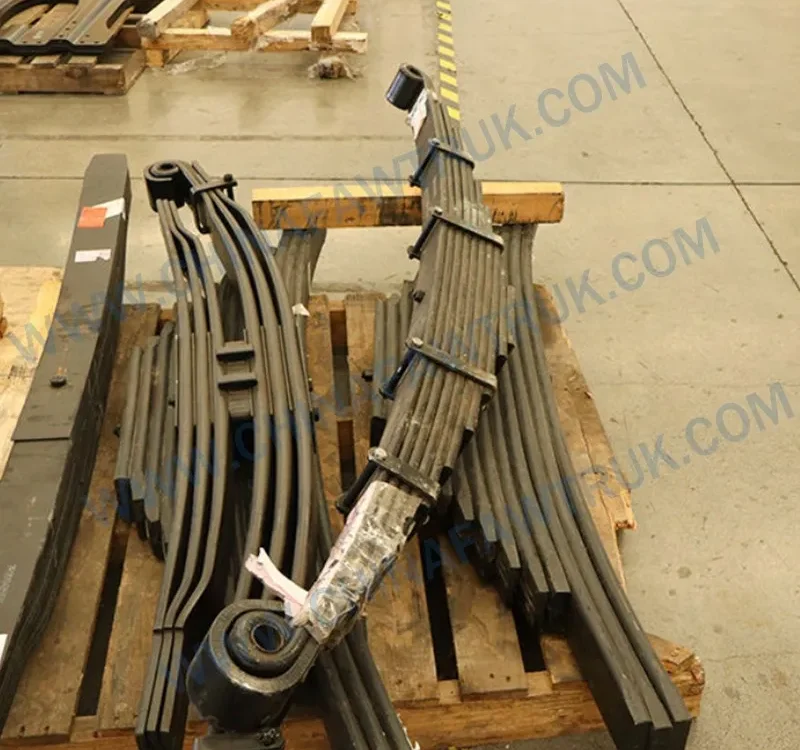
Pièces FAW, y compris l'ensemble bloc-cylindres, sont emballés avec soin pour garantir une livraison en toute sécurité. Chaque composant est sécurisé dans des matériaux de protection pour éviter tout dommage pendant le transport. Le réseau logistique garantit des expéditions ponctuelles dans le monde entier, soutenir des opérations de maintenance efficaces. Vous trouverez ci-dessous une image illustrant l'emballage standard des pièces de camion FAW., mettant en valeur l’attention portée aux détails dans la manipulation et le stockage.
Cette approche d'emballage minimise le risque de corrosion ou de dommages causés par les chocs., s'assurer que les pièces comme l'ensemble bloc-cylindres FAW arrivent en parfait état. Les clients peuvent compter sur la logistique de FAW pour une qualité et une fiabilité constantes.