Escudo térmico pós-processador russo FAW: Masterização 4 Camadas críticas de defesa para confiabilidade térmica perfeita
O Escudo térmico pós-processador russo FAW a montagem se destaca como o guardião térmico definitivo para o caminhão basculante CA3250P66K24L1TE5Z. Nas extensões congeladas da tundra siberiana, este conjunto lógico garante que o sistema de controle de emissões retenha o calor vital para a eficiência química, ao mesmo tempo que protege os componentes do chassi contra temperaturas extremas. Este guia analisa a engenharia por trás do Escudo térmico pós-processador russo FAW e seus fixadores estratégicos.

Escudo térmico pós-processador russo FAW
Termodinâmica: A necessidade de blindagem térmica
Para apreciar plenamente o design do Escudo térmico pós-processador russo FAW, é preciso primeiro compreender os desafios térmicos do Euro 5 e euro 6 padrões de emissões no contexto do Ártico. O sistema de pós-tratamento, especificamente a Redução Catalítica Seletiva (Scr) unidade, opera em um delicado equilíbrio químico. Para a uréia injetada (AdBlue) para converter óxidos de nitrogênio perigosos (NOx) em nitrogênio inofensivo e vapor de água, a temperatura interna do substrato catalítico deve permanecer acima de 200°C.
Nos climas moderados do sul da China, o ar ambiente tem pouco efeito sobre esta enorme massa térmica. No entanto, na Federação Russa, onde as temperaturas no inverno frequentemente caem abaixo de -40°C, a sensação térmica gerada por um caminhão em movimento se torna um adversário formidável. Sem a intervenção do Escudo térmico pós-processador russo FAW, a perda de calor por convecção do corpo do processador de aço inoxidável é rápida e catastrófica. A pele de metal esfria instantaneamente, retirando o calor do fluxo de exaustão interno.
Quando a temperatura interna cai abaixo do limite crítico, a reação química para. A uréia injetada, em vez de vaporizar em amônia, atinge as paredes frias da câmara de mistura e cristaliza. Estes brancos, cristais duros como rocha se acumulam rapidamente, bloqueando o fluxo dos gases de exaustão e obstruindo o delicado catalisador cerâmico. Ao empregar o Escudo térmico pós-processador russo FAW, Os engenheiros da FAW criam uma camada de isolamento de ar estagnado que retarda drasticamente esta transferência de calor, mantendo o reator quente e a química ativa.
Proteção vertical: O escudo térmico superior
A principal defesa da montagem contra perigos aéreos é a Escudo térmico superior – Pós-processador (Parte não. 1204038-77C). Posicionado como um telhado sobre a unidade de emissões, este componente desempenha um duplo papel no Escudo térmico pós-processador russo FAW lógica. Sua primeira função é a proteção dos componentes do chassi localizados imediatamente acima dele. As restrições de espaço do CA3250P66K24L1TE5Z significam que as linhas de freio pneumático, chicotes elétricos, e mangueiras basculantes hidráulicas geralmente passam diretamente sobre o sistema de escapamento.
Durante a regeneração ativa do DPF, a temperatura da superfície do processador pode atingir mais de 550°C. Sem o Escudo térmico superior – Pós-processador, esse intenso calor radiante seria transferido diretamente para os componentes de borracha e plástico acima. Isso levaria à fragilização das linhas aéreas, o derretimento do isolamento do fio, e falhas hidráulicas potencialmente catastróficas. O escudo reflete essa energia para baixo e para os lados, preservando a integridade dos sistemas de controle do veículo.
A segunda função é específica para o ambiente operacional russo: deflexão de detritos. Caminhões de mineração e veículos de transporte de inverno acumulam enormes quantidades de neve, gelo, e lama congelada (lama) nos trilhos do chassi e nas saliências da caçamba basculante. Se um grande bloco de gelo congelado se desprendesse e caísse diretamente sobre a caixa superaquecida do pós-processador, o choque térmico resultante pode rachar a caixa ou quebrar os substratos cerâmicos internos. O Escudo térmico superior – Pós-processador atua como um guarda-chuva sacrificial, absorvendo esse impacto físico e permitindo que os detritos derretam inofensivamente para longe do sensível Escudo térmico pós-processador russo FAW essencial.
Retenção Central: O corpo principal do escudo térmico
Envolver as superfícies verticais e laterais da unidade de emissões é o principal Escudo térmico – Pós-processador (Parte não. 1204028-77C). Este é o carro-chefe do Escudo térmico pós-processador russo FAW sistema. Construído em aço aluminizado estampado, esta blindagem foi projetada para fornecer a maior parte da capacidade de retenção térmica. A escolha do material é crítica; o aço aluminizado oferece propriedades superiores de reflexão de calor em comparação com o aço galvanizado e resiste à oxidação em alta temperatura que corroeria rapidamente materiais menores.
O princípio de engenharia invocado aqui é o “entreferro estagnado.” O ar é um mau condutor de calor, tornando-o um excelente isolante. Ao manter uma lacuna projetada com precisão entre o Escudo térmico – Pós-processador e a parede do processador, a montagem retém uma camada de ar quente. Esta camada atua como um buffer, evitando que o vento do Ártico remova o calor da superfície do processador. Esta estabilidade térmica é o que permite que o sistema SCR funcione de forma eficiente, garantindo a conformidade com os regulamentos de emissões, mesmo no inverno intenso.
Além da retenção térmica, o Escudo térmico – Pós-processador fornece proteção física vital para componentes adjacentes. Tanques de combustível, caixas de bateria, e os reservatórios de ureia são frequentemente montados próximos ao sistema de pós-tratamento. O calor radiante de um processador não blindado é suficiente para ferver os eletrólitos da bateria ou superaquecer o combustível diesel, potencialmente causando bloqueio de vapor. Ao conter esse calor, o Escudo térmico pós-processador russo FAW garante a segurança e a longevidade de todo o ecossistema do trem de força.
Ciência de fixação: Parafusos de combinação avançada
A integridade estrutural de todo o sistema de defesa térmica depende dos seus pontos de fixação. O Escudo térmico pós-processador russo FAW a montagem utiliza um conjunto específico de fixadores de alta especificação: o Parafuso de combinação (Parte não. CQ1460825) e o Parafuso de combinação (Parte não. CQ1460816). Embora possam parecer hardware simples, sua seleção é o resultado de cálculos cuidadosos de engenharia projetados para enfrentar os desafios específicos da ciclagem térmica e da manutenção em campo.
A “Parafuso de combinação” se distingue por ter uma arruela - normalmente um flange ou uma arruela de pressão dividida - permanentemente capturada no eixo do parafuso. No contexto da manutenção de campo numa mina russa, este é um recurso de design crucial. Tentando alinhar uma arruela solta, um buraco de escudo, e um chefe de suporte usando luvas grossas de inverno é incrivelmente difícil. As arruelas cativas eliminam o risco de deixar cair peças pequenas na neve profunda, garantindo que todos os pontos de montagem no Escudo térmico pós-processador russo FAW é protegido com o hardware de distribuição de carga correto.
Do ponto de vista metalúrgico, esses parafusos devem acomodar expansão térmica diferencial extrema. À medida que o processador aquece de -30°C a +500°C, o Escudo térmico – Pós-processador expande a uma taxa diferente dos suportes de montagem em ferro fundido ou aço pesado. Este movimento pode cortar parafusos padrão ou fazer com que eles se soltem com o tempo. Os parafusos combinados usados no Escudo térmico pós-processador russo FAW apresentam uma cabeça de flange larga que distribui esta carga de fixação por uma área mais ampla. Isso evita que a cabeça do parafuso esmague a fina chapa metálica da blindagem ou puxe através do orifício de montagem, garantindo que o escudo permaneça seguro e livre de ruídos.
Avaliação de risco: O custo do compromisso
É um equívoco perigoso ver o Escudo térmico pós-processador russo FAW como opcional “aparar” pedaço. Operar um veículo sem este conjunto representa graves riscos operacionais e de segurança. Nos meses secos de verão, a superfície exposta de alta temperatura do processador cria um risco de incêndio significativo. Grama seca, restos de papel, ou óleo derramado em contato com o metal não protegido pode pegar fogo instantaneamente. O escudo atua como a principal barreira de supressão de incêndio.
No contexto de inverno, faltando ou danificado Escudo térmico – Pós-processador garante que o sistema de pós-tratamento funcionará muito frio. Isto leva diretamente aos problemas de cristalização da ureia mencionados anteriormente, resultando em falhas frequentes de regeneração, perda de potência do motor, e tempo de inatividade caro para limpeza do catalisador. Os gestores de frota devem tratar a integridade do Escudo térmico pós-processador russo FAW com a mesma importância que os sistemas de refrigeração ou lubrificação do motor.
A inspeção regular dos pontos de montagem é essencial. A fadiga por vibração geralmente começa ao redor dos furos dos parafusos. Se o Parafuso de combinação (CQ1460816) funciona solto, o escudo começará a chacoalhar contra o corpo do processador. Ao longo do tempo, esta abrasão de metal com metal pode abrir um buraco na cara caixa do processador, transformar uma pequena correção de hardware em uma grande substituição de componente. Portanto, mantendo o Escudo térmico pós-processador russo FAW é uma prática crítica para proteger o valor capital do veículo.
Divisão de Componentes: 85. Conjunto lógico de proteção térmica pós-processador
| Não. |
Número da peça |
Nome da peça |
Quantidade |
| 1 |
CQ1460825 |
Parafuso de combinação |
4 |
| 2 |
1204038-77C |
Escudo térmico superior – Pós-processador |
1 |
| 3 |
1204028-77C |
Escudo térmico – Pós-processador |
1 |
| 4 |
CQ1460816 |
Parafuso de combinação |
5 |
Conclusão: A Lógica da Fortificação Térmica
O Escudo térmico pós-processador russo FAW montagem representa uma masterclass em gerenciamento térmico para veículos pesados. Não é um simples acessório, mas uma solução de engenharia calculada para os requisitos conflitantes de calor interno extremo e frio externo extremo.. Ao isolar o sistema de pós-tratamento, garante que o CA3250P66K24L1TE5Z permaneça em conformidade com as regulamentações ambientais, protegendo ao mesmo tempo a integridade estrutural do veículo.
Para operadores na Federação Russa, a mensagem é clara: a confiabilidade do seu caminhão no inverno está diretamente ligada ao estado deste escudo. Atalhos como a remoção da blindagem para economizar tempo durante a manutenção ou a substituição de parafusos combinados especializados por hardware padrão causarão falhas no sistema. Investir no genuíno Escudo térmico pós-processador russo FAW componentes é um investimento no tempo de atividade, segurança, e longevidade de toda a máquina.
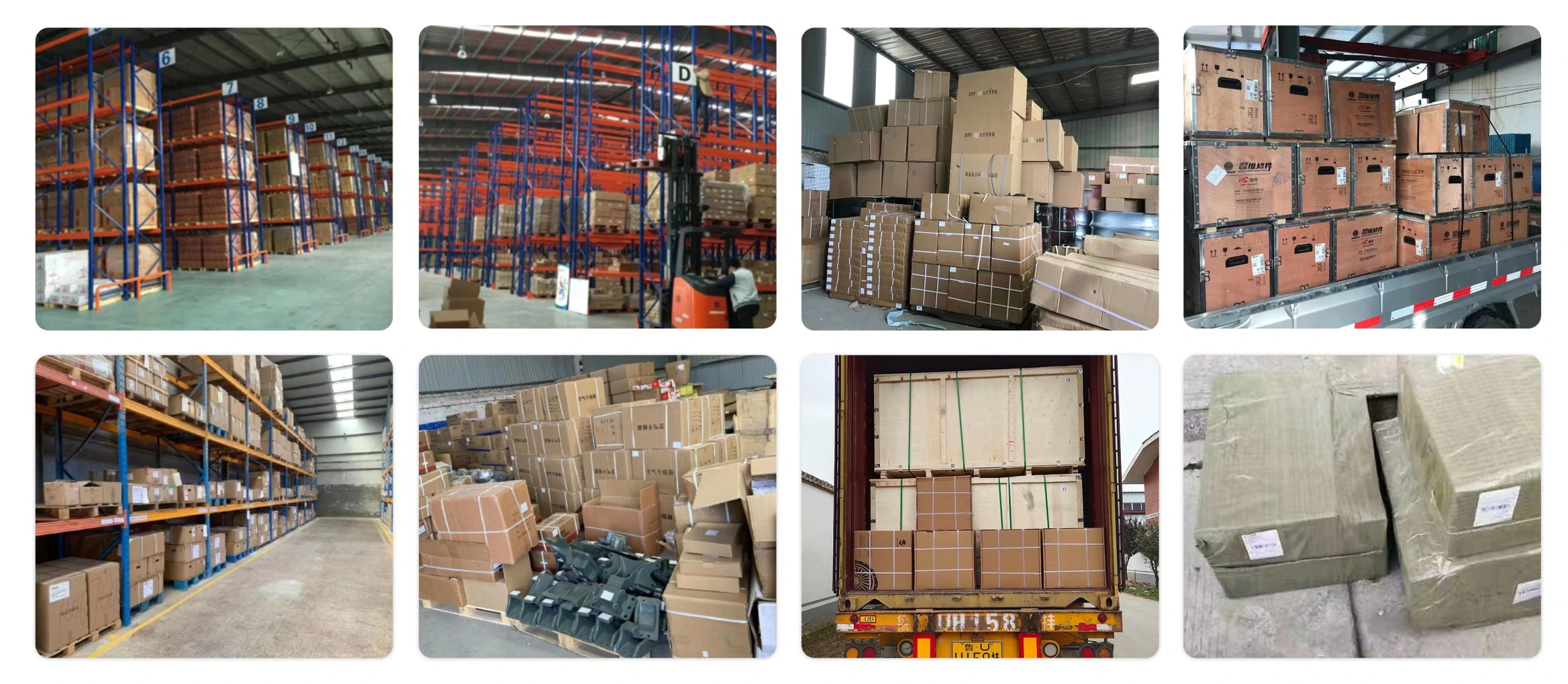
Embalagem e Logística
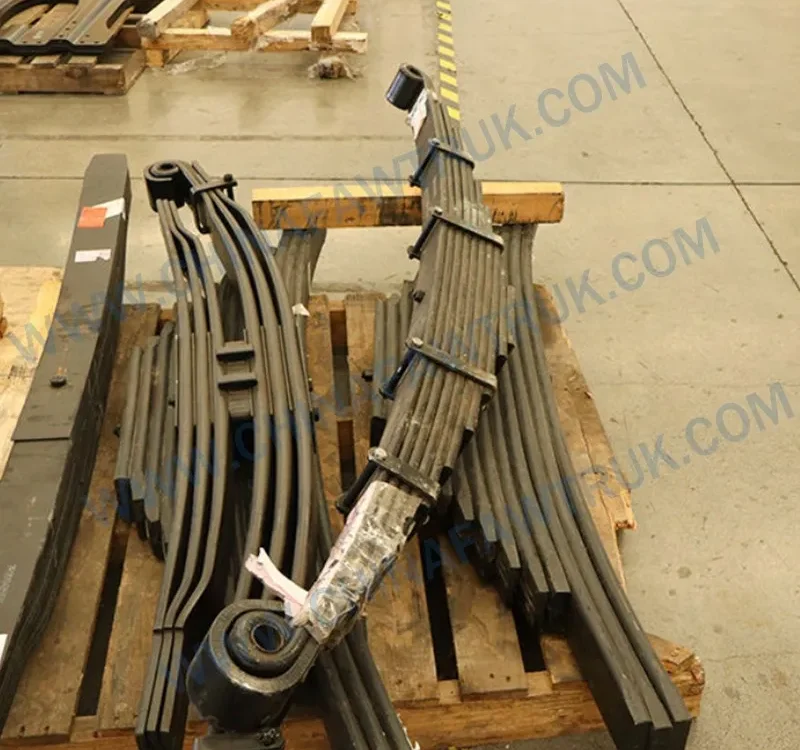
Peças FAW, incluindo o conjunto do bloco de cilindros, são embalados com cuidado para garantir uma entrega segura. Cada componente é protegido por materiais de proteção para evitar danos durante o transporte. A rede logística garante envios pontuais em todo o mundo, apoiando operações de manutenção eficientes. Abaixo está uma imagem ilustrando a embalagem padrão para peças de caminhão FAW, mostrando a atenção aos detalhes no manuseio e armazenamento.
Esta abordagem de embalagem minimiza o risco de corrosão ou danos por impacto, garantindo que peças como o conjunto do bloco de cilindros FAW cheguem em perfeitas condições. Os clientes podem confiar na logística da FAW para obter qualidade e confiabilidade consistentes.