Coletor de admissão pós-tratamento russo FAW: Masterização 23 Peças estratégicas para eficiência ideal de SCR
O Coletor de admissão pós-tratamento russo FAW é um subsistema crítico de gerenciamento térmico dentro do chassi do caminhão basculante CA3250P66K24L1TE5Z. Nas extensões congeladas da Federação Russa, gerenciando a temperatura dos gases de exaustão à medida que eles entram na Redução Catalítica Seletiva (Scr) unidade é fundamental para conformidade com emissões e desempenho do motor. Esta montagem faz mais do que encaminhar gases; atua como um guardião térmico. Utilizando tubulação isolada especializada e robusta, conexões flexíveis com isolamento de vibração, o Coletor de admissão pós-tratamento russo FAW garante que o fluxo de exaustão permaneça na temperatura ideal para reação química, mesmo quando a temperatura ambiente cai para -40°C. Este guia disseca a lógica por trás dessas 23 componentes, desde as seções frontais isoladas até as intrincadas juntas de vedação.

Coletor de admissão pós-tratamento russo FAW
Lógica Térmica: Sistemas de tubulação isolados
A eficiência do sistema de pós-tratamento depende muito do calor. Se os gases de escape esfriarem muito rapidamente antes de entrarem no catalisador SCR, a reação química necessária para reduzir as emissões de NOx para, levando à desclassificação do motor. O Coletor de admissão pós-tratamento russo FAW combate isso através do Conjunto da seção frontal do tubo de admissão – Com isolamento (Parte não. 1203510-55R). Ao contrário dos tubos metálicos padrão encontrados em modelos de clima mais quente, este componente possui uma barreira térmica integrada. Este isolamento não é apenas enrolado no tubo; ele é colado para garantir que sobreviva às lavagens de alta pressão e aos impactos de detritos rodoviários comuns em operações de mineração.
Continuar esta proteção térmica é o Conjunto da seção traseira do tubo de admissão – Com isolamento (Parte não. 1203515-58H). Esta seção direciona os gases através da complexa geometria do chassi em direção à caixa de pós-tratamento. O “Com isolamento” especificação é fundamental para o Coletor de admissão pós-tratamento russo FAW. No frio extremo, o diferencial de temperatura entre os gases de escape internos (aprox.. 300°C-500 °C) e o ar externo do Ártico (-40° c) cria imenso estresse térmico. O isolamento atenua esse gradiente, evitando a rápida contração do metal que poderia rachar as soldas do tubo, ao mesmo tempo que mantém a temperatura da superfície externa segura para os técnicos de manutenção.
Os pontos de conexão são vedados com o Conjunto da junta (Parte não. 1203025A263). Estas não são simples juntas de papel; são juntas compostas de múltiplas camadas projetadas para expandir e contrair sem perder a vedação. Um vazamento no Coletor de admissão pós-tratamento russo FAW é perigoso, pois permite que os gases de escape não tratados escapem e reduz significativamente a pressão necessária para que o sistema de pós-tratamento funcione corretamente. Essas juntas são projetadas para resistir à natureza corrosiva do condensado de escapamento de diesel, garantindo uma longa duração, vedação estanque a gás.
Dinâmica Flexível: O conjunto de mangueira de metal
Um sistema de tubulação rígido conectado diretamente entre um motor vibratório e uma caixa de pós-tratamento montada no chassi quebraria em poucas horas. O Coletor de admissão pós-tratamento russo FAW resolve isso através do Conjunto de mangueira metálica (Parte não. 1203040-1086). Este componente atua como fusível mecânico para movimento. É um fole de aço inoxidável corrugado, muitas vezes coberto com uma malha de aço trançada para proteção externa. Absorve os movimentos de torque do motor, expansão térmica, e a torção da estrutura do caminhão em estradas de transporte irregulares.
A metalurgia desta mangueira é específica para o Coletor de admissão pós-tratamento russo FAW. O aço inoxidável padrão pode sofrer fissuras por corrosão sob tensão por cloreto devido ao uso intenso de sais rodoviários na Rússia. FAW utiliza uma liga de alta qualidade que resiste a esta corrosão. A flexibilidade desta mangueira também auxilia na instalação, permitindo pequenos desalinhamentos entre as seções dianteira e traseira do tubo sem induzir tensões de pré-carga nos suportes de montagem.
Proteger essas conexões requer hardware robusto, como o Parafuso em U (Parte não. 1203021-96U). Os parafusos em U fornecem uma alta força de fixação em uma grande área de superfície, essencial para fixar o perfil circular dos tubos sem esmagá-los. No Coletor de admissão pós-tratamento russo FAW, esses parafusos em U são frequentemente combinados com grampos de sela que distribuem a carga, garantindo que a conexão permaneça firme mesmo sob a vibração de alta frequência de um motor diesel de serviço pesado.
espinha dorsal estrutural: Suportes para serviços pesados
O peso da tubulação isolada é substancial. Para suportar esta carga, a montagem utiliza uma série de montagens estratégicas, incluindo o Suporte de tubo de admissão (Parte não. 1203071-55R) e Suporte de tubo de admissão (Parte não. 1203071A86V). Esses colchetes servem como esqueleto do Coletor de admissão pós-tratamento russo FAW. Eles são projetados com nervuras reforçadas para evitar rachaduras por fadiga. Os números de peça específicos indicam variações na geometria projetada para direcionar a tubulação ao redor de obstáculos do chassi, como tanques de ar e linhas de combustível.
Apoio adicional é fornecido pelo Suporte – Tubo de admissão (Parte não. 1203056-96U) e Suporte – Tubo de admissão (Parte não. 1203036-55R). Esses colchetes secundários geralmente servem como pontos de suporte intermediários, reduzindo o comprimento do vão das seções do tubo. Ao minimizar o comprimento não suportado do tubo, Engenheiros da FAW reduzem a frequência ressonante da montagem, afastando-o da frequência natural de vibração do motor. Esse “desafinando” é um aspecto sutil, mas vital, do Coletor de admissão pós-tratamento russo FAW projeto, evitando vibrações harmônicas que poderiam levar a falhas catastróficas.
A fixação desses suportes utiliza ferragens de alta resistência como o Parafuso de cabeça hexagonal (Parte não. CQ1501055) e Parafuso de cabeça hexagonal (Parte não. CQ1501045). Esses parafusos são selecionados por sua resistência ao cisalhamento. Dado o frio extremo, a fragilidade do aço padrão é um risco. A especificação da FAW para parafusos da série CQ garante que os fixadores mantenham sua ductilidade a -40°C, garantindo que os suportes permaneçam firmemente presos aos trilhos do chassi, mesmo durante cargas de impacto severas.
Lógica de Fixação: Nozes, Arruelas, e mecanismos de bloqueio
A integridade do Coletor de admissão pós-tratamento russo FAW em última análise, é mantido pelo pequeno hardware que mantém tudo unido. O sistema emprega uma variedade de nozes, como o Noz hexágono (Parte não. CQ34010) e Porca de travamento de flange de cabeça hexagonal (Parte não. CQ32612). A porca de travamento do flange é particularmente importante; sua face serrilhada morde a superfície do braquete, enquanto o design da rosca distorcida evita o afrouxamento devido à vibração. Isso elimina a necessidade de arruelas de pressão separadas em alguns locais, simplificando a manutenção.
Onde porcas flangeadas não são usadas, a assembléia depende Arruela elástica (Parte não. Q40314) e Arruela elástica (Parte não. Q40312). Esses componentes atuam como molas axiais, manter a tensão no conjunto do parafuso mesmo quando a expansão térmica faz com que as peças fixadas se desloquem ligeiramente. Eles estão emparelhados com planos Máquina de lavar (Parte não. Q40112) para distribuir a carga e proteger a pintura dos suportes contra arranhões causados pela porca giratória. Esta proteção contra corrosão é vital para a longevidade do Coletor de admissão pós-tratamento russo FAW.
Para conexões que exigem altas cargas de fixação, o Haste grossa do parafuso de flange hexagonal (Padrão) (Parte não. Q1841240) é utilizado. O passo grosso da rosca proporciona um engate mais forte na porca, tornando-o menos suscetível à remoção durante os frequentes ciclos de manutenção exigidos em ambientes de mineração adversos. Cada parafuso, desde o pequeno Parafuso de cabeça hexagonal (Parte não. CQ1501445) para os fixadores estruturais maiores, é uma parte calculada da lógica do sistema, garantindo o Coletor de admissão pós-tratamento russo FAW sobrevive às condições mais difíceis do planeta.
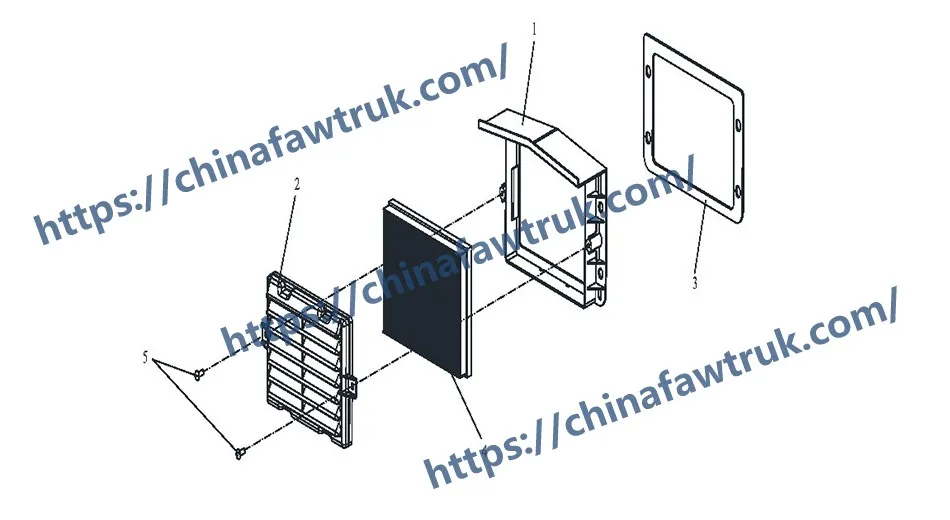
Divisão de Componentes: 84. Conjunto lógico do tubo de admissão pós-tratamento
| Não. |
Número da peça |
Nome da peça |
Quantidade |
| 1 | 1203510-55R | Conjunto da seção frontal do tubo de admissão – Com isolamento (Padrão) | 1 |
| 2 | 1203021-96U | Parafuso em U | 2 |
| 3 | CQ1501055 | Parafuso de cabeça hexagonal | 2 |
| 4 | CQ1501045 | Parafuso de cabeça hexagonal | 2 |
| 5 | 1203071-55R | Suporte de tubo de admissão | 1 |
| 6 | 1203025A263 | Conjunto da junta | 2 |
| 7 | CQ34010 | Noz hexágono | 8 |
| 8 | 1203040-1086 | Conjunto de mangueira metálica | 1 |
| 9 | 1203075-55A | Conjunto de anel elástico [Padrão] | 1 |
| 10 | 1203515-58H | Conjunto da seção traseira do tubo de admissão – Com isolamento (Padrão) | 1 |
| 11 | 1203056-96U | Suporte – Tubo de admissão | 1 |
| 12 | 1203036-55R | Suporte – Tubo de admissão | 1 |
| 13 | Q40112 | Máquina de lavar | 2 |
| 14 | Q40312 | Arruela elástica | 2 |
| 15 | CQ34012 | Noz hexágono | 6 |
| 16 | CQ34014 | Noz hexágono | 2 |
| 17 | Q40314 | Arruela elástica | 2 |
| 18 | CQ1501445 | Parafuso de cabeça hexagonal | 2 |
| 19 | CQ1461045 | Parafuso de combinação | 4 |
| 20 | Q1841225 | Haste grossa do parafuso de flange hexagonal (Padrão) | 2 |
| 21 | CQ32612 | Porca de travamento de flange de cabeça hexagonal | 2 |
| 22 | 1203071A86V | Suporte de tubo de admissão | 1 |
| 23 | Q1841240 | Haste grossa do parafuso de flange hexagonal (Padrão) | 2 |
Conclusão: Mantendo os padrões de emissão no Ártico
O Coletor de admissão pós-tratamento russo FAW é uma prova da engenharia especializada necessária para o mercado russo. Não é apenas um sistema de tubulação, mas um sistema gerenciado termicamente, conjunto lógico estruturalmente reforçado projetado para manter o delicado equilíbrio químico do sistema SCR. Desde o revestimento isolado que preserva o calor de exaustão até os suportes resistentes à corrosão que protegem o sistema contra terreno congelado, cada componente desempenha um papel vital para manter o CA3250P66K24L1TE5Z compatível e operacional.
Para gerentes de frota, a manutenção deste sistema não é negociável. Substituindo genuíno Coletor de admissão pós-tratamento russo FAW peças com genérico, tubos não isolados ou parafusos padrão levarão a uma rápida falha térmica, aumento de emissões, e possíveis multas. Aderindo à lista de peças genuínas e respeitando a intrincada lógica de design desta montagem, operadores garantem que seus veículos permaneçam confiáveis, eficiente, e funcionamento limpo, não importa quão rigoroso seja o inverno russo.
Embalagem e Logística
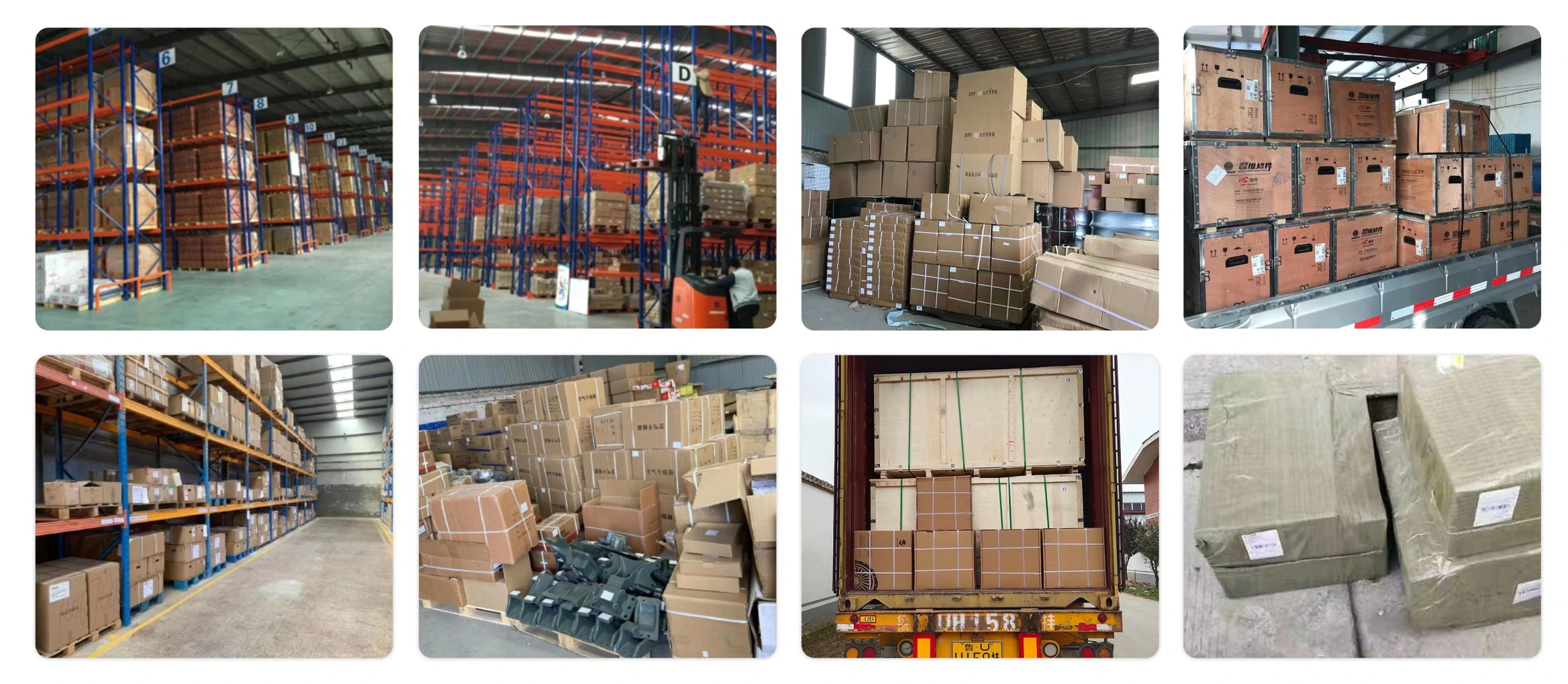
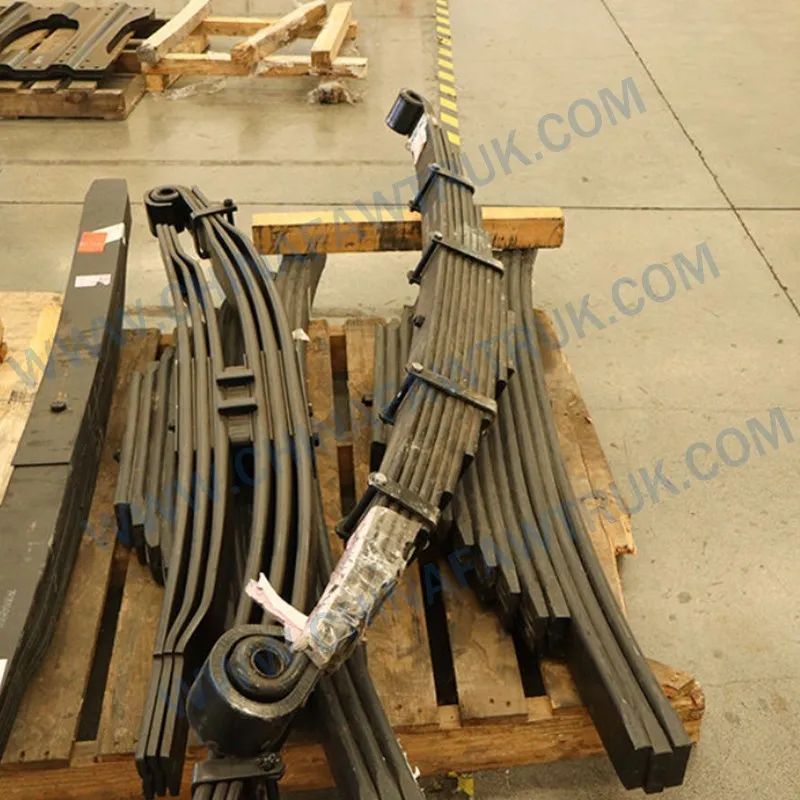
Peças FAW, incluindo o conjunto do bloco de cilindros, são embalados com cuidado para garantir uma entrega segura. Cada componente é protegido por materiais de proteção para evitar danos durante o transporte. A rede logística garante envios pontuais em todo o mundo, apoiando operações de manutenção eficientes. Abaixo está uma imagem ilustrando a embalagem padrão para peças de caminhão FAW, mostrando a atenção aos detalhes no manuseio e armazenamento.
Esta abordagem de embalagem minimiza o risco de corrosão ou danos por impacto, garantindo que peças como o conjunto do bloco de cilindros FAW cheguem em perfeitas condições. Os clientes podem confiar na logística da FAW para obter qualidade e confiabilidade consistentes.