FAW Russian After-Treatment Intake Manifold: Mastering 23 Strategic Parts for Optimal SCR Efficiency
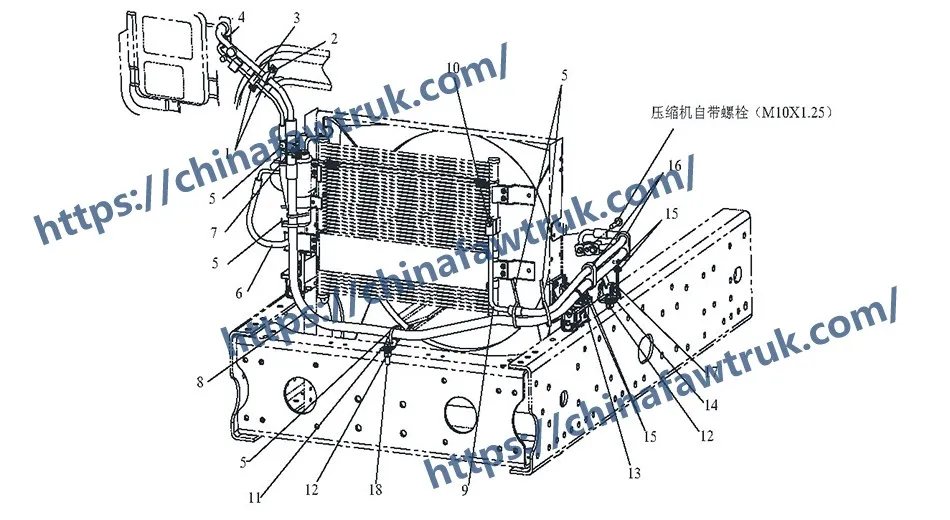
The FAW Russian After-Treatment Intake Manifold is a critical thermal management subsystem within the chassis of the CA3250P66K24L1TE5Z dump truck. In the frozen expanses of the Russian Federation, managing the temperature of exhaust gases as they enter the Selective Catalytic Reduction (SCR) unit is paramount for emissions compliance and engine performance. This assembly does more than route gases; it acts as a thermal guardian. By utilizing specialized insulated piping and robust, vibration-isolating flexible connections, the FAW Russian After-Treatment Intake Manifold ensures that the exhaust stream remains at the optimal temperature for chemical reaction, even when ambient temperatures plummet to -40°C. This guide dissects the logic behind these 23 components, from the insulated front sections to the intricate sealing gaskets.

FAW Russian After-Treatment Intake Manifold
Thermal Logic: Insulated Piping Systems
The efficiency of the after-treatment system relies heavily on heat. If exhaust gases cool too rapidly before entering the SCR catalyst, the chemical reaction required to reduce NOx emissions stalls, leading to engine derating. The FAW Russian After-Treatment Intake Manifold combats this via the Intake Pipe Front Section Assembly – With Insulation (Part No. 1203510-55R). Unlike standard bare metal pipes found in warmer climate models, this component features an integrated thermal barrier. This insulation is not merely wrapped around the pipe; it is bonded to ensure it survives the high-pressure washdowns and road debris impacts common in mining operations.
Continuing this thermal protection is the Intake Pipe Rear Section Assembly – With Insulation (Part No. 1203515-58H). This section routes the gases through the complex chassis geometry towards the after-treatment box. The “With Insulation” specification is critical for the FAW Russian After-Treatment Intake Manifold. In extreme cold, the temperature differential between the internal exhaust gas (approx. 300°C-500°C) and the external Arctic air (-40°C) creates immense thermal stress. The insulation mitigates this gradient, preventing rapid metal contraction that could crack the pipe welds, while simultaneously keeping the external surface temperature safe for maintenance technicians.
The connection points are sealed with the Gasket Assembly (Part No. 1203025A263). These are not simple paper gaskets; they are multi-layered composite gaskets designed to expand and contract without losing their seal. A leak in the FAW Russian After-Treatment Intake Manifold is dangerous, as it allows untreated exhaust to escape and significantly drops the pressure required for the after-treatment system to function correctly. These gaskets are engineered to resist the corrosive nature of diesel exhaust condensate, ensuring a long-lasting, gas-tight seal.
Flexible Dynamics: The Metal Hose Assembly
A rigid pipe system connected directly between a vibrating engine and a chassis-mounted after-treatment box would fracture within hours. The FAW Russian After-Treatment Intake Manifold solves this via the Metal Hose Assembly (Part No. 1203040-1086). This component acts as the mechanical fuse for movement. It is a corrugated stainless steel bellow, often covered with a braided steel mesh for external protection. It absorbs the engine’s torque movements, thermal expansion, and the twisting of the truck frame on uneven haul roads.
The metallurgy of this hose is specific to the FAW Russian After-Treatment Intake Manifold. Standard stainless steel might suffer from chloride stress corrosion cracking due to the heavy use of road salts in Russia. FAW utilizes a high-grade alloy that resists this corrosion. The flexibility of this hose also aids in installation, allowing for slight misalignments between the front and rear pipe sections without inducing pre-load stresses on the mounting brackets.
Securing these connections requires robust hardware, such as the U-Bolt (Part No. 1203021-96U). U-bolts provide a high clamping force over a large surface area, essential for securing the circular profile of the pipes without crushing them. In the FAW Russian After-Treatment Intake Manifold, these U-bolts are often paired with saddle clamps that distribute the load, ensuring that the connection remains tight even under the high-frequency vibration of a heavy-duty diesel engine.
Structural Backbone: Heavy-Duty Brackets
The weight of the insulated piping is substantial. To support this load, the assembly utilizes a series of strategic mounts, including the Intake Pipe Bracket (Part No. 1203071-55R) and Intake Pipe Bracket (Part No. 1203071A86V). These brackets serve as the skeleton of the FAW Russian After-Treatment Intake Manifold. They are engineered with reinforced ribs to prevent fatigue cracking. The specific part numbers indicate variations in geometry designed to route the piping around chassis obstacles like air tanks and fuel lines.
Further support is provided by the Bracket – Intake Pipe (Part No. 1203056-96U) and Bracket – Intake Pipe (Part No. 1203036-55R). These secondary brackets often serve as intermediate support points, reducing the span length of the pipe sections. By minimizing the unsupported length of the pipe, FAW engineers reduce the resonant frequency of the assembly, moving it away from the engine’s natural vibration frequency. This “detuning” is a subtle but vital aspect of the FAW Russian After-Treatment Intake Manifold design, preventing harmonic vibrations that could lead to catastrophic failure.
The fastening of these brackets utilizes high-tensile hardware like the Hexagon Head Bolt (Part No. CQ1501055) and Hexagon Head Bolt (Part No. CQ1501045). These bolts are selected for their shear strength. Given the extreme cold, the brittleness of standard steel is a risk. FAW’s specification of CQ series bolts ensures that the fasteners retain their ductility at -40°C, ensuring the brackets remain firmly attached to the chassis rails even during severe impact loads.
Fastening Logic: Nuts, Washers, and Locking Mechanisms
The integrity of the FAW Russian After-Treatment Intake Manifold is ultimately maintained by the small hardware that holds it all together. The system employs a variety of nuts, such as the Hexagon Nut (Part No. CQ34010) and Hexagon Head Flange Locking Nut (Part No. CQ32612). The flange locking nut is particularly important; its serrated face bites into the bracket surface, while the distorted thread design prevents loosening due to vibration. This eliminates the need for separate lock washers in some locations, simplifying maintenance.
Where flange nuts are not used, the assembly relies on Spring Washer (Part No. Q40314) and Spring Washer (Part No. Q40312). These components act as axial springs, maintaining tension on the bolt assembly even when thermal expansion causes the clamped parts to shift slightly. They are paired with flat Washer (Part No. Q40112) to distribute the load and protect the paint on the brackets from being gouged by the turning nut. This corrosion protection is vital for the longevity of the FAW Russian After-Treatment Intake Manifold.
For connections requiring high clamp loads, the Hexagon Flange Bolt Coarse Shank (Standard) (Part No. Q1841240) is utilized. The coarse thread pitch provides a stronger engagement in the nut, making it less susceptible to stripping during the frequent maintenance cycles required in harsh mining environments. Every bolt, from the small Hexagon Head Bolt (Part No. CQ1501445) to the larger structural fasteners, is a calculated part of the system logic, ensuring the FAW Russian After-Treatment Intake Manifold survives the toughest conditions on earth.
Component Breakdown: 84. After-Treatment Intake Pipe Logic Assembly
| No. |
Part Number |
Part Name |
Qty |
| 1 | 1203510-55R | Intake Pipe Front Section Assembly – With Insulation (Pattern) | 1 |
| 2 | 1203021-96U | U-Bolt | 2 |
| 3 | CQ1501055 | Hexagon Head Bolt | 2 |
| 4 | CQ1501045 | Hexagon Head Bolt | 2 |
| 5 | 1203071-55R | Intake Pipe Bracket | 1 |
| 6 | 1203025A263 | Gasket Assembly | 2 |
| 7 | CQ34010 | Hexagon Nut | 8 |
| 8 | 1203040-1086 | Metal Hose Assembly | 1 |
| 9 | 1203075-55A | Snap Ring Assembly [Pattern] | 1 |
| 10 | 1203515-58H | Intake Pipe Rear Section Assembly – With Insulation (Pattern) | 1 |
| 11 | 1203056-96U | Bracket – Intake Pipe | 1 |
| 12 | 1203036-55R | Bracket – Intake Pipe | 1 |
| 13 | Q40112 | Washer | 2 |
| 14 | Q40312 | Spring Washer | 2 |
| 15 | CQ34012 | Hexagon Nut | 6 |
| 16 | CQ34014 | Hexagon Nut | 2 |
| 17 | Q40314 | Spring Washer | 2 |
| 18 | CQ1501445 | Hexagon Head Bolt | 2 |
| 19 | CQ1461045 | Combination Bolt | 4 |
| 20 | Q1841225 | Hexagon Flange Bolt Coarse Shank (Standard) | 2 |
| 21 | CQ32612 | Hexagon Head Flange Locking Nut | 2 |
| 22 | 1203071A86V | Intake Pipe Bracket | 1 |
| 23 | Q1841240 | Hexagon Flange Bolt Coarse Shank (Standard) | 2 |
Conclusion: Upholding Emission Standards in the Arctic
The FAW Russian After-Treatment Intake Manifold is a testament to the specialized engineering required for the Russian market. It is not merely a pipe system but a thermally managed, structurally reinforced logic assembly designed to maintain the delicate chemical balance of the SCR system. From the insulated cladding that preserves exhaust heat to the corrosion-resistant brackets that secure the system against frozen terrain, every component plays a vital role in keeping the CA3250P66K24L1TE5Z compliant and operational.
For fleet managers, the maintenance of this system is non-negotiable. Substituting genuine FAW Russian After-Treatment Intake Manifold parts with generic, uninsulated pipes or standard bolts will lead to rapid thermal failure, increased emissions, and potential fines. By adhering to the genuine parts list and respecting the intricate design logic of this assembly, operators ensure that their vehicles remain reliable, efficient, and clean-running, no matter how harsh the Russian winter becomes.
Packaging and Logistics
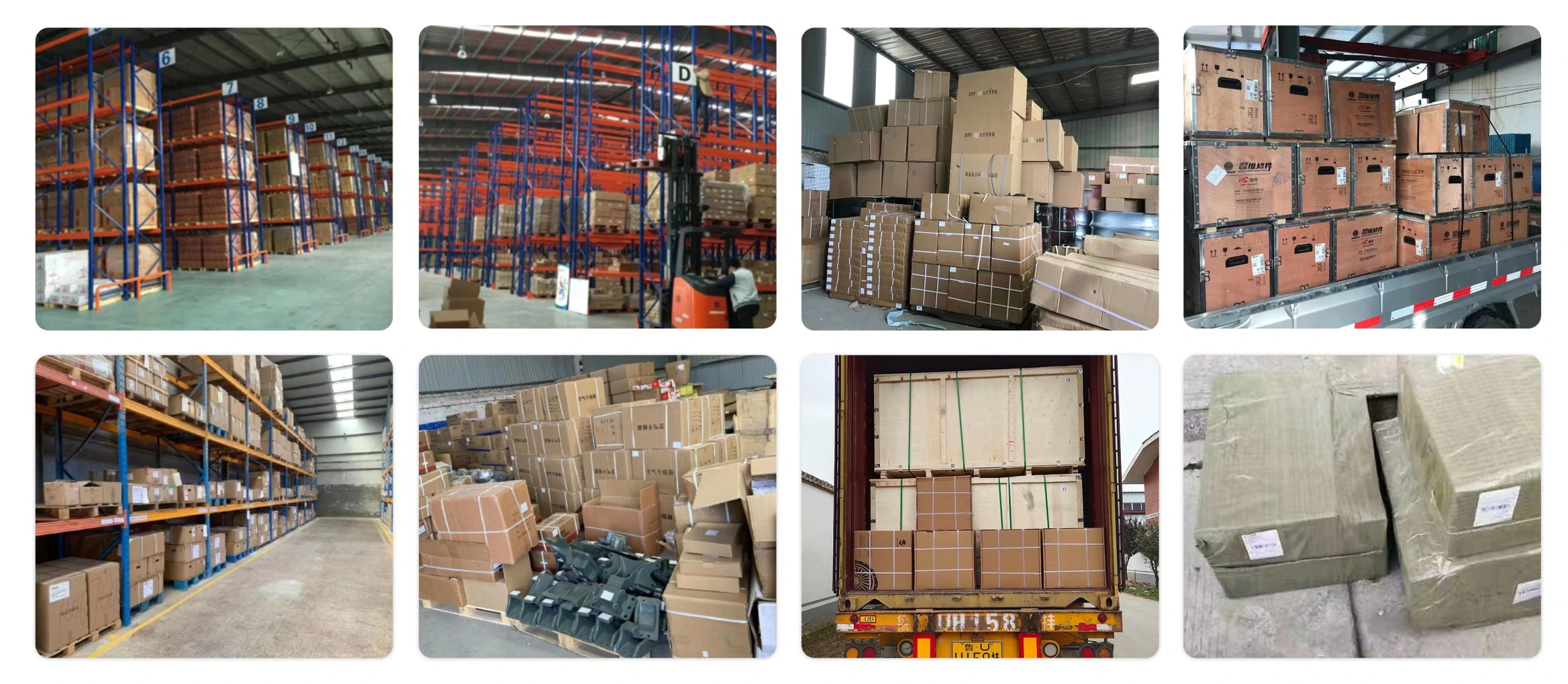
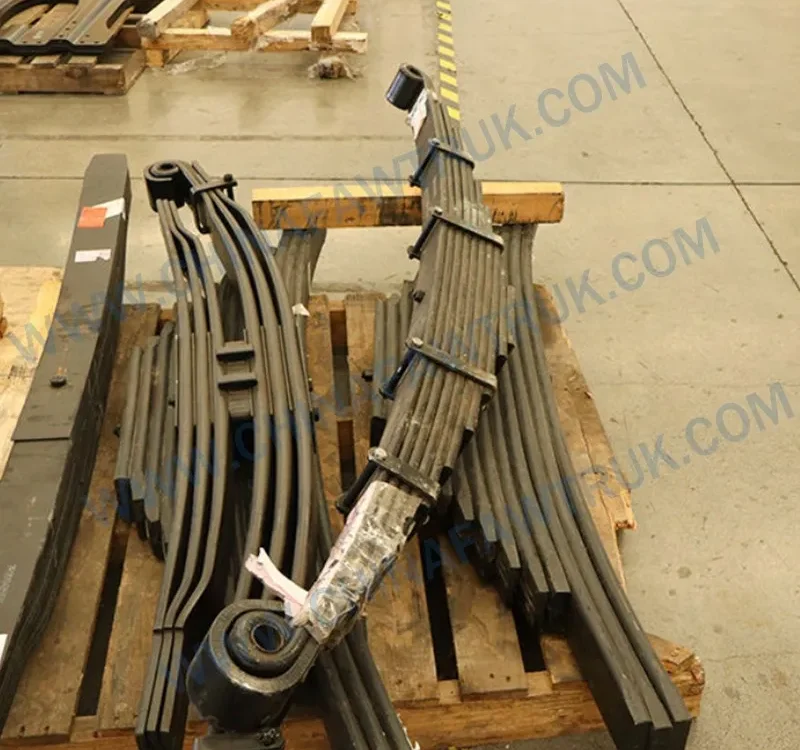
FAW parts, including the Cylinder Block Assembly, are packaged with care to ensure safe delivery. Each component is secured in protective materials to prevent damage during transit. The logistics network guarantees timely shipments worldwide, supporting efficient maintenance operations. Below is an image illustrating the standard packaging for FAW truck parts, showcasing the attention to detail in handling and storage.
This packaging approach minimizes the risk of corrosion or impact damage, ensuring that parts like the FAW Cylinder Block Assembly arrive in perfect condition. Customers can rely on FAW’s logistics for consistent quality and reliability.