Pós-tratamento de redução catalítica russa FAW: Masterização 15 Componentes críticos para um desempenho impecável no Ártico
O Pós-tratamento de redução catalítica russa FAW montagem lógica serve como planta de processamento químico avançado para o caminhão basculante CA3250P66K24L1TE5Z. Projetado para operar nos extremos brutais do inverno siberiano, este sistema gerencia a redução de óxidos de nitrogênio (NOx) em nitrogênio inofensivo e vapor de água. Este guia analisa o 15 componentes críticos do Pós-tratamento de redução catalítica russa FAW sistema, dissecando a engenharia por trás de seus substratos cerâmicos, cintas de expansão térmica, e hardware de montagem de alta resistência que garante Euro 5/6 conformidade a -40°C.
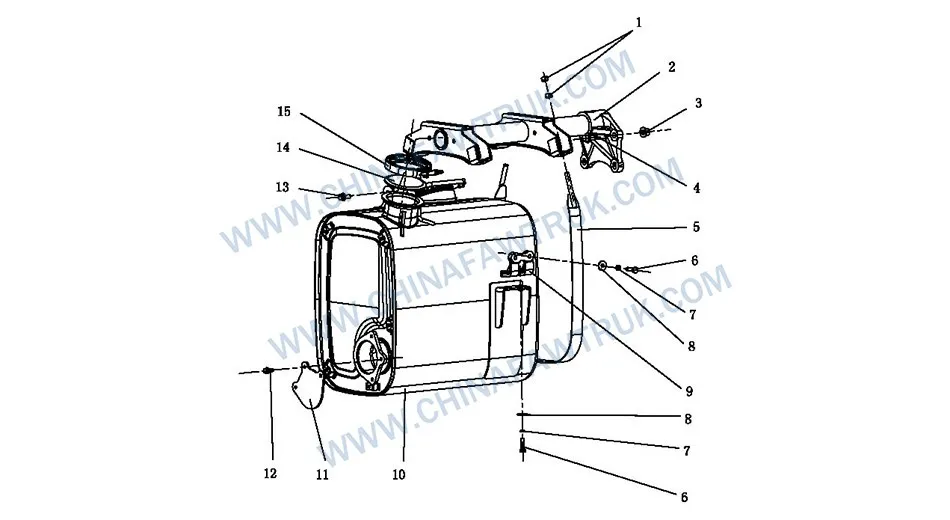
Pós-tratamento de redução catalítica russa FAW
O Núcleo do Reator: Conjunto de redução catalítica seletiva
O componente central é o Conjunto pós-processador de redução catalítica seletiva (Parte não. 1208010-78C-C00). Dentro do Pós-tratamento de redução catalítica russa FAW arquitetura, esta unidade atua como um reator de alta temperatura. Abriga um substrato cerâmico em favo de mel revestido com metais catalíticos como vanádio, otimizado para combustível diesel russo. A função principal é facilitar a reação entre a uréia injetada (AdBlue) e NOx. Isso requer gerenciamento térmico preciso; se as temperaturas internas caírem devido aos ventos do Ártico, a reação para. A uréia então cristaliza, criando bloqueios sólidos que podem destruir o equilíbrio de contrapressão do motor.
Para manter o calor, o Pós-tratamento de redução catalítica russa FAW a carcaça usa aço inoxidável de parede dupla com um entreferro isolante. Este design minimiza a perda de calor para o ambiente gelado. Adicionalmente, defletores internos são projetados para criar fluxo turbulento. A turbulência garante que a ureia atomizada seja distribuída uniformemente pelo bloco catalisador. Sem isso, “deslizamento de amônia” ocorre, testes de emissões reprovados. A construção robusta garante que resista a ciclos térmicos rápidos desde temperaturas de regeneração de -40°C até 500°C sem rachar.
O acesso à manutenção é fornecido através do Placa de cobertura – Tubo de escape (Parte não. 1203018-73C) e o Capa de acesso (Parte não. 1203019-77C). Essas placas permitem que os técnicos inspecionem o catalisador em busca de fuligem ou acúmulo de cristais sem remover todo o Pós-tratamento de redução catalítica russa FAW unidade. A vedação dessas tampas é crítica, utilizando juntas de alta temperatura para suportar a pressão pulsante de exaustão. Qualquer vazamento aqui compromete as leituras do sensor, levando a códigos de falha da ECU e potencial desclassificação do motor.
Lógica de montagem: Gerenciando o crescimento térmico
Montando o maciço Pós-tratamento de redução catalítica russa FAW processador requer engenharia sofisticada. O sistema utiliza um “flutuante” suspensão ancorada pelo Montagem de suporte – Pós-processador (Parte não. 1203050-70V). Esses colchetes são gigantes estruturais, formado a partir de alta resistência e baixa liga (HSLA) aço projetado para permanecer dúctil em baixas temperaturas. No Pós-tratamento de redução catalítica russa FAW projeto, eles fornecem uma base rígida que resiste às forças de torção do chassi do caminhão em estradas de mineração irregulares.
No entanto, a rigidez por si só leva ao fracasso. O corpo de aço inoxidável se expande significativamente à medida que aquece. O aparafusamento direto causaria fraturas por estresse. A FAW utiliza o Conjunto de alça – Pós-processador (Parte não. 1203090-73C) para resolver isso. Duas tiras resistentes envolvem a unidade, fixando-o com segurança enquanto permite a expansão radial. Essas tiras no Pós-tratamento de redução catalítica russa FAW sistema são revestidos com material de fricção para isolar a vibração e evitar abrasão de metal contra metal na parede do recipiente.
Esta montagem baseada em cinta é uma característica definidora do Pós-tratamento de redução catalítica russa FAW arquitetura. Ele desacopla efetivamente a dinâmica térmica do sistema de escapamento da dinâmica mecânica do chassi. Isto garante que mesmo quando o caminhão passa por uma vala congelada, os substratos cerâmicos sensíveis são amortecidos contra choques. Isso evita rachaduras internas que tornariam inútil o componente caro.
Dinâmica de Fixação: Segurança de alto torque
A integridade do sistema é mantida por fixadores cuidadosamente selecionados. As cargas primárias são tratadas pelo Haste grossa do parafuso de flange hexagonal (Parte não. Q1841460). O “Haste Grossa” designação é vital, oferecendo resistência superior à remoção em aplicações pesadas. No Pós-tratamento de redução catalítica russa FAW conjunto, a cabeça do flange distribui a imensa carga de fixação por uma grande área, evitando que o parafuso penetre no suporte e crie risers de tensão.
Proteger esses parafusos é o Porca de travamento de flange hexagonal (Parte não. CQ32614). As porcas padrão falham aqui devido à vibração de exaustão de alta frequência. Essas porcas de travamento apresentam um formato de rosca distorcida que penetra mecanicamente na superfície de contato, resistindo ao afrouxamento. Isso elimina a necessidade de arruelas de pressão divididas em locais de alta tensão, melhorando a confiabilidade do Pós-tratamento de redução catalítica russa FAW montar sob condições severas.
Para conexões auxiliares, o sistema emprega Noz hexágono (Parte não. CQ34012) e Arruela elástica (Parte não. Q40310). Adicionalmente, de fácil manutenção Parafuso de combinação (Parte não. CQ1460825) com arruelas cativas são usadas para coberturas. Em um ambiente nevado, deixar cair uma arruela solta significa perdê-la. Usando parafusos combinados, A FAW garante que os técnicos possam atender o Pós-tratamento de redução catalítica russa FAW sistema de forma eficiente sem se atrapalhar com peças pequenas no frio.
Lógica de Conectividade: Fixação de banda V
Conectando o Pós-tratamento de redução catalítica russa FAW unidade para o fluxo de exaustão é o Conjunto de anel elástico (Parte não. 1203075-50A). Esta braçadeira de banda em V resistente foi projetada para vedação de alta pressão. Ao contrário das juntas de flange que exigem vários parafusos, a banda V usa um único ponto de tensão para pressão radial uniforme. Isto permite a remoção rápida para manutenção. A braçadeira cria uma ação de cunha que une os flanges, criando uma vedação capaz de suportar pressões superiores 5 bar.
O tensionamento é feito por um Parafuso de cabeça hexagonal (Parte não. CQ1501035). Este parafuso deve suportar altas cargas de tração em temperaturas elevadas sem esticar. No Pós-tratamento de redução catalítica russa FAW sistema, um parafuso esticado leva a vazamentos e falha nos testes de emissões. O perfil de fixação de precisão garante o alinhamento perfeito do tubo, reduzindo a turbulência que poderia perturbar a dinâmica do fluxo que entra no catalisador.
Em última análise, confiabilidade depende destes 15 componentes interagindo perfeitamente. Do revestimento químico aos parafusos com flocos de zinco, cada detalhe é otimizado para a Rússia. Ignorar as especificações – usando um parafuso padrão ou uma cinta genérica – compromete a Pós-tratamento de redução catalítica russa FAW lógica, levando a reparos caros.
Divisão de Componentes: 86. Conjunto lógico pós-processador de redução catalítica seletiva
| Não. |
Número da peça |
Nome da peça |
Quantidade |
| 1 | CQ34012 | Noz hexágono | 8 |
| 2 | 1203050-70V | Montagem de suporte – Pós-processador | 1 |
| 3 | CQ32614 | Porca de travamento de flange hexagonal | 4 |
| 4 | Q1841460 | Haste grossa do parafuso de flange hexagonal (Padrão) | 4 |
| 5 | 1203090-73C | Conjunto de alça – Pós-processador | 2 |
| 6 | CQ1501035 | Parafuso de cabeça hexagonal | 4 |
| 7 | Q40310 | Arruela elástica | 4 |
| 8 | Q40210 | Arruela Grande | 4 |
| 9 | 1203059-70V | Suporte – Pós-processador | 1 |
| 10 | 1208010-78C-C00 | Conjunto pós-processador de redução catalítica seletiva | 1 |
| 11 | 1203018-73C | Placa de cobertura – Tubo de escape | 1 |
| 12 | CQ1460825 | Parafuso de combinação | 2 |
| 13 | CQ1461030 | Parafuso de combinação | 2 |
| 14 | 1203019-77C | Capa de acesso | 1 |
| 15 | 1203075-50A | Conjunto de anel elástico | 1 |
Conclusão: Confiabilidade do Ártico
O Pós-tratamento de redução catalítica russa FAW a montagem é uma solução de engenharia sofisticada para transporte polar. Combinando processamento químico avançado com engenharia estrutural pesada, FAW garante que o CA3250P66K24L1TE5Z deixe uma pegada ambiental mínima enquanto fornece potência máxima. A capacidade do sistema de suportar choques térmicos e vibrações garante que os proprietários de frotas possam operar com confiança.
Para o técnico de manutenção, entender esta montagem é fundamental. Substituir um parafuso de flange por um padrão ou apertar demais uma cinta compromete o Pós-tratamento de redução catalítica russa FAW sistema. Aderindo à lista de peças originais e respeitando a intenção do projeto, operadores garantem que seus caminhões continuem sendo ativos lucrativos no difícil ambiente russo.
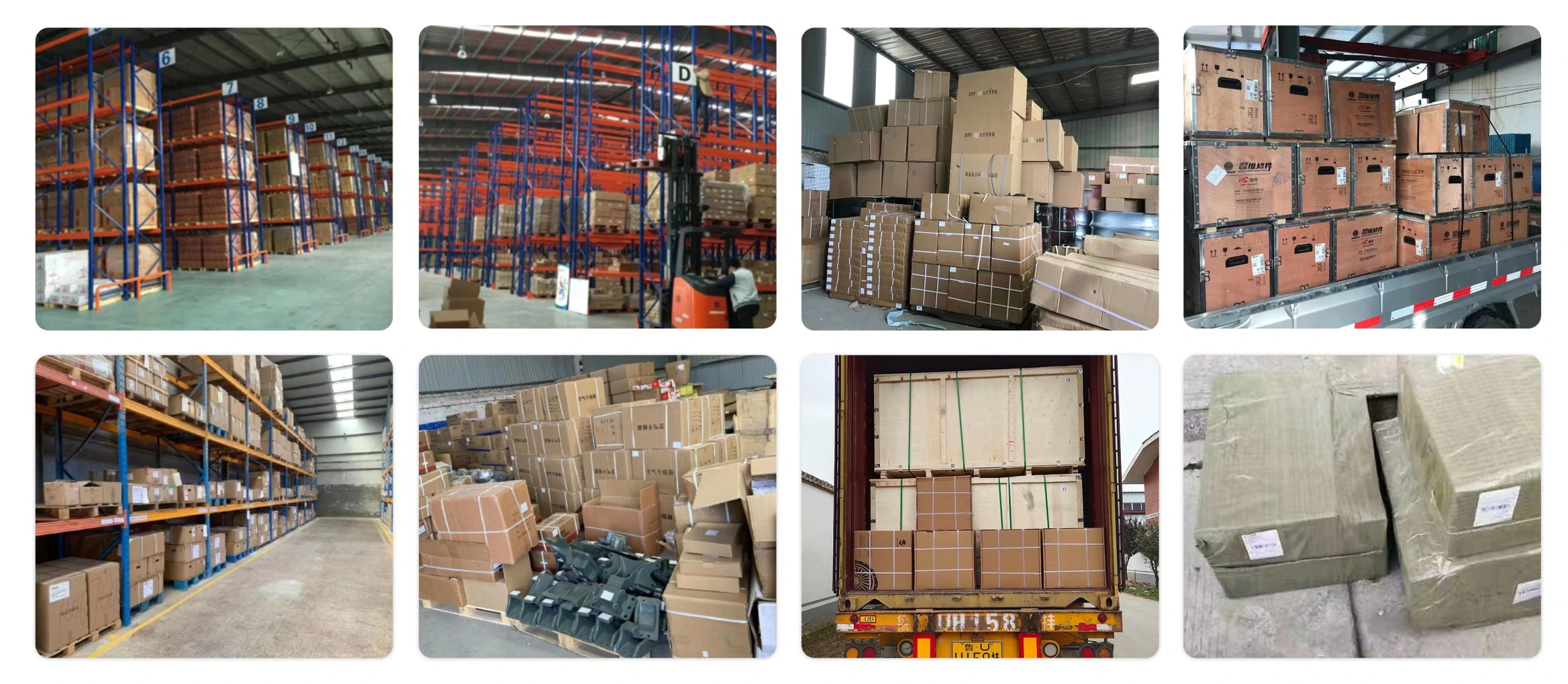
Embalagem e Logística
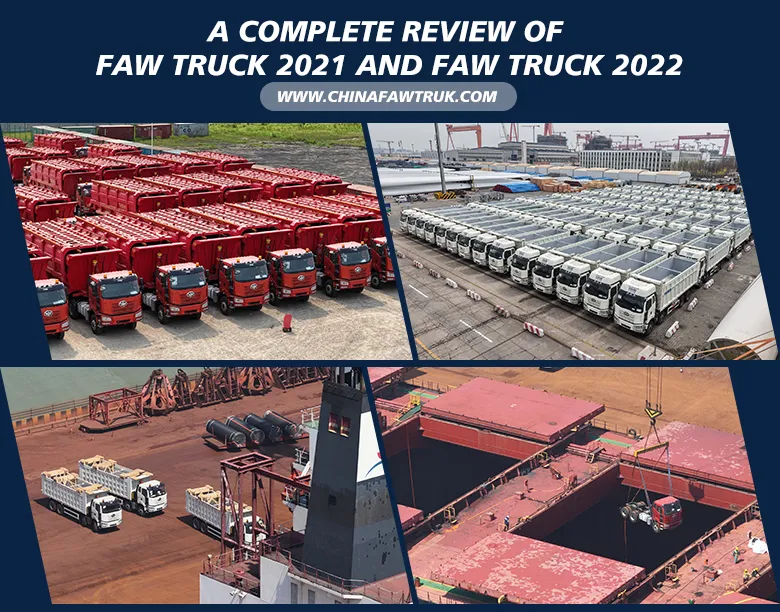
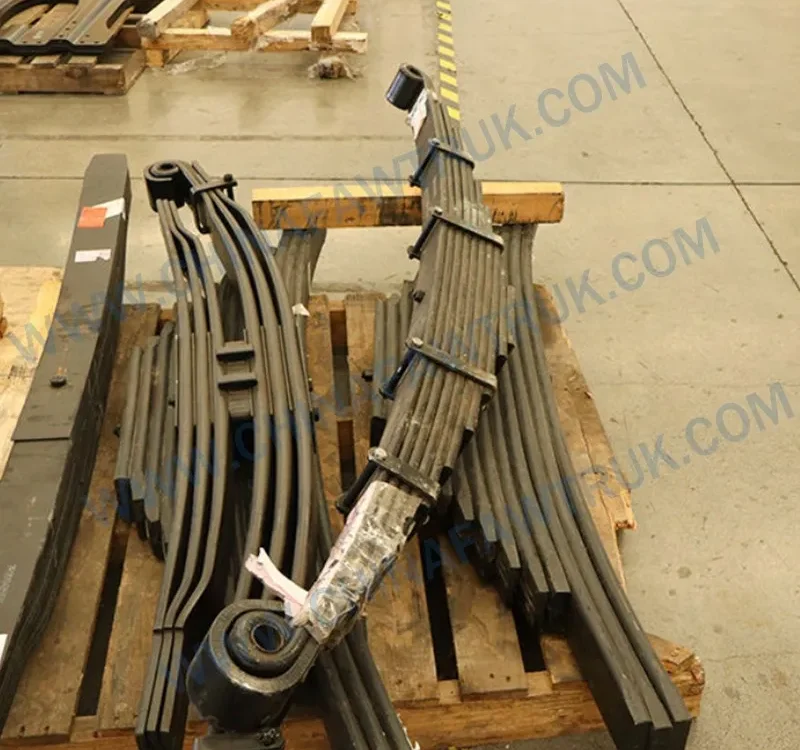
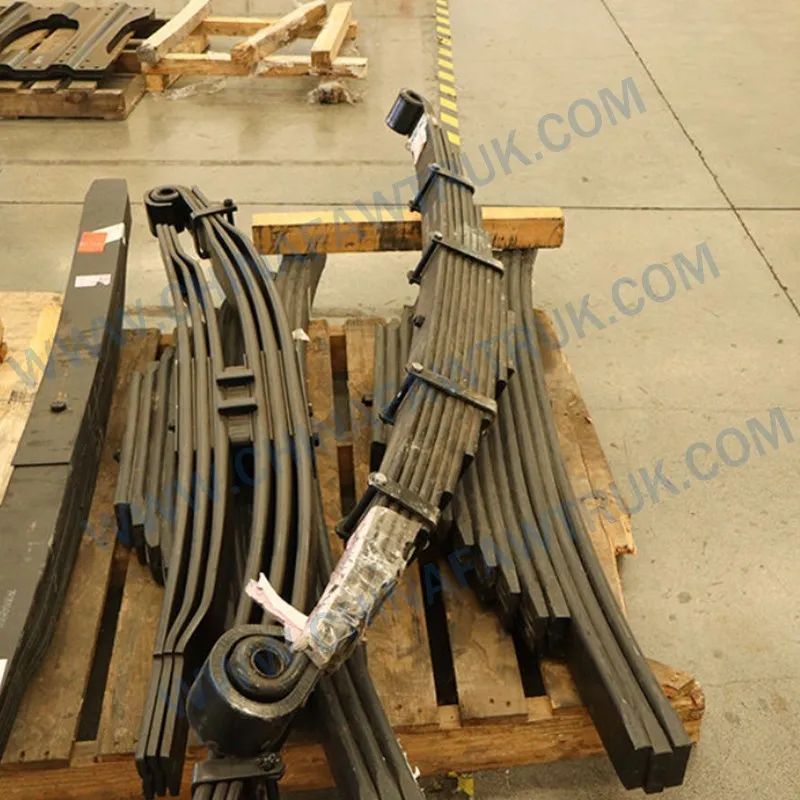
Peças FAW, incluindo o conjunto do bloco de cilindros, são embalados com cuidado para garantir uma entrega segura. Cada componente é protegido por materiais de proteção para evitar danos durante o transporte. A rede logística garante envios pontuais em todo o mundo, apoiando operações de manutenção eficientes. Abaixo está uma imagem ilustrando a embalagem padrão para peças de caminhão FAW, mostrando a atenção aos detalhes no manuseio e armazenamento.
Esta abordagem de embalagem minimiza o risco de corrosão ou danos por impacto, garantindo que peças como o conjunto do bloco de cilindros FAW cheguem em perfeitas condições. Os clientes podem confiar na logística da FAW para obter qualidade e confiabilidade consistentes.