Freio de escape russo FAW: Masterização 7 Componentes Críticos para Segurança em Descidas Incomprometidas
O Freio de escape russo FAW o conjunto lógico é o principal sistema de retardo auxiliar para o caminhão basculante CA3250P66K24L1TE5Z. No gelo, terreno montanhoso da Federação Russa, confiar apenas nos freios de serviço leva a um desbotamento catastrófico. Este sistema de válvula pneumática utiliza a contrapressão do motor para controlar com segurança as velocidades de descida. Este guia analisa o 7 componentes estratégicos, da válvula borboleta às linhas pneumáticas em clima frio, definindo o Freio de escape russo FAW padrão de segurança.

Conjunto de freio de escape russo FAW
Dinâmica de Válvulas: O Núcleo do Retardo
O coração do Freio de escape russo FAW sistema é o Conjunto da válvula do freio de escape (Parte não. 3523010-76A). Este não é um simples restritor; é uma válvula borboleta projetada com precisão, capaz de suportar o imenso calor e pressão de um motor diesel turboalimentado. Quando ativado, a válvula fecha, criando um bloqueio controlado no trato de exaustão. Este bloqueio força os pistões do motor a trabalharem contra o gás preso durante o curso de exaustão, convertendo efetivamente o momento cinético do veículo em energia térmica dentro do bloco do motor. No contexto do Freio de escape russo FAW, esta conversão de energia fornece a força de retardo necessária para manter um caminhão carregado de 30 toneladas em um 10% grau gelado sem tocar nos freios das rodas.
A composição metalúrgica do corpo da válvula é crítica para o mercado russo. É fundido a partir de uma liga de ferro com alto teor de níquel projetada para resistir à fissuração térmica. Durante a operação, a válvula pode piscar de temperaturas ambientes abaixo de zero até mais de 600°C em segundos. O ferro fundido padrão quebraria sob este choque térmico. O eixo interno e a placa borboleta do Freio de escape russo FAW válvula são fabricadas em aço inoxidável para evitar gripagem. No ambiente corrosivo das estradas russas salgadas, uma válvula de freio de escape emperrada pode travar na posição fechada, fazendo com que o motor pare ou superaqueça, ou ficar aberto, privando o motorista do poder de frenagem essencial.
Além disso, o cilindro pneumático integrado neste conjunto é especificamente vedado para condições do Ártico. As vedações de borracha padrão endurecem e falham a -40°C, levando a vazamentos de ar e resposta lenta da válvula. O Freio de escape russo FAW utiliza vedações à base de silicone que mantêm a flexibilidade em frio extremo. Isso garante que quando o motorista soltar o pedal do acelerador, o freio é acionado instantaneamente. Este tempo de resposta em milissegundos é vital para manter a estabilidade do veículo em superfícies escorregadias, provando que o Freio de escape russo FAW foi projetado com um profundo conhecimento da física do inverno.
Controle Pneumático: A rede neural da frenagem
A atuação da válvula depende de um sinal pneumático preciso fornecido através do Conjunto do tubo de ar série (Parte não. 3506815-50A/73A/76A). Estes não são tubos de náilon genéricos; são as fibras nervosas do Freio de escape russo FAW sistema. No Ártico Russo, a umidade no sistema de ar é uma ameaça constante. Se o vapor de água condensar e congelar dentro dessas linhas, o freio de escape não conseguirá engatar. Para combater isso, o roteamento desses tubos é meticulosamente projetado para evitar pontos baixos onde o condensado pode se acumular e formar tampões de gelo (o “barragem de gelo” efeito).
A ciência dos materiais por trás desses tubos envolve uma mistura de polímeros especializada contendo plastificantes para climas frios. A tubulação de freio a ar padrão torna-se quebradiça em vidro a -40°C. Um único impacto de pedra ou vibração do chassi pode quebrar uma linha padrão, causando um enorme vazamento de ar que compromete não apenas o Freio de escape russo FAW mas potencialmente todo o circuito de frenagem secundária. A tubulação especificada pela FAW mantém sua ductilidade e resistência ao impacto mesmo em condições de congelamento profundo, garantindo que o sinal do solenóide chegue ao cilindro do atuador sem interrupção.
A variedade de números de peças (Por exemplo, 3506815-94C, 3506815A65B) indica geometrias específicas para diferentes configurações de chassi. Cada raio de curvatura é calculado para minimizar a resistência ao fluxo de ar, garantindo rápida ativação e desativação. No Freio de escape russo FAW lógica, a velocidade de desativação é tão crítica quanto a ativação. Quando o motorista pisa no acelerador, a válvula deve abrir instantaneamente para permitir que o turbocompressor enrole. Um atraso na abertura resultaria em forte hesitação do motor e fumaça preta. O diâmetro otimizado e o furo liso desses conjuntos de tubos de ar específicos garantem a Freio de escape russo FAW funciona perfeitamente com o sistema de gerenciamento do motor.
Ciência da Selagem: Contenção de alta temperatura
A eficiência do freio de escape é diretamente proporcional à capacidade do sistema de conter a pressão. Qualquer vazamento a montante da válvula reduz a contrapressão disponível para desacelerar o motor. O Freio de escape russo FAW montagem utiliza alto desempenho Conjunto da junta (Parte não. 3523025-945) e Conjunto da junta (Parte não. 1203025A263). Estas não são simples juntas de papel; são juntas compostas de múltiplas camadas ou laminadas de metal projetadas para suportar as ondas de pressão pulsantes do escapamento.
No contexto do Freio de escape russo FAW, essas juntas também devem suportar expansão térmica extrema. À medida que o corpo da válvula em ferro fundido e os tubos de escape em aço se expandem a taxas diferentes, uma força de cisalhamento é aplicada às faces da junta. As juntas inferiores rasgariam ou delaminariam sob esse estresse, levando a vazamentos perigosos de escapamento no compartimento do motor. As juntas FAW apresentam um revestimento impregnado de grafite que permite micromovimentos entre os flanges, mantendo uma vedação estanque a gases. Isso garante que 100% do fluxo de exaustão é direcionado contra a válvula borboleta, maximizando o torque de frenagem.
Além disso, as juntas do Freio de escape russo FAW sistema atuam como isoladores térmicos. Eles ajudam a evitar que o calor extremo do corpo da válvula seja conduzido diretamente para a tubulação ou suportes adjacentes, reduzindo o estresse térmico no hardware de montagem. Os operadores de frota devem tratar estas juntas como itens descartáveis; uma vez comprimido, eles não podem ser reutilizados. Instalando uma junta usada em um Freio de escape russo FAW sistema garante um vazamento, comprometendo a segurança e a qualidade do ar da cabine.
Dinâmica de Fixação: Resistindo à vibração e à fluência
A montagem do freio de escape está sujeita a alguns dos perfis de vibração mais severos no caminhão. O Freio de escape russo FAW a montagem é protegida usando Haste grossa do parafuso de flange hexagonal (Parte não. Q1841025) e Parafuso de cabeça hexagonal (Parte não. CQ1501045). A escolha dos parafusos de flange é deliberada; o flange integrado atua como uma arruela, distribuindo a alta carga de fixação necessária para vedar as juntas sem esmagar o material do flange. O passo grosso da rosca proporciona força de aderência superior na fundição, resistindo à tendência de se soltar sob a vibração de alta frequência do fluxo de escapamento de diesel.
Complementando esses parafusos estão os Noz hexágono (Parte não. CQ34010). No Freio de escape russo FAW aplicativo, essas porcas são normalmente feitas de um tipo de aço específico que corresponde ao coeficiente de expansão térmica dos parafusos. Isso impede “estiramento do parafuso” ou “porca rastejante” durante o ciclo térmico. Se um parafuso se soltasse, a válvula do freio de escape pode mudar, criando um desalinhamento que pode bloquear o mecanismo borboleta. Para evitar soldagem por corrosão – onde a porca se funde ao parafuso devido à ferrugem e ao calor – as ferragens no Freio de escape russo FAW o sistema é tratado com um revestimento de flocos de zinco ou fosfato de alta temperatura.
A aplicação adequada do torque é essencial. Apertar demais pode deformar a carcaça da válvula, fazendo com que a borboleta se prenda. O aperto insuficiente leva à ruptura da junta. A combinação específica de parafusos e porcas listadas na lista técnica é calculada para manter a força de fixação correta em toda a faixa de temperatura operacional. Esta atenção à engenharia de fixadores garante que o Freio de escape russo FAW continua sendo um ativo de segurança confiável, exigindo intervenção mínima de manutenção, mesmo depois de milhares de quilômetros em estradas de mineração.
Divisão de Componentes: 87. Conjunto lógico do freio de escape
| Não. |
Número da peça |
Nome da peça |
Quantidade |
| 1 | 3523025-945 | Conjunto da junta | 1 |
| 2 | 3523010-76A | Conjunto da válvula do freio de escape | 1 |
| 3 | Q1841025 | Haste grossa do parafuso de flange hexagonal (Padrão) | 6 |
| 4 | CQ34010 | Noz hexágono | 8 |
| 5 | 1203025A263 | Conjunto da junta | 1 |
| 6 | CQ1501045 | Parafuso de cabeça hexagonal | 4 |
| 7 | 3506815-50A | Conjunto do tubo de ar – Solenóide para válvula de freio | 1 |
| 3506815-73A | Conjunto do tubo de ar – Solenóide para válvula de freio | 1 |
| 3506815-76A | Conjunto do tubo de ar – Solenóide para cilindro de exaustão | 1 |
| 3506815-94C | Conjunto do tubo de ar – Solenóide para válvula de freio (Padrão) | 1 |
| 3506815A65B | Conjunto do tubo de ar – Solenóide para válvula de freio | 1 |
Conclusão: O Guardião da Descida
O Freio de escape russo FAW a montagem é um sistema de segurança vital, não é um acessório opcional. Nas condições brutais do inverno russo, serve como primeira linha de defesa contra a perda de controle do veículo em declives acentuados. Utilizando efetivamente a contrapressão do motor, preserva os freios de serviço para situações de emergência, reduzindo drasticamente os custos de manutenção e aumentando a segurança operacional. A engenharia meticulosa da válvula, Juntas, e linhas pneumáticas garantem que este sistema funcione perfeitamente quando for mais necessário.
Para gestores de frota e motoristas, respeitando a integridade do Freio de escape russo FAW não é negociável. Substituir peças genuínas por juntas inferiores ou hardware padrão pode levar à falha do sistema, colocando o motorista e a carga em risco. Mantendo esta montagem com componentes autênticos e aderindo à lógica de manutenção descrita neste guia, os operadores maximizam o tempo de atividade e a segurança de sua frota CA3250P66K24L1TE5Z, conquistando as estradas geladas com confiança.
Embalagem e Logística
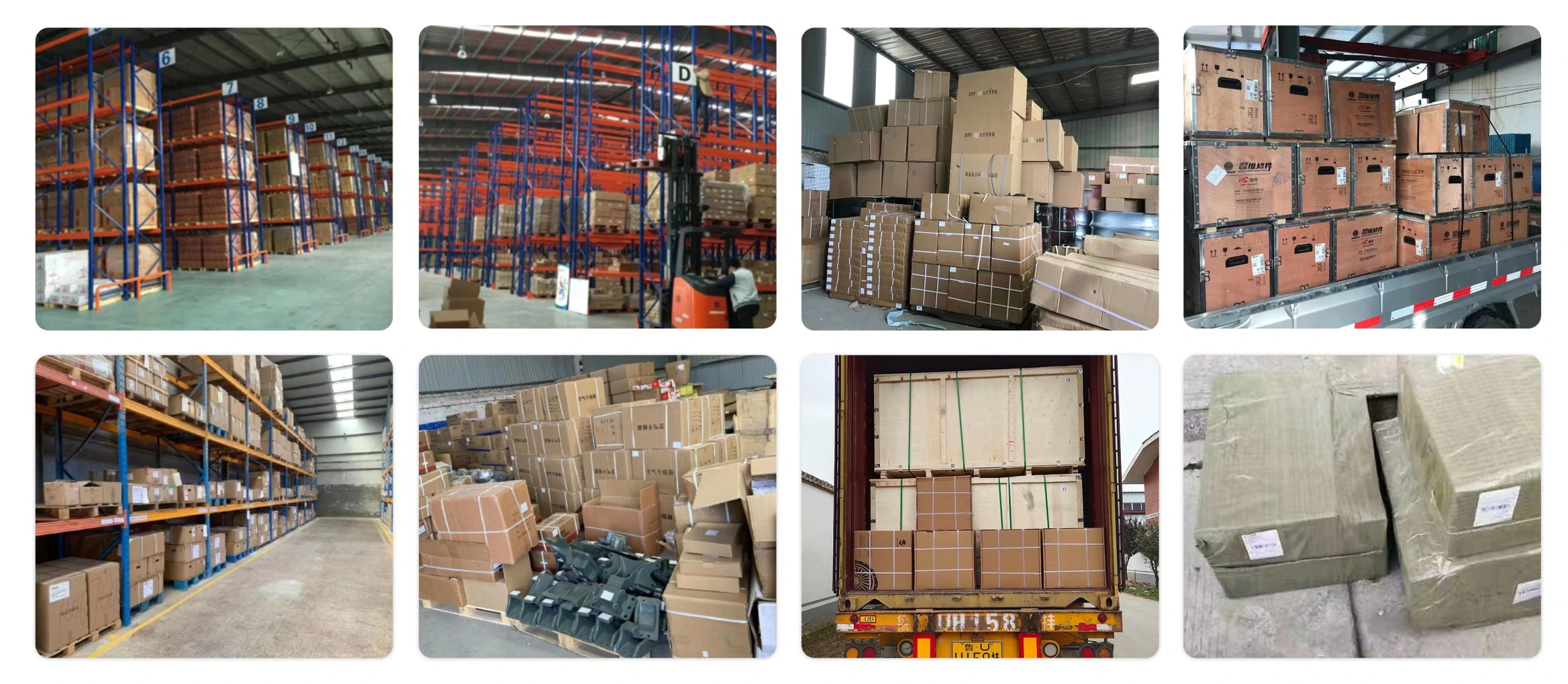
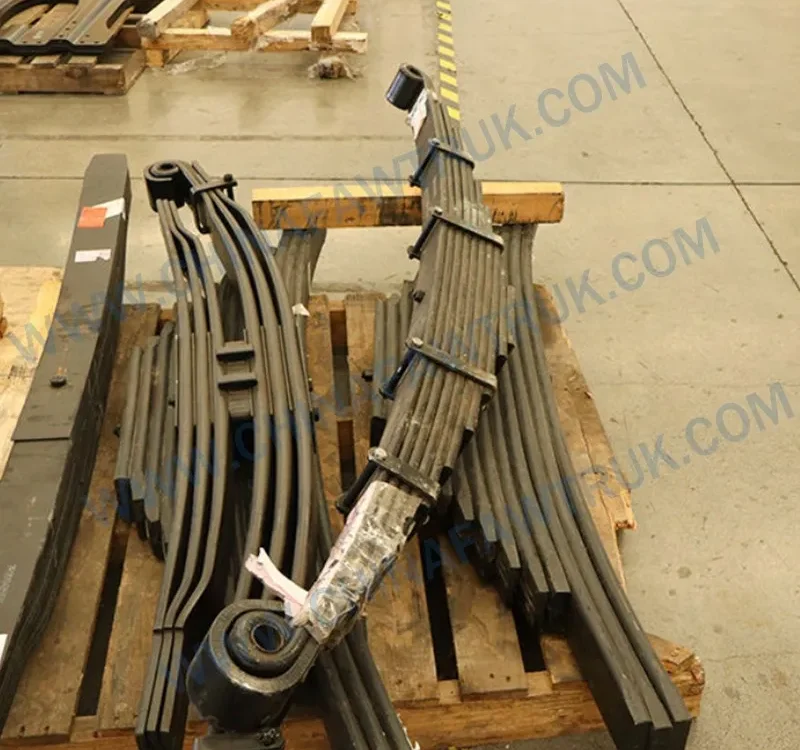
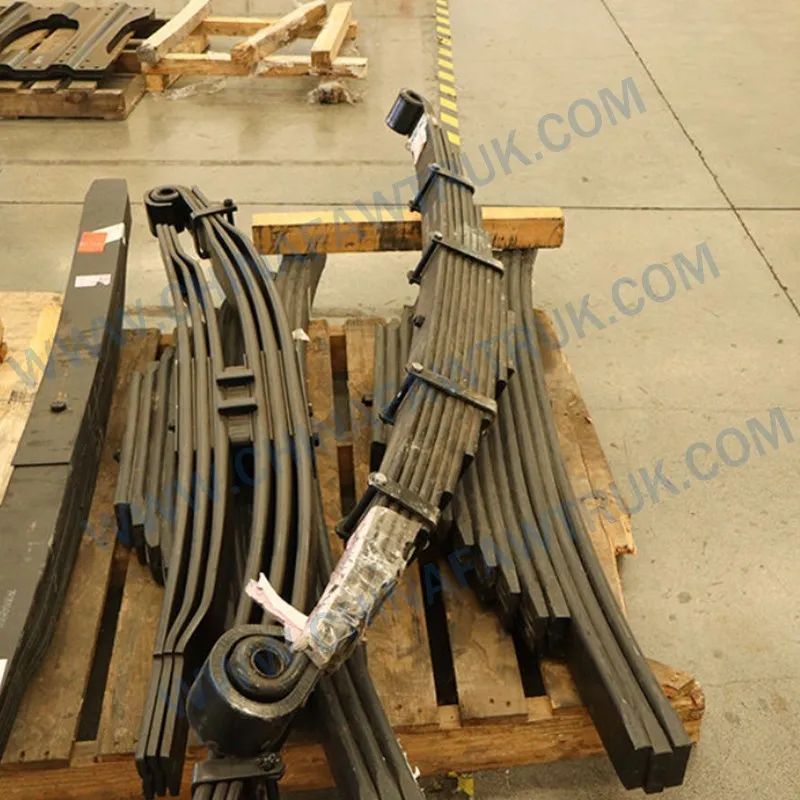
Peças FAW, incluindo o conjunto do bloco de cilindros, são embalados com cuidado para garantir uma entrega segura. Cada componente é protegido por materiais de proteção para evitar danos durante o transporte. A rede logística garante envios pontuais em todo o mundo, apoiando operações de manutenção eficientes. Abaixo está uma imagem ilustrando a embalagem padrão para peças de caminhão FAW, mostrando a atenção aos detalhes no manuseio e armazenamento.
Esta abordagem de embalagem minimiza o risco de corrosão ou danos por impacto, garantindo que peças como o conjunto do bloco de cilindros FAW cheguem em perfeitas condições. Os clientes podem confiar na logística da FAW para obter qualidade e confiabilidade consistentes.