Frein sur échappement russe FAW: Maîtriser 7 Composants essentiels pour une sécurité sans compromis en descente
Le Frein sur échappement russe FAW L'assemblage logique est le principal système de ralentissement auxiliaire pour le camion-benne CA3250P66K24L1TE5Z.. Dans la glace, terrain montagneux de la Fédération de Russie, compter uniquement sur les freins de service conduit à un évanouissement catastrophique. Ce système de valve pneumatique utilise la contre-pression du moteur pour contrôler en toute sécurité les vitesses de descente.. Ce guide analyse les 7 composants stratégiques, de la vanne papillon aux conduites pneumatiques temps froid, définir le Frein sur échappement russe FAW norme de sécurité.

Ensemble de frein sur échappement russe FAW
Dynamique des vannes: Le cœur du retard
Le coeur du Frein sur échappement russe FAW le système est le Ensemble de soupape de frein sur échappement (Partie no. 3523010-76UN). Ce n'est pas un simple restricteur; il s'agit d'une vanne papillon conçue avec précision, capable de résister à l'immense chaleur et à la pression d'un moteur diesel turbocompressé.. Lorsqu'il est activé, la vanne se ferme, créant un blocage contrôlé dans le conduit d'échappement. Ce blocage oblige les pistons du moteur à travailler contre les gaz piégés pendant la course d'échappement., convertir efficacement l'élan cinétique du véhicule en énergie thermique dans le bloc moteur. Dans le contexte du Frein sur échappement russe FAW, cette conversion d'énergie fournit la force de ralentissement nécessaire pour maintenir un camion chargé de 30 tonnes sur un 10% pente glacée sans toucher aux freins des roues.
La composition métallurgique du corps de vanne est essentielle pour le marché russe. Il est moulé à partir d'un alliage de fer à haute teneur en nickel conçu pour résister aux fissures thermiques.. Pendant le fonctionnement, la valve peut clignoter depuis des températures ambiantes inférieures à zéro jusqu'à plus de 600°C en quelques secondes. La fonte standard se briserait sous ce choc thermique. L'arbre interne et la plaque papillon du Frein sur échappement russe FAW la valve est fabriquée en acier inoxydable pour éviter le grippage. Dans l’environnement corrosif des routes russes salées, une valve de frein sur échappement grippée peut rester bloquée en position fermée, provoquant le calage ou la surchauffe du moteur, ou reste ouvert, privant le conducteur de la puissance de freinage essentielle.
En outre, le vérin pneumatique intégré à cet ensemble est spécialement scellé pour les conditions arctiques. Les joints en caoutchouc standard se raidissent et échouent à -40°C, entraînant des fuites d'air et une réponse lente de la valve. Le Frein sur échappement russe FAW utilise des joints à base de silicone qui conservent leur flexibilité par temps extrêmement froid. Cela garantit que lorsque le conducteur relâche la pédale d'accélérateur, le frein s'enclenche instantanément. Ce temps de réponse en millisecondes est vital pour maintenir la stabilité du véhicule sur des surfaces glissantes, prouvant que le Frein sur échappement russe FAW est conçu avec une compréhension approfondie de la physique hivernale.
Commande pneumatique: Le réseau neuronal du freinage
L'actionnement de la vanne repose sur un signal pneumatique précis délivré via le Assemblage de tuyau d'air série (Partie no. 3506815-50A/73A/76A). Ce ne sont pas des tubes en nylon génériques; ce sont les fibres nerveuses du Frein sur échappement russe FAW système. Dans l'Arctique russe, l'humidité dans le système d'air est une menace constante. Si la vapeur d'eau se condense et gèle dans ces lignes, le frein sur échappement ne s'enclenchera pas. Pour lutter contre cela, le tracé de ces tuyaux est méticuleusement conçu pour éviter les points bas où les condensats peuvent s'accumuler et former des bouchons de glace (le “barrage de glace” effet).
La science des matériaux derrière ces tuyaux implique un mélange de polymères spécialisés contenant des plastifiants pour temps froid.. Le tube de frein pneumatique standard devient cassant à -40°C. Un seul impact de pierre ou une vibration du châssis pourrait briser une ligne standard, provoquant une fuite d'air massive qui compromet non seulement le Frein sur échappement russe FAW mais potentiellement tout le circuit de freinage secondaire. Le tube spécifié par FAW conserve sa ductilité et sa résistance aux chocs même dans des conditions de gel profond, s'assurer que le signal du solénoïde atteint le cylindre de l'actionneur sans interruption.
La variété des références (Par exemple, 3506815-94C, 3506815A65B) indique des géométries spécifiques pour différentes configurations de châssis. Chaque rayon de courbure est calculé pour minimiser la résistance au flux d'air, assurant une activation et une désactivation rapides. Dans le Frein sur échappement russe FAW logique, la vitesse de désactivation est tout aussi critique que l'activation. Quand le conducteur appuie sur l'accélérateur, la valve doit s'ouvrir instantanément pour permettre au turbocompresseur de s'enrouler. Un retard dans l'ouverture entraînerait de fortes hésitations du moteur et de la fumée noire. Le diamètre optimisé et l'alésage lisse de ces ensembles de tuyaux d'air spécifiques garantissent le Frein sur échappement russe FAW fonctionne de manière transparente avec le système de gestion du moteur.
Science du phoque: Confinement à haute température
L’efficacité du frein sur échappement est directement proportionnelle à la capacité du système à contenir la pression. Toute fuite en amont de la soupape réduit la contre-pression disponible pour ralentir le moteur. Le Frein sur échappement russe FAW l'assemblage utilise des performances élevées Assemblage du joint (Partie no. 3523025-945) et Assemblage du joint (Partie no. 1203025A263). Ce ne sont pas de simples joints en papier; ce sont des joints composites multicouches ou stratifiés métalliques conçus pour résister aux ondes de pression pulsées de l'échappement.
Dans le contexte du Frein sur échappement russe FAW, ces joints doivent également supporter une dilatation thermique extrême. Comme le corps de vanne en fonte et les tuyaux d'échappement en acier se dilatent à des rythmes différents, une force de cisaillement est appliquée aux faces du joint. Les joints de qualité inférieure se déchireraient ou se délamineraient sous cette contrainte, entraînant des fuites d'échappement dangereuses dans le compartiment moteur. Les joints FAW comportent un revêtement imprégné de graphite qui permet des micro-mouvements entre les brides tout en maintenant une étanchéité aux gaz.. Cela garantit que 100% du flux d'échappement est dirigé contre la vanne papillon, maximiser le couple de freinage.
En outre, les joints dans le Frein sur échappement russe FAW le système agit comme un isolant thermique. Ils aident à empêcher la chaleur extrême du corps de la vanne de se propager directement dans la tuyauterie ou les supports adjacents., réduisant la contrainte thermique sur le matériel de montage. Les exploitants de flotte doivent traiter ces joints comme des articles à usage unique; une fois compressé, ils ne peuvent pas être réutilisés. Installation d'un joint usagé sur un Frein sur échappement russe FAW le système garantit une fuite, compromettant à la fois la sécurité et la qualité de l’air de la cabine.
Dynamique de fixation: Résistance aux vibrations et au fluage
Le montage du frein sur échappement est soumis à certains des profils de vibrations les plus sévères du camion. Le Frein sur échappement russe FAW l'assemblage est sécurisé à l'aide Boulon à bride hexagonale à tige grossière (Partie no. Q1841025) et Boulon à tête hexagonale (Partie no. CQ1501045). Le choix des boulons à bride est délibéré; la bride intégrée fait office de rondelle, répartissant la charge de serrage élevée requise pour sceller les joints sans écraser le matériau de la bride. Le pas de filetage grossier offre une force de préhension supérieure lors du moulage, résistant à la tendance à se desserrer sous la vibration à haute fréquence du flux d'échappement diesel.
En complément de ces boulons sont les Écrou hexagonal (Partie no. CQ34010). Dans le Frein sur échappement russe FAW application, ces écrous sont généralement fabriqués à partir d'une qualité d'acier spécifique qui correspond au coefficient de dilatation thermique des boulons. Cela empêche “étirement du boulon” ou “fluage des noix” pendant le cyclage thermique. Si un boulon venait à se desserrer, la valve du frein sur échappement pourrait se déplacer, créant un désalignement qui pourrait bloquer le mécanisme papillon. Pour éviter le soudage par corrosion (lorsque l'écrou fusionne avec le boulon à cause de la rouille et de la chaleur), la quincaillerie du Frein sur échappement russe FAW le système est traité avec un revêtement de zinc ou de phosphate à haute température.
Une application correcte du couple est essentielle. Un serrage excessif peut déformer le boîtier de la vanne, provoquant la liaison du papillon. Un sous-serrage entraîne l’éclatement du joint. La combinaison spécifique de boulons et d'écrous répertoriés dans la nomenclature est calculée pour maintenir la force de serrage correcte sur toute la plage de température de fonctionnement.. Cette attention portée à l'ingénierie des fixations garantit que le Frein sur échappement russe FAW reste un atout de sécurité fiable, nécessitant une intervention d'entretien minimale même après des milliers de kilomètres sur des routes minières en planches à laver.
Répartition des composants: 87. Ensemble logique de frein sur échappement
| Non. |
Numéro de pièce |
Nom de la pièce |
Quantité |
| 1 | 3523025-945 | Assemblage du joint | 1 |
| 2 | 3523010-76UN | Ensemble de soupape de frein sur échappement | 1 |
| 3 | Q1841025 | Boulon à bride hexagonale à tige grossière (Standard) | 6 |
| 4 | CQ34010 | Écrou hexagonal | 8 |
| 5 | 1203025A263 | Assemblage du joint | 1 |
| 6 | CQ1501045 | Boulon à tête hexagonale | 4 |
| 7 | 3506815-50UN | Assemblage de tuyau d'air – Solénoïde à valve de frein | 1 |
| 3506815-73UN | Assemblage de tuyau d'air – Solénoïde à valve de frein | 1 |
| 3506815-76UN | Assemblage de tuyau d'air – Solénoïde au cylindre d'échappement | 1 |
| 3506815-94C | Assemblage de tuyau d'air – Solénoïde à valve de frein (Modèle) | 1 |
| 3506815A65B | Assemblage de tuyau d'air – Solénoïde à valve de frein | 1 |
Conclusion: Le gardien de la descente
Le Frein sur échappement russe FAW l’assemblage est un système de sécurité vital, ce n'est pas un accessoire optionnel. Dans les conditions brutales de l'hiver russe, il sert de première ligne de défense contre la perte de contrôle du véhicule sur des pentes abruptes. En utilisant efficacement la contre-pression du moteur, il préserve les freins de service pour les situations d'urgence, réduisant considérablement les coûts de maintenance et augmentant la sécurité opérationnelle. L'ingénierie minutieuse de la vanne, joints, et les conduites pneumatiques garantissent que ce système fonctionne parfaitement lorsqu'il est le plus nécessaire.
Pour les gestionnaires de flotte et les chauffeurs, en respectant l'intégrité du Frein sur échappement russe FAW n'est pas négociable. Le remplacement de pièces d'origine par des joints de qualité inférieure ou du matériel standard peut entraîner une défaillance du système., mettre le conducteur et la charge en danger. En maintenant cet assemblage avec des composants authentiques et en adhérant à la logique de maintenance décrite dans ce guide, les opérateurs maximisent la disponibilité et la sécurité de leur flotte CA3250P66K24L1TE5Z, conquérir les routes verglacées en toute confiance.
Emballage et logistique
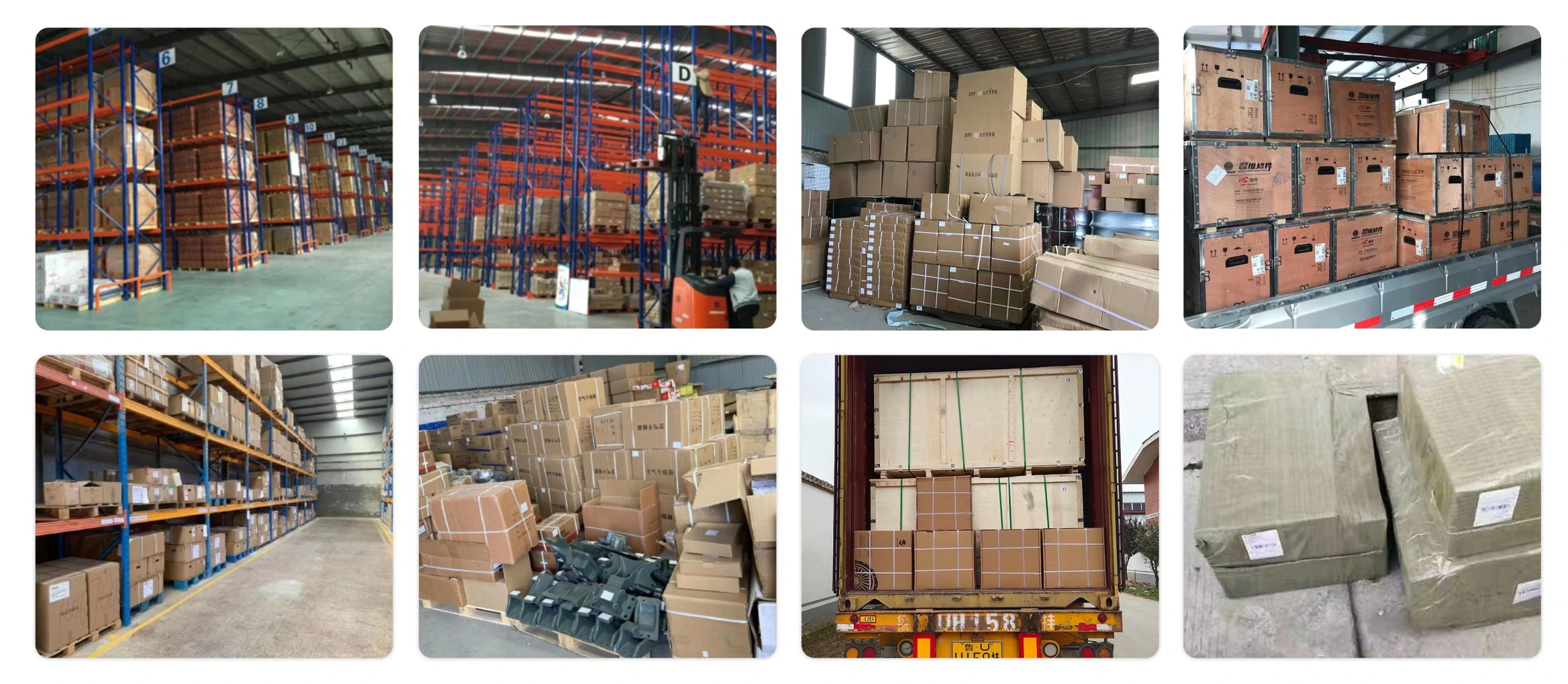
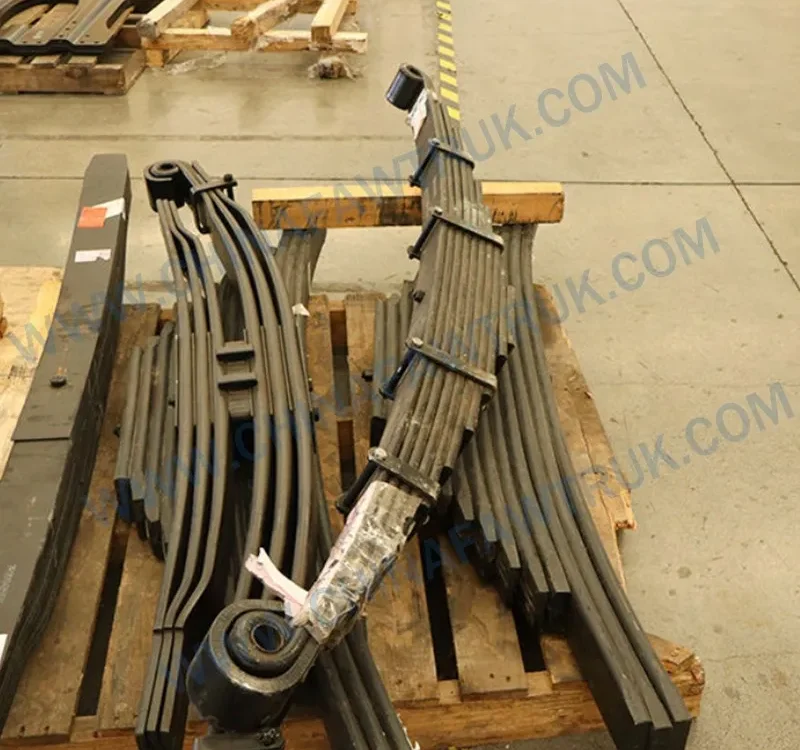
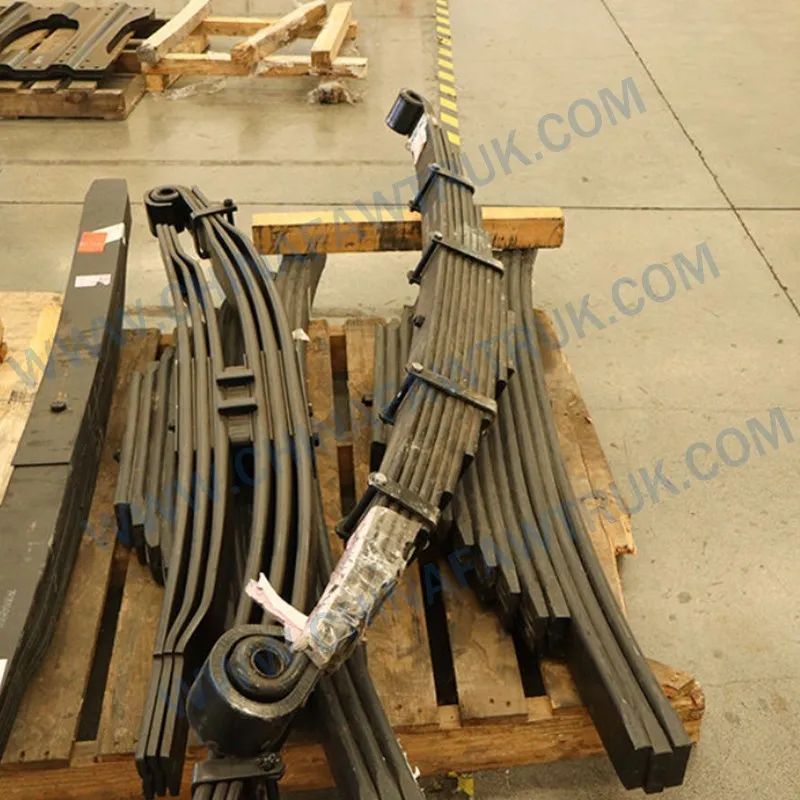
Pièces FAW, y compris l'ensemble bloc-cylindres, sont emballés avec soin pour garantir une livraison en toute sécurité. Chaque composant est sécurisé dans des matériaux de protection pour éviter tout dommage pendant le transport. Le réseau logistique garantit des expéditions ponctuelles dans le monde entier, soutenir des opérations de maintenance efficaces. Vous trouverez ci-dessous une image illustrant l'emballage standard des pièces de camion FAW., mettant en valeur l’attention portée aux détails dans la manipulation et le stockage.
Cette approche d'emballage minimise le risque de corrosion ou de dommages causés par les chocs., s'assurer que les pièces comme l'ensemble bloc-cylindres FAW arrivent en parfait état. Les clients peuvent compter sur la logistique de FAW pour une qualité et une fiabilité constantes.