FAW Russian Exhaust Brake: Mastering 7 Critical Components for Uncompromised Downhill Safety
The FAW Russian Exhaust Brake logic assembly is the primary auxiliary retarding system for the CA3250P66K24L1TE5Z dump truck. In the icy, mountainous terrain of the Russian Federation, relying solely on service brakes leads to catastrophic fade. This pneumatic valve system utilizes engine backpressure to safely control descent speeds. This guide analyzes the 7 strategic components, from the butterfly valve to the cold-weather pneumatic lines, defining the FAW Russian Exhaust Brake standard for safety.

FAW Russian Exhaust Brake Assembly
Valve Dynamics: The Core of Retardation
The heart of the FAW Russian Exhaust Brake system is the Exhaust Brake Valve Assembly (Part No. 3523010-76A). This is not a simple restrictor; it is a precision-engineered butterfly valve capable of withstanding the immense heat and pressure of a turbocharged diesel engine. When activated, the valve closes, creating a controlled blockage in the exhaust tract. This blockage forces the engine pistons to work against the trapped gas during the exhaust stroke, effectively converting the vehicle’s kinetic momentum into thermal energy within the engine block. In the context of the FAW Russian Exhaust Brake, this energy conversion provides the necessary retarding force to hold a 30-ton loaded truck on a 10% icy grade without touching the wheel brakes.
The metallurgical composition of the valve body is critical for the Russian market. It is cast from a high-nickel iron alloy designed to resist thermal cracking. During operation, the valve can flash from sub-zero ambient temperatures to over 600°C in seconds. Standard cast iron would fracture under this thermal shock. The internal shaft and butterfly plate of the FAW Russian Exhaust Brake valve are manufactured from stainless steel to prevent seizure. In the corrosive environment of salted Russian roads, a seized exhaust brake valve can stick in the closed position, causing the engine to stall or overheat, or stick open, depriving the driver of essential braking power.
Furthermore, the pneumatic cylinder integrated into this assembly is specifically sealed for Arctic conditions. Standard rubber seals stiffen and fail at -40°C, leading to air leaks and sluggish valve response. The FAW Russian Exhaust Brake utilizes silicone-based seals that retain flexibility in extreme cold. This ensures that when the driver releases the accelerator pedal, the brake engages instantly. This millisecond response time is vital for maintaining vehicle stability on slippery surfaces, proving that the FAW Russian Exhaust Brake is engineered with a deep understanding of winter physics.
Pneumatic Control: The Neural Network of Braking
The actuation of the valve relies on a precise pneumatic signal delivered through the Air Pipe Assembly series (Part No. 3506815-50A/73A/76A). These are not generic nylon tubes; they are the nerve fibers of the FAW Russian Exhaust Brake system. In the Russian Arctic, moisture in the air system is a constant threat. If water vapor condenses and freezes within these lines, the exhaust brake will fail to engage. To combat this, the routing of these pipes is meticulously designed to avoid low spots where condensate can pool and form ice plugs (the “ice dam” effect).
The material science behind these pipes involves a specialized polymer blend containing cold-weather plasticizers. Standard air brake tubing becomes glass-brittle at -40°C. A single stone impact or chassis vibration could shatter a standard line, causing a massive air leak that compromises not just the FAW Russian Exhaust Brake but potentially the entire secondary braking circuit. The FAW-specified tubing retains its ductility and impact resistance even in deep freeze conditions, ensuring the signal from the solenoid reaches the actuator cylinder without interruption.
The variety of part numbers (e.g., 3506815-94C, 3506815A65B) indicates specific geometries for different chassis configurations. Each bend radius is calculated to minimize airflow resistance, ensuring rapid activation and deactivation. In the FAW Russian Exhaust Brake logic, deactivation speed is just as critical as activation. When the driver steps on the accelerator, the valve must snap open instantly to allow the turbocharger to spool up. A lag in opening would result in severe engine hesitation and black smoke. The optimized diameter and smooth bore of these specific air pipe assemblies ensure the FAW Russian Exhaust Brake operates seamlessly with the engine management system.
Sealing Science: High-Temperature Containment
The efficiency of the exhaust brake is directly proportional to the system’s ability to contain pressure. Any leak upstream of the valve reduces the backpressure available to slow the engine. The FAW Russian Exhaust Brake assembly utilizes high-performance Gasket Assembly (Part No. 3523025-945) and Gasket Assembly (Part No. 1203025A263). These are not simple paper gaskets; they are multi-layered composite or metal-laminate gaskets designed to withstand the pulsating pressure waves of the exhaust.
In the context of the FAW Russian Exhaust Brake, these gaskets must also handle extreme thermal expansion. As the cast iron valve body and the steel exhaust pipes expand at different rates, a shearing force is applied to the gasket faces. Inferior gaskets would tear or delaminate under this stress, leading to dangerous exhaust leaks into the engine bay. The FAW gaskets feature a graphite-impregnated facing that allows for micro-movements between the flanges while maintaining a gas-tight seal. This ensures that 100% of the exhaust flow is directed against the butterfly valve, maximizing braking torque.
Furthermore, the gaskets in the FAW Russian Exhaust Brake system act as thermal isolators. They help prevent the extreme heat of the valve body from conducting directly into the adjacent piping or brackets, reducing the thermal stress on the mounting hardware. Fleet operators must treat these gaskets as single-use items; once compressed, they cannot be reused. Installing a used gasket on a FAW Russian Exhaust Brake system guarantees a leak, compromising both safety and cabin air quality.
Fastening Dynamics: Resisting Vibration and Creep
The mounting of the exhaust brake is subjected to some of the harshest vibration profiles on the truck. The FAW Russian Exhaust Brake assembly is secured using Hexagon Flange Bolt Coarse Shank (Part No. Q1841025) and Hexagon Head Bolt (Part No. CQ1501045). The choice of flange bolts is deliberate; the integrated flange acts as a washer, distributing the high clamping load required to seal the gaskets without crushing the flange material. The coarse thread pitch provides superior grip strength in the casting, resisting the tendency to loosen under the high-frequency vibration of the diesel exhaust stream.
Complementing these bolts are the Hexagon Nut (Part No. CQ34010). In the FAW Russian Exhaust Brake application, these nuts are typically made from a specific steel grade that matches the thermal expansion coefficient of the bolts. This prevents “bolt stretch” or “nut creep” during thermal cycling. If a bolt were to loosen, the exhaust brake valve could shift, creating a misalignment that might jam the butterfly mechanism. To prevent corrosion welding—where the nut fuses to the bolt due to rust and heat—the hardware in the FAW Russian Exhaust Brake system is treated with a high-temperature zinc-flake or phosphate coating.
Proper torque application is essential. Overtightening can warp the valve housing, causing the butterfly to bind. Undertightening leads to gasket blowout. The specific combination of bolts and nuts listed in the BOM is calculated to maintain the correct clamping force across the entire operating temperature range. This attention to fastener engineering ensures that the FAW Russian Exhaust Brake remains a reliable safety asset, requiring minimal maintenance intervention even after thousands of kilometers on washboard mining roads.
Component Breakdown: 87. Exhaust Brake Logic Assembly
| No. |
Part Number |
Part Name |
Qty |
| 1 | 3523025-945 | Gasket Assembly | 1 |
| 2 | 3523010-76A | Exhaust Brake Valve Assembly | 1 |
| 3 | Q1841025 | Hexagon Flange Bolt Coarse Shank (Standard) | 6 |
| 4 | CQ34010 | Hexagon Nut | 8 |
| 5 | 1203025A263 | Gasket Assembly | 1 |
| 6 | CQ1501045 | Hexagon Head Bolt | 4 |
| 7 | 3506815-50A | Air Pipe Assembly – Solenoid to Brake Valve | 1 |
| 3506815-73A | Air Pipe Assembly – Solenoid to Brake Valve | 1 |
| 3506815-76A | Air Pipe Assembly – Solenoid to Exhaust Cylinder | 1 |
| 3506815-94C | Air Pipe Assembly – Solenoid to Brake Valve (Pattern) | 1 |
| 3506815A65B | Air Pipe Assembly – Solenoid to Brake Valve | 1 |
Conclusion: The Guardian of the Descent
The FAW Russian Exhaust Brake assembly is a vital safety system, not an optional accessory. In the brutal conditions of the Russian winter, it serves as the first line of defense against loss of vehicle control on steep gradients. By effectively utilizing engine backpressure, it preserves the service brakes for emergency situations, dramatically reducing maintenance costs and increasing operational safety. The meticulous engineering of the valve, gaskets, and pneumatic lines ensures that this system performs flawlessly when it is needed most.
For fleet managers and drivers, respecting the integrity of the FAW Russian Exhaust Brake is non-negotiable. Substituting genuine parts with inferior gaskets or standard hardware can lead to system failure, putting the driver and the load at risk. By maintaining this assembly with authentic components and adhering to the maintenance logic outlined in this guide, operators maximize the uptime and safety of their CA3250P66K24L1TE5Z fleet, conquering the icy roads with confidence.
Packaging and Logistics
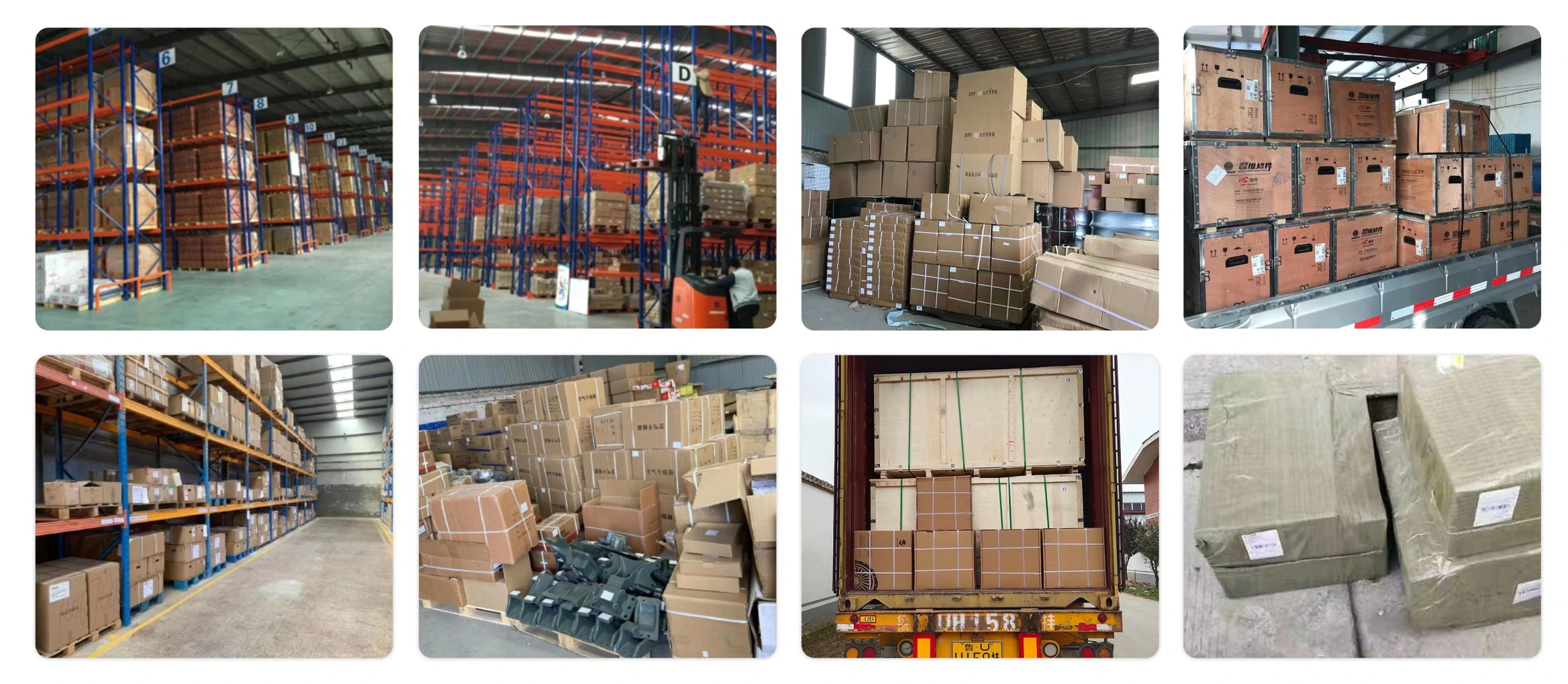
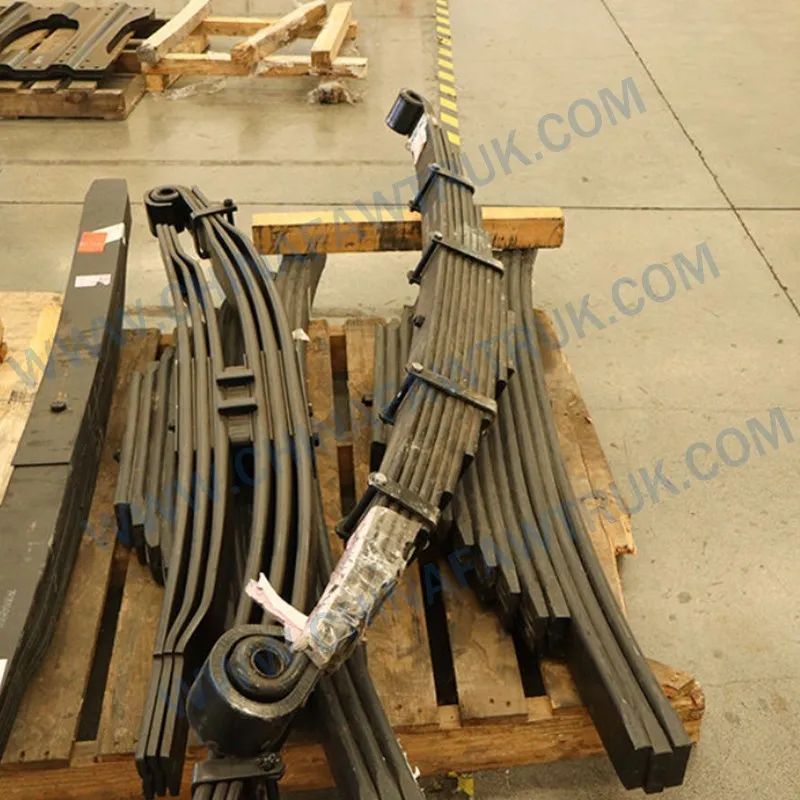
FAW parts, including the Cylinder Block Assembly, are packaged with care to ensure safe delivery. Each component is secured in protective materials to prevent damage during transit. The logistics network guarantees timely shipments worldwide, supporting efficient maintenance operations. Below is an image illustrating the standard packaging for FAW truck parts, showcasing the attention to detail in handling and storage.
This packaging approach minimizes the risk of corrosion or impact damage, ensuring that parts like the FAW Cylinder Block Assembly arrive in perfect condition. Customers can rely on FAW’s logistics for consistent quality and reliability.