Engrenage conique actif russe FAW: Libération 35 Composants stratégiques pour la domination du couple arctique
Le Engrenage conique actif russe FAW l'architecture définit les capacités de propulsion robustes du modèle CA3250P66K24L1TE5Z. Conçu spécifiquement pour le secteur minier sibérien, ce système gère des charges de couple extrêmes tout en naviguant à des températures inférieures à zéro. Il intègre une métallurgie précise avec une logique de verrouillage pneumatique pour assurer une continuité cinétique sur terrain gelé.. Ce guide technique décompose l'assemblage à son niveau atomique, mettant en évidence les protocoles de maintenance nécessaires à l’endurance arctique.

Engrenage conique actif russe FAW
Précision géométrique de l'engrenage conique actif
Le principal moteur de la multiplication du couple de l’essieu central est le Engrenage conique actif russe FAW (Partie no. 2502036BA6E). Ce composant est usiné à partir d'acier allié carburé de haute qualité, conçu pour résister aux immenses forces de cisaillement présentes dans 6×6 camions à benne. Les dents d'engrenage présentent un profil en spirale spécialisé qui maximise la surface de contact. Ce choix de conception est essentiel pour réduire les contraintes de chargement ponctuel, ce qui peut entraîner une fatigue prématurée du métal lors de couples élevés, manœuvres à basse vitesse dans les mines à ciel ouvert.
Le Engrenage conique actif russe FAW fonctionne dans un maillage synchronisé avec l'engrenage cylindrique entraîné (Partie no. 2502108-A6E). La relation entre ces deux vitesses dicte l'efficacité de l'ensemble de la transmission.. En russe “55R.” spécification, la tolérance de jeu est plus stricte que celle des modèles standard pour tenir compte des changements de viscosité de l'huile pour engrenages à -50°C. Un maillage précis garantit que la puissance est transférée en douceur sans le “bavarder” qui peut briser des composants métalliques fragiles et gelés.
La fixation de la position de l'arbre d'entrée est assurée par l'écrou à bride d'engrenage conique actif. (Partie no. 2402069-A0E). Ce n'est pas une fixation standard; c'est un point d'étalonnage pour l'ensemble Engrenage conique actif russe FAW assemblée. L'application correcte du couple sur cet écrou définit la précharge initiale du système.. Si cet écrou se desserre à cause des vibrations du châssis, le rapport actif passera axialement, détruisant le modèle de contact et conduisant à une défaillance catastrophique dans les kilomètres de fonctionnement.
L'alignement structurel est encore renforcé par le boulon pilote à tête hexagonale (Partie no. CQ1500812S). Ces pilotes garantissent que les brides d'accouplement sont parfaitement centrées avant le serrage des boulons de couple principaux.. Cette attention portée à la logique d'assemblage permet Engrenage conique actif russe FAW pour maintenir la concentricité même sous les charges de torsion de l'articulation tout-terrain, préserver la longévité des connexions cannelées et réduire la transmission des vibrations à la cabine du conducteur.
Architecture des roulements et gestion thermique
La stabilité en rotation du Engrenage conique actif russe FAW dépend d’une configuration de roulement robuste. L'assemblage utilise un roulement à rouleaux coniques (Partie no. 32314) à l'avant et un roulement à rouleaux coniques plus grand (Partie no. 32315) à l'arrière. Cet agencement dos à dos est conçu pour supporter les charges de poussée massives générées par la conception en biseau en spirale., empêcher l'engrenage de s'éjecter du boîtier sous charge.
L'espacement est critique dans cet environnement thermique. L'entretoise – Roulement à engrenages coniques actifs (Partie no. 2502088-A0E) définit la distance entre les chemins de roulement. Dans l'Arctique, le boîtier en acier du Engrenage conique actif russe FAW contrats de manière significative. Cette entretoise est fabriquée à partir d'un matériau avec un coefficient de dilatation thermique spécifique pour correspondre au boîtier, veiller à ce que la précharge des roulements reste constante, que le camion démarre à froid ou fonctionne à des températures maximales.
Le réglage fin est obtenu via la rondelle de réglage – Roulement à engrenages coniques actifs (Partie no. 2402081-A0E). Les techniciens utilisent ces rondelles pour régler la profondeur du pignon avec une précision au micron. Une profondeur de pignon correcte garantit que le Engrenage conique actif russe FAW engage la couronne dentée au point le plus résistant du flanc de la dent. Un réglage incorrect entraîne du bruit et une usure rapide, rendant ces rondelles indispensables pour la reconstruction des différentiels dans les ateliers éloignés.
L'ensemble rotatif est soutenu par le siège de roulement. (Partie no. 2502049-A6E). Ce moulage est suffisamment robuste pour absorber les charges de choc radiales lorsque les roues heurtent des ornières gelées.. L'interface entre le siège de roulement et le boîtier principal est scellée pour empêcher le contournement d'huile, s'assurer que le Engrenage conique actif russe FAW les roulements reçoivent un flux continu de lubrifiant, ce qui est essentiel lors de l’utilisation d’huiles pour engrenages d’hiver à haute viscosité.
Logique de blocage du différentiel pneumatique
L'antipatinage est la caractéristique déterminante du Engrenage conique actif russe FAW système. Le blocage de différentiel entre les roues permet au camion de naviguer sur la glace en reliant mécaniquement les arbres d'essieu. Cette fonction est alimentée par le cylindre – Blocage du différentiel entre les roues (Partie no. 2406011-A0E), qui reçoit l’air comprimé du circuit auxiliaire du véhicule. La paroi du cylindre est affûtée pour réduire la friction, assurer un temps de réponse rapide lorsque le conducteur actionne l'interrupteur.
À l'intérieur du cylindre, le piston – Blocage du différentiel entre les roues (Partie no. 2406013-A0E) traduit la pression de l'air en force mécanique. L'intégrité de l'étanchéité de ce piston est primordiale pour le Engrenage conique actif russe FAW fonctionnalité. Un joint défaillant signifie aucun engagement du verrou. Donc, le système utilise un joint torique spécialisé – Piston de blocage de différentiel (Partie no. 2406014-55R.) formulé à partir d'élastomères basse température qui restent flexibles jusqu'à -50°C, empêchant les fuites d'air courantes dans les joints en caoutchouc standard.
La force du piston déplace la fourche de changement de vitesse – Blocage du différentiel entre les roues (Partie no. 2406024-A0E). Cette fourche fait glisser le collier de verrouillage sur les cannelures, créer une connexion solide. La durabilité des pointes de fourche est augmentée dans le Engrenage conique actif russe FAW spécification pour résister à l'usure due à un engagement répété. Une fourche usée peut entraîner un verrouillage incomplet, faisant sauter les dents du collier et endommager les arbres d'essieu de façon permanente.
La sécurité est assurée par le ressort de rappel – Blocage du différentiel entre les roues (Partie no. 2406028-A0E). Une fois la pression de l'air relâchée, ce ressort robuste force le piston à reculer, débloquer le verrou. Un désengagement immédiat est crucial pour le Engrenage conique actif russe FAW système; si le verrou reste engagé sur des surfaces à forte traction comme une chaussée sèche, la transmission se grippera dans les virages, potentiellement cisailler les arbres d'essieu ou faire exploser le carter de différentiel.
Intégrité du boîtier et systèmes de fixation
L'épine dorsale de l'assemblage est la coque réductrice (Partie no. 2502015-A6E). Moulé à partir d'un alliage de fer nodulaire spécifique, cette coque fournit le cadre rigide nécessaire pour maintenir l'alignement des engrenages sous charge. La métallurgie du Engrenage conique actif russe FAW le boîtier est sélectionné pour sa résistance aux chocs à basse température. La fonte standard devient fragile dans l'Arctique, mais cette coque est conçue pour absorber l'énergie cinétique des impacts de suspension sans se fissurer.
La fixation des composants du boîtier nécessite des attaches à haute résistance. Le boulon – Réducteur de fixation (Partie no. 2402016-1H) est un boulon à bride conçu pour maintenir la force de serrage sous de fortes vibrations. Dans le Engrenage conique actif russe FAW assemblée, ces boulons sont serrés pour céder, s'assurer que les faces des brides sont soudées ensemble par friction. Cela empêche le réducteur de se déplacer sur le carter d'essieu., ce qui aurait pour effet de désaligner l'arbre de transmission et de provoquer des vibrations.
L'accès pour la maintenance est fourni via le bouchon magnétique à cône hexagonal (Partie no. T62106). Cette prise a un double objectif: vidanger l'huile et surveiller l'usure interne. L'aimant capture les particules ferreuses générées par le Engrenage conique actif russe FAW. Pendant le service, une accumulation excessive de copeaux métalliques sur cette fiche avertit le technicien d'une usure anormale des engrenages ou des roulements, permettant des réparations préventives avant qu'une panne totale du système ne se produise sur la route.
Enfin, les charges de torsion sont gérées par la goupille de support (Partie no. 2402021-A0E). Ces broches agissent comme des ancrages de cisaillement entre la coque du réducteur et le carter d'essieu.. Quand le Engrenage conique actif russe FAW transmet des milliers de Newton-mètres de couple, le boîtier essaie de tourner. Les axes de support absorbent cette force de rotation, protéger les boulons de montage des contraintes de cisaillement et assurer l'intégrité structurelle de l'ensemble de l'essieu central.
Répartition des composants: 137. Coque réductrice & Ensemble d'engrenage conique actif
| Non. |
Numéro de pièce |
Nom de la pièce |
Quantité |
| – | 2502010-55R. | Ensemble réducteur principal de l'essieu central (je=1.500) | 1 |
| 1 | 2402069-A0E | Noix – Bride d'engrenage conique actif | 1 |
| 2 | 2502108-A6E | Engrenage cylindrique entraîné | 1 |
| 3 | 32314 | Roulement à rouleaux coniques | 1 |
| 4 | 2402081-A0E | Rondelle de réglage – Roulement à engrenages coniques actifs | 1 |
| 5 | 2502088-A0E | Entretoise – Roulement à engrenages coniques actifs | 1 |
| 6 | 2402016-1H | Boulon – Réducteur de fixation | 12 |
| 7 | 2502049-A6E | Siège de roulement | 1 |
| 8 | 2502097-A6E | Réglage de la cale – Siège de roulement à engrenage conique actif | Comme demande |
| 9 | 2402048-A0E | Bouclier d'huile – Siège de roulement à engrenage conique actif | 1 |
| 10 | 32315 | Roulement à rouleaux coniques | 1 |
| 11 | 2502036BA6E | Engrenage conique actif | 1 |
| 12 | T62106 | Bouchon magnétique à cône hexagonal | 1 |
| 13 | 2402017-1H | Boulon – Réducteur de fixation | 18 |
| 14 | 2403071-A0E | Bague de réglage – Roulement différentiel | 2 |
| 15 | 2503010BA6E | Assemblage différentiel | 1 |
| 16 | 2403072-A0E | Plaque de verrouillage – Bague de réglage | 2 |
| 17 | CQ1500812S | Boulon pilote à tête hexagonale | 2 |
| 18 | 2402023-A0E | Boulon – Fixation du chapeau de palier de différentiel | 4 |
| 19 | 2402021-A0E | Goupille de support – Coque réductrice & Boîtier d'essieu | 2 |
| 20 | 2406034-A0E | Anneau de retenue en fil d'acier – Manchon de verrouillage de différentiel | 1 |
| 21 | 2406033-A0E | Manchon fixe – Blocage du différentiel entre les roues | 1 |
| 22 | 2406032-A0E | Manchon mobile – Blocage du différentiel entre les roues | 1 |
| 23 | 2402016-A0E | Boulon – Réducteur de fixation | 2 |
| 24 | 2406028-A0E | Retour printemps – Blocage du différentiel entre les roues | 1 |
| 25 | 2406024-A0E | Fourche de changement de vitesse – Blocage du différentiel entre les roues | 1 |
| 26 | 2406025-A0E | Ensemble d'arbre de fourche de changement de vitesse | 1 |
| 27 | 2406014-55R. | Joint torique – Piston de blocage de différentiel | 1 |
| 28 | 2406013-A0E | Piston – Blocage du différentiel entre les roues | 1 |
| 29 | 2406011-A0E | Cylindre – Blocage du différentiel entre les roues | 1 |
| 30 | 2406017-A0E | Joint – Couvercle de cylindre | 1 |
| 31 | 2406016-A0E | Couverture – Cylindre | 1 |
| 32 | 2406018-A0E | Boulon – Fixation du couvercle du cylindre de blocage de différentiel inter-roues | 3 |
| 33 | CQ63505 | Raccord coudé – Joint de tuyau conique | 1 |
| 34 | 3834050-A0E | Ensemble de commutateur de blocage de différentiel entre les roues | 1 |
| 35 | 2502015-A6E | Coque réductrice & Ensemble de chapeau de roulement de différentiel | 1 |
| 35-1 | 2502018-A6E | Coque réductrice – Essieu central | 1 |
| 35-2 | 2402019-A0E | Capuchon – Roulement différentiel | 1 |
| 35-3 | 2502019-A0E | Capuchon – Roulement différentiel | 1 |
Conclusion: Entretien pour la longévité
Le Engrenage conique actif russe FAW l'assemblage est le pivot stratégique de la transmission CA3250P66K24L1TE5Z, équilibrer la puissance du moteur avec les exigences délicates du contrôle de traction sur les substrats glacés. En intégrant une coque de réducteur robuste avec un jeu d'engrenages usiné avec précision et un système de verrouillage pneumatique à sécurité intégrée, FAW a créé un composant qui prospère là où d'autres se figent. Une inspection régulière du bouchon magnétique et la garantie que l'alimentation en air est sèche sont essentielles pour maximiser la durée de vie de ce système sophistiqué..
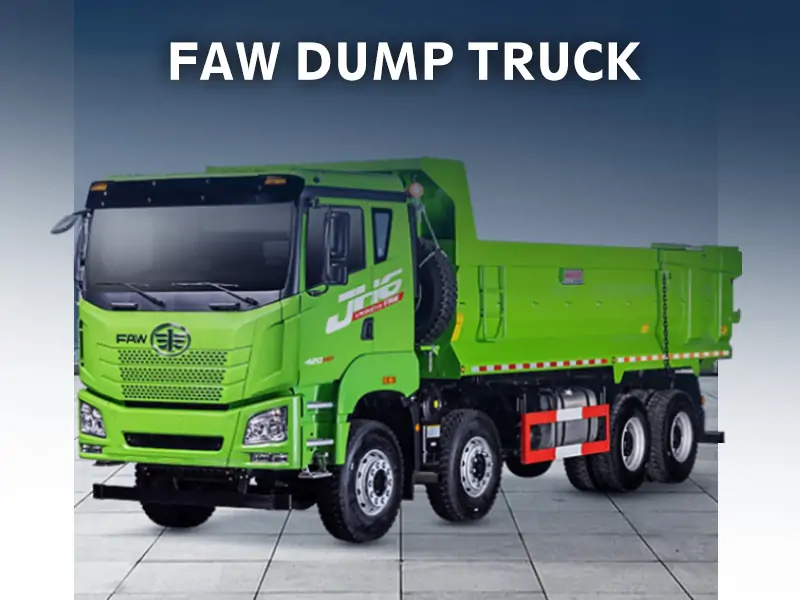
Investir dans des pièces de rechange d'origine pour le Engrenage conique actif russe FAW Le système garantit que le véhicule conserve ses spécifications d'usine d'origine en matière de gestion du couple et de résilience par temps froid.. Chaque boulon, des petits boulons pilotes aux gros boulons de fixation du réducteur, joue un rôle dans le maintien de la rigidité structurelle requise pour le transport lourd. Dans le paysage impitoyable du nord de la Russie, cette attention aux détails transforme un camion-benne standard en un atout logistique imparable, capable de fournir une disponibilité quelle que soit la lecture du thermomètre.
Emballage et logistique
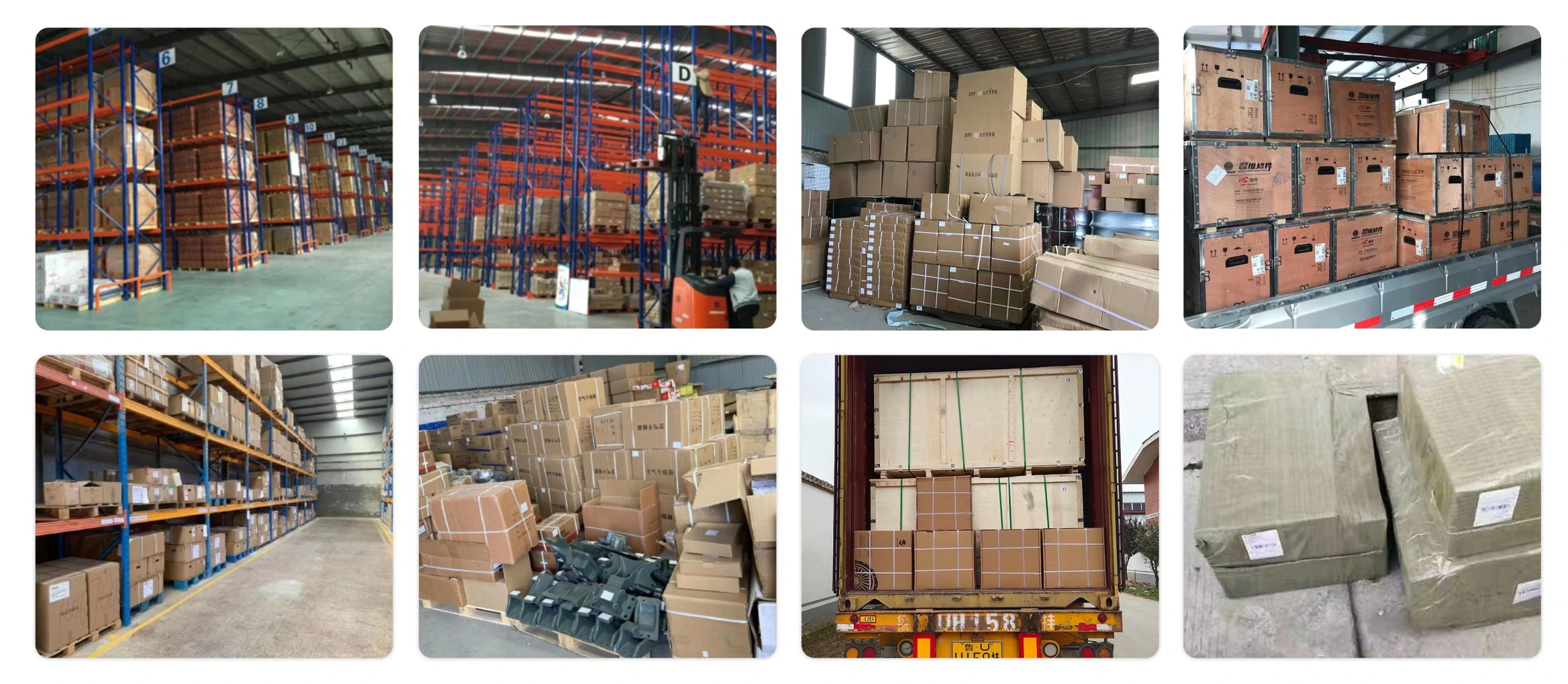
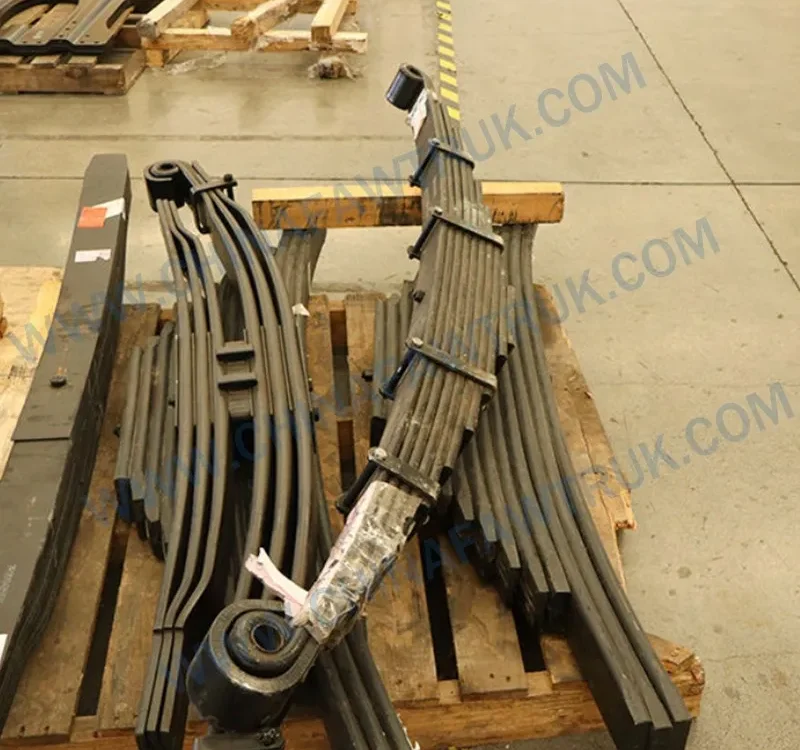
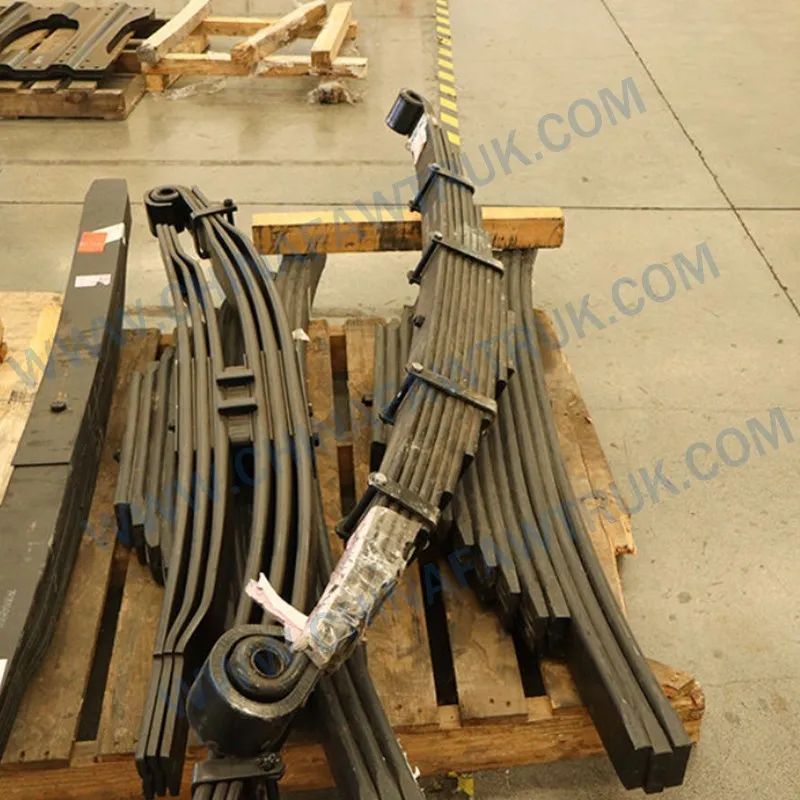
Pièces FAW, y compris l'ensemble bloc-cylindres, sont emballés avec soin pour garantir une livraison en toute sécurité. Chaque composant est sécurisé dans des matériaux de protection pour éviter tout dommage pendant le transport. Le réseau logistique garantit des expéditions ponctuelles dans le monde entier, soutenir des opérations de maintenance efficaces. Vous trouverez ci-dessous une image illustrant l'emballage standard des pièces de camion FAW., mettant en valeur l’attention portée aux détails dans la manipulation et le stockage.
Cette approche d'emballage minimise le risque de corrosion ou de dommages causés par les chocs., s'assurer que les pièces comme l'ensemble bloc-cylindres FAW arrivent en parfait état. Les clients peuvent compter sur la logistique de FAW pour une qualité et une fiabilité constantes.