Engrenagem cônica ativa russa FAW: Liberando 35 Componentes Estratégicos para o Domínio do Torque Ártico
O Engrenagem cônica ativa russa FAW arquitetura define as capacidades de propulsão para serviços pesados do modelo CA3250P66K24L1TE5Z. Projetado especificamente para o setor de mineração da Sibéria, este sistema gerencia cargas de torque extremas enquanto navega em temperaturas abaixo de zero. Integra metalurgia precisa com lógica de travamento pneumático para garantir continuidade cinética em terreno congelado. Este guia técnico divide a montagem em seu nível atômico, destacando os protocolos de manutenção necessários para a resistência do Ártico.

Engrenagem cônica ativa russa FAW
Precisão geométrica da engrenagem cônica ativa
O principal impulsionador da multiplicação de torque do eixo central é o Engrenagem cônica ativa russa FAW (Parte não. 2502036BA6E). Este componente é usinado em liga de aço carburado de alta qualidade, projetado para suportar as imensas forças de cisalhamento presentes em 6×6 JUMPT TRIACTERIOS. Os dentes da engrenagem apresentam um perfil espiral especializado que maximiza a área de contato superficial. Esta escolha de projeto é crítica para reduzir a tensão de carregamento pontual, o que pode levar à fadiga prematura do metal durante trabalhos de alto torque, manobras de baixa velocidade em minas a céu aberto.
O Engrenagem cônica ativa russa FAW opera em uma malha sincronizada com a engrenagem cilíndrica acionada (Parte não. 2502108-A6E). A relação entre essas duas marchas determina a eficiência de todo o sistema de transmissão. No russo “55R” especificação, a tolerância de folga é mais restrita do que nos modelos padrão para levar em conta as alterações de viscosidade no óleo de engrenagem a -50°C. A malha precisa garante que a energia seja transferida suavemente sem o “conversa” que pode quebrar componentes metálicos congelados e frágeis.
Protegendo a posição do eixo de entrada está a porca flangeada da engrenagem cônica ativa (Parte não. 2402069-A0E). Este não é um fixador padrão; é um ponto de calibração para todo o Engrenagem cônica ativa russa FAW conjunto. A aplicação de torque adequada nesta porca define a pré-carga inicial para o sistema. Se esta porca se soltar devido à vibração do chassi, a engrenagem ativa mudará axialmente, destruindo o padrão de contato e levando a falhas catastróficas em quilômetros de operação.
O alinhamento estrutural é ainda reforçado pelo parafuso piloto de cabeça hexagonal (Parte não. CQ1500812S). Esses pilotos garantem que os flanges correspondentes estejam perfeitamente centralizados antes que os parafusos de torque principais sejam apertados. Essa atenção à lógica assembly permite que o Engrenagem cônica ativa russa FAW para manter a concentricidade mesmo sob as cargas de torção da articulação off-road, preservando a longevidade das conexões estriadas e reduzindo a transmissão de vibrações para a cabine do motorista.
Arquitetura de rolamentos e gerenciamento térmico
A estabilidade rotacional do Engrenagem cônica ativa russa FAW depende de uma configuração de rolamento robusta. A montagem utiliza um rolamento de rolos cônicos (Parte não. 32314) na frente e um rolamento de rolos cônicos maior (Parte não. 32315) na parte traseira. Este arranjo costas com costas foi projetado para lidar com as enormes cargas axiais geradas pelo design do chanfro em espiral, evitando que a engrenagem se ejete da carcaça sob carga.
O espaçamento é crítico neste ambiente térmico. O espaçador – Rolamento de engrenagem cônica ativa (Parte não. 2502088-A0E) define a distância entre as pistas do rolamento. No Ártico, a carcaça de aço do Engrenagem cônica ativa russa FAW contratos significativamente. Este espaçador é fabricado a partir de um material com um coeficiente de expansão térmica específico para combinar com o invólucro, garantindo que a pré-carga do rolamento permaneça constante, quer o caminhão esteja com partida a frio ou funcionando com pico de calor.
O ajuste fino é obtido através da Arruela de Ajuste – Rolamento de engrenagem cônica ativa (Parte não. 2402081-A0E). Os técnicos usam essas arruelas para definir a profundidade do pinhão com precisão de nível mícron. A profundidade correta do pinhão garante que o Engrenagem cônica ativa russa FAW engata a roda de coroa no ponto mais forte do flanco do dente. O ajuste incorreto causa ruído e desgaste rápido, tornando essas arruelas indispensáveis para reconstrução de diferenciais em oficinas remotas.
Todo o conjunto rotativo é suportado pelo assento do rolamento (Parte não. 2502049-A6E). Esta peça fundida é robusta o suficiente para absorver as cargas de choque radial quando as rodas impactam em sulcos congelados. A interface entre o assento do rolamento e a carcaça principal é vedada para evitar desvio de óleo, garantindo que o Engrenagem cônica ativa russa FAW rolamentos recebem um fluxo contínuo de lubrificante, o que é vital ao usar óleos para engrenagens de inverno de alta viscosidade.
Lógica de bloqueio diferencial pneumático
O controle de tração é a característica definidora do Engrenagem cônica ativa russa FAW sistema. O bloqueio do diferencial entre rodas permite que o caminhão navegue no gelo ligando mecanicamente os semi-eixos. Esta função é alimentada pelo Cilindro – Bloqueio do diferencial entre rodas (Parte não. 2406011-A0E), que recebe ar comprimido do circuito auxiliar do veículo. A parede do cilindro é afiada para reduzir o atrito, garantindo um tempo de resposta rápido quando o motorista alterna a chave.
Dentro do cilindro, o pistão – Bloqueio do diferencial entre rodas (Parte não. 2406013-A0E) traduz a pressão do ar em força mecânica. A integridade da vedação deste pistão é fundamental para o Engrenagem cônica ativa russa FAW funcionalidade. Uma vedação com falha significa que não há engate da trava. Portanto, o sistema usa um O-ring especializado – Pistão de bloqueio diferencial (Parte não. 2406014-55R) formulado a partir de elastômeros de baixa temperatura que permanecem flexíveis até -50°C, evitando vazamentos de ar comuns em vedações de borracha padrão.
A força do pistão move o garfo de mudança – Bloqueio do diferencial entre rodas (Parte não. 2406024-A0E). Este garfo desliza o colar de travamento sobre as estrias, criando uma conexão sólida. A durabilidade das pontas dos garfos é aumentada no Engrenagem cônica ativa russa FAW especificação para resistir ao desgaste devido ao engate repetido. Um garfo gasto pode levar ao travamento incompleto, fazendo com que o colar salte os dentes e danifique os semi-eixos permanentemente.
A segurança é garantida pela Primavera de Retorno – Bloqueio do diferencial entre rodas (Parte não. 2406028-A0E). Assim que a pressão do ar for liberada, esta mola resistente força o pistão para trás, desengatando a trava. O desligamento imediato é crucial para o Engrenagem cônica ativa russa FAW sistema; se a trava permanecer engatada em superfícies de alta tração, como pavimento seco, a linha de transmissão irá travar durante as curvas, potencialmente cortando os semi-eixos ou explodindo a caixa do diferencial.
Integridade da carcaça e sistemas de fixação
A espinha dorsal da montagem é o Redutor Shell (Parte não. 2502015-A6E). Fundido a partir de uma liga específica de ferro nodular, esta carcaça fornece a estrutura rígida necessária para manter o alinhamento das engrenagens sob carga. A metalurgia do Engrenagem cônica ativa russa FAW a carcaça é selecionada por sua resistência ao impacto em baixas temperaturas. O ferro fundido padrão torna-se frágil no Ártico, mas esta carcaça foi projetada para absorver a energia cinética dos impactos da suspensão sem rachar.
A fixação dos componentes da caixa requer fixadores de alta resistência. O parafuso – Redutor de fixação (Parte não. 2402016-1H) é um parafuso de flange projetado para manter a força de fixação sob vibrações severas. No Engrenagem cônica ativa russa FAW conjunto, esses parafusos são apertados para ceder, garantindo que as faces do flange sejam soldadas por fricção. Isso evita que o redutor se desloque na carcaça do eixo, o que desalinharia o eixo de transmissão e causaria vibração.
O acesso para manutenção é fornecido através do plugue magnético de cone hexagonal (Parte não. T62106). Este plugue tem uma dupla finalidade: drenando o óleo e monitorando o desgaste interno. O ímã captura partículas ferrosas geradas pelo Engrenagem cônica ativa russa FAW. Durante o serviço, um acúmulo excessivo de aparas de metal neste plugue alerta o técnico sobre desgaste anormal de engrenagens ou rolamentos, permitindo reparos preventivos antes que ocorra uma falha total do sistema na estrada.
Finalmente, as cargas de torção são gerenciadas pelo pino de suporte (Parte não. 2402021-A0E). Esses pinos atuam como âncoras de cisalhamento entre a carcaça do redutor e a carcaça do eixo. Quando o Engrenagem cônica ativa russa FAW transmite milhares de Newton-metros de torque, a caixa tenta girar. Os pinos de suporte absorvem esta força rotacional, protegendo os parafusos de montagem contra tensões de cisalhamento e garantindo a integridade estrutural de todo o conjunto do eixo intermediário.
Divisão de Componentes: 137. Concha Redutora & Conjunto de engrenagem cônica ativa
| Não. |
Número da peça |
Nome da peça |
Quantidade |
| – | 2502010-55R | Conjunto do redutor principal do eixo médio (eu=1.500) | 1 |
| 1 | 2402069-A0E | Noz – Flange de engrenagem cônica ativa | 1 |
| 2 | 2502108-A6E | Equipamento cilíndrico acionado | 1 |
| 3 | 32314 | Rolamento de rolo cônico | 1 |
| 4 | 2402081-A0E | Ajuste da arruela – Rolamento de engrenagem cônica ativa | 1 |
| 5 | 2502088-A0E | Espaçador – Rolamento de engrenagem cônica ativa | 1 |
| 6 | 2402016-1H | Parafuso – Redutor de fixação | 12 |
| 7 | 2502049-A6E | Assento do Rolamento | 1 |
| 8 | 2502097-A6E | Ajustando calço – Assento de rolamento de engrenagem cônica ativa | Conforme necessário |
| 9 | 2402048-A0E | Escudo de Petróleo – Assento de rolamento de engrenagem cônica ativa | 1 |
| 10 | 32315 | Rolamento de rolo cônico | 1 |
| 11 | 2502036BA6E | Engrenagem Cônica Ativa | 1 |
| 12 | T62106 | Plugue magnético de cone hexagonal | 1 |
| 13 | 2402017-1H | Parafuso – Redutor de fixação | 18 |
| 14 | 2403071-A0E | Anel de ajuste – Rolamento diferencial | 2 |
| 15 | 2503010BA6E | Montagem Diferencial | 1 |
| 16 | 2403072-A0E | Placa de bloqueio – Anel de ajuste | 2 |
| 17 | CQ1500812S | Parafuso piloto de cabeça hexagonal | 2 |
| 18 | 2402023-A0E | Parafuso – Fixação da tampa do rolamento diferencial | 4 |
| 19 | 2402021-A0E | Pino de suporte – Concha Redutora & Habitação do eixo | 2 |
| 20 | 2406034-A0E | Anel de retenção de fio de aço – Manga de bloqueio diferencial | 1 |
| 21 | 2406033-A0E | Manga Fixa – Bloqueio do diferencial entre rodas | 1 |
| 22 | 2406032-A0E | Manga Móvel – Bloqueio do diferencial entre rodas | 1 |
| 23 | 2402016-A0E | Parafuso – Redutor de fixação | 2 |
| 24 | 2406028-A0E | Spring de retorno – Bloqueio do diferencial entre rodas | 1 |
| 25 | 2406024-A0E | Shift Fork – Bloqueio do diferencial entre rodas | 1 |
| 26 | 2406025-A0E | Conjunto do eixo do garfo de mudança | 1 |
| 27 | 2406014-55R | Anel-O – Pistão de bloqueio diferencial | 1 |
| 28 | 2406013-A0E | Pistão – Bloqueio do diferencial entre rodas | 1 |
| 29 | 2406011-A0E | Cilindro – Bloqueio do diferencial entre rodas | 1 |
| 30 | 2406017-A0E | Junta – Tampa do cilindro | 1 |
| 31 | 2406016-A0E | Cobrir – Cilindro | 1 |
| 32 | 2406018-A0E | Parafuso – Fixação da tampa do cilindro de bloqueio do diferencial entre rodas | 3 |
| 33 | CQ63505 | Encaixe de cotovelo – Junta de tubo cônico | 1 |
| 34 | 3834050-A0E | Conjunto do interruptor de bloqueio do diferencial entre rodas | 1 |
| 35 | 2502015-A6E | Concha Redutora & Conjunto da tampa do rolamento diferencial | 1 |
| 35-1 | 2502018-A6E | Concha Redutora – Eixo Médio | 1 |
| 35-2 | 2402019-A0E | Boné – Rolamento diferencial | 1 |
| 35-3 | 2502019-A0E | Boné – Rolamento diferencial | 1 |
Conclusão: Manutenção para Longevidade
O Engrenagem cônica ativa russa FAW a montagem é o fulcro estratégico da linha de transmissão CA3250P66K24L1TE5Z, equilibrando a potência do motor com os delicados requisitos de controle de tração em substratos gelados. Ao integrar um invólucro redutor robusto com um conjunto de engrenagens usinadas com precisão e um sistema de travamento pneumático à prova de falhas, A FAW criou um componente que prospera onde outros congelam. A inspeção regular do plugue magnético e a garantia de que o suprimento de ar esteja seco são essenciais para maximizar a vida útil deste sistema sofisticado.
Investir em peças de reposição genuínas para o Engrenagem cônica ativa russa FAW sistema garante que o veículo mantenha suas especificações originais de fábrica para manuseio de torque e resiliência em climas frios. Cada parafuso, desde os pequenos parafusos piloto até os grandes parafusos de fixação do redutor, desempenha um papel na manutenção da rigidez estrutural necessária para transporte pesado. Na paisagem implacável do Norte da Rússia, esta atenção aos detalhes transforma um caminhão basculante padrão em um ativo logístico imparável, capaz de fornecer tempo de atividade independentemente da leitura do termômetro.
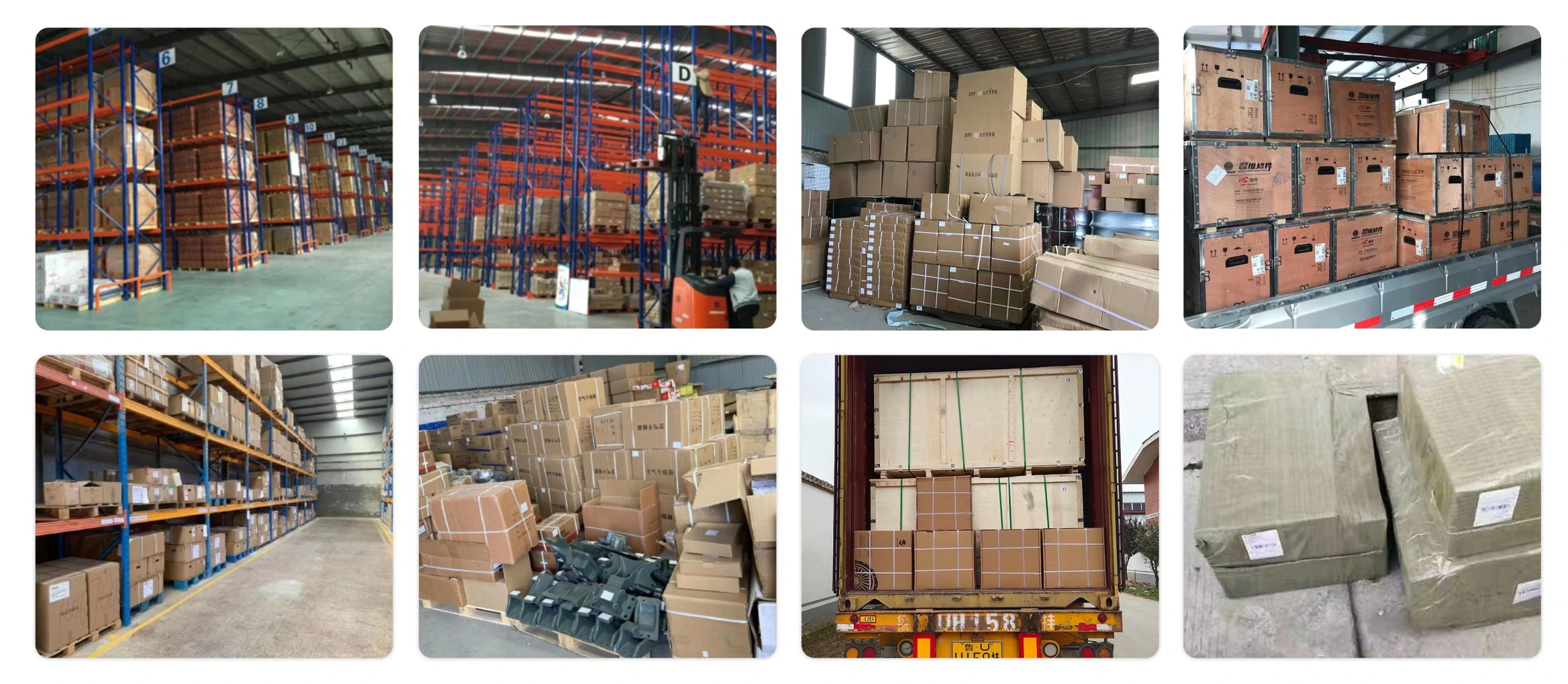
Embalagem e Logística
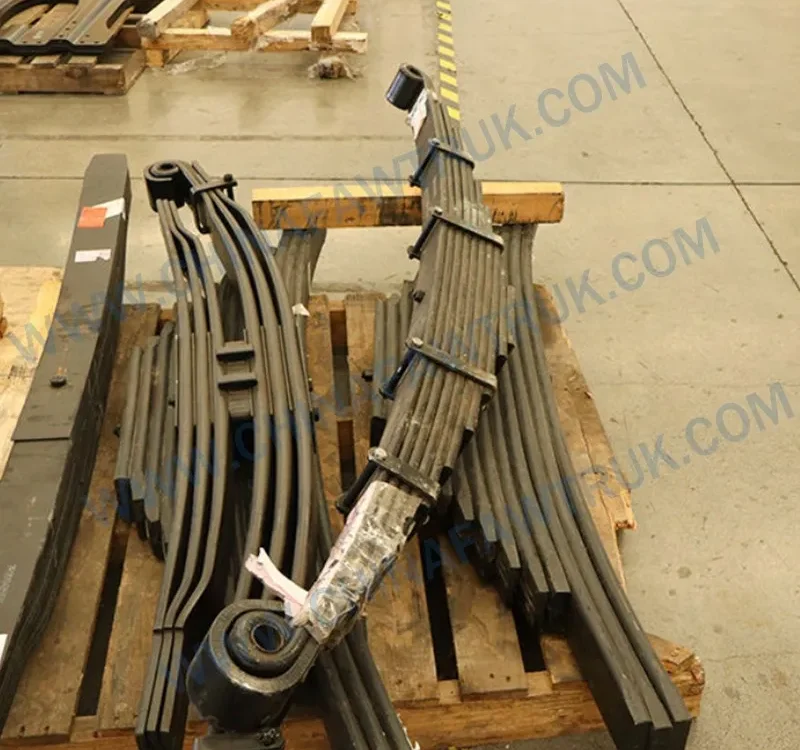
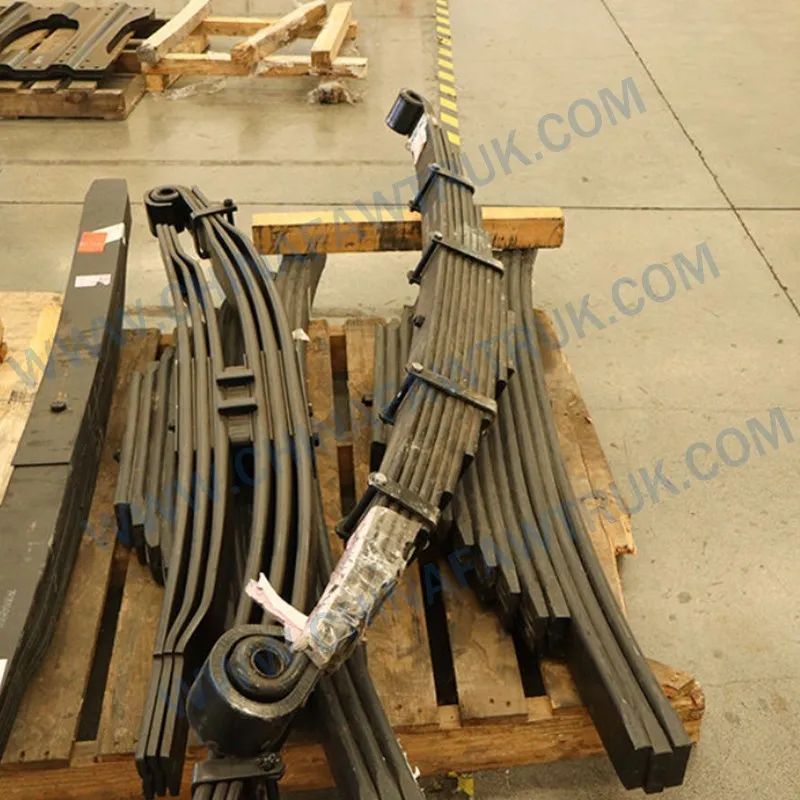
Peças FAW, incluindo o conjunto do bloco de cilindros, são embalados com cuidado para garantir uma entrega segura. Cada componente é protegido por materiais de proteção para evitar danos durante o transporte. A rede logística garante envios pontuais em todo o mundo, apoiando operações de manutenção eficientes. Abaixo está uma imagem ilustrando a embalagem padrão para peças de caminhão FAW, mostrando a atenção aos detalhes no manuseio e armazenamento.
Esta abordagem de embalagem minimiza o risco de corrosão ou danos por impacto, garantindo que peças como o conjunto do bloco de cilindros FAW cheguem em perfeitas condições. Os clientes podem confiar na logística da FAW para obter qualidade e confiabilidade consistentes.