por 


Bienvenidos a esta deconstrucción técnica definitiva del Culata FAW J6P, la pieza central de fundición útil para el motor que impulsa el FAW Jiefang CA3250P66K2L1T1E 6×4 camión volquete diésel.
Este no es el montaje *completo*, pero el “cabeza desnuda” sí mismo (N/P 1003011A59D / 1003011-59D)—la pieza fundida más compleja del tren motriz.
El “lógica” del Culata FAW J6P es ser el “sala de control” de combustión. Debe realizar tres tareas críticas: soportar inmensos calor y presión, gestionar todo el motor “respiración” (flujo de aire), y servir como un intercambiador de calor complejo.

El “lógica de diseño” de este específico Culata FAW J6P se centra en la durabilidad y, lo más importante, “utilidad.” Este grupo de componentes es lo que usaría un taller de máquinas de motores para reconstruir una cabeza.. Incluye el reemplazable “tener puesto” Elementos que se ajustan a presión en la fundición principal., como las guías de válvula y los asientos de válvula. Una grieta o deformación en la tubería principal. Culata FAW J6P La fundición es una de las fallas más graves del motor., ya que permite refrigerante, aceite, y gases de combustión para mezclar, conduciendo a un fracaso catastrófico. Por lo tanto, comprender sus componentes reparables es esencial para cualquier mantenimiento de flota a largo plazo..
Esta guía de expertos es un recurso esencial para los reconstructores de motores., tecnicos de taller mecanico, y gerentes de repuestos. Deconstruiremos todo este grupo tipográfico de 10 componentes en sus cuatro principales “lógica” sistemas: el “Fundición principal & Freno” Lógica (la cabeza desnuda misma), el “Interfaz del tren de válvulas” Lógica (las guías y asientos reemplazables), el critico “Sellado del inyector” Lógica (manguitos de cobre y juntas tóricas), y el “Sellado de fundición” Lógica (los distintos enchufes que componen el Culata FAW J6P estanco al fluido de fundición).
Este componente es la base estructural de todo este grupo.. Todas las demás piezas están instaladas *en* ésta..
1. Componente: «Culata’ (1003011A59D / 1003011-59D)
Este es el principal Culata FAW J6P fundición. La lista de piezas muestra dos números de pieza distintos., y el “lógica” se indica explícitamente: uno (1003011A59D) es para camiones “con freno de motor,” y el otro (1003011-59D) es para camiones “sin freno motor.” Esta es una distinción crítica. El “Lógica del freno del motor” del 'A59D’ parte significa que el casting tiene complejos, galerías de petróleo adicionales perforadas profundamente en él. Estos pasajes están diseñados para dirigir el aceite del motor a alta presión al freno del motor. (o “jake freno”) sistema, que está alojado en el conjunto de balancines de arriba. El “sin freno” Culata FAW J6P Carece de estos pasajes y es más simple., y por lo tanto diferente, fundición.
Ambas versiones comparten lo mismo. “lógica de fundición,” siendo lanzado desde una alta resistencia, aleación de hierro estable a la temperatura. Su “lógica térmica” es el intrincado “chaqueta de agua”—un complejo, Pasaje interno en forma de red que permite que el refrigerante circule agresivamente alrededor de las dos áreas más calientes.: los asientos de las válvulas de escape y los orificios de los inyectores de combustible. Esto evita que Culata FAW J6P por deformaciones o grietas bajo carga extrema. El “lógica de flujo de aire” de esto Culata FAW J6P está en sus puertos de admisión y escape de fundición de precisión, que están moldeados para optimizar el aire “remolino” para una limpieza, potente combustión.
Este grupo representa el núcleo “lógica de servicio” del Culata FAW J6P. Estos son los “tener puesto” superficies para el tren de válvulas, y están diseñados para ser reemplazables.
1. Componente: 'Guía de válvulas’ (1003014-29D)
La lista pide 24 guías (compensación 8), uno para cada uno de los 24 válvula (12 consumo, 12 escape). El “lógica” de una “guía de válvulas’ es ser reemplazable, manguito de baja fricción. El Culata FAW J6P la fundición es de hierro, pero colocar un vástago de válvula endurecido directamente en el hierro provocaría un desgaste rápido. En cambio, estas guías (a menudo hecho de una aleación de bronce o de un compuesto de hierro diferente) son “ajuste a presión” en la cabeza. Su “lógica de precisión” es mantener la válvula en perfecta alineación, permitiendo que se selle correctamente contra el asiento.. Cuando estos se desgastan, pueden ser “apretado” fuera y reemplazado, restaurando el Culata FAW J6P a “como nuevo” condición.
2. Componentes: 'Asiento de válvula de admisión’ (1003012-36D) & 'Asiento de válvula de escape’ (1003013-36D)
Este es el “Lógica de sellado de combustión.” Las válvulas deben sellar contra una superficie perfectamente redonda., superficie increíblemente dura. El hierro fundido de la Culata FAW J6P es demasiado suave para esto. El “lógica” Aquí se trata de encajar a presión dos tipos diferentes de "asientos de válvula".’ (compensación 9 & 10) en la cabeza. El 'asiento de la válvula de escape’ (compensación 9) está hecho de una muy dura, aleación de acero de alta temperatura (como estelita) para soportar gases de escape sobrecalentados. El 'asiento de la válvula de admisión’ (compensación 10) también es acero endurecido, pero con propiedades diferentes ya que es enfriado por el aire de admisión. Su “lógica de servicio” es que ellos son los “sacrificatorio” parte; se pueden volver a moler (a “trabajo de válvula”) varias veces, y si se desgastan demasiado, se pueden mecanizar y reemplazar, que salva todo Culata FAW J6P fundición de ser desechada.
el de este grupo “lógica” es crear un perfecto, “doble sello” para los inyectores de combustible de alta presión. Esta es una tarea crítica en un diésel moderno., sellando tanto la combustión *dentro* como los fluidos *fuera*.
1. Componente: 'Manguito de cobre del inyector’ (1003016-29D)
La lista pide 6 mangas (compensación 4), uno para cada inyector. Este componente “lógica” es “sellado de combustión” y “transferencia de calor.” Este manguito se presiona en la parte inferior del orificio del inyector en el Culata FAW J6P. El “lógica de cobre” es que el cobre es blando, metal maleable. Crea un perfecto “aplastar” sello contra la punta del inyector, previniendo el 2500+ PSI de escape de gas de combustión. También actúa como un elemento vital “disipador de calor,” alejando el calor *lejos* de la delicada punta del inyector y transfiriéndolo al refrigerante en el Culata FAW J6Pchaqueta de agua. Este sistema de doble sello es el sello distintivo de una empresa robusta., Diseño moderno de motor diesel..
2. Componente: 'Junta tórica’ (1003018-29D)
La lista pide 6 juntas tóricas (compensación 3). Este es el “lógica de sellado de fluidos.” Estas juntas tóricas se colocan en una ranura más arriba en el inyector o en la manga del inyector.. Su “lógica” es para prevenir fluidos (combustible de la cocina de retorno o aceite del tren de válvulas) por fugas *fuera* del motor, y para evitar que el refrigerante se filtre *hacia* el orificio del inyector. Un fallo del manguito de cobre. (compensación 4) Provoca combustión en el refrigerante.; un fallo de la junta tórica (compensación 3) provoca que haya combustible en el aceite o una fuga externa. Ambos son sellos críticos para el Culata FAW J6P.
Este grupo final “lógica” es simple: para tapar los agujeros dejados por el proceso de fabricación. Un casting complejo como un Culata FAW J6P no se puede hacer sin numerosos orificios de acceso.
Componentes: 'Tapón de taza’ (Q72240, Q72232, Q72222, Q7226)
Estos componentes se conocen comúnmente como “tapones de congelación” o “tapones centrales.” Su “lógica” es sellar el grande, agujeros circulares en el Culata FAW J6P fundición. Estos agujeros son una parte esencial del “fundición en arena” proceso, ya que se utilizan para quitar la arena interna “centro” que forma la forma compleja de la camisa de agua. después del casting, Estos tapones se martillan o presionan para crear una conexión permanente., Sello hermético para el sistema de refrigeración..
La lista de piezas muestra una gran cantidad. (1 + 1 + 6 + 16 = 24 enchufes totales) de varios tamaños, lo que demuestra la extrema complejidad de los conductos internos del refrigerante.. Tenga en cuenta que, Al igual que la cabeza en sí, hay un 'tapón de taza' específico’ (compensación 5, Q72232) designado para el “freno de motor” versión. Este “lógica de freno” implica que se usa para sellar un orificio de acceso específico que fue perforado para la galería de aceite del freno del motor, un agujero que no existe en la versión sin freno del Culata FAW J6P.
La siguiente tabla proporciona la información completa, desglose detallado de todos 10 tipos de componentes reparables identificados en este Culata FAW J6P grupo para el FAW Jiefang CA3250P66K2L1T1E 6×4 camión volcado.
| Marca | Número de pieza. | Nombre de la pieza | Cantidad |
|---|---|---|---|
| 1 | 1003011A59D (1003011-630-000z) 1003011-59D (1003011B630-000Z) | culata (con freno de motor) culata (sin freno motor) | 1 1 |
| 2 | Q72240 | Tapón | 1 |
| 3 | 1003018-29D (1003018C29D) | junta tórica | 6 |
| 4 | 1003016-29D (1003016A29D) | Manguito de cobre del inyector | 6 |
| 5 | Q72232 | Tapón (para freno de motor) | 1 |
| 6 | Q72222 | Tapón | 6 |
| 7 | Q7226 | Tapón | 16 |
| 8 | 1003014-29D (1003014M29D) | guía de válvula | 24 |
| 9 | 1003013-36D | Asiento de la válvula de escape | 12 |
| 10 | 1003012-36D | Asiento de válvula de admisión | 12 |
Las especificaciones para el desnudo. Culata FAW J6P se definen por su función como núcleo útil para el flujo de aire y la combustión..
| Solicitud de vehículo | FAW Jiefang CA3250P66K2L1T1E 6×4 Camión de la basura |
| Grupo de sistema | Culata FAW J6P (Desnudo, Útil) |
| Número de pieza de fundición principal. | 1003011A59D (con freno) / 1003011-59D (sin freno) |
| Lógica primaria | Gestión del flujo de aire (Puertos), Sellado de combustión, Gestión Térmica |
| Lógica de servicio del tren de válvulas | Guías de válvula reemplazables’ (1003014-29D) – Cantidad 24 |
| Lógica del sello de combustión | Admisión reemplazable’ (1003012-36D) & 'Escape’ (1003013-36D) «Asientos de válvulas’ |
| Sellado del inyector (Combustión) | 'Manguito de cobre del inyector’ (1003016-29D) – Cantidad 6 |
| Sellado del inyector (Líquido) | 'Junta tórica’ (1003018-29D) – Cantidad 6 |
| Lógica de sellado de fundición | 'Tapones’ (Serie Q722) – 24 total, para camisa refrigerante |
| Sistema asociado | Desnudo Culata FAW J6P Fundición |
piezas FAW, incluido el conjunto del bloque de cilindros, Se empaquetan con cuidado para garantizar una entrega segura.. Cada componente está asegurado con materiales protectores para evitar daños durante el transporte.. La red logística garantiza envíos puntuales en todo el mundo., apoyando operaciones de mantenimiento eficientes. A continuación se muestra una imagen que ilustra el embalaje estándar de las piezas de camiones FAW., mostrando la atención al detalle en el manejo y almacenamiento.
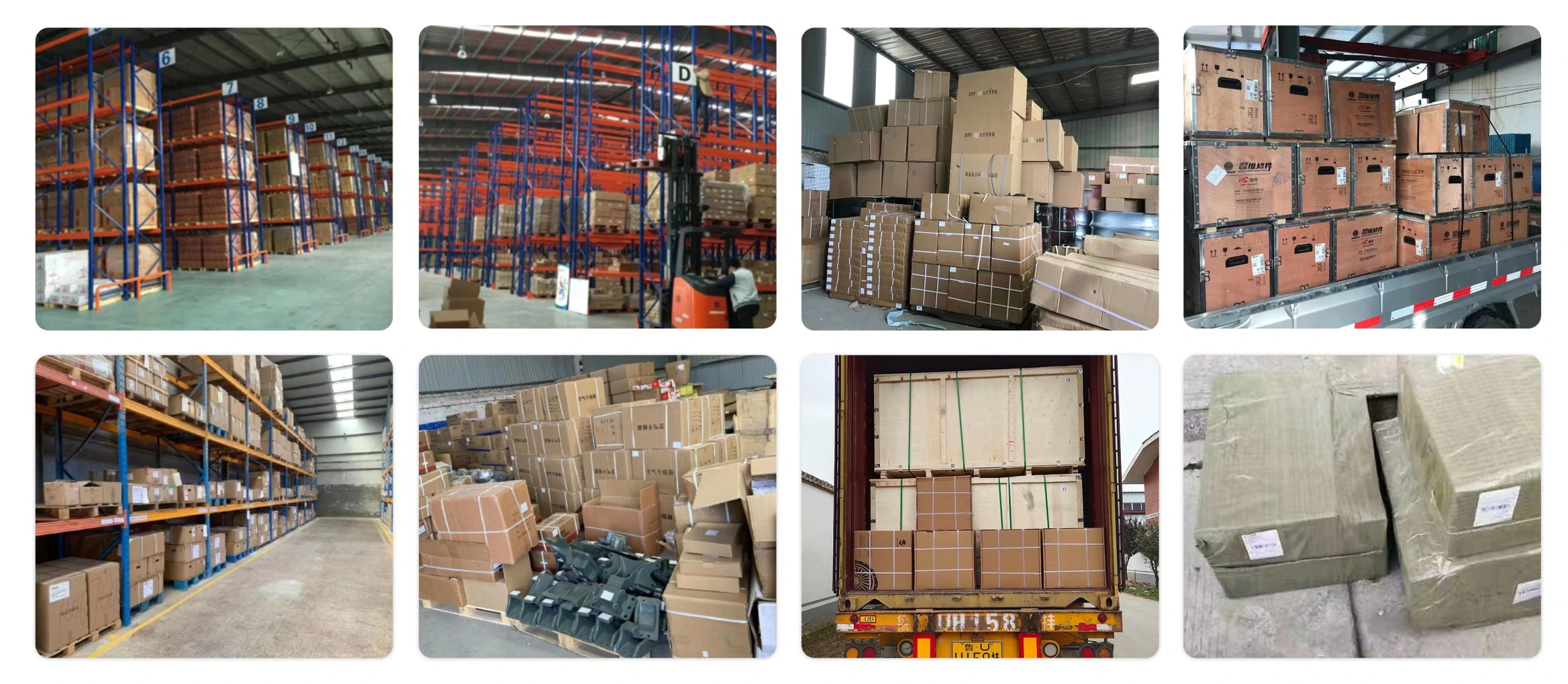
Este enfoque de embalaje minimiza el riesgo de corrosión o daños por impacto., asegurando que piezas como el conjunto de bloque de cilindros FAW lleguen en perfectas condiciones. Los clientes pueden confiar en la logística de FAW para obtener calidad y confiabilidad constantes.