por 


Bem-vindo a esta desconstrução técnica definitiva do Cabeça de cilindro FAW J6P, a peça principal utilizável para o motor que alimenta o FAW Jiefang CA3250P66K2L1T1E 6×4 caminhão basculante a diesel.
Esta não é a montagem *completa*, mas o “cabeça descoberta” em si (P/N 1003011A59D / 1003011-59D)—a peça fundida mais complexa do trem de força.
O “lógica” do Cabeça de cilindro FAW J6P é ser o “sala de controle” de combustão. Deve executar três tarefas críticas: suportar imenso calor e pressão, gerenciar todo o motor “respirando” (fluxo de ar), e servir como um trocador de calor complexo.

O “lógica de projeto” deste específico Cabeça de cilindro FAW J6P está centrado na durabilidade e, o mais importante, “facilidade de manutenção.” Este grupo de componentes é o que uma oficina mecânica de motores usaria para reconstruir um cabeçote. Inclui o substituível “vestir” itens que são ajustados à pressão na fundição principal, como as guias de válvula e sedes de válvula. Uma rachadura ou deformação no principal Cabeça de cilindro FAW J6P a fundição é uma das falhas de motor mais graves, pois permite refrigerante, óleo, e gases de combustão para misturar, levando a uma falha catastrófica. Compreender os seus componentes utilizáveis é, portanto, essencial para qualquer manutenção de frota a longo prazo..
Este guia especializado é um recurso essencial para reconstrutores de motores, técnicos de oficina mecânica, e gerentes de peças. Desconstruiremos todo esse grupo de tipo de 10 componentes em seus quatro principais “lógica” sistemas: o “Elenco Principal & Freio” Lógica (a própria cabeça descoberta), o “Interface do trem de válvulas” Lógica (as guias e assentos substituíveis), o crítico “Vedação do Injetor” Lógica (mangas de cobre e anéis de vedação), e o “Vedação de Fundição” Lógica (os vários plugues que fazem o Cabeça de cilindro FAW J6P fundição estanque a fluidos).
Este componente é a base estrutural de todo este grupo. Todas as outras peças são instaladas *nesta*.
1. Componente: ‘Cabeça do cilindro’ (1003011A59D / 1003011-59D)
Este é o principal Cabeça de cilindro FAW J6P fundição. A lista de peças mostra dois números de peças distintos, e o “lógica” é explicitamente declarado: um (1003011A59D) é para caminhões “com freio motor,” e o outro (1003011-59D) é para caminhões “sem freio motor.” Esta é uma distinção crítica. O “Lógica do Freio do Motor” do ‘A59D’ parte significa que o elenco tem complexidade, galerias de petróleo adicionais perfuradas profundamente nele. Essas passagens são projetadas para direcionar o óleo do motor de alta pressão para o freio do motor (ou “Jake Freio”) sistema, que está alojado no conjunto do balancim acima. O “sem freio” Cabeça de cilindro FAW J6P não possui essas passagens e é mais simples, e portanto diferente, fundição.
Ambas as versões compartilham o mesmo “lógica de fundição,” sendo lançado de uma alta resistência, liga de ferro estável à temperatura. Deles “lógica térmica” é o intricado “jaqueta de água”-um complexo, passagem interna em forma de teia que permite que o líquido refrigerante circule agressivamente em torno das duas áreas mais quentes: as sedes das válvulas de escape e os furos do injetor de combustível. Isto impede o Cabeça de cilindro FAW J6P de empenamento ou rachadura sob carga extrema. O “lógica de fluxo de ar” disso Cabeça de cilindro FAW J6P está em suas portas de admissão e escape fundidas com precisão, que são moldados para otimizar o ar “redemoinho” para uma limpeza, combustão poderosa.
Este grupo representa o núcleo “lógica de manutenção” do Cabeça de cilindro FAW J6P. Estes são os “vestir” superfícies para o trem de válvulas, e eles são projetados para serem substituíveis.
1. Componente: ‘Guia de válvula’ (1003014-29D)
A lista pede 24 guias (Comp. 8), um para cada um dos 24 válvulas (12 ingestão, 12 escape). O “lógica” de um ‘Guia de válvula’ é ser um substituível, manga de baixa fricção. O Cabeça de cilindro FAW J6P fundição é ferro, mas colocar uma haste de válvula endurecida diretamente no ferro causaria desgaste rápido. Em vez de, esses guias (muitas vezes feito de uma liga de bronze ou de um composto de ferro diferente) são “ajuste à pressão” na cabeça. Deles “lógica de precisão” é manter a válvula em perfeito alinhamento, permitindo que ele sele corretamente contra o assento. Quando estes se desgastam, eles podem ser “pressionado” fora e substituído, restaurando o Cabeça de cilindro FAW J6P para “como novo” doença.
2. Componentes: 'Sede da válvula de admissão’ (1003012-36D) & 'Sede da válvula de escape’ (1003013-36D)
Este é o “Lógica de vedação de combustão.” As válvulas devem vedar contra uma superfície perfeitamente redonda, superfície incrivelmente dura. O ferro fundido do Cabeça de cilindro FAW J6P é muito mole para isso. O “lógica” aqui é encaixar à pressão dois tipos diferentes de 'assentos de válvula’ (Comp. 9 & 10) na cabeça. A ‘Sede da válvula de escape’ (Comp. 9) é feito de um material muito duro, liga de aço de alta temperatura (como Stellite) para suportar gases de escape superaquecidos. A ‘Sede da válvula de admissão’ (Comp. 10) também é aço temperado, mas com propriedades diferentes, pois é resfriado pelo ar de admissão. Deles “lógica de serviço” é que eles são os “sacrificial” papel; eles podem ser re-aterrados (a “trabalho de válvula”) várias vezes, e se eles usam muito, eles podem ser usinados e substituídos, que salva todo Cabeça de cilindro FAW J6P fundição de ser sucateada.
Este grupo “lógica” é criar um perfeito, “selo duplo” para os injetores de combustível de alta pressão. Esta é uma tarefa crítica em um diesel moderno, vedando a combustão *dentro* e fluidos *fora*.
1. Componente: 'Manga de cobre do injetor’ (1003016-29D)
A lista pede 6 mangas (Comp. 4), um para cada injetor. Este componente “lógica” é “vedação de combustão” e “transferência de calor.” Esta luva é pressionada na parte inferior do orifício do injetor no Cabeça de cilindro FAW J6P. O “lógica de cobre” é que o cobre é um material macio, metal maleável. Isso cria um perfeito “crush” vedação contra a ponta do injetor, impedindo o 2500+ PSI de gás de combustão escapando. Também atua como um elemento vital “dissipador de calor,” puxando o calor *para longe* da delicada ponta do injetor e transferindo-o para o refrigerante no Cabeça de cilindro FAW J6Pjaqueta de água. Este sistema de vedação dupla é uma marca registrada de um robusto, design moderno de motor diesel.
2. Componente: ‘Anel de vedação’ (1003018-29D)
A lista pede 6 Anéis de vedação (Comp. 3). Este é o “lógica de vedação de fluidos.” Esses anéis de vedação ficam em uma ranhura mais acima no injetor ou na luva do injetor. Deles “lógica” é evitar fluidos (combustível da cozinha de retorno ou óleo do trem de válvulas) de vazar *para fora* do motor, e para evitar que o líquido refrigerante vaze *para dentro* do orifício do injetor. Uma falha na manga de cobre (Comp. 4) leva à combustão no refrigerante; uma falha do O-ring (Comp. 3) leva ao combustível no óleo ou a um vazamento externo. Ambos são selos críticos para o Cabeça de cilindro FAW J6P.
Este grupo final “lógica” é simples: para tapar os buracos deixados pelo processo de fabricação. Um elenco complexo como um Cabeça de cilindro FAW J6P não pode ser feito sem numerosos orifícios de acesso.
Componentes: 'Plugue de tigela’ (Q72240, Q72232, Q72222, Q7226)
Esses componentes são comumente conhecidos como “plugues de congelamento” ou “plugues principais.” Deles “lógica” é selar o grande, furos circulares no Cabeça de cilindro FAW J6P fundição. Esses buracos são uma parte essencial do “fundição em areia” processo, pois são usados para remover a areia interna “essencial” que forma a forma complexa da camisa de água. Depois de lançar, esses plugues são martelados ou pressionados para criar um permanente, vedação estanque para o sistema de refrigeração.
A lista de peças mostra uma grande quantidade (1 + 1 + 6 + 16 = 24 plugues totais) de vários tamanhos, o que demonstra a extrema complexidade das passagens internas de refrigeração. Observe que, assim como a cabeça lançando-se, existe um 'plugue de tigela específico’ (Comp. 5, Q72232) designado para o “freio motor” versão. Esse “lógica de freio” implica que é usado para vedar um orifício de acesso específico que foi perfurado para a galeria de óleo do freio motor, um buraco que não existe na versão sem freio do Cabeça de cilindro FAW J6P.
A tabela a seguir fornece o completo, detalhamento de todos 10 tipos de componentes utilizáveis identificados neste Cabeça de cilindro FAW J6P grupo para o FAW Jiefang CA3250P66K2L1T1E 6×4 caminhão despejando.
| Marca | Parte não. | Nome da peça | Quantidade |
|---|---|---|---|
| 1 | 1003011A59D (1003011-630-000Z) 1003011-59D (1003011B630-000Z) | Cabeça do cilindro (com freio motor) Cabeça do cilindro (sem freio motor) | 1 1 |
| 2 | Q72240 | Plugue da tigela | 1 |
| 3 | 1003018-29D (1003018C29D) | Anel-O | 6 |
| 4 | 1003016-29D (1003016A29D) | Manga de cobre do injetor | 6 |
| 5 | Q72232 | Plugue da tigela (para freio motor) | 1 |
| 6 | Q72222 | Plugue da tigela | 6 |
| 7 | Q7226 | Plugue da tigela | 16 |
| 8 | 1003014-29D (1003014M29D) | Guia de válvula | 24 |
| 9 | 1003013-36D | Assento da válvula de escape | 12 |
| 10 | 1003012-36D | Assento da válvula de admissão | 12 |
As especificações para o nu Cabeça de cilindro FAW J6P são definidos por sua função como núcleo utilizável para fluxo de ar e combustão.
| Aplicação em veículos | FAW Jiefang CA3250P66K2L1T1E 6×4 Caminhão basculante |
| Grupo de sistemas | Cabeça de cilindro FAW J6P (Nu, Pode ser reparado) |
| Número da peça principal da peça fundida. | 1003011A59D (com freio) / 1003011-59D (sem freio) |
| Lógica Primária | Gerenciamento de fluxo de ar (Portas), Vedação de Combustão, Gestão Térmica |
| Lógica de serviço Valvetrain | ‘Guias de válvula substituíveis’ (1003014-29D) – Quantidade 24 |
| Lógica de vedação de combustão | ‘Ingestão substituível’ (1003012-36D) & 'Escape’ (1003013-36D) ‘Assentos de válvula’ |
| Vedação do Injetor (Combustão) | 'Manga de cobre do injetor’ (1003016-29D) – Quantidade 6 |
| Vedação do Injetor (Fluido) | ‘Anel de vedação’ (1003018-29D) – Quantidade 6 |
| Lógica de vedação de fundição | ‘Tampões de tigela’ (Série Q722) – 24 total, para jaqueta de refrigeração |
| Sistema Associado | Nu Cabeça de cilindro FAW J6P Fundição |
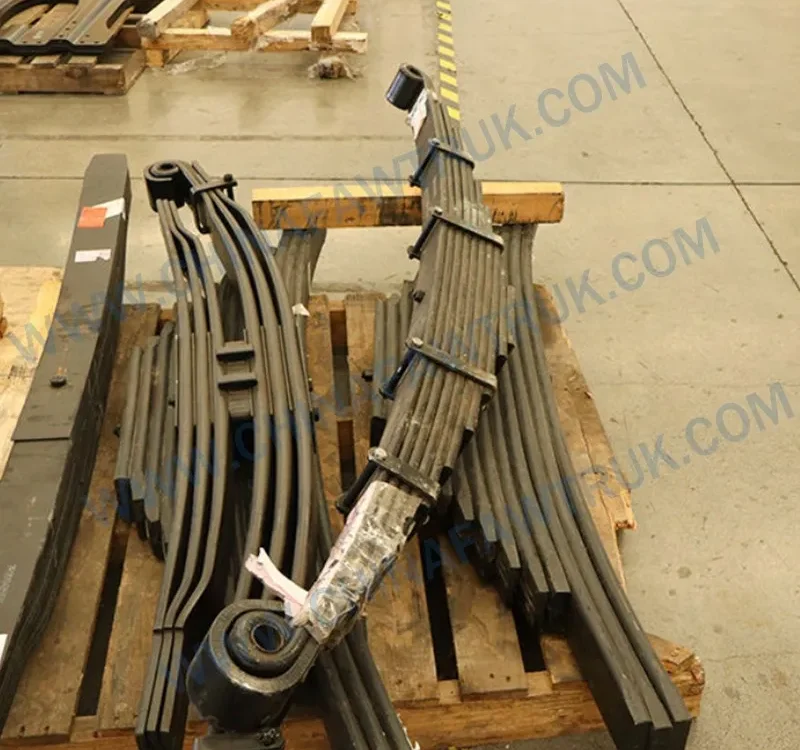
Peças FAW, incluindo o conjunto do bloco de cilindros, são embalados com cuidado para garantir uma entrega segura. Cada componente é protegido por materiais de proteção para evitar danos durante o transporte. A rede logística garante envios pontuais em todo o mundo, apoiando operações de manutenção eficientes. Abaixo está uma imagem ilustrando a embalagem padrão para peças de caminhão FAW, mostrando a atenção aos detalhes no manuseio e armazenamento.
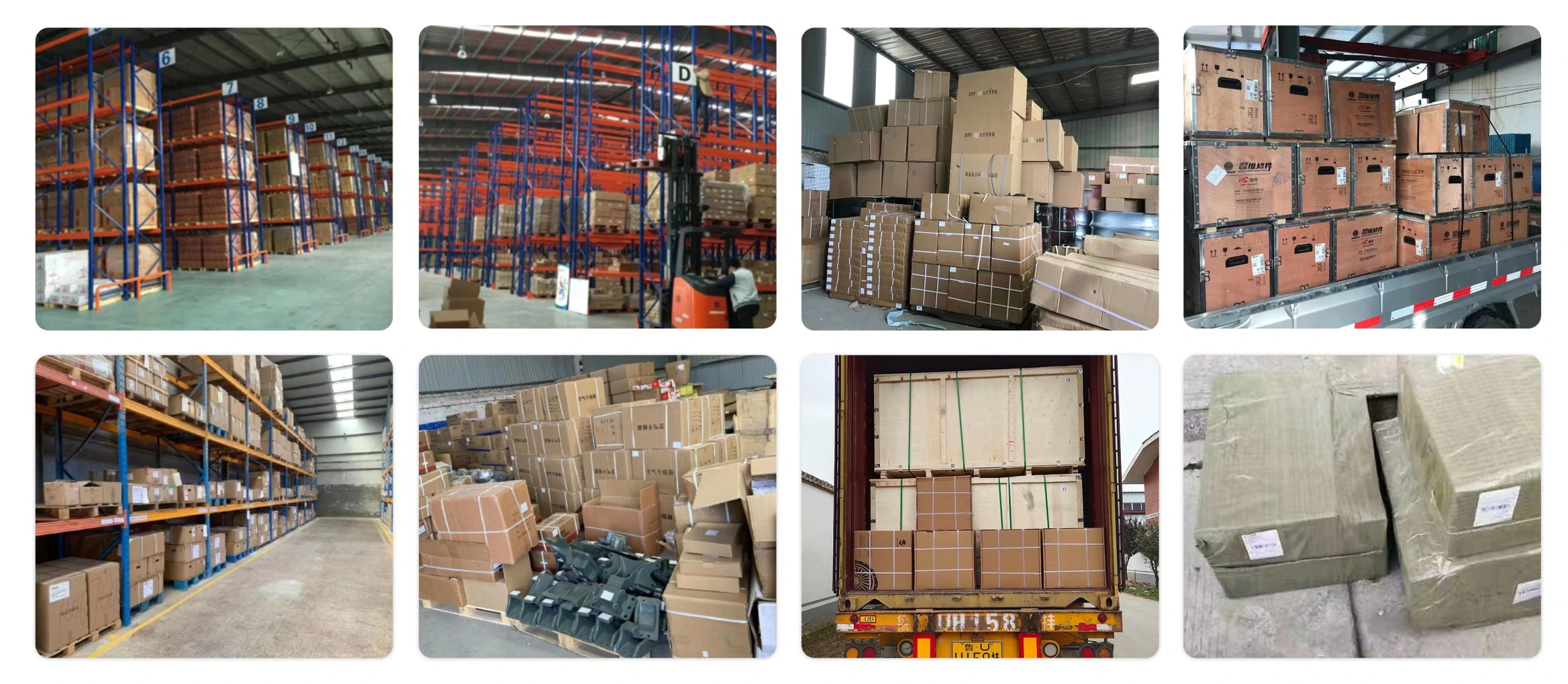
Esta abordagem de embalagem minimiza o risco de corrosão ou danos por impacto, garantindo que peças como o conjunto do bloco de cilindros FAW cheguem em perfeitas condições. Os clientes podem confiar na logística da FAW para obter qualidade e confiabilidade consistentes.