by 


Welcome to this expert deconstruction of the FAW J6P Oil Sump (Collector) assembly (P/N 1010010-36D). This is the engine’s “heartbeat” for the FAW Jiefang CA3250P66K2L1T1E 6×4 dump truck.
This component is often mistaken for the main oil pan, but it is the critical, internal “pickup tube” assembly that sits *inside* the pan.
Its “logic” is to be the single, reliable intake port that “collects” oil from the FAW J6P Oil Sump (the pan) and delivers it, free of debris, to the high-pressure oil pump.

The “Positional Logic” of this FAW J6P Oil Sump (Collector) is its most important feature. In a heavy-duty dump truck, the vehicle operates on extreme inclines, declines, and severe side-tilts. This causes the 20L+ of oil in the main oil pan to “slosh” violently. If this pickup tube sucks air for even a single second, the oil pump “cavitates” (loses its prime), and oil pressure drops to zero. This starves the turbocharger and crankshaft bearings of lubrication, leading to catastrophic engine failure. This component’s “logic” is to be precisely shaped and positioned at the absolute lowest point of the pan, where it is “fed” by the pan’s internal baffles, to ensure it *never* sucks air, regardless of the truck’s angle.
This technical guide is an essential resource for engine rebuilders, machine shop technicians, and fleet parts managers. We will deconstruct the entire 5-component-type group of the FAW J6P Oil Sump (Collector). We will analyze the “Filtration Logic” (the strainer net), the “Suction & Flow Logic” (the pipe and flange), the “Structural & Protection Logic” (the housing), and the “Vibration-Proof Fastener Logic” that holds this assembly securely to the engine.
This component is the “First Line of Defense” for the entire engine, located at the very start of the FAW J6P Oil Sump pickup system.
1. Component: ‘Strainer net – oil sump’ (1010016-29D)
This is the “Oil Pump Protection Logic.” It is critical to understand that this is a *strainer*, not a *filter*. Its “logic” is not to remove microscopic soot (that is the job of the main oil filter). Its logic is to stop “large” debris that would instantly destroy the oil pump’s high-precision gears. This includes pre-startup debris (like a piece of gasket), or catastrophic debris (like fragments from a failed bearing or piston skirt).
The “Mesh Logic” of this FAW J6P Oil Sump strainer is a critical balance. The mesh must be “fine” enough to stop these destructive particles, but “coarse” enough that it does *not* restrict oil flow, especially on a -20°C startup when the oil is thick as honey. A clogged or restrictive strainer is just as bad as a cracked one, as it will cause the oil pump to “cavitate” (suck air bubbles) and lead to oil starvation. This strainer is the gatekeeper for the entire lubrication system.
This group’s “logic” is to create a perfectly sealed, precision-placed “straw” that connects the strainer to the oil pump.
1. Component: ‘Suction pipe – oil sump’ (1010013-36D)
This is the “Positioning Logic.” The ‘Suction pipe’ is a pre-bent, rigid metal tube. Its “logic” is its exact shape. It is engineered to drop the strainer (Comp 1) into the absolute *lowest* part of the FAW J6P Oil Sump (pan), while simultaneously clearing the rotating crankshaft counterweights and any internal pan baffles. A pipe that is even 1cm too high could lead to oil starvation during hard braking.
Its “Integrity Logic” is also critical. If this pipe develops a pinhole crack (from vibration or impact from debris in the pan), it will create a “suction leak.” The oil pump will begin to suck air *with* the oil. This “aerated” (foamy) oil has zero lubrication properties and will rapidly destroy the engine’s main bearings. This is why the entire FAW J6P Oil Sump (Collector) assembly is built for durability.
2. Component: ‘Suction flange’ (1010012-36D)
This (Comp 1) is the “Sealing Interface Logic.” This flange is welded to the end of the ‘Suction pipe’. Its “logic” is to create a wide, flat, stable surface that can be bolted against the engine block or oil pump housing. A paper or O-ring gasket sits between this flange and the block. The “Clamping Logic” of the two bolts (Comp 2) on this flange is what creates the airtight seal. A failed gasket or loose bolt here is just as catastrophic as a cracked pipe, leading to air suction and engine failure.
This component’s “logic” is to provide rigidity and protection to the two more “fragile” components: the pipe and the strainer.
1. Component: ‘Housing – oil sump’ (1010014-29D)
This (Comp 1) is the “Rigidity & Protection Logic.” The ‘Suction pipe’ (Comp 1) and ‘Strainer net’ (Comp 1) are susceptible to vibration and impact. This ‘Housing’ is a stamped steel “cage” or “shroud” that surrounds the strainer and is welded to the pipe.
Its “logic” is threefold: 1) It provides “Structural Rigidity,” acting as a brace to prevent the pipe from vibrating and developing a fatigue crack. 2) It is a “Protection Shield,” preventing any large, heavy debris that might be in the main FAW J6P Oil Sump (e.g., a broken bolt) from slamming into and puncturing the fine strainer net. 3) It acts as a “Secondary Baffle,” helping to control oil slosh and keep a “pool” of oil around the strainer net at all times. This housing is what makes the FAW J6P Oil Sump (Collector) a truly heavy-duty component.
This final component’s “logic” is to provide a secure, vibration-proof clamp that guarantees the “Sealing Interface Logic” of the flange.
1. Component: ‘Hexagon flange bolt’ (Q1840830)
The list calls for two (2) of these bolts (Comp 2). This is the “Vibration-Proof Clamping Logic.” These two bolts are the only things holding the entire FAW J6P Oil Sump (Collector) assembly to the engine block.
The “Flange Logic” of these bolts is critical. The “flange” is a built-in, non-rotating washer. This “logic” provides two benefits: 1) It distributes the clamping force over a wide area of the ‘Suction flange’ (Comp 1), ensuring the gasket is crushed evenly. 2) It is “vibration-resistant.” The flange head has a larger friction surface against the part, making it far less likely to “walk” loose from engine harmonics. A loose bolt here means a failed gasket, an air leak, and a destroyed engine.
The following table provides the complete, detailed breakdown of all 5 component types identified in this FAW J6P Oil Sump (Collector) assembly for the FAW Jiefang CA3250P66K2L1T1E 6×4 dump truck.
| Mark | Part No. | Part Name | Quantity |
|---|---|---|---|
| 1 | 1010010-36D 1010012-36D 1010013-36D 1010014-29D 1010016-29D |
Oil sump assy Suction flange Suction pipe – oil sump Housing – oil sump Strainer net – oil sump |
1 1 1 1 1 |
| 2 | Q1840830 | Hexagon flange bolt | 2 |
The specifications for the FAW J6P Oil Sump (Collector) are defined by its function as the primary pickup for the engine’s lubrication system.
| Vehicle Application | FAW Jiefang CA3250P66K2L1T1E 6×4 Dump Truck |
| System Group | FAW J6P Oil Sump (Collector) Assembly |
| Main Assembly P/N | 1010010-36D |
| Primary Logic | Oil Pickup (Suction) & Debris Straining |
| Secondary Logic | Oil Pump Cavitation Prevention, Anti-Surge |
| Filtration Component | ‘Strainer net – oil sump’ (1010016-29D) | Note:
| Flow Component | ‘Suction pipe – oil sump’ (1010013-36D) |
| Sealing Interface | ‘Suction flange’ (1010012-36D) |
| Protection Component | ‘Housing – oil sump’ (1010014-29D) |
| Fastener System | ‘Hexagon flange bolt’ (Q1840830) – Qty 2 |
| Location | Internal; Mounts to Engine Block, Submerged in main FAW J6P Oil Sump (Pan) |
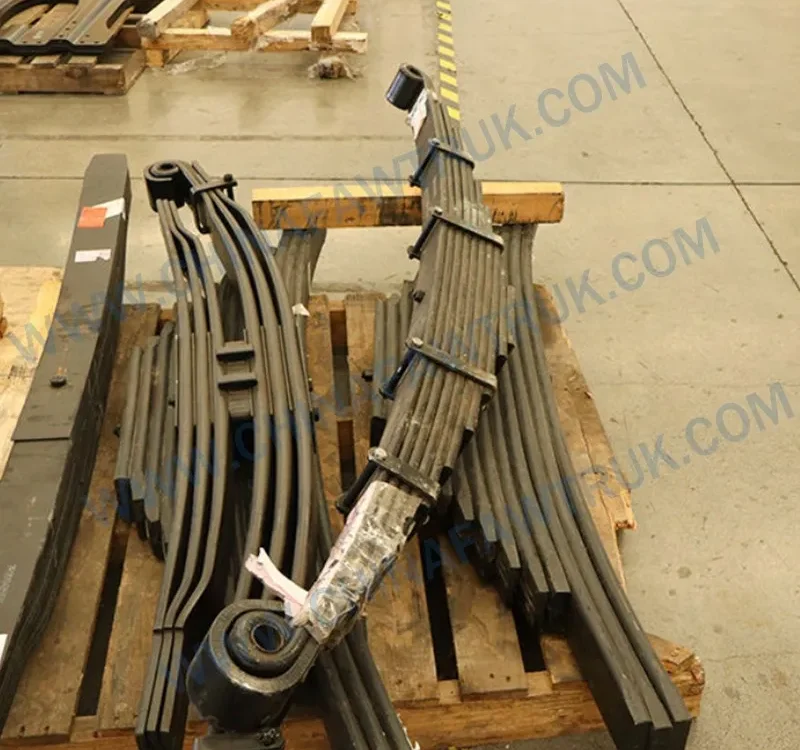
FAW parts, including the Cylinder Block Assembly, are packaged with care to ensure safe delivery. Each component is secured in protective materials to prevent damage during transit. The logistics network guarantees timely shipments worldwide, supporting efficient maintenance operations. Below is an image illustrating the standard packaging for FAW truck parts, showcasing the attention to detail in handling and storage.
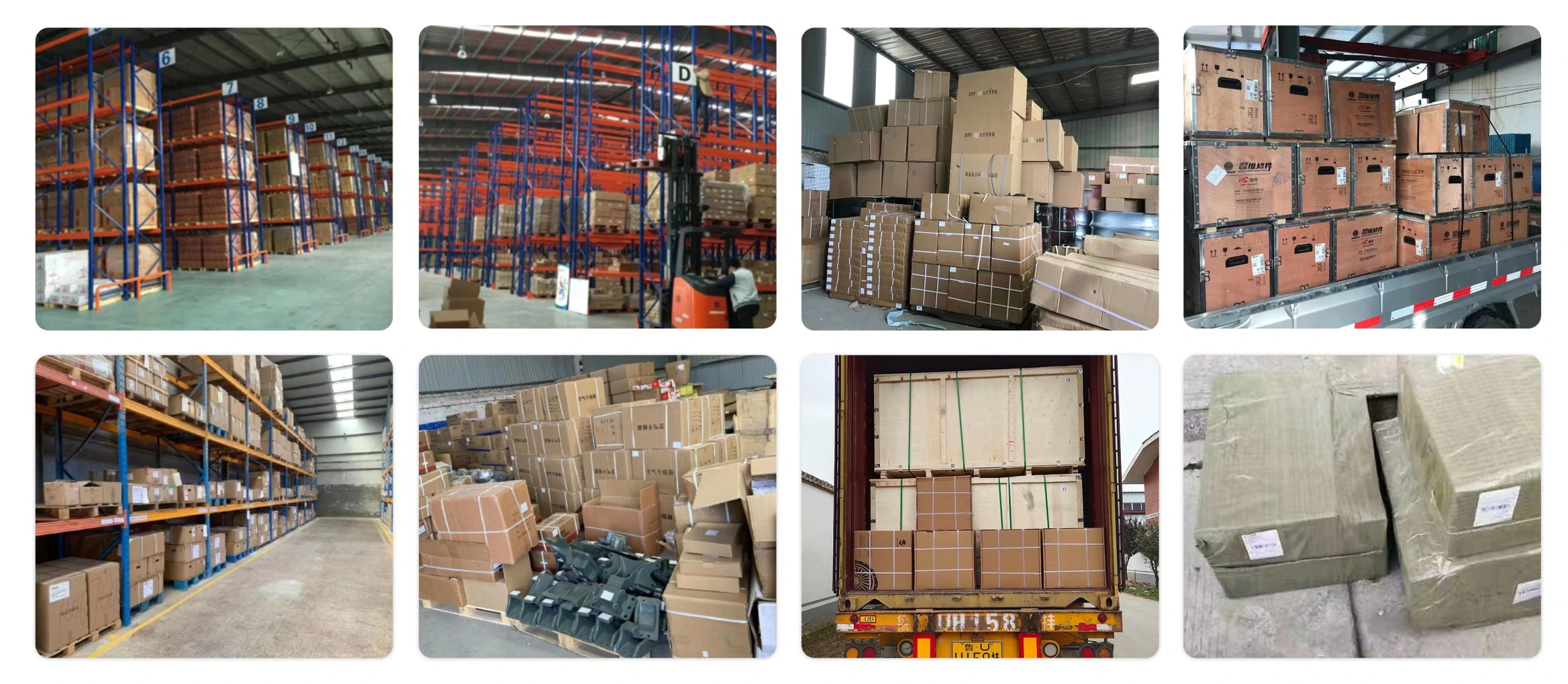
This packaging approach minimizes the risk of corrosion or impact damage, ensuring that parts like the FAW Cylinder Block Assembly arrive in perfect condition. Customers can rely on FAW’s logistics for consistent quality and reliability.