por 


Bem-vindo a esta desconstrução especializada do Cárter de óleo FAW J6P (Coletor) conjunto (P/N 1010010-36D). Este é o motor “batimento cardíaco” para o FAW Jiefang CA3250P66K2L1T1E 6×4 caminhão despejando.
Este componente é frequentemente confundido com o cárter principal, mas é o crítico, interno “tubo captador” conjunto que fica *dentro* da panela.
Isso é “lógica” é ser o único, porta de entrada confiável que “coleta” óleo do Cárter de óleo FAW J6P (a panela) e entrega, livre de detritos, para a bomba de óleo de alta pressão.

O “Lógica Posicional” disso Cárter de óleo FAW J6P (Coletor) é sua característica mais importante. Em um caminhão basculante pesado, o veículo opera em inclinações extremas, recusa, e inclinações laterais severas. Isso faz com que os 20L+ de óleo no cárter principal “respingar” violentamente. Se este tubo captador sugar ar por um único segundo, a bomba de óleo “cavidades” (perde o seu auge), e a pressão do óleo cai para zero. Isso priva o turbocompressor e os rolamentos do virabrequim de lubrificação, levando a uma falha catastrófica do motor. Este componente “lógica” deve ser moldado com precisão e posicionado no ponto mais baixo da panela, onde está “alimentado” pelos defletores internos da panela, para garantir que *nunca* sugue o ar, independentemente do ângulo do caminhão.
Este guia técnico é um recurso essencial para reconstrutores de motores, técnicos de oficina mecânica, e gerentes de peças de frota. Desconstruiremos todo o grupo de 5 componentes do Cárter de óleo FAW J6P (Coletor). Iremos analisar o “Lógica de Filtragem” (a rede do filtro), o “Sucção & Lógica de Fluxo” (o tubo e o flange), o “Estrutural & Lógica de Proteção” (a habitação), e o “Lógica de fixadores à prova de vibração” que prende este conjunto firmemente ao motor.
Este componente é o “Primeira Linha de Defesa” para todo o motor, localizado bem no início do Cárter de óleo FAW J6P sistema de captação.
1. Componente: ‘Rede de filtro – cárter de óleo’ (1010016-29D)
Este é o “Lógica de proteção da bomba de óleo.” É fundamental entender que este é um *coador*, não é um *filtro*. Isso é “lógica” não é para remover fuligem microscópica (esse é o trabalho do filtro de óleo principal). Sua lógica é parar “grande” detritos que destruiriam instantaneamente as engrenagens de alta precisão da bomba de óleo. Isso inclui detritos pré-inicialização (como um pedaço de junta), ou detritos catastróficos (como fragmentos de um rolamento ou saia de pistão com defeito).
O “Lógica de malha” disso Cárter de óleo FAW J6P O filtro é um equilíbrio crítico. A malha deve ser “multar” o suficiente para parar essas partículas destrutivas, mas “grosseiro” o suficiente para *não* restringir o fluxo de óleo, especialmente em uma inicialização a -20°C quando o óleo é espesso como mel. Um filtro entupido ou restritivo é tão ruim quanto um filtro rachado, pois isso fará com que a bomba de óleo “cavidade” (sugar bolhas de ar) e levar à fome de petróleo. Este filtro é o guardião de todo o sistema de lubrificação.
Este grupo “lógica” é criar um perfeitamente selado, colocado com precisão “canudo” que conecta o filtro à bomba de óleo.
1. Componente: ‘Tubo de sucção – cárter de óleo’ (1010013-36D)
Este é o “Lógica de Posicionamento.” O ‘Tubo de sucção’ é um pré-dobrado, tubo de metal rígido. Isso é “lógica” é a sua forma exata. Ele é projetado para deixar cair o filtro (Comp. 1) na parte *mais baixa* absoluta do Cárter de óleo FAW J6P (frigideira), ao mesmo tempo em que limpa os contrapesos giratórios do virabrequim e quaisquer defletores internos da panela. Um tubo com 1 cm de altura a mais pode causar falta de óleo durante freadas bruscas.
Isso é “Lógica de Integridade” também é crítico. Se este tubo desenvolver uma rachadura (de vibração ou impacto de detritos na panela), isso criará um “vazamento de sucção.” A bomba de óleo começará a sugar ar *com* o óleo. Esse “arejado” (espumoso) o óleo não tem propriedades de lubrificação e destruirá rapidamente os rolamentos principais do motor. É por isso que todo Cárter de óleo FAW J6P (Coletor) a montagem é construída para durabilidade.
2. Componente: 'Flange de sucção’ (1010012-36D)
Esse (Comp. 1) é o “Lógica de interface de vedação.” Este flange é soldado na extremidade do ‘tubo de sucção’. Isso é “lógica” é criar uma ampla, plano, superfície estável que pode ser aparafusada ao bloco do motor ou à carcaça da bomba de óleo. Uma junta de papel ou anel de vedação fica entre este flange e o bloco. O “Lógica de fixação” dos dois parafusos (Comp. 2) neste flange é o que cria a vedação hermética. Uma junta com defeito ou um parafuso solto aqui é tão catastrófico quanto um tubo rachado, levando à sucção de ar e falha do motor.
Este componente “lógica” é fornecer rigidez e proteção aos dois mais “frágil” componentes: o tubo e o filtro.
1. Componente: ‘Habitação – cárter de óleo’ (1010014-29D)
Esse (Comp. 1) é o “Rigidez & Lógica de Proteção.” O ‘Tubo de sucção’ (Comp. 1) e 'Rede de filtro’ (Comp. 1) são suscetíveis a vibrações e impactos. Esta ‘Habitação’ é um aço estampado “jaula” ou “mortalha” que envolve o filtro e é soldado ao tubo.
Isso é “lógica” é triplo: 1) Fornece “Rigidez Estrutural,” agindo como um suporte para evitar que o tubo vibre e desenvolva uma rachadura por fadiga. 2) É um “Escudo de Proteção,” evitando qualquer grande, detritos pesados que podem estar no principal Cárter de óleo FAW J6P (Por exemplo, um parafuso quebrado) de bater e perfurar a rede fina do filtro. 3) Ele atua como um “Defletor Secundário,” ajudando a controlar o respingo de óleo e manter um “piscina” de óleo ao redor da rede do filtro em todos os momentos. Esta habitação é o que torna o Cárter de óleo FAW J6P (Coletor) um componente verdadeiramente resistente.
Este componente final “lógica” é fornecer um ambiente seguro, braçadeira à prova de vibração que garante a “Lógica de interface de vedação” da flange.
1. Componente: 'Parafuso de flange hexagonal’ (Q1840830)
A lista pede dois (2) desses parafusos (Comp. 2). Este é o “Lógica de fixação à prova de vibração.” Esses dois parafusos são as únicas coisas que seguram todo o Cárter de óleo FAW J6P (Coletor) montagem no bloco do motor.
O “Lógica de Flange” desses parafusos é crítico. O “mesa” é um embutido, arruela não rotativa. Esse “lógica” oferece dois benefícios: 1) Ele distribui a força de fixação por uma ampla área do 'flange de sucção’ (Comp. 1), garantindo que a junta seja esmagada uniformemente. 2) Isso é “resistente à vibração.” A cabeça do flange tem uma superfície de atrito maior contra a peça, tornando muito menos provável “andar” solto dos harmônicos do motor. Um parafuso solto aqui significa uma junta com defeito, um vazamento de ar, e um motor destruído.
A tabela a seguir fornece o completo, detalhamento de todos 5 tipos de componentes identificados neste Cárter de óleo FAW J6P (Coletor) montagem para o FAW Jiefang CA3250P66K2L1T1E 6×4 caminhão despejando.
| Marca | Parte não. | Nome da peça | Quantidade |
|---|---|---|---|
| 1 | 1010010-36D 1010012-36D 1010013-36D 1010014-29D 1010016-29D |
Conjunto do cárter de óleo Flange de sucção Tubo de sucção – cárter de óleo Habitação – cárter de óleo Rede de filtro – cárter de óleo |
1 1 1 1 1 |
| 2 | Q1840830 | Parafuso de flange hexagonal | 2 |
As especificações para o Cárter de óleo FAW J6P (Coletor) são definidos por sua função como captador primário do sistema de lubrificação do motor.
| Aplicação em veículos | FAW Jiefang CA3250P66K2L1T1E 6×4 Caminhão basculante |
| Grupo de sistemas | Cárter de óleo FAW J6P (Coletor) Conjunto |
| Conjunto principal P/N | 1010010-36D |
| Lógica Primária | Captação de óleo (Sucção) & Esforço de Detritos |
| Lógica Secundária | Prevenção de cavitação na bomba de óleo, Anti-surto |
| Componente de Filtragem | ‘Rede de filtro – cárter de óleo’ (1010016-29D) | Observação:
| Componente de fluxo | ‘Tubo de sucção – cárter de óleo’ (1010013-36D) |
| Interface de vedação | 'Flange de sucção’ (1010012-36D) |
| Componente de proteção | ‘Habitação – cárter de óleo’ (1010014-29D) |
| Sistema de fixação | 'Parafuso de flange hexagonal’ (Q1840830) – Quantidade 2 |
| Localização | Interno; Montado no bloco do motor, Submerso no principal Cárter de óleo FAW J6P (Frigideira) |
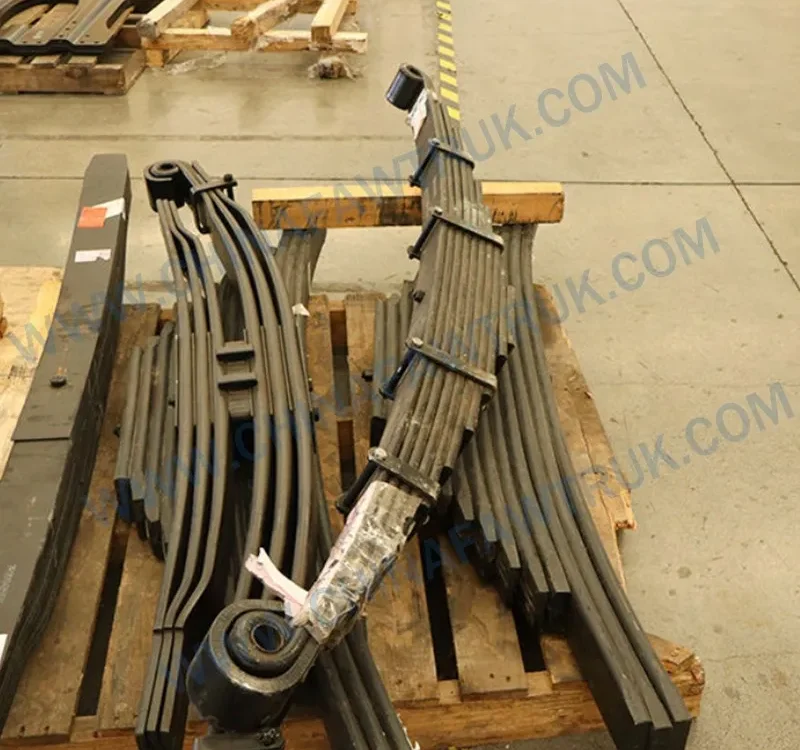
Peças FAW, incluindo o conjunto do bloco de cilindros, são embalados com cuidado para garantir uma entrega segura. Cada componente é protegido por materiais de proteção para evitar danos durante o transporte. A rede logística garante envios pontuais em todo o mundo, apoiando operações de manutenção eficientes. Abaixo está uma imagem ilustrando a embalagem padrão para peças de caminhão FAW, mostrando a atenção aos detalhes no manuseio e armazenamento.
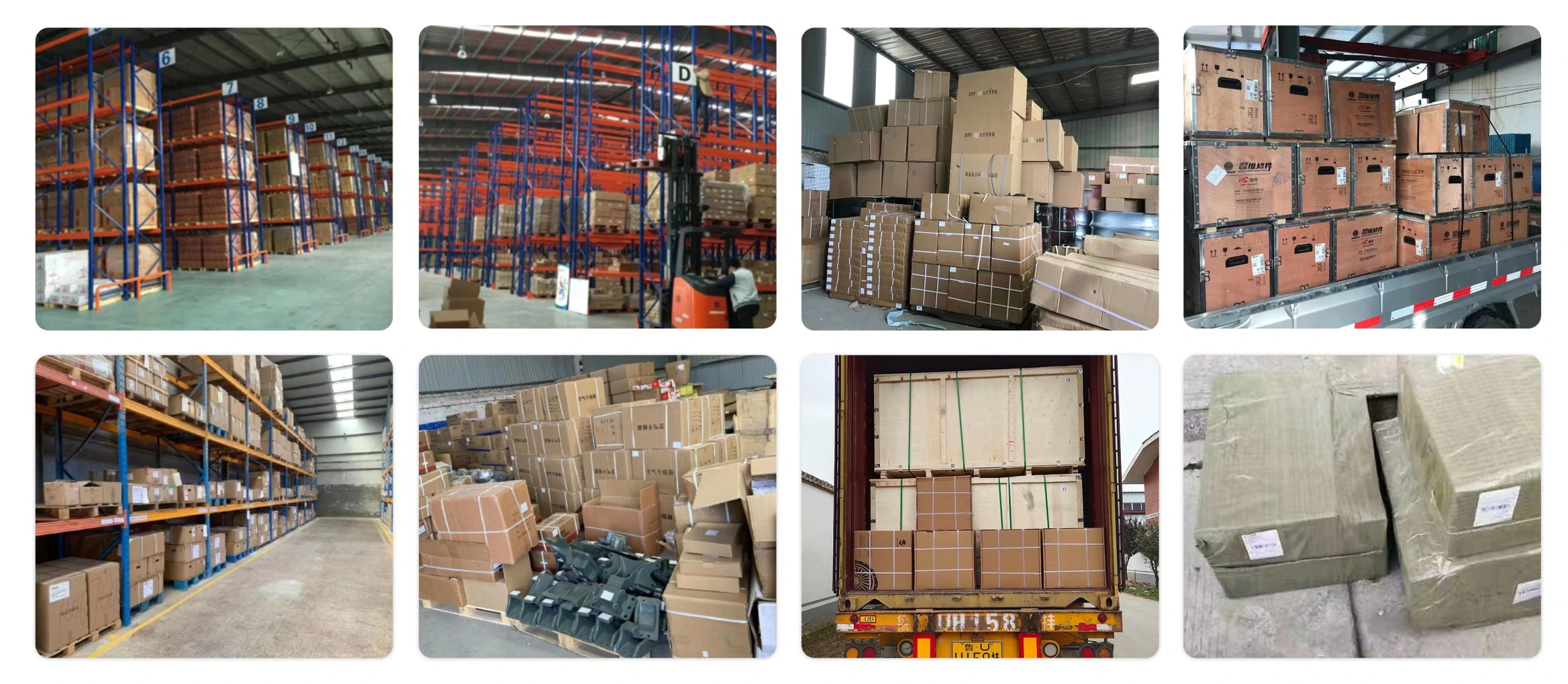
Esta abordagem de embalagem minimiza o risco de corrosão ou danos por impacto, garantindo que peças como o conjunto do bloco de cilindros FAW cheguem em perfeitas condições. Os clientes podem confiar na logística da FAW para obter qualidade e confiabilidade consistentes.