por 


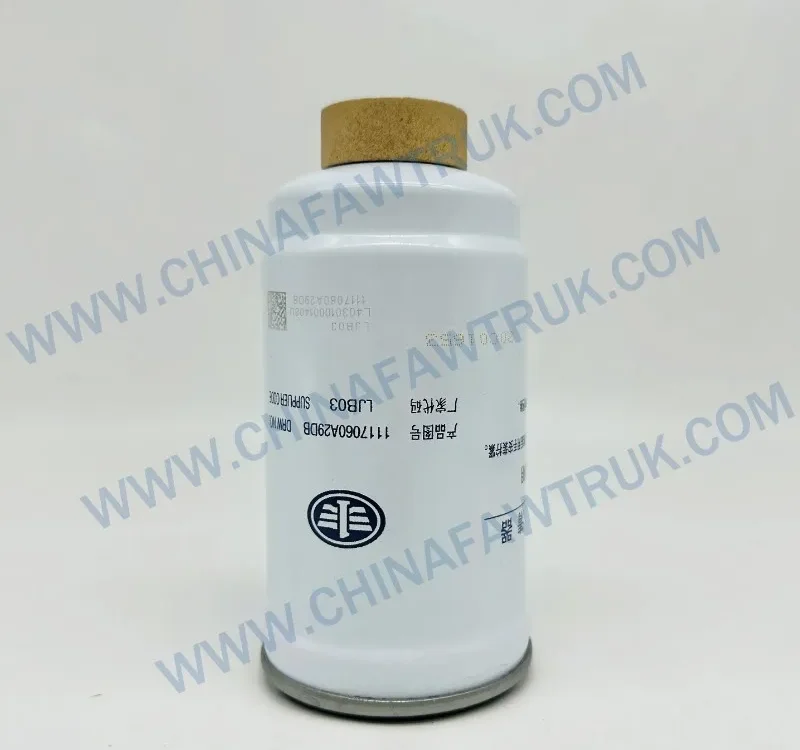
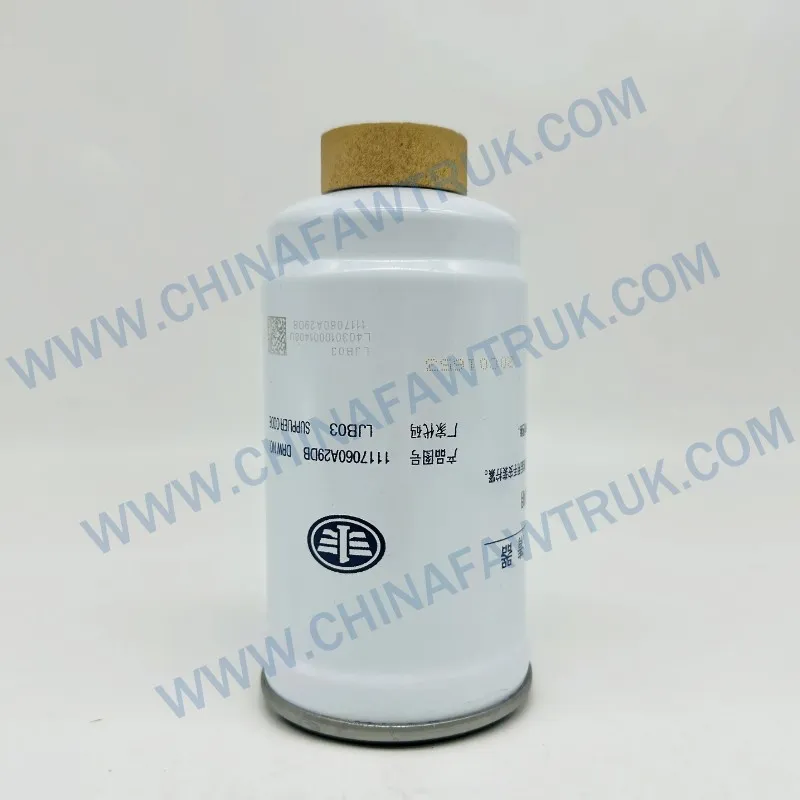
Bem-vindo a esta desconstrução especializada do Filtro grosso de combustível FAW J6P (Conjunto principal P/N 1105010-2007-C00). Este é o “Primeira Linha de Defesa” para o FAW Jiefang CA3250P66K2L1T1E 6×4 motor do caminhão basculante. Este crítico “Montagem Lógica” fornece filtragem em massa e separação de água, oferecendo o primeiro estágio essencial de proteção para o sistema de combustível de alta pressão.

O “Lógica de proteção HPCR” é a chave para isso Filtro grosso de combustível FAW J6P. Um Common Rail de alta pressão (HPCR) o sistema é extremamente vulnerável a dois contaminantes: água e partículas grandes. O “Lógica de Separação de Água” desta unidade é usar um “confundir” ou “centrífugo” projeto para forçar a água (que é *mais pesado* que o diesel) fora da suspensão. A água se acumula em um “tigela de sedimentos” na parte inferior, que pode ser drenado. O “Lógica de filtro grosseiro” em seguida, remove partículas maiores de ferrugem e sujeira (Por exemplo, 30+ mícrons).
Este sistema de lógica dupla é essencial. Evita que a água destrua os injetores (através de “hidroerosão” ou ferrugem) e impede que partículas grandes obstruam prematuramente o filtro fino de combustível ‘FAW J6P, muito mais caro’ (Capítulo 24). Este guia irá desconstruir o grupo do tipo 7 componentes, analisando o “Filtração & Lógica de Separação” (a habitação principal), o “Lógica de Apoio Estrutural” (o suporte antivibração), e o “Fixador & Lógica de Selagem” que monta o Filtro grosso de combustível FAW J6P firmemente ao chassi.
Este componente é o “trabalhando” parte do Filtro grosso de combustível FAW J6P conjunto. Esta é a unidade completa responsável pela limpeza do combustível.
1. Componente: ‘Conjunto do filtro grosso de combustível (estilo de amostra)’ (1105010-2007-C00)
Esse (Comp. 1) é a montagem completa. Consiste em duas partes principais que podem ser reparadas (não listado individualmente, mas incluído na montagem): o elemento filtrante e a água no combustível (WIF) sensor/dreno.
2. O “Lógica de Separação de Água” (Interno):
Este é o “Primeira etapa” do Filtro grosso de combustível FAW J6P. À medida que o combustível entra na carcaça, seu fluxo é “perplexo.” Esse “lógica” força o combustível a mudar de direção repentinamente ou “redemoinho.” Porque a água é *mais pesada* que o diesel, isso é “inércia” impede que ele faça a curva.
Isto “impactos” a parede, se aglutina em gotas pesadas, e cai para o “tigela de sedimentos” na parte inferior da caixa do filtro. A “Sensor WIF” (Água no Combustível) normalmente está localizado nesta tigela, que envia um alarme para o painel quando a tigela está cheia e precisa ser “drenado” (através de um pequeno petcock).
3. O “Lógica de Filtragem Grosseira” (Interno):
Este é o “Segunda Etapa.” Depois que a água estiver “girou,” o agora “seco” combustível é *puxado* (por sucção) *para cima* através do principal “meio filtrante.” Esta mídia “lógica” é ser “grosseiro”—é projetado para parar grandes, 30-50 partículas de mícron (como ferrugem, sujeira, e grandes algas “aglomerados”) que poderia vir do ‘Tanque de Combustível FAW J6P’.
Esse “lógica” é crítico: isto “protege” o filtro fino de combustível *secundário* ‘FAW J6P’ (Capítulo 24) de ser “entupido” prematuramente. Esse “duplo estágio” “lógica” (Separação de Água + Filtragem Grossa) é o que faz o Filtro grosso de combustível FAW J6P a “Filtro Grosso” e não apenas um simples filtro.
Este componente “lógica” é fornecer uma rocha sólida, à prova de vibração “fundação” para todo o Filtro grosso de combustível FAW J6P conjunto.
1. Componente: ‘Suporte para filtro grosso de combustível’ (1105121-14BJ)
Esse (Comp. 2) é o “Lógica Antivibração.” A “girar” filtro (Comp. 1) é um pesado, “em balanço” carregar. Está cheio de combustível (vários quilogramas) e pendurado na lateral do trilho da estrutura do chassi, tudo isso enquanto suporta a constante, vibração de alta frequência de um motor diesel para serviço pesado.
Se o “cabeça de filtro” (a parte em que o filtro é aparafusado) foram parafusados diretamente no chassi, a vibração seria “fadiga” e “rachadura” a cabeça do filtro de alumínio em um tempo muito curto, causando um grande vazamento de combustível (no lado de sucção, um enorme vazamento de *ar*).
O “lógica” deste aço resistente “Apoiar” colchete deve ser o “fundação estrutural.” Ele é aparafusado com segurança ao trilho do chassi. O ‘Conjunto do filtro grosso de combustível’ (Comp. 1) então parafuse *neste suporte*. Esse “Lógica Fundamental” proporciona uma rigidez, plataforma estável que absorve e dissipa a vibração, protegendo a fundição de alumínio da cabeça do filtro contra rachaduras. Este é um componente crítico para o longo prazo, serviço sem vazamentos do Filtro grosso de combustível FAW J6P.
Este grupo final “lógica” é fornecer o “força de aperto” que detém o Filtro grosso de combustível FAW J6P conjunto (Comp. 1) e seu ‘Suporte’ (Comp. 2) firmemente à estrutura do chassi do caminhão.
1. Componentes: 'Parafuso combinado’ (CQ1461250) & 'Porca hexagonal’ (CQ34012)
A lista pede quatro (4) de cada (Comp. 3 & 4). Esse “Lógica Através do Parafuso” é o método de montagem mais forte possível. Isso é “lógica” é que o ‘Suporte’ suporte (Comp. 2) *não* é encadeado. Esses ‘parafusos combinados’ (que têm um “cativo” arruela de pressão para resistência à vibração) são passados *através* do suporte e *através* do trilho do chassi. As 'nozes hexagonais’ (Comp. 4) são então usados na parte de trás. Esse “Lógica de fixação” fornece um ambiente muito mais seguro, fixação à prova de vibração do que um parafuso que apenas enrosca no chassi.
2. Componentes: 'Parafuso de flange hexagonal’ (Q1841445, Q1841455) & ‘Porca flangeada hexagonal’ (CQ39614)
Esse (Comp. 5, 6, 7) é o “Lógica do Fixador Secundário.” Esses “mesa” parafusos e porcas são provavelmente usados para fixar o ‘Conjunto do filtro grosso de combustível’ (Comp. 1) *para* o ‘Suporte’ suporte (Comp. 2). O “Lógica de Flange” é fundamental para a montagem de um alumínio “cabeça de filtro” para um aço “suporte.” O embutido “mesa” (lavadora) no parafuso e na porca fornece uma ampla, plano “superfície de fixação.”
Esse “Lógica de distribuição de carga” é essencial. Uma simples cabeça de parafuso criaria um “ponto de alta pressão” no (mais suave) cabeça de filtro de alumínio, fazendo com que “rachadura” quando apertado. A flange “spreads” esta carga, permitindo uma alta “força de aperto” (para resistir à vibração) *sem* danificar a carcaça. Este hardware é essencial para uma segurança Filtro grosso de combustível FAW J6P.
A tabela a seguir fornece o completo, detalhamento de todos 7 tipos de componentes identificados neste Filtro grosso de combustível FAW J6P montagem para o FAW Jiefang CA3250P66K2L1T1E 6×4 caminhão despejando.
| Marca | Parte não. | Nome da peça | Quantidade |
|---|---|---|---|
| 1 | 1105010-2007-C00 (1117010B630-0000) |
Conjunto de filtro grosso de combustível (estilo de amostra) | 1 |
| 2 | 1105121-14BJ | Suporte para filtro grosso de combustível | 1 |
| 3 | CQ1461250 | Parafuso de combinação | 4 |
| 4 | CQ34012 | Porca hexagonal | 4 |
| 5 | Q1841445 | Parafuso de flange hexagonal | 1 |
| 6 | Q1841455 | Parafuso de flange hexagonal | 1 |
| 7 | CQ39614 | Noz de flange hexágono | 2 |
As especificações para o Filtro grosso de combustível FAW J6P são definidos por sua função como “Primeira Linha de Defesa” para todo o sistema de combustível.
| Aplicação em veículos | FAW Jiefang CA3250P66K2L1T1E 6×4 Caminhão basculante |
| Grupo de sistemas | Filtro grosso de combustível FAW J6P Conjunto |
| Conjunto principal P/N | 1105010-2007-C00 |
| Lógica Primária | Separação de Água (Coalescência/Defletor) |
| Lógica Secundária | Filtragem de Partículas Grossas (30-50 Mícron) |
| Tipo de sistema | “Lado de sucção” Filtro Primário (pré-bomba) |
| Montagem Estrutural | ‘Suporte para filtro grosso de combustível’ (1105121-14BJ) |
| Sistema de fixação (Suporte para chassi) | 'Parafuso combinado’ (CQ1461250) & 'Porca hexagonal’ (CQ34012) |
| Sistema de fixação (Filtro para suporte) | 'Parafuso de flange hexagonal’ (Q1841445, Q1841455) |
| Sistema Associado | Funciona com Linha de combustível FAW J6P e Filtro fino de combustível FAW J6P. |
Peças FAW, incluindo o conjunto do bloco de cilindros, são embalados com cuidado para garantir uma entrega segura. Cada componente é protegido por materiais de proteção para evitar danos durante o transporte. A rede logística garante envios pontuais em todo o mundo, apoiando operações de manutenção eficientes. Abaixo está uma imagem ilustrando a embalagem padrão para peças de caminhão FAW, mostrando a atenção aos detalhes no manuseio e armazenamento.
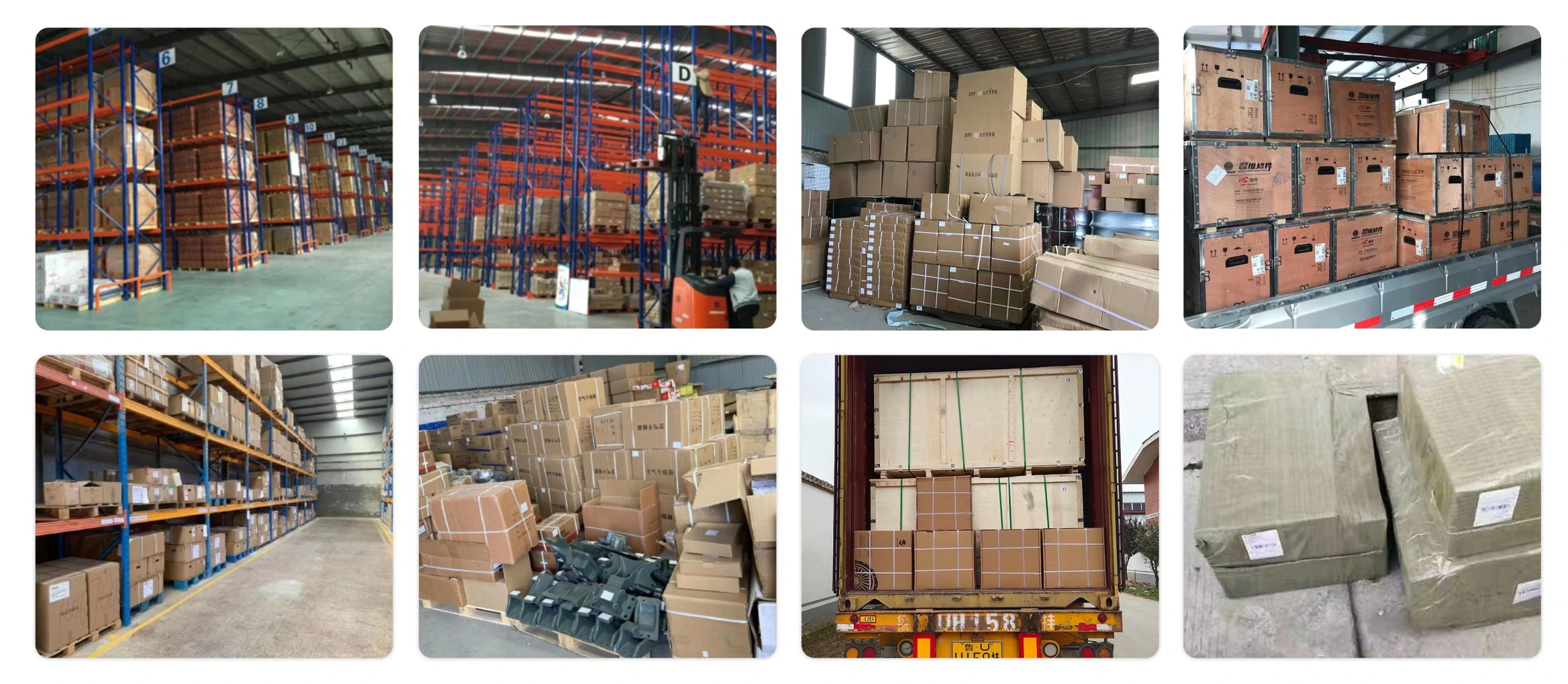
Esta abordagem de embalagem minimiza o risco de corrosão ou danos por impacto, garantindo que peças como o conjunto do bloco de cilindros FAW cheguem em perfeitas condições. Os clientes podem confiar na logística da FAW para obter qualidade e confiabilidade consistentes.