por 


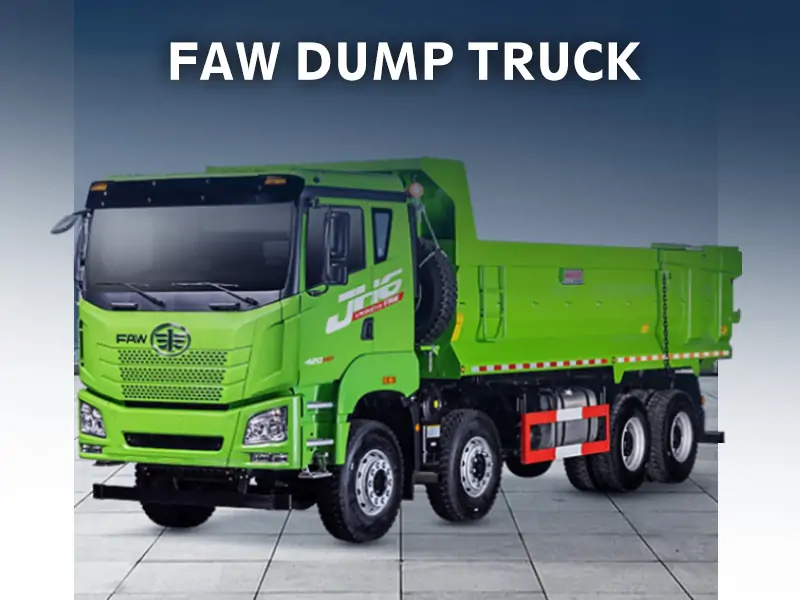
Bem-vindo a esta análise especializada do Linha de combustível FAW J6P sistema (Capítulo 32). Este é o completo “fuel plumbing” network for the FAW Jiefang CA3250P66K2L1T1E 6×4 caminhão despejando. Este é um “Montagem Lógica” engineered to manage the “sucção,” “alimentar,” e “retornar” of diesel fuel to the engine under extreme, condições fora de estrada.

O “Lógica de Circuito Duplo” é a chave para isso Linha de combustível FAW J6P sistema. O “Suction/Feed Side” (Comp. 17, 18) é o mais crítico. Este é um “sucção” sistema. Any pinhole leak from vibration or “irritação” (fricção) will not leak *fuel out*; it will suck *air in*. Air in a High-Pressure Common Rail (HPCR) sistema é catastrófico. Ele vai “cavidade” the injection pump and starve the injectors, levando à perda de energia, parando, and permanent component damage. Esse Linha de combustível FAW J6P is engineered for 100% airtight integrity.
Este guia técnico é um recurso essencial para técnicos de chassis, gerentes de manutenção de frota, e especialistas em peças. Vamos desconstruir todo o grupo de 22 componentes. Iremos analisar o “Sucção & Feed Logic” (the main pipes connecting the tank to the engine), o “Retornar & Lógica de Ventilação” (the bypass and vapor pipes), o “Protegendo & Lógica de Proteção” (the anti-chafe components), e o “Lógica de Reservatório” (o Tanque de combustível FAW J6P that this entire Linha de combustível FAW J6P system services).
This group represents the low-pressure “supply side” do Linha de combustível FAW J6P sistema. Its entire logic is to pull fuel from the tank and deliver it, sem ar, to the engine’s filter system.
1. Componente: 'Conjunto do tubo de entrada – tanque de combustível para filtro grosso’ (1104120-14BJ)
Esse (Comp. 17) é o “Primary Suction Logic.” É o “canudo” that connects the ‘Fuel tank assy’ (Comp. 1) to the primary “coarse filter” (or fuel/water separator).
Esse “lógica” is the most vulnerable part of the entire system. Porque é um “sucção” linha, a tiny pinhole from chafing will not *leak fuel out* (as it’s not under pressure). Em vez de, it will *suck air in*. Esse “Air Ingress Logic” é uma falha catastrófica.
Air in the HPCR pump (Capítulo 23) will instantly cause “cavitação” (the violent implosion of air bubbles), which erodes the high-precision pump pistons and starves the injectors, levando a um “sem início” condition or severe engine damage. This is why this Linha de combustível FAW J6P é um “conjunto,” likely with pre-formed, rigid sections to prevent kinking or chafing.
2. Componente: 'Conjunto do tubo de entrada – filtro grosso na entrada do motor’ (1104130-14BJ)
Esse (Comp. 18) é o “Lógica de alimentação limpa.” After the fuel passes through the *first* filter (the coarse filter/water separator), esse cachimbo “lógica” is to transport the now “pre-cleaned” fuel *to* the engine.
It connects the primary filter to the “entrada” do “Filtro fino de combustível FAW J6P” (Capítulo 24). This line is *still* on the “sucção” side of the main pump, so its airtight integrity is just as critical. A leak here will also introduce air into the high-pressure pump. Este específico Linha de combustível FAW J6P é o final “baixa pressão” artery before the fuel enters the engine-mounted filtration and pressurization stage.
Este grupo “lógica” é gerenciar o “desperdício” products of the Linha de combustível FAW J6P sistema: bypassed (quente) fuel and fuel vapors.
1. Componente: 'Conjunto do tubo de retorno’ (1104250-14BJ)
Esse (Comp. 19) é o “Thermal Management Logic.” Common Rail de alta pressão (HPCR) sistemas (veja o capítulo 23) use a “Bypass Logic.” They pump *far more* fuel than the engine needs. This excess fuel is used to “cool and lubricate” the high-pressure pump and the six injectors. Esse “bypassed” fuel is now *hot*.
Este ‘tubo de retorno’ “lógica” is to collect all this hot, low-pressure fuel from the engine’s “return manifold” and send it back to the ‘Fuel tank assy’ (Comp. 1). The massive volume of the Tanque de combustível FAW J6P then acts as a “dissipador de calor,” cooling the fuel before it is “sugado” up again by the ‘Inlet pipe’ (Comp. 17). A kink or blockage in this Linha de combustível FAW J6P is a critical failure that will cause the HPCR pump to overheat and seize.
2. Componente: ‘Intake/Exhaust pipe’ (1104301-50A)
Esse (Comp. 20) é o “Vapor Venting Logic.” This is *not* the engine’s air intake or exhaust. This is the *fuel tank’s* “ventilação” cano. Isso é “lógica” is to connect to a port on the ‘Fuel tank assy’ (Comp. 1) or ‘Fuel tank cap’ (Comp. 2) and safely route any fuel vapors *away* from the hot chassis or exhaust system. Esse “lógica de segurança” is designed to prevent a dangerous buildup of flammable diesel fumes and is a critical part of the Linha de combustível FAW J6P‘s safety system.
Este grupo “lógica” é “Anti-atrito & Antivibração.” Um solto Linha de combustível FAW J6P in a heavy-duty dump truck will be destroyed by vibration or chafing in a matter of days.
1. Componente: ‘Limit plate’ (1104266-36S)
Esse (Comp. 21) é o “Rigid Mounting Logic.” This is a specialized “braçadeira” ou “suporte” that is bolted to the chassis frame. O “lógica” of this ‘Limit plate’ is to hold one of the rigid fuel lines (como Comp. 17 ou 18) in a *specific, fixed position*.
Esse “securing logic” is what prevents the Linha de combustível FAW J6P de “chicotadas” ou “vibrando” contra o quadro, o que causaria um “rachadura por fadiga” at its weakest point (usually the metal fittings).
2. Componente: ‘Zip tie’ (T67417246)
The list calls for seven (7) destes (Comp. 22). Isto não é um “cheap fix”; this is “Deliberate Engineering Logic.” O “Lógica de prevenção de atrito” is that these “zip ties” (or hose clamps) estão acostumados a “âncora” o Linha de combustível FAW J6P (especially flexible sections) to various brackets or to *other* hoses.
Deles “lógica” is to prevent the #1 killer of hoses: “rubbing.” If a low-pressure Linha de combustível FAW J6P is allowed to rest against a sharp-edged chassis bracket, the engine’s vibration will cause the bracket to “serra” a hole through the line. Esses 7 ties are strategically placed to hold all lines securely, clear of any sharp edges or hot surfaces (like the exhaust manifold), ensuring the system’s long-term, leak-proof integrity.
This final group includes all the *other* components from the Chapter 32 parts list. Deles “lógica” é fornecer um ambiente seguro, antivibração “berço” para o Tanque de combustível FAW J6P, which is the source and destination for the Linha de combustível FAW J6P sistema.
1. O “Armazenar” Lógica (Componentes 1, 2)
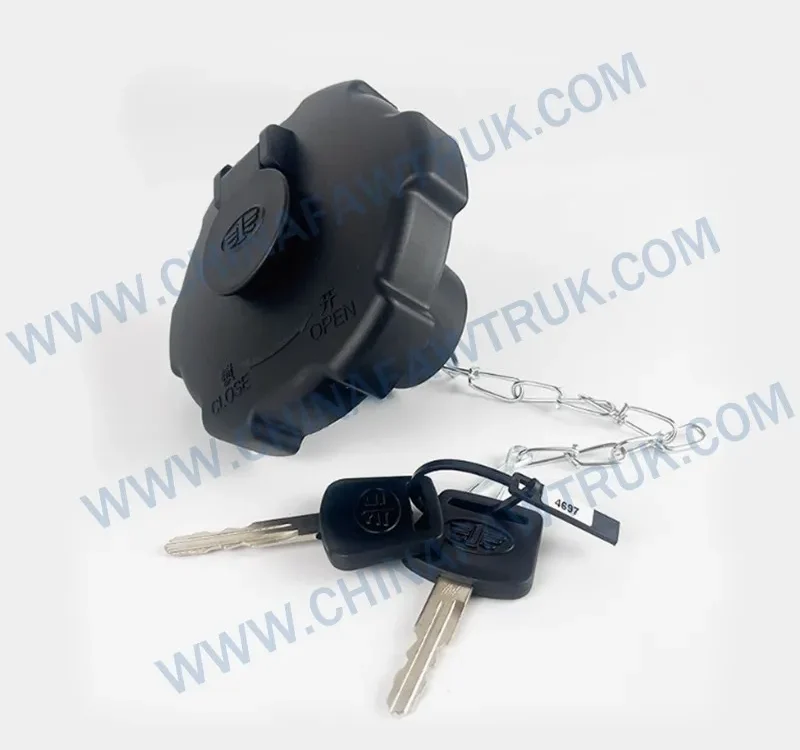
The ‘Fuel tank assy’ (Comp. 1) é o principal “Reservatório” with internal anti-surge baffles. The ‘Fuel tank cap assy’ (Comp. 2) é o “Lógica de Ventilação,” allowing air *in* to replace fuel, but preventing vapor *out*.
2. O “Montagem” Lógica (Componentes 4, 6)
The ‘Rear bracket assy-fuel tank’ (Comp. 4) is the heavy-duty steel “prateleira” que o Tanque de combustível FAW J6P *sits on*. It bears the entire 350kg+ weight. The ‘Strap assy-fuel tank’ (Comp. 6) is the high-tensile steel band that wraps *over* the tank, clamping it down onto the bracket.
3. O “Anti-atrito” Lógica (Componentes 5, 7)
Este é o “Lógica de Proteção.” The ‘Gasket-bracket’ (Comp. 5) sits *between* the bracket and the tank bottom. The ‘Gasket-strap’ (Comp. 7) lines the *inside* of the steel strap. Esse “lógica” ensures “no metal-on-metal contact,” evitando a vibração “irritação” um buraco no Tanque de combustível FAW J6P.
4. O “Fixador” Lógica (Componentes 8-16)
Este é o “Lógica de hardware.” Este grupo contém todos os ‘Parafusos de flange hexagonal’ (Comp. 8, 9, 10, 11), 'Nozes hexagonais’ (Comp. 12), e 'Arruelas’ (Comp. 13, 16) required to mount the bracket. O ‘pino plano’ (Comp. 14) e 'contrapino’ (Comp. 15) área “Lógica de bloqueio de segurança” for the strap, evitando que o parafuso T ou pino principal vibre e se solte.
A tabela a seguir fornece o completo, detalhamento de todos 22 tipos de componentes no Tanque de combustível FAW J6P e Linha de combustível FAW J6P montagem para o FAW Jiefang CA3250P66K2L1T1E 6×4 caminhão despejando.
| Marca | Parte não. | Nome da peça | Quantidade |
|---|---|---|---|
| 1 | 1101010-14BJ | Conjunto do tanque de combustível | 1 |
| 2 | 1103010-50A | Conjunto da tampa do tanque de combustível | 1 |
| 3 | 1101016-51BJ | Etiqueta autocolante do tanque de diesel (Inglês) | 1 |
| 4 | 1101205C50A | Conjunto do suporte traseiro-tanque de combustível | 2 |
| 5 | 1101117C50A | Junta Bracket | 2 |
| 6 | 1101135C50A | Conjunto de cinta-tanque de combustível | 2 |
| 7 | 1101134C50A | Junta da junta | 2 |
| 8 | Q1841460T | Parafuso de flange hexagonal | 1 |
| 9 | Q1841450T | Parafuso de flange hexagonal | 3 |
| 10 | Q1841455T | Parafuso de flange hexagonal | 1 |
| 11 | Q1841445T | Parafuso de flange hexagonal | 1 |
| 12 | CQ34012 | Porca hexagonal | 4 |
| 13 | Q40112 | Máquina de lavar | 2 |
| 14 | Q5101485 | Pino chato | 2 |
| 15 | Q5004030 | Pino de cotter | 2 |
| 16 | Q40114 | Máquina de lavar | 4 |
| 17 | 1104120-14BJ | Conjunto de tubo de entrada – tanque de combustível para filtro grosso | 1 |
| 18 | 1104130-14BJ | Conjunto de tubo de entrada – filtro grosso na entrada do motor | 1 |
| 19 | 1104250-14BJ | Conjunto do tubo de retorno | 1 |
| 20 | 1104301-50A | Tubo de admissão/exaustão | 1 |
| 21 | 1104266-36S | Placa limite | 1 |
| 22 | T67417246 | Gravata com zíper | 7 |
As especificações para o Linha de combustível FAW J6P system are defined by its function as the critical plumbing between the tank and the engine’s HPCR system.
| Aplicação em veículos | FAW Jiefang CA3250P66K2L1T1E 6×4 Caminhão basculante |
| Grupo de sistemas | Linha de combustível FAW J6P & Tank Assembly |
| Lógica Primária | Airtight Fuel Suction (Alimentar) & Gestão Térmica (Retornar) |
| Lógica Secundária | Anti-Chafing & Vibration Protection |
| Tubo de sucção 1 (Tank to Filter) | 1104120-14BJ |
| Tubo de sucção 2 (Filtrar para mecanismo) | 1104130-14BJ |
| Tubo de Retorno (Motor para tanque) | 1104250-14BJ |
| Vent Pipe | 1104301-50A |
| Securing Components | ‘Limit plate’ (1104266-36S), ‘Zip tie’ (T67417246) – Quantidade 7 |
| Sistema Associado (Source) | 'Conjunto do tanque de combustível’ (1101010-14BJ) |
| Sistema Associado (Destination) | Filtro fino de combustível FAW J6P & Bomba HPCR |
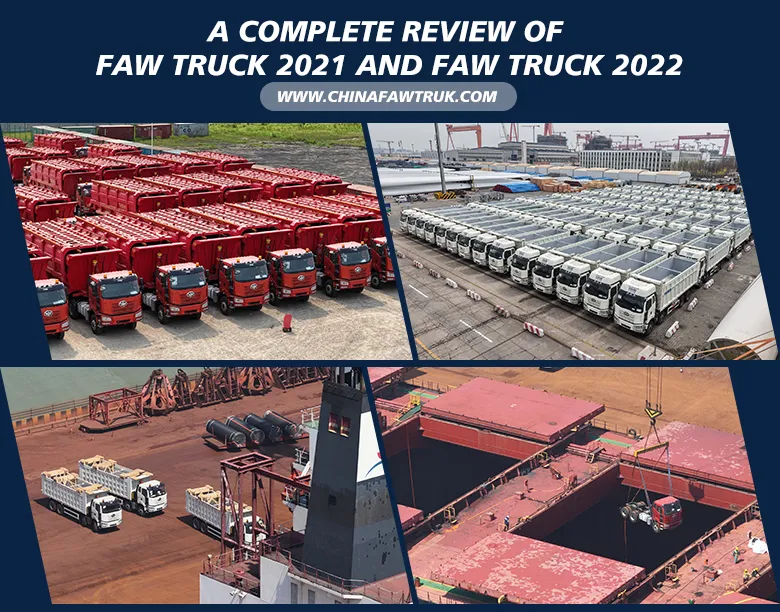
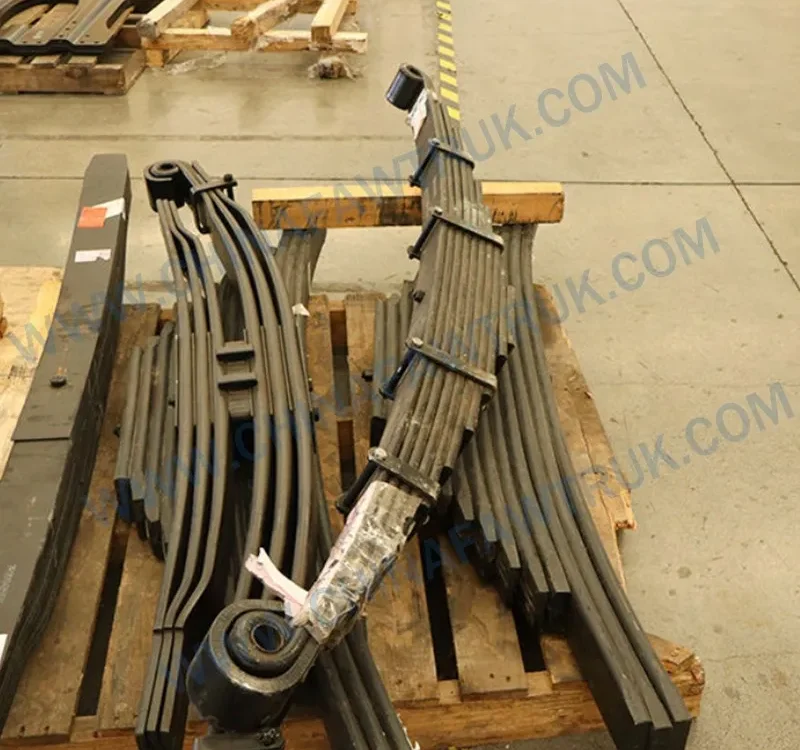
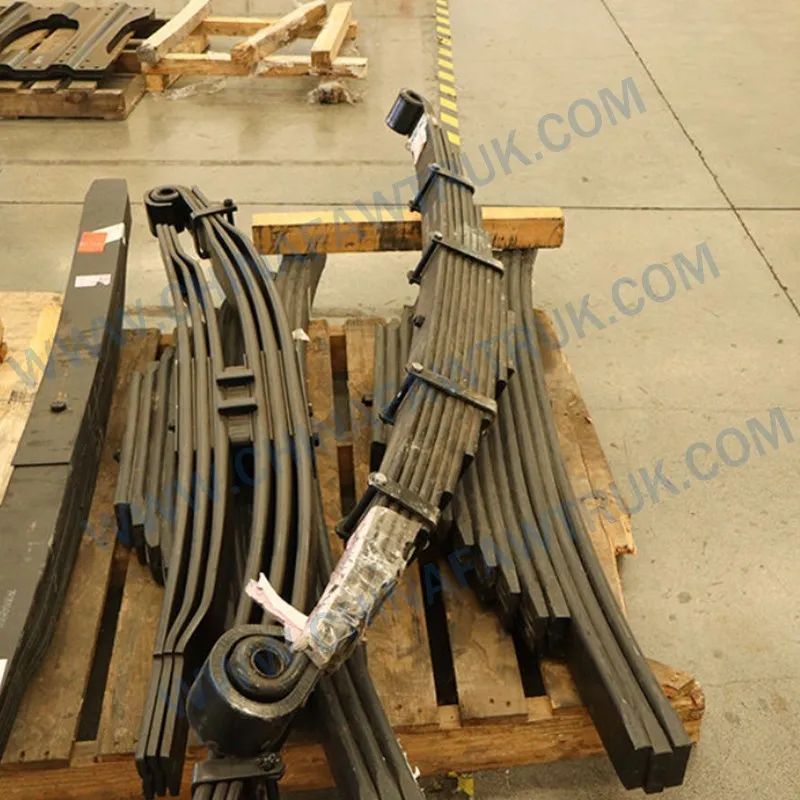
Peças FAW, incluindo o conjunto do bloco de cilindros, são embalados com cuidado para garantir uma entrega segura. Cada componente é protegido por materiais de proteção para evitar danos durante o transporte. A rede logística garante envios pontuais em todo o mundo, apoiando operações de manutenção eficientes. Abaixo está uma imagem ilustrando a embalagem padrão para peças de caminhão FAW, mostrando a atenção aos detalhes no manuseio e armazenamento.
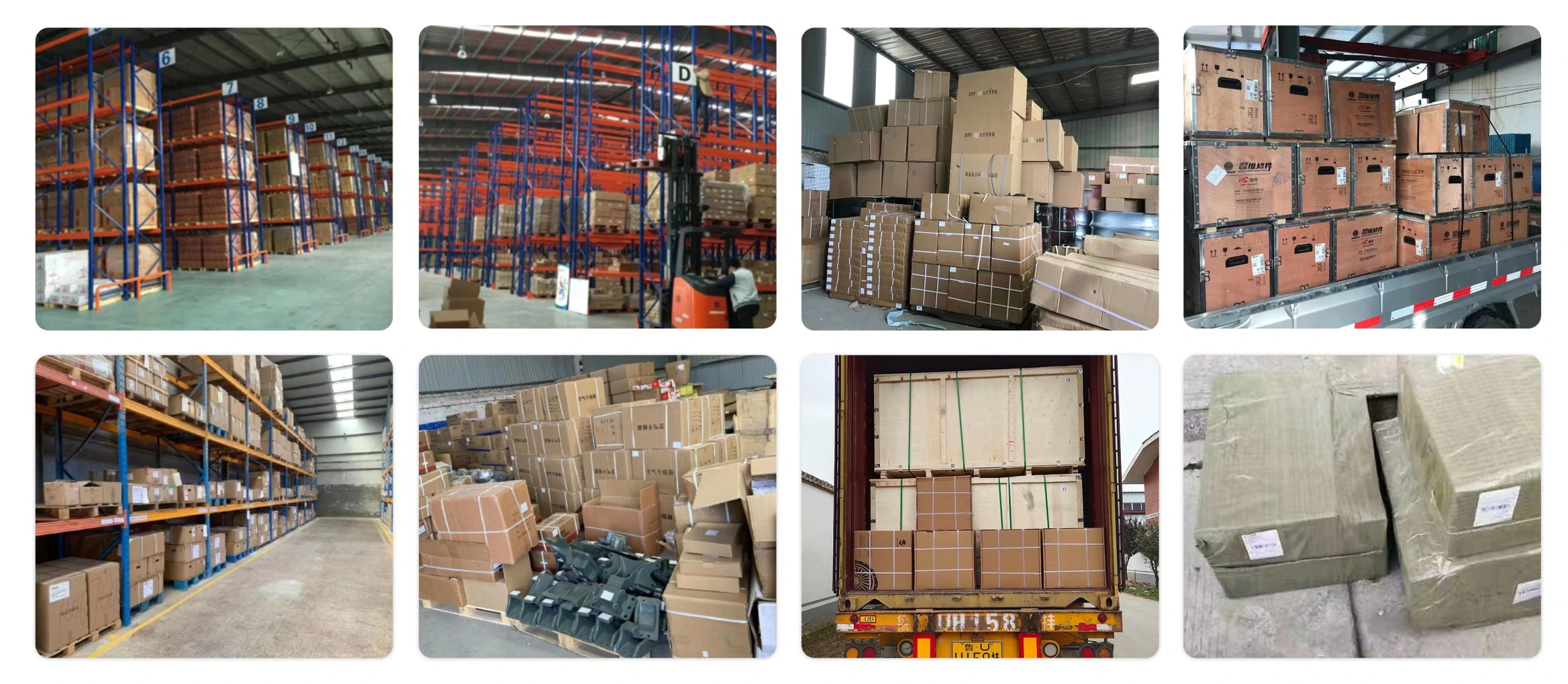
Esta abordagem de embalagem minimiza o risco de corrosão ou danos por impacto, garantindo que peças como o conjunto do bloco de cilindros FAW cheguem em perfeitas condições. Os clientes podem confiar na logística da FAW para obter qualidade e confiabilidade consistentes.