por 


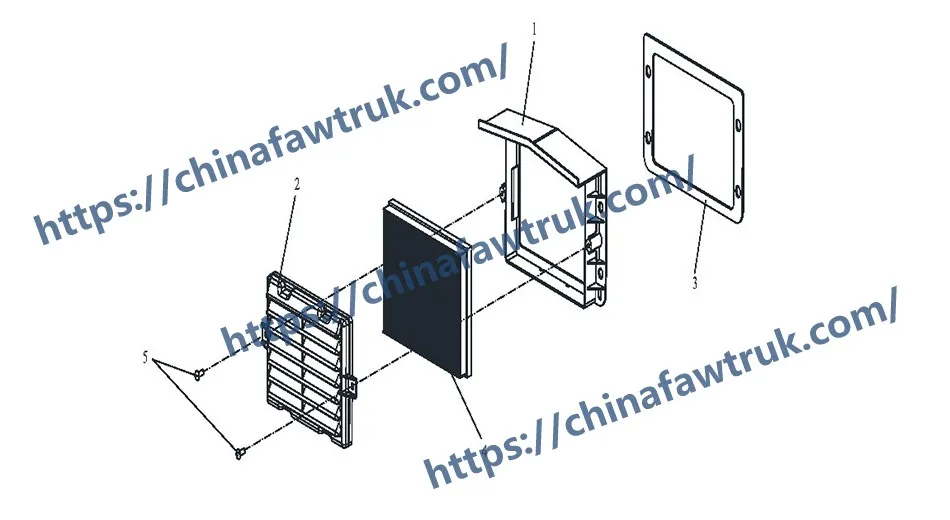
Esta é uma desconstrução técnica especializada do Protetor de ventilador FAW J6P (também conhecido como ‘Sudário do Ventilador’, Comp. 2) e seu conjunto de montagem de 45 peças do Capítulo 37. Este sistema é fundamental para o gerenciamento térmico do FAW Jiefang CA3250P66K2L1T1E 6×4 caminhão despejando. Este componente não é um simples “guarda”; é um “Lógica Aerodinâmica” ferramenta.

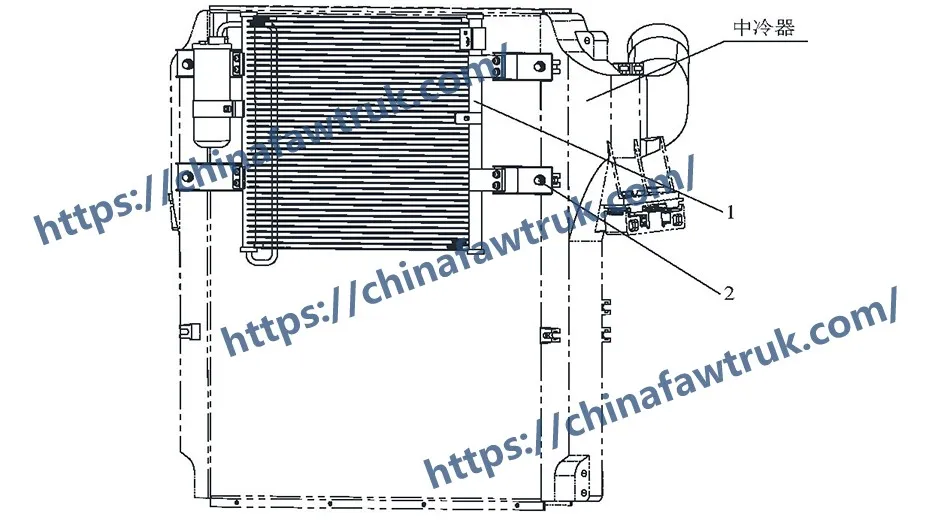
O Protetor de ventilador FAW J6P cria um “túnel de vácuo,” forçando o ventilador do motor (veja o capítulo 20) puxar 100% de seu ar *através* do 'conjunto do radiador’ (Comp. 1). Sem esta mortalha, um ventilador é extremamente ineficiente, puxando o ar do “caminho de menor resistência” (os lados) e “parando.” Esse “Lógica de funil de fluxo de ar” é a diferença entre o pico de resfriamento e o superaquecimento catastrófico.
Este guia é essencial para técnicos de frota e especialistas em peças. O Protetor de ventilador FAW J6P é feito de um polímero compósito, e seu #1 inimigo é vibração, que causa fissuras por fadiga. Desconstruiremos todo o sistema de 46 partes, focando no “Lógica de fluxo de ar” (o próprio guarda), o “Contexto de troca de calor” (o radiador que serve), e o “Lógica Antivibração” (a complexa teia de colchetes, tirantes, e fechos que o protegem).
Este componente é o “herói” desta assembleia. Todos os outros 45 as peças estão a serviço da função deste componente.
1. Componente: 'Mortalização do ventilador’ (1309010-14B)
Esse (Comp. 2) *é* o Protetor de ventilador FAW J6P. Isso é “Lógica Aerodinâmica” é mais complexo do que parece. Não é um simples “caixa” ou “guarda.” É uma engenharia “mortalha” ou “túnel” projetado para otimizar o fluxo de ar.
O “Lógica de liberação de pontas” é o elemento de design mais crítico. Isso se refere ao *minúsculo, espaço preciso* entre as extremidades das pás do ventilador e o interior “túnel” do Protetor de ventilador FAW J6P. Se esta lacuna for muito grande, ar “recircula” do lado de alta pressão de volta para o lado de baixa pressão, “parando” o ventilador e destruindo sua eficiência.
Esse “Lógica de Vácuo” é todo o seu propósito. O Protetor de ventilador FAW J6P cria um “selado” ambiente, forçando o ventilador a puxar um “vazio” *em toda a área de superfície* do ‘Conjunto do radiador’ (Comp. 1) barbatanas. Isto garante um resfriamento uniforme e evita “pontos quentes.”
“Lógica Material” também é fundamental. Esta parte é feita de “polímero reforçado com vidro” (um composto). Deve ser leve, mas também rígido o suficiente para não “flexionar” ou “urdidura” do calor de 100°C+ que irradia do motor. Também deve absorver constante, vibração de alta frequência.
O “Lógica do modo de falha” é “rachaduras por fadiga.” O chassi de um caminhão pesado flexiona constantemente. Esta vibração é a #1 inimigo do Protetor de ventilador FAW J6P. Uma pequena rachadura, começando com um parafuso de montagem, vai “aranha” através do sudário, quebrando o “selo a vácuo” e causando um imediato, perda drástica no desempenho de resfriamento.
O Protetor de ventilador FAW J6P é inútil sem o componente para o qual foi projetado “servir”: o 'conjunto do radiador'.
1. Componente: 'Conjunto do radiador’ (1301010-14B)
Esse (Comp. 1) é o “Lógica de troca de calor.” É um grande, passiva “dissipador de calor” tanto para o líquido de arrefecimento do motor quanto para o turboalimentador “carregar ar” (através do intercooler). Como um “passiva” dispositivo, depende 100% no *fluxo de ar* para dissipar o calor.
O “Lógica Simbiótica” é que o Protetor de ventilador FAW J6P (Comp. 2) é *montado diretamente* na estrutura do 'Conjunto do radiador’ (Comp. 1). Seu design “vedações” contra as bordas do radiador. Esse “Lógica de conjunto correspondente” garante que qualquer ar puxado pelo ventilador *deve* primeiro passar *através* das aletas do radiador.
A sobrevivência do Protetor de ventilador FAW J6P é portanto diretamente “ligado” para a sobrevivência do radiador. O radiador fornece o “face de montagem” e “suporte estrutural” para a cobertura do ventilador.
Este grupo representa o complexo “Lógica de isolamento de vibração.” Desde o Protetor de ventilador FAW J6P é (frágil) composto e o chassi/motor (vibrando) é aço, este sistema é o que impede o Protetor de ventilador FAW J6P de “tremendo” se em pedaços.
1. O “Lógica de Isolamento” (Componentes 11, 12, 13)
Todo o conjunto do radiador’ (que segura a proteção do ventilador) senta-se em um ‘Conjunto da travessa inferior do radiador’ (1302030-61B). Esse “prateleira” é mantido pelo ‘Suporte esquerdo do radiador’ (1302027-70U) e ‘Suporte direito do radiador’ (1302028-70U). Esses “suporta” use borracha grande “isolador” buchas (veja o capítulo 38) para “úmido” a vibração bruta do quadro.
2. O “Lógica Anti-oscilação” (Componentes 18, 19)
Este é o “Lógica da Força de Cisalhamento” proteção. O ‘Conjunto do tirante’ (1302050-01) e ‘Suporte superior do tirante’ (1302041-14B) são estabilizadores diagonais. Quando o caminhão bate em um buraco, o chassi “flexiona.” Esses tirantes evitam que o radiador e o fixador Protetor de ventilador FAW J6P de ser “torcido” ou “balançou,” o que causaria um instante “rachadura por fadiga.”
3. O “Lógica de quadros” (Componentes 8, 22, 26, 33, 35)
Esse “rede” de aço (‘Placa de conexão do radiador’ (1301020-61B), ‘Placa de suporte do radiador’ (1302040-14B), etc.) é o “Lógica Estrutural.” Isso cria um “gaiola rígida” ao redor do “isolado” radiador, fornecendo os pontos de montagem seguros para o Protetor de ventilador FAW J6P.
Este grupo final inclui todos “Menores unidades utilizáveis” (SSU) e o “Encanamento” que deve coexistir com o Protetor de ventilador FAW J6P.
1. O “Lógica do Fixador” (Parafusos, Nozes, Arruelas)
Isto inclui todos “Lógica de Hardware,” como 'Parafuso de flange hexagonal’ (Q1840816, Q1841230, etc.), 'Parafuso combinado’ (CQ1460820), e 'Nozes hexagonais’ (CQ34010, CQ34008, etc.). Estes são os “Lógica à prova de vibração” fixadores.
Um único parafuso solto (Por exemplo, Comp. 7, que detém o Protetor de ventilador FAW J6Pplaca de suporte) criará um “ponto quente de vibração” e “martelo” a cobertura composta até que ela quebre. É por isso que a alta resistência, “flangeado” (travamento automático) hardware é essencial.
2. O “Lógica de encanamento” (Mangueiras & Grampos)
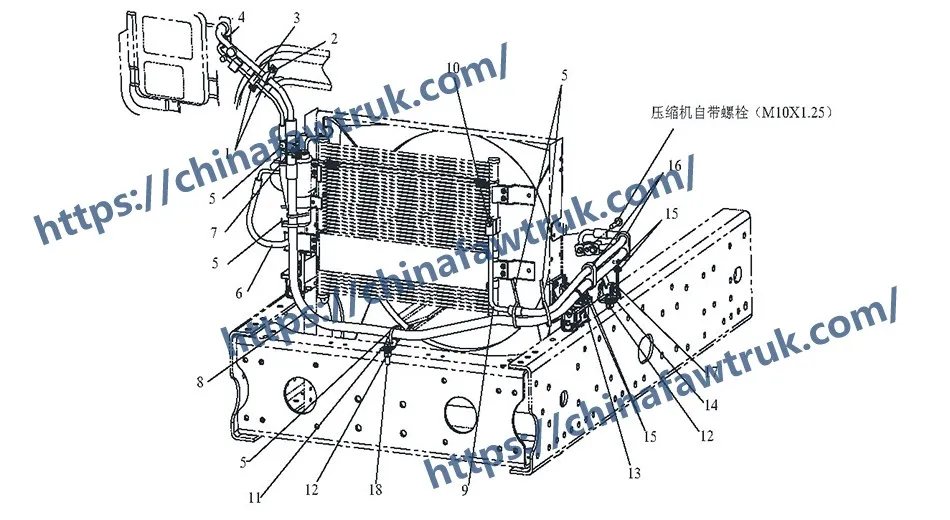
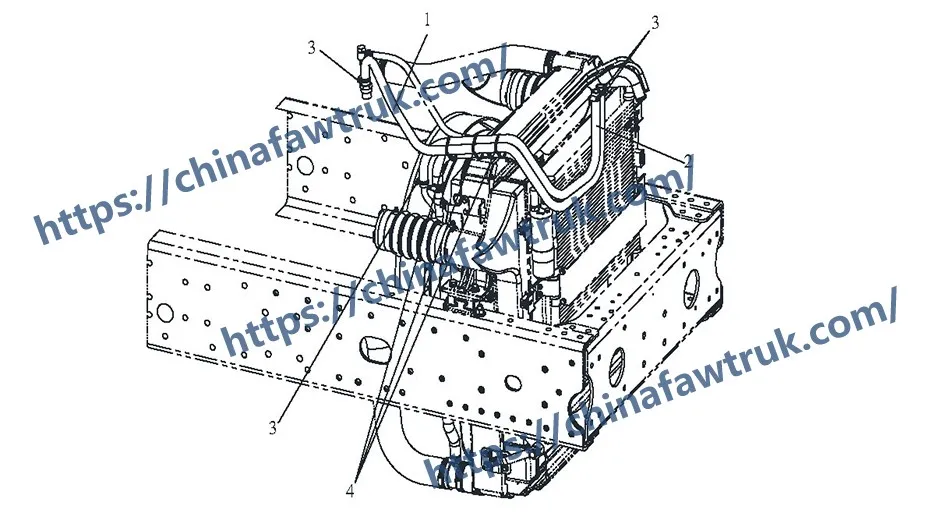
Este grupo inclui todas as mangueiras (‘Mangueira de entrada do radiador’ (1303011-14B), ‘Mangueira de saída do radiador’ (1303021-14B), etc.) e seu alto torque ‘Braçadeiras de mangueira tipo banjo’ (CQ67670B, etc.).
O “Lógica de roteamento” deste encanamento é projetado *em torno* do Protetor de ventilador FAW J6P. As mangueiras devem ser “flexível” para absorver a vibração entre o “motor” e o “radiador” conjunto. Eles são encaminhados para limpar a mortalha e, mais importante, o “fiação” fã (Capítulo 20) *dentro* do sudário.
A tabela a seguir fornece o completo, detalhamento de todos 46 tipos de componentes no Protetor de ventilador FAW J6P e conjunto de montagem do radiador (Capítulo 37) para o FAW Jiefang CA3250P66K2L1T1E 6×4 caminhão despejando.
| Marca | Parte não. | Nome da peça | Quantidade |
|---|---|---|---|
| 1 | 1301010-14B | Conjunto do radiador | 1 |
| 2 | 1309010-14B | Cobertura do ventilador | 1 |
| 3 | CQ67670B | Abraçadeira tipo banjo modelo B | 2 |
| 4 | 1303011-14B | Mangueira de entrada do radiador | 1 |
| 5 | CQ67680B | Abraçadeira tipo banjo modelo B | 2 |
| 6 | 1303021-14B | Mangueira de saída do radiador | 1 |
| 7 | CQ1460820 | Parafuso de combinação | 8 |
| 8 | 1301020-61B | Conjunto da placa de conexão do radiador | 2 |
| 9 | Q1840816 | Parafuso de flange hexagonal | 14 |
| 10 | Q1841230 | Parafuso de flange hexagonal | 4 |
| 11 | 1302030-61B | Conjunto da travessa inferior do radiador | 2 |
| 12 | 1302027-70U | Suporte esquerdo do radiador | 1 |
| 13 | 1302028-70U | Suporte direito do radiador | 1 |
| 14 | Q1840825 | Parafuso de flange hexagonal | 8 |
| 15 | CQ1461025 | Parafuso de combinação | 4 |
| 16 | CQ1501050 | Parafuso da cabeça do hexágono | 2 |
| 17 | 1302052-01 | Reservatório | 2 |
| 18 | 1302050-01 | Conjunto do tirante | 2 |
| 19 | 1302041-14B | Suporte superior do tirante | 2 |
| 20 | CQ34010 | Porca hexagonal | 2 |
| 21 | Q40310 | Arruela elástica | 2 |
| 22 | 1302040-14B | Placa de suporte do radiador | 2 |
| 23 | Q1840820 | Parafuso de flange hexagonal | 2 |
| 24 | Q1841230 | Parafuso de flange hexagonal | 4 |
| 25 | CQ34008 | Porca hexagonal | 2 |
| 26 | 1302043-14B | Placa de suporte | 2 |
| 27 | CQ32612 | Porca hexagonal | 4 |
| 28 | 1311034-50A | Mangueira de conexão do intercooler | 1 |
| 29 | CQ67635B | Abraçadeira tipo banjo modelo B | 3 |
| 30 | 1311062-14B | Tubo de água de retorno | 1 |
| 31 | 1311035-61B | Conjunto de tubo de aço de conexão | 1 |
| 32 | CQ1460816 | Parafuso de combinação | 1 |
| 33 | 1311045-61B | Conjunto de suporte | 1 |
| 34 | Q1840816 | Parafuso de flange hexagonal | 4 |
| 35 | 1301023-50A | Placa de conexão superior do radiador | 2 |
| 36 | Q1841020 | Parafuso de flange hexagonal | 2 |
| 37 | 1311034-61B | Tubo de água de retorno frontal | 1 |
| 38 | CQ67640B | Abraçadeira tipo banjo modelo B | 1 |
| 39 | 1311069-76A | Tubo de desgaseificação traseiro do radiador | 1 |
| 40 | 1311063-61B | Tubo de desgaseificação do radiador | 1 |
| 41 | 1311025-61B | Conjunto de tubo de conexão | 1 |
| 42 | Q1840816 | Parafuso de flange hexagonal | 2 |
| 43 | CQ67622B | Abraçadeira tipo banjo modelo B | 4 |
| 44 | CQ72314T5 | Ilhó | 2 |
| 45 | 1311024-249 | Parafuso de sangria de ar de desgaseificação | 1 |
| 46 | 1311025-138 | Conjunto de tubo de desgaseificação do motor | 1 |
As especificações para o Protetor de ventilador FAW J6P sistema são definidos por sua função como unidade primária de controle de fluxo de ar para o conjunto do radiador.
| Aplicação em veículos | FAW Jiefang CA3250P66K2L1T1E 6×4 Caminhão basculante |
| Grupo de sistemas | Protetor de ventilador FAW J6P & Conjunto de montagem do radiador |
| Lógica Primária | Canalização de fluxo de ar & Geração de vácuo para resfriamento |
| Lógica Secundária | Isolamento de vibração & Montagem Estrutural |
| Componente principal | 'Mortalização do ventilador’ (1309010-14B) |
| Componente Associado | 'Conjunto do radiador’ (1301010-14B) |
| Sistema Estabilizador | ‘Conjunto do tirante’ (1302050-01), ‘Suporte superior do tirante’ (1302041-14B) |
| Sistema de montagem | 'Travessa inferior’ (1302030-61B), ‘Suporta’ (1302027-70U, 1302028-70U) |
| Material (Guarda Ventilador) | Alta temperatura, Composto de polímero reforçado com vidro |
| Componentes totais | 46 Tipos de componentes |
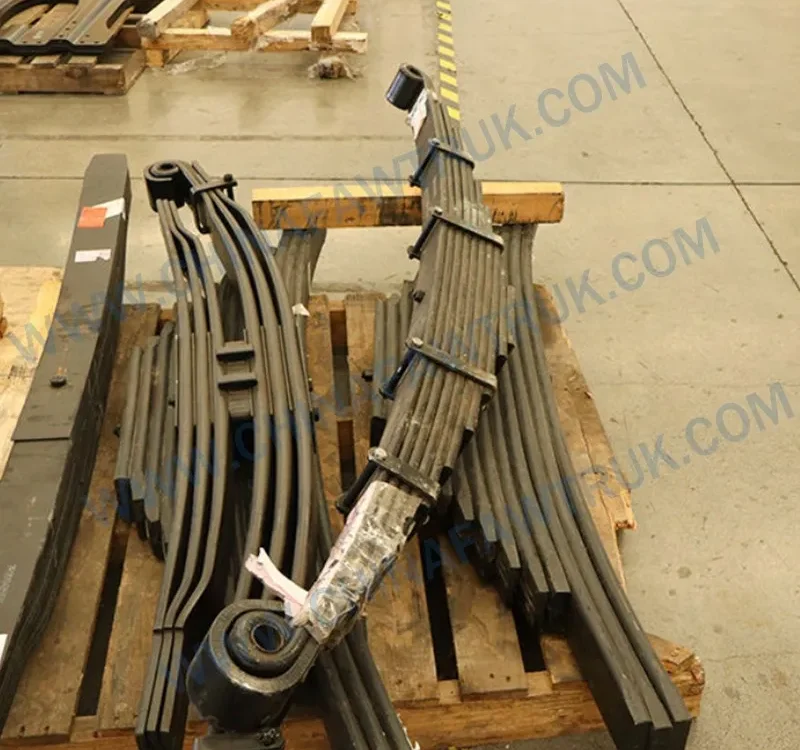
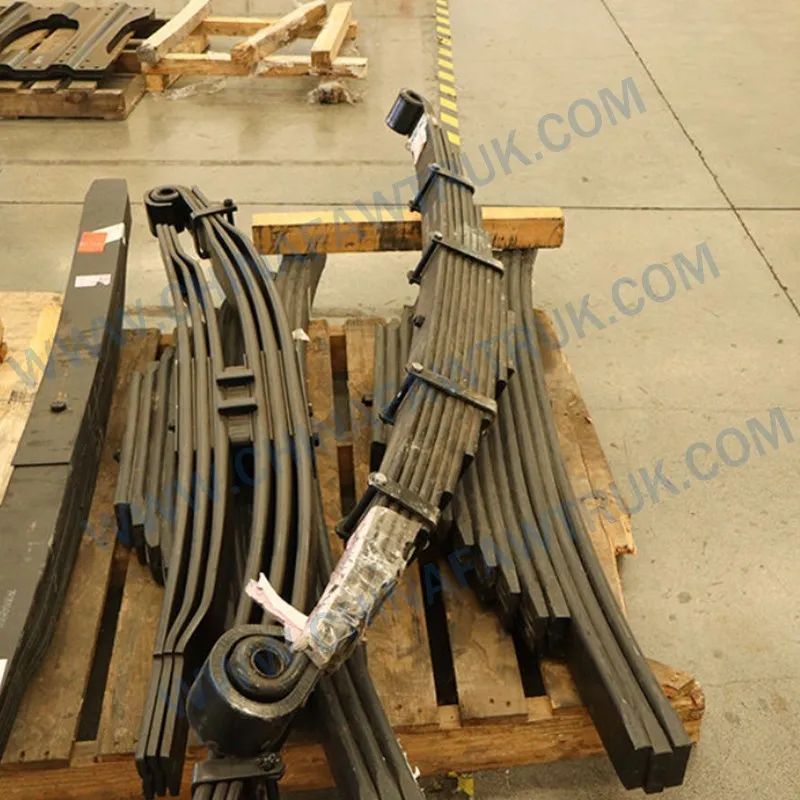
Peças FAW, incluindo o conjunto do bloco de cilindros, são embalados com cuidado para garantir uma entrega segura. Cada componente é protegido por materiais de proteção para evitar danos durante o transporte. A rede logística garante envios pontuais em todo o mundo, apoiando operações de manutenção eficientes. Abaixo está uma imagem ilustrando a embalagem padrão para peças de caminhão FAW, mostrando a atenção aos detalhes no manuseio e armazenamento.
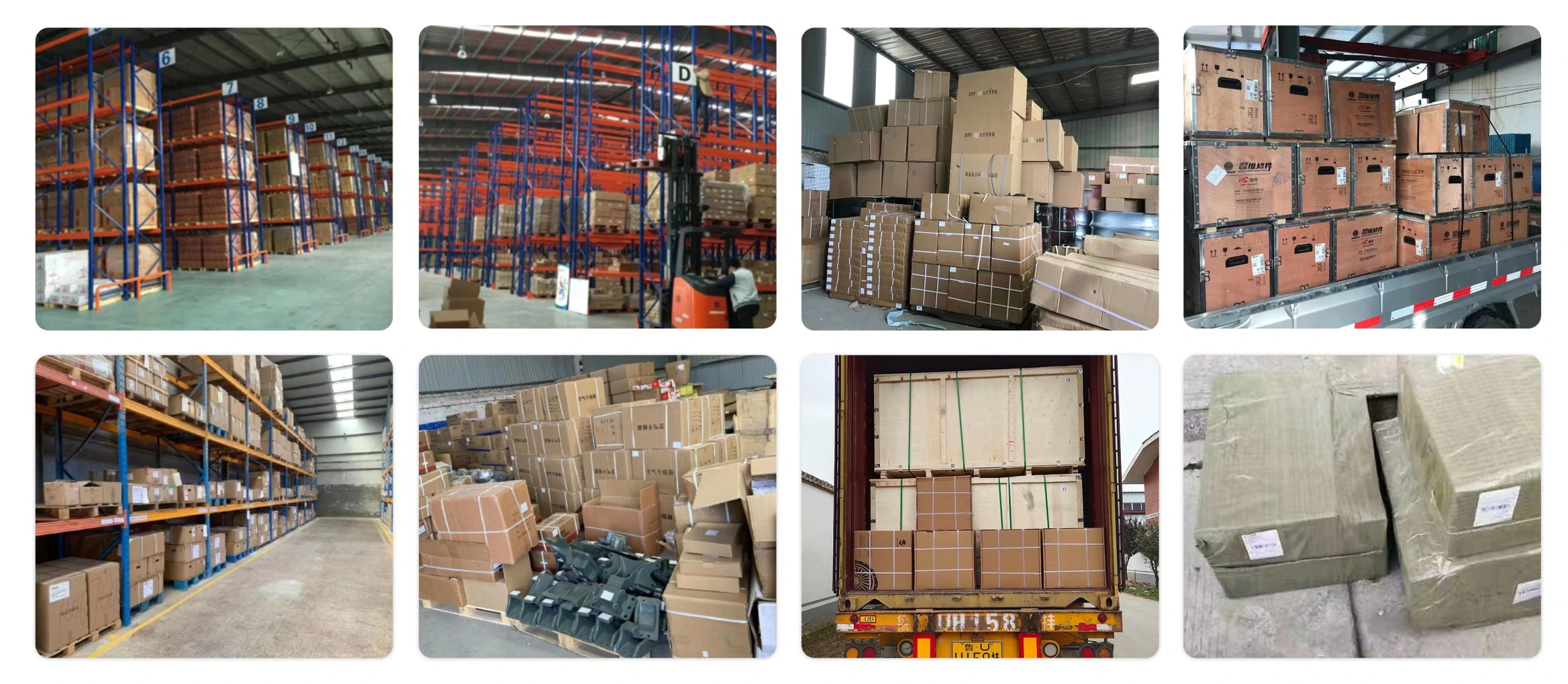
Esta abordagem de embalagem minimiza o risco de corrosão ou danos por impacto, garantindo que peças como o conjunto do bloco de cilindros FAW cheguem em perfeitas condições. Os clientes podem confiar na logística da FAW para obter qualidade e confiabilidade consistentes.