por 


Bem-vindo a esta desconstrução especializada do Refrigerador de óleo do motor FAW J6P (Conjunto principal P/N 1013010-36D). Este é o completo “Lubrificação & Módulo de gerenciamento térmico” para o motor no FAW Jiefang CA3250P66K2L1T1E 6×4 caminhão despejando.
Este não é apenas um simples radiador; é algo altamente complexo “Montagem Lógica” de 28 tipos de componentes, integrando o resfriador de óleo, o filtro de óleo é montado, e múltiplas válvulas de controle de pressão.
O “lógica” disso Refrigerador de óleo do motor FAW J6P é ser o “suporte de vida” sistema para o óleo do motor, realizando três tarefas: resfriamento, filtragem, e regulando a pressão.
O “Lógica Térmica” disso Refrigerador de óleo do motor FAW J6P é sua função mais óbvia. O óleo do motor faz mais do que lubrificar; ele *resfria* ativamente os pistões e o turboalimentador. Este módulo é um “líquido para líquido” permutador de calor. Ele faz o óleo do motor quente passar por um “pilha” de pratos, enquanto estiver executando o líquido de arrefecimento do motor frio através de placas alternadas. Esta enorme área de superfície *transfere eficientemente o calor do óleo para o líquido refrigerante*, onde o radiador principal do caminhão pode dissipá-lo. Esse “lógica” é a única coisa que evita o superaquecimento do óleo, “coque,” e destruindo o turbo.
Este guia técnico é um recurso essencial para reconstrutores de motores, técnicos de oficina mecânica, e gerentes de peças de frota. Desconstruiremos todo o grupo de 28 componentes em seus quatro principais “lógica” sistemas: o “Lógica de troca de calor” (o núcleo e o corpo mais frios), o “Lógica de interface de filtragem” (o filtro é montado), o crítico “Lógica de regulação de fluidos” (o desvio, segurança, e válvulas de pressão), e o “Selagem & Lógica do Fixador” que conecta todo Refrigerador de óleo do motor FAW J6P módulo para o motor.
Este grupo constitui o propósito central do Refrigerador de óleo do motor FAW J6P: para remover o calor do circuito de lubrificação.
1. Componentes: ‘Conjunto do resfriador de óleo’ (1013010-36D) & 'Corpo do resfriador de óleo’ (1013011-36D)
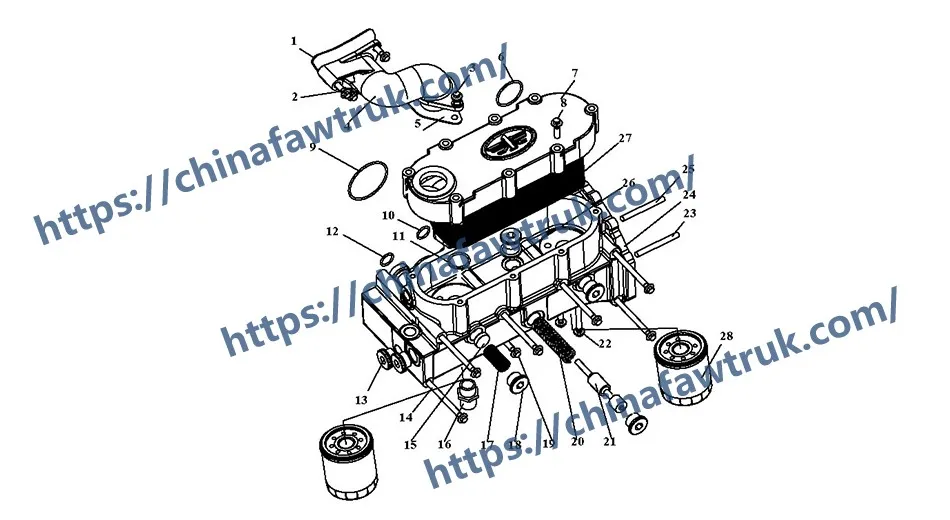
Este é o “Lógica de pilha de placas.” O ‘conjunto do resfriador de óleo’ (Comp. 27) é o completo “essencial”-um selado “pilha” de numerosas placas finas de alumínio. Isso é “lógica” é criar uma área de superfície enorme em um espaço pequeno. O óleo quente flui através de um conjunto de placas, enquanto o líquido refrigerante frio do motor flui através de um conjunto alternado. Isto é muito mais eficiente do que um antigo “tubo e aleta” mais frio. O ‘Corpo do resfriador de óleo’ (Comp. 24) é o alumínio fundido “habitação” que esta pilha principal está inserida em. Ele fornece os principais
estrutura, os pontos de montagem, e todas as portas de fluido para o Refrigerador de óleo do motor FAW J6P.
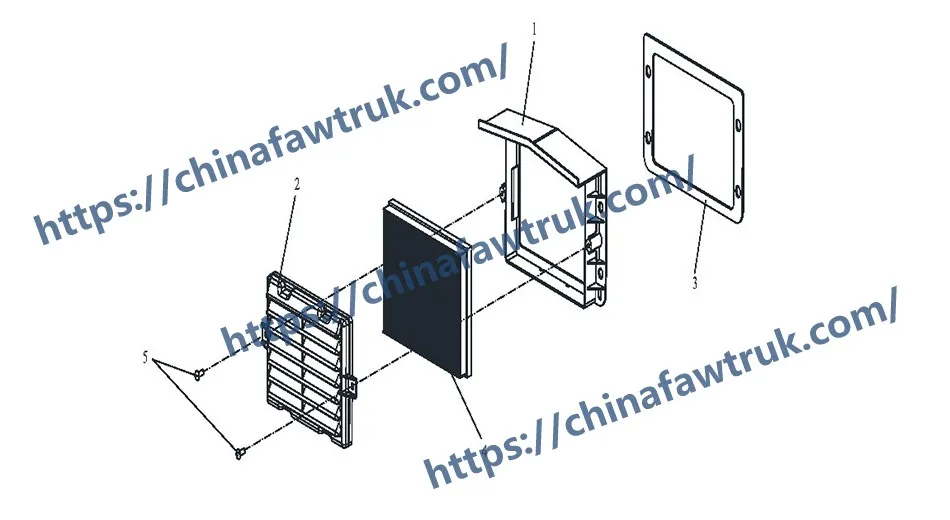
2. Componente: ‘Placa de cobertura do resfriador de óleo’ (1013021-29D)
Esse (Comp. 7) é o “Acesso & Lógica de Selagem.” Esta placa é o que segura o ‘conjunto do resfriador de óleo’ (o núcleo) dentro do ‘Corpo’ (Comp. 24). É selado com um grande anel de vedação (Comp. 9) e é preso por vários parafusos (Comp. 8). Esse “lógica” faz o Refrigerador de óleo do motor FAW J6P “utilizável”—um técnico pode remover esta tampa para substituir apenas o núcleo do resfriador se ele ficar entupido ou vazar, sem substituir toda a habitação cara.
Este grupo “lógica” é integrar os filtros de óleo do motor diretamente no Refrigerador de óleo do motor FAW J6P módulo, economizando espaço e simplificando o encanamento.
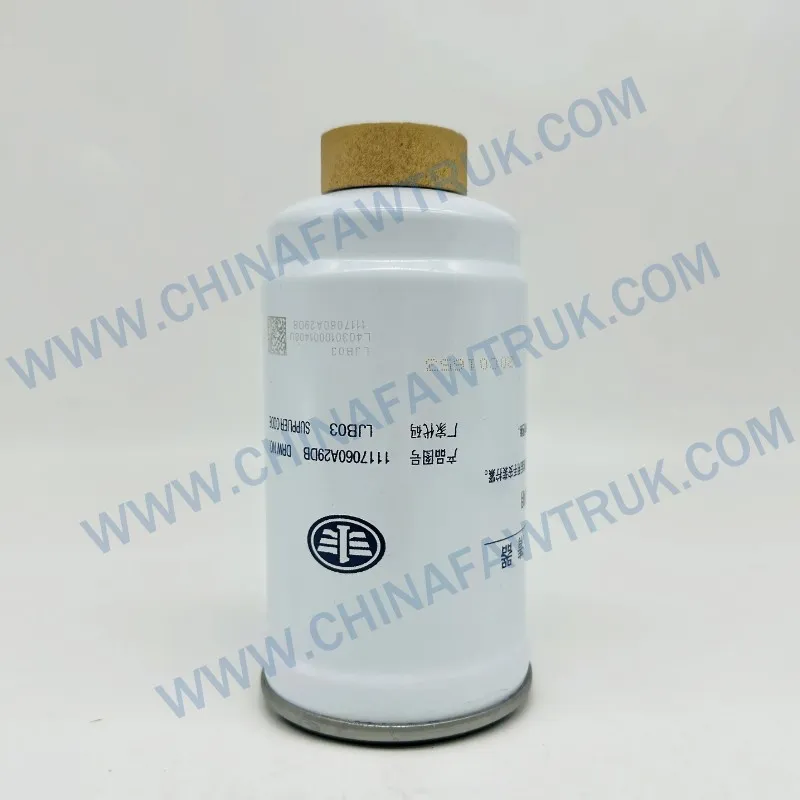
1. Componente: 'Conjunto do filtro de óleo’ (1012010-36D)
Esse (Comp. 28) é o principal “Lógica de Filtragem.” A lista pede dois (2) destes “girar” filtros. O “lógica” do Refrigerador de óleo do motor FAW J6P corpo deve agir como “estação de acoplamento” para esses filtros. O óleo limpo da bomba flui *para* esses filtros, passa pela mídia, e *então* flui para o refrigerador e o motor.
2. Componente: 'Conector do filtro de óleo de noz’ (1013022-29D)
Esse (Comp. 16) é o “Lógica de montagem.” A lista pede dois (2) destes. Estes são os ocos, rosqueado “mamilos” ou “conectores” que são parafusados no corpo do refrigerador (Comp. 24). O ‘conjunto do filtro de óleo’ (Comp. 28) gira nesses conectores. Deles “lógica oca” é o que permite que o óleo flua para dentro e para fora do filtro. Eles são mantidos no lugar por 'porcas de flange sextavadas’ (Comp. 11).
Este é o “cérebro” do Refrigerador de óleo do motor FAW J6P. Contém três válvulas separadas para gerenciar o fluxo de óleo em todas as condições.
1. O “Partida a frio” Lógica: ‘Válvula de desvio – refrigerador de óleo’ (1013027-29D)
Esse (Comp. 15) é o “Lógica do óleo frio.” Em uma inicialização a -20°C, o óleo é espesso como mel. Forçando-o através das pequenas placas do Refrigerador de óleo do motor FAW J6P criaria uma contrapressão massiva e deixaria o motor sem energia. Esse “bypass térmico” válvula “lógica” sente essa alta pressão (ou temperatura) e *abre*, permitindo o frio, óleo grosso para *dar a volta* (ignorar) o núcleo mais frio e flui diretamente para os rolamentos do motor. À medida que o óleo aquece, esta válvula fecha, forçando o petróleo de volta
através do refrigerador.
2. O “Regulação de pressão” Lógica: 'Núcleo da válvula reguladora de pressão’ (1013023-29D) & 'Primavera’ (1013024-29D)
Esse (Comp. 20 & 21) é o “Lógica de Pressão Mestre.” A bomba de óleo do motor está “deslocamento positivo,” o que significa que sua pressão aumenta com RPM. Esta válvula “lógica” é definir a pressão de óleo *máxima* para todo o motor. Quando a pressão excede a classificação da mola (Por exemplo, 70 PSI), empurra o 'núcleo da válvula’ (Comp. 21) abrir, sangrando o excesso de óleo de volta para o cárter. Isto é o que protege as vedações do motor contra explosão em altas RPM.
3. O “Válvula de segurança” Lógica: ‘Mola da válvula de segurança’ (1013028-29D) & ‘Plugue’ (1013026-29D)
Esse (Comp. 17 & 18) é o “Lógica à prova de falhas.” E se o filtro de óleo (Comp. 28) fica completamente entupido? Esse “segurança” ou “desvio de filtro” válvula “lógica” é abrir sob essa pressão extrema. Permite *não filtrado*, óleo sujo para desviar do filtro e fluir para o motor. Embora o óleo sujo seja ruim, “sem óleo” (de um filtro bloqueado) é instantaneamente catastrófico. Esta válvula no Refrigerador de óleo do motor FAW J6P é projetado para escolher o “o menor de dois males” para salvar o motor.
Este grupo final “lógica” é fornecer todos os “encanamento” e “hardware” para conectar o Refrigerador de óleo do motor FAW J6P ao bloco e selar todas as passagens internas.
1. O “Encanamento” Lógica: 'Tubo de conexão’ (1013031-36D) & ‘Juntas’ (1013037-1-29D, 1013036-29D)
Esse (Comp. 1, 4, 5) é o “Lógica de Interface Externa.” O ‘tubo de conexão’ é o principal “saltador” que move fluido (provável refrigerante) do bloco do motor *para* o módulo do resfriador. As ‘Juntas’ são os críticos, vedações de alta temperatura que evitam que esse fluido vaze nos pontos de conexão.
2. O “Vedação Interna” Lógica: (Anéis de vedação & Plugues)
Este grupo sela o interior, passagens de alta pressão. Os vários 'O-rings’ (Comp. 6, 9, 10, 11, 12) são os “Lógica de vedação estática.” Eles são usados para selar o núcleo mais frio (Comp. 27) dentro do corpo (Comp. 24) e para vedar os vários bujões das válvulas (Comp. 18). São eles que mantêm o óleo e o líquido refrigerante *separados*. Os 'plugues hexagonais’ (Comp. 13) e ‘Juntas de cobre’ (Comp. 26) são os “Lógica de Fundição,” selando os furos perfurados durante a fabricação.
3. O “Fixador” Lógica: (Parafusos & Pregos)
A montagem usa uma mistura de 'parafusos de flange sextavados’ (Comp. 2, 8), ‘Parafusos’ (Comp. 14), e 'pregos de duas pontas’ (Comp. 3, 19, 22, 23, 25). O “Lógica de Stud” é superior para um pesado, componente de alta vibração como o Refrigerador de óleo do motor FAW J6P. Os pinos são rosqueados no bloco do motor, o módulo é deslizado, e porcas são usadas para fixá-lo. Isto proporciona uma força de fixação mais precisa e durável do que parafusos simples.
A tabela a seguir fornece o completo, detalhamento de todos 28 tipos de componentes identificados neste Refrigerador de óleo do motor FAW J6P e Módulo de Filtro para FAW Jiefang CA3250P66K2L1T1E 6×4 caminhão despejando.
| Marca | Parte não. | Nome da peça | Quantidade |
|---|---|---|---|
| 1 | 1013037-1-29D | Junta – tubo de conexão | 1 |
| 2 | Q1840830 | Parafuso de flange hexagonal | 3 |
| 3 | Q1820845 | Parafuso prisioneiro de flange hexagonal | 2 |
| 4 | 1013031-36D | Tubo de conexão | 1 |
| 5 | 1013036-29D | Junta – tubo de conexão | 1 |
| 6 | CQ7342545C | O-ring para pneumático | 1 |
| 7 | 1013021-29D | Placa de cobertura do resfriador de óleo | 1 |
| 8 | Q1840830 | Parafuso de flange hexagonal | 6 |
| 9 | CQ7342710C | O-ring para pneumático | 1 |
| 10 | CQ7342300C | O-ring para pneumático | 1 |
| 11 | CQ7342300C | O-ring para pneumático | 2 |
| 12 | CQ734180C | O-ring para pneumático | 4 |
| 13 | P/WC3410-1994 | Plugue sextavado M24x1,5 | 5 |
| 14 | 1013033-29D | Parafuso – corpo do refrigerador de óleo | 7 |
| 15 | 1013027-29D | Válvula de desvio – refrigerador de óleo | 1 |
| 16 | 1013022-29D | Noz – conector do filtro de óleo | 2 |
| 17 | 1013028-29D | Mola da válvula de segurança | 1 |
| 18 | 1013026-29D | Bujão da válvula de segurança | 1 |
| 19 | Q1820840 | Parafuso prisioneiro de flange hexagonal | 2 |
| 20 | 1013024-29D | Mola da válvula reguladora de pressão | 1 |
| 21 | 1013023-29D | Núcleo da válvula reguladora de pressão | 1 |
| 22 | Q1820870 | Parafuso prisioneiro de flange hexagonal | 4 |
| 23 | CQ1200840 | Garanhão de duas pontas | 2 |
| 24 | 1013011-36D | Corpo do resfriador de óleo | 1 |
| 25 | CQ1200870 | Garanhão de duas pontas | 1 |
| 26 | Q/WC3403-1994 | Junta de cobre 24×30 | 6 |
| 27 | 1013010-36D | Conjunto do resfriador de óleo | 1 |
| 28 | 1012010-36D | Conjunto de filtro de óleo | 2 |
As especificações para o Refrigerador de óleo do motor FAW J6P são definidos por sua função como um sistema térmico integrado, filtração, e módulo de regulação de pressão.
| Aplicação em veículos | FAW Jiefang CA3250P66K2L1T1E 6×4 Caminhão basculante |
| Grupo de sistemas | Refrigerador de óleo do motor FAW J6P & Módulo de Filtragem |
| Conjunto principal do refrigerador P/N | 1013010-36D |
| Carcaça Principal P/N | 1013011-36D |
| Lógica Primária | Gestão Térmica (Troca de calor líquido para líquido) |
| Lógica Secundária | Filtragem de Óleo & Regulação da pressão do óleo |
| Tipo de refrigerador | Trocador de calor de pilha de placas |
| Capacidade de filtragem | 'Conjunto do filtro de óleo’ (1012010-36D) – Quantidade 2 (Filtro duplo) |
| Válvula de regulação 1 | ‘Válvula reguladora de pressão’ (1013023-29D) – Pressão Mestre |
| Válvula de regulação 2 | ‘Válvula de desvio – refrigerador de óleo’ (1013027-29D) – Desvio de óleo frio |
| Válvula de regulação 3 | ‘Válvula de segurança’ (1013028-29D/1013026-29D) – Filtro entupido à prova de falhas |
| Sistema Associado | Completo Refrigerador de óleo do motor FAW J6P Módulo |
Peças FAW, incluindo o conjunto do bloco de cilindros, são embalados com cuidado para garantir uma entrega segura. Cada componente é protegido por materiais de proteção para evitar danos durante o transporte. A rede logística garante envios pontuais em todo o mundo, apoiando operações de manutenção eficientes. Abaixo está uma imagem ilustrando a embalagem padrão para peças de caminhão FAW, mostrando a atenção aos detalhes no manuseio e armazenamento.

Esta abordagem de embalagem minimiza o risco de corrosão ou danos por impacto, garantindo que peças como o conjunto do bloco de cilindros FAW cheguem em perfeitas condições. Os clientes podem confiar na logística da FAW para obter qualidade e confiabilidade consistentes.