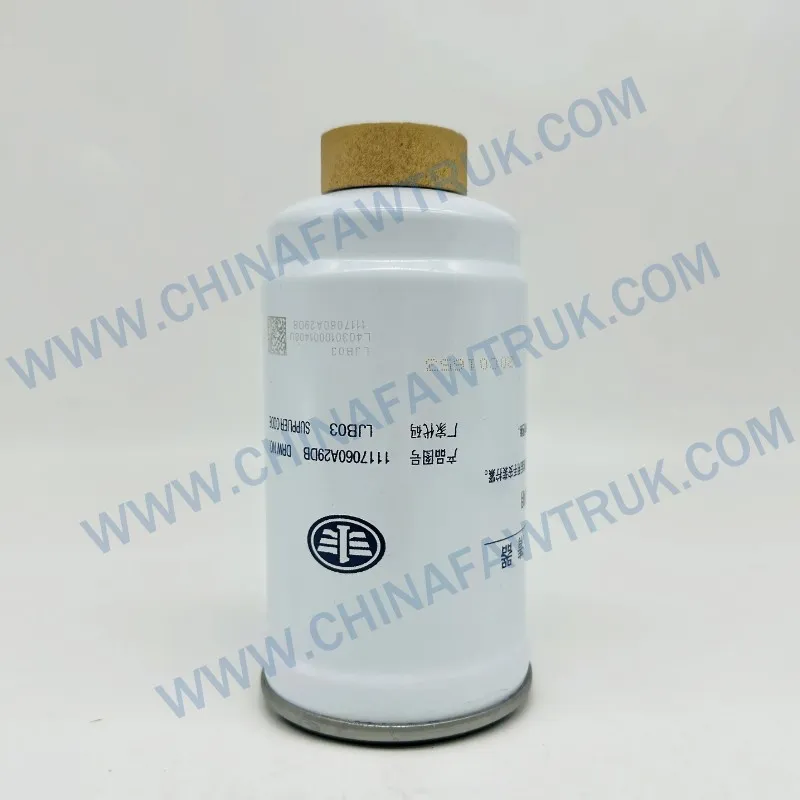
por 


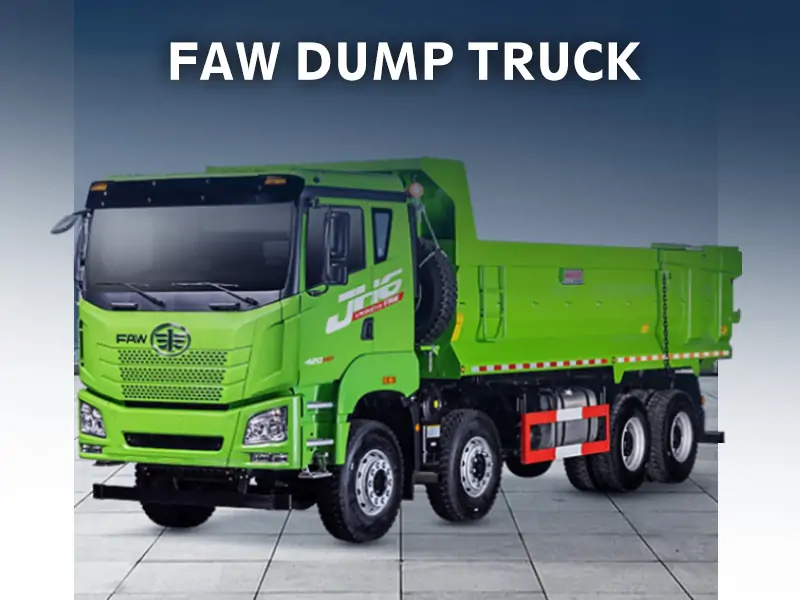
Bem-vindo a esta desconstrução especializada do Ventilação do cárter FAW J6P sistema. Este é o completo “respiração do motor” e “separação de óleo” montagem para o FAW Jiefang CA3250P66K2L1T1E 6×4 caminhão despejando.
Esta não é apenas uma simples mangueira; é um complexo de 14 componentes “Montagem Lógica” projetado para lidar com o motor “golpe.”
O “lógica” disso Ventilação do cárter FAW J6P sistema é liberar com segurança a pressão do cárter, *separar* a névoa de óleo desse gás, *retorne* o óleo líquido para a panela, e *encaminhar* o gás limpo de volta para a entrada para ser queimado.
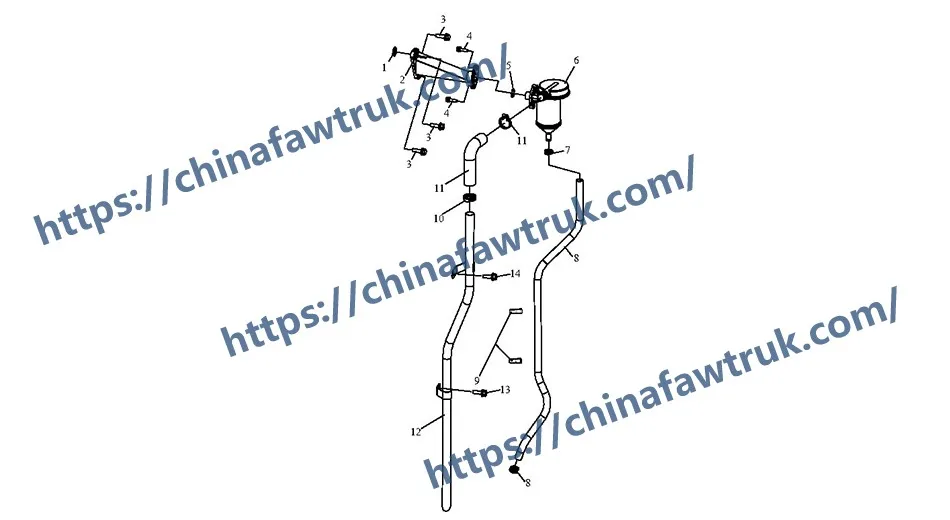
O “Lógica de Separação” disso Ventilação do cárter FAW J6P sistema é seu recurso mais crítico. Todos os motores de pistão possuem “golpe”-quente, gás de alta pressão que vaza pelos anéis do pistão. Este gás está contaminado com um pesado “névoa” de óleo quente. Se esta névoa for liberada na entrada, ele vai “coque” o turbocompressor e sujar as válvulas de admissão, levando a uma enorme perda de energia. Se for ventilado para a atmosfera, é um grande poluente ambiental. Este sistema, centrado no 'conjunto do separador de petróleo-gás’ (Comp. 6), é projetado para “esfregar” esse gás limpo.
Este guia técnico é um recurso essencial para técnicos de motores, gestores de frota, e especialistas em peças. Desconstruiremos todo o grupo do tipo de 14 componentes. Iremos analisar o “Lógica de Separação” (a unidade separadora principal), o “Encanamento & Lógica de Fluxo” (os vários tubos para gás sujo, gás limpo, e retorno de petróleo), o “Lógica de Selagem” (as juntas), e o “Estrutural & Lógica do Fixador” que contém toda Ventilação do cárter FAW J6P sistema em conjunto e isola-o da vibração.
Este componente é o “cérebro” do Ventilação do cárter FAW J6P sistema. Todo o seu propósito é separar o óleo líquido do gás soprado.
1. Componente: 'Conjunto do separador de petróleo-gás’ (1014010-70AB1)
Esse (Comp. 6) é o núcleo da assembleia. Não é uma caixa vazia. Isso é “Lógica do Defletor” é um interno “labirinto” ou “ciclônico” caminho. O “sujo” gás soprado (misturado com névoa de óleo) entra no separador em alta velocidade.
O “Impacto & Lógica de Coalescência” é assim que funciona. As gotas pesadas de óleo líquido têm muita inércia para fazer curvas fechadas no labirinto. Eles “impacto” as paredes defletoras. Como eles fazem, eles “coalescer” (fundir-se em gotas mais pesadas) e pingue no fundo do separador. O “limpar” gás (que agora é apenas vapor) é leve o suficiente para fazer curvas e saídas de uma área separada “limpar” porta. Esta é a função principal do Ventilação do cárter FAW J6P unidade.
Uma falha ou entupimento neste separador é um grande problema. Se entupir, o cárter irá pressurizar, soprando os principais retentores de óleo. Se seus defletores internos falharem, permitirá que o óleo líquido seja “sugado” na admissão do motor, levando à fumaça azul, alto consumo de óleo, e o rápido “coque” (acúmulo de carbono) do turbocompressor e das válvulas de admissão.
Este grupo forma o “caminho” do Ventilação do cárter FAW J6P sistema, movendo o gás e o petróleo para seus locais corretos.
1. Componente: ‘Conectando o conjunto do tubo – ventilação’ (1014029-48D)
Esse (Comp. 11) é o “Lógica do Lado Sujo.” A função deste tubo é coletar o “sujo,” gás soprador carregado de névoa de óleo (geralmente da tampa do cabeçote) e transportá-lo *para* o ‘Separador de petróleo e gás’ (Comp. 6). Deve ser de grande diâmetro, tubo de fluxo livre.
2. Componente: 'Conjunto do tubo de ventilação’ (1014025-59D)
Esse (Comp. 12) é o “Lógica lateral limpa.” Depois do separador (Comp. 6) tem “esfregado” o gás, esse cachimbo “lógica” é transportar o gás *limpo* (agora é só vaporizar) *do* separador e direcione-o *de volta* para a entrada de ar do motor (geralmente logo antes do turboalimentador). Esse “Lógica de malha fechada” é o que o torna um dispositivo de controle de emissões, pois permite que esses hidrocarbonetos não queimados sejam queimados novamente pelo motor.
3. Componente: ‘Tubo de retorno de óleo – Separador de óleo-gás’ (1014022-B29D)
Esse (Comp. 8) é o “Drenar Lógica.” Esta é uma crítica, mas muitas vezes esquecido, parte do Ventilação do cárter FAW J6P sistema. Isso é “lógica” é ser o único caminho “ralo” por todo o óleo líquido que “coalesce” na parte inferior do separador (Comp. 6). Este tubo direciona o óleo capturado *de volta* para o cárter do motor, devolvendo-o ao sistema de lubrificação. Um entupimento neste pequeno tubo é um ponto de falha comum que fará com que todo o separador se encha com óleo, que é então sugado para dentro do “lado limpo” (Comp. 12), causando consumo massivo de petróleo e fumaça azul.
Este grupo “lógica” é garantir a Ventilação do cárter FAW J6P o sistema é estruturalmente sólido e perfeitamente hermético.
1. Componente: 'Apoiar – Separador de óleo-gás’ (1014021-48D)
Esse (Comp. 2) é o “Lógica Antivibração.” O ‘Separador de petróleo-gás’ (Comp. 6) é um componente relativamente pesado, e não pode simplesmente “pendurar” fora de seus canos. Esse “apoiar” é um suporte de aço resistente. Isso é “lógica” é parafusar com segurança o conjunto do separador ao bloco do motor, isolando-o das vibrações do motor e evitando que a carcaça de plástico ou as conexões dos tubos rachem.
2. Componentes: 'Junta – Separador de óleo-gás’ (1014014-70A) & 'Junta – …apoiar’ (1014017-70A)
Esses (Comp. 1 & 5) são os “Lógica de Selagem.” Este é um “hermético” sistema. Qualquer vazamento *depois* do filtro de ar é um grande problema, pois vai sugar a sujeira, ar não filtrado *para dentro* do motor. Essas juntas “lógica” é proporcionar um perfeito, flexível, vedação resistente a óleo nos principais pontos de conexão (Por exemplo, onde o separador é parafusado na tampa ou bloco do cabeçote). Um vazamento aqui causará um “vazamento de vácuo” codifique e alimente poeira abrasiva diretamente no motor, destruindo o Ventilação do cárter FAW J6P função do sistema.
Este grupo final “lógica” é fornecer um ambiente seguro, conexão à prova de vibração para todos os componentes do Ventilação do cárter FAW J6P sistema.
1. O “Grampo de mangueira” Lógica (Componentes 7, 9, 10)
O sistema utiliza quatro (4) 'Braçadeiras para tubos macios com rosca sem-fim’ (Comp. 7 & 10) e dois (2) 'Braçadeiras para tubos’ (Comp. 9). O “lógica” desses grampos é fornecer um ângulo de 360 graus, “Braçadeira hermética” nas seções da mangueira flexível (como o ‘tubo de retorno de óleo’, Comp. 8). Isso garante uma vedação positiva que não vazará óleo (no lado do dreno) ou sugar o ar (no lado da ventilação), mesmo quando as mangueiras de borracha esquentam e endurecem com o tempo.
2. O “Parafuso” Lógica (Componentes 3, 4, 13, 14)
Este é o “Lógica de Fixadores Estruturais.” O sistema utiliza cinco (5) 'Parafusos de combinação’ (Comp. 3 & 4) e dois (2) ‘Parafusos de flange sextavados’ (Comp. 13 & 14) com suas arruelas associadas. O “Combinação” e “Flange” parafuso “lógica” é que a arruela embutida distribui a carga de fixação e resiste à vibração. Isto é o que mantém o ‘Suporte’ (Comp. 2) para o Ventilação do cárter FAW J6P separador de se soltar, garantindo a confiabilidade da montagem a longo prazo.
A tabela a seguir fornece o completo, detalhamento de todos 14 tipos de componentes no Ventilação do cárter FAW J6P montagem para o FAW Jiefang CA3250P66K2L1T1E 6×4 caminhão despejando.
| Marca | Parte não. | Nome da peça | Quantidade |
|---|---|---|---|
| 1 | 1014014-70A (1014014A600-0367) | Junta – Separador de óleo-gás | 1 |
| 2 | 1014021-48D (1014021B621-0000) | Apoiar – Separador de óleo-gás | 1 |
| 3 | CQ1460830 | Parafuso de combinação | 3 |
| 4 | CQ1460625 | Parafuso de combinação | 2 |
| 5 | 1014017-70A (1014036-29D) | Junta – Suporte para separador de óleo-gás | 1 |
| 6 | 1014010-70AB1 (1014010A600-0367) | Conjunto de separador de óleo-gás | 1 |
| 7 | Q676B16 | Braçadeira de tubo flexível com rosca sem-fim tipo B | 2 |
| 8 | 1014022-B29D (1014022-630-0000) | Tubo de retorno de óleo – Separador de óleo-gás | 1 |
| 9 | 1014031-48D (1014031-621-0000) | Braçadeira de tubo | 2 |
| 10 | Q676B29 | Braçadeira de tubo flexível com rosca sem-fim tipo B | 2 |
| 11 | 1014029-48D | Conjunto de tubo de conexão – ventilação | 1 |
| 12 | 1014025-59D (1014025B630-0000) | Conjunto de tubo de ventilação | 1 |
| 13 | Q1841020 Q40110 | Parafuso de flange hexagonal Máquina de lavar | 1 1 |
| 14 | Q1840816 Q40108 | Parafuso de flange hexagonal Máquina de lavar | 1 1 |
As especificações para o Ventilação do cárter FAW J6P sistema são definidos por sua função como um circuito fechado, dispositivo de separação de emissões de óleo.
| Aplicação em veículos | FAW Jiefang CA3250P66K2L1T1E 6×4 Caminhão basculante |
| Grupo de sistemas | Ventilação do cárter FAW J6P (PCV) Sistema |
| Lógica Primária | Separação de Petróleo/Gás (Tratamento de sopro) |
| Lógica Secundária | Despressurização do cárter, Controle de Emissões, Recuperação de petróleo |
| Componente principal | 'Conjunto do separador de petróleo-gás’ (1014010-70AB1) |
| Tubo de entrada (Gás Sujo) | ‘Conectando o conjunto do tubo – ventilação’ (1014029-48D) |
| Tubo de saída (Gás Limpo) | 'Conjunto do tubo de ventilação’ (1014025-59D) |
| Tubo de drenagem (Óleo Recuperado) | ‘Tubo de retorno de óleo’ (1014022-B29D) |
| Sistema de montagem | 'Apoiar’ (1014021-48D) & ‘Juntas’ (1014014-70A, 1014017-70A) |
| Sistema de segurança | 'Braçadeira de tubo macio com rosca sem-fim’ (Q676B16, Q676B29) |
| Modo de falha | Dreno/separador entupido leva a alto consumo de óleo e falha na vedação. |
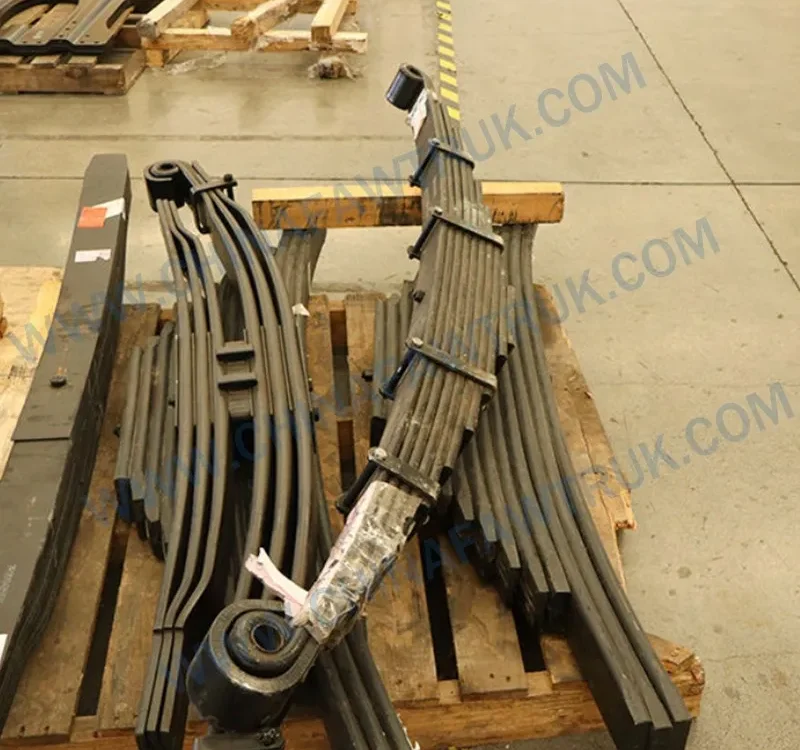
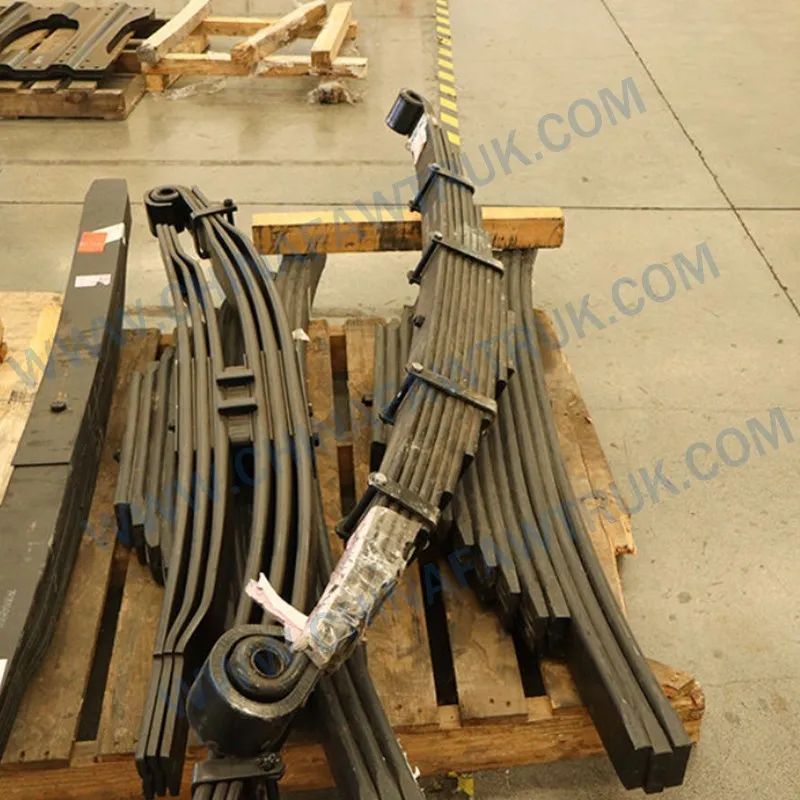
Peças FAW, incluindo o conjunto do bloco de cilindros, são embalados com cuidado para garantir uma entrega segura. Cada componente é protegido por materiais de proteção para evitar danos durante o transporte. A rede logística garante envios pontuais em todo o mundo, apoiando operações de manutenção eficientes. Abaixo está uma imagem ilustrando a embalagem padrão para peças de caminhão FAW, mostrando a atenção aos detalhes no manuseio e armazenamento.
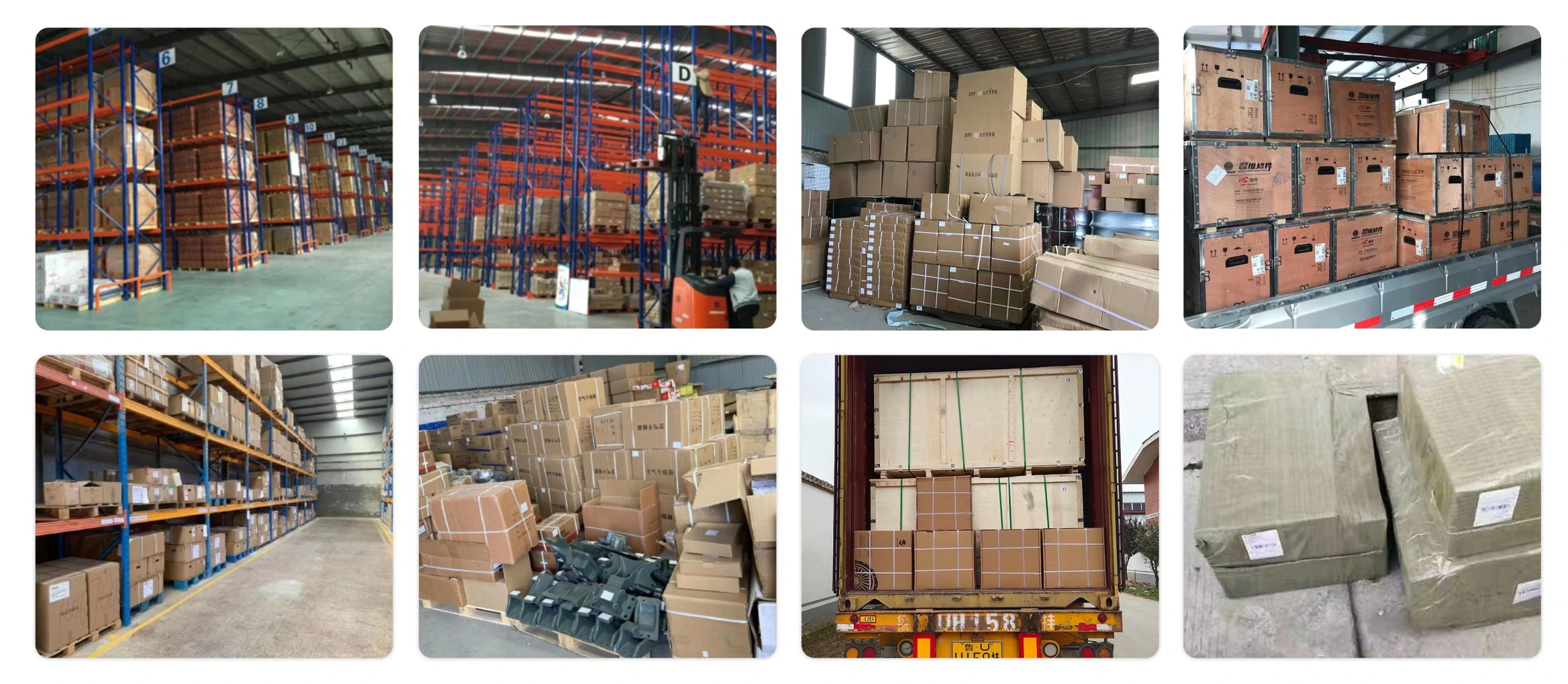
Esta abordagem de embalagem minimiza o risco de corrosão ou danos por impacto, garantindo que peças como o conjunto do bloco de cilindros FAW cheguem em perfeitas condições. Os clientes podem confiar na logística da FAW para obter qualidade e confiabilidade consistentes.