Arbre de sortie de sous-boîte russe FAW: Commandant 14 Composants stratégiques pour une endurance ultime de la transmission
Le Arbre de sortie de sous-boîte russe FAW l'assemblage représente la finale, maillon décisif de la chaîne de transmission du camion benne CA3250P66K24L1TE5Z. Responsable de fournir un couple multiplié à l’arbre d’hélice, cet assemblage doit résister à la combinaison brutale du cisaillement de torsion et de la contraction thermique arctique. Ce guide analyse les 14 composants critiques définissant sa fiabilité.

Ensemble d'arbre de sortie de sous-boîte russe FAW
Noyau métallurgique: La structure de l'arbre de sortie
Le fondement structurel de cette assemblée est le Arbre de sortie – Sous-boîte (Partie no. 1701541-BSX805). Ce composant massif est forgé à partir d'acier allié au chrome-molybdène de haute qualité., spécialement traité pour répondre aux exigences de couple extrêmes d'un camion-benne chargé. Dans le contexte du Arbre de sortie de sous-boîte russe FAW, la ténacité des matériaux est primordiale. À -40°C, les aciers au carbone standard deviennent dangereusement cassants. L'alliage utilisé ici conserve sa ductilité, permettant à l'arbre d'absorber les charges de choc soudaines des chutes d'embrayage ou du patinage des roues sur des pentes glacées sans se fracturer.
L'arbre comporte des cannelures usinées avec précision aux deux extrémités. Les cannelures internes s'accouplent au système planétaire à changement de gamme, tandis que les cannelures externes se connectent au Bride de sortie (Partie no. 1701616-BSX805). Le montage entre le Arbre de sortie de sous-boîte russe FAW et la bride est un ajustement serré, nécessitant un pressage hydraulique pour l'assemblage. Cette tolérance étroite garantit qu'il n'y a aucun jeu de rotation, ou “fouetter,” dans la transmission. Un jeu excessif amplifierait les vibrations de la transmission causées par l'ordre d'allumage oscillant du moteur diesel., entraînant une usure rapide des cardans en aval.
La fixation de la bride à l'arbre est la tâche massive Écran de verrouillage (Partie no. 1701621-A5U). Ce n'est pas une fixation standard; il s'agit d'un écrou dynamométrique courant conçu pour être serré à des centaines de Newton-mètres. Il résiste activement aux forces de desserrage générées par la rotation de l'arbre de transmission. Dans le Arbre de sortie de sous-boîte russe FAW assemblée, cet écrou précharge efficacement l'ensemble de la pile d'engrenages et de roulements, les serrer ensemble en un seul, unité rigide. Un contre-écrou desserré est la principale cause de défaillance du joint de sortie et d'effondrement du roulement..
Logique de plage: Le complexe synchroniseur
La polyvalence de la transmission J6P réside dans sa capacité à diviser les rapports, une fonction gérée par les composants de synchronisation sur le Arbre de sortie de sous-boîte russe FAW. Le système utilise le Ensemble de cône de synchroniseur à grande vitesse (Partie no. 1701555FA0L) et le Ensemble de cône de synchroniseur à vitesse basse (Partie no. 1701565FA0L). Ces cônes doublés de laiton ou de carbone font office de freins, faire correspondre la vitesse de rotation de l'arbre au rapport sélectionné avant l'engagement. Dans l'hiver glacial russe, l'huile de transmission épaisse crée une traînée importante. Le matériau de friction sur ces cônes est optimisé pour couper le film d'huile visqueux, garantissant des changements de vitesse précis même lors des démarrages à froid.
La mission elle-même est exécutée par le Manchon d'engrenage coulissant – Synchroniseur de sous-boîtier (Partie no. 1701561FA0L). Ce manchon coulisse axialement le long des cannelures de l'arbre, verrouillage du pignon de gamme haute ou basse sur l'arbre de sortie. Les dents internes du manchon sont chanfreinées pour guider l'engagement. Le Arbre de sortie de sous-boîte russe FAW repose sur la dureté précise de ce manchon; si c'est trop mou, les dents vont baver et rendre le déplacement difficile. Si c'est trop dur, il peut s'ébrécher sous la force d'un quart de travail manqué.
Maintenir la position neutre et fournir la sensation de détente nécessaire sont les Printemps – Synchroniseur de sous-boîtier (Partie no. 1701558-A7G). Il y a trois de ces ressorts espacés autour du moyeu. Ils exercent une pression radiale sur les touches/billes de détente. Dans le Arbre de sortie de sous-boîte russe FAW logique, ces ressorts doivent conserver leur tension pendant des millions de cycles. La fatigue dans ces sources entraîne une “lâche” sensation du levier de vitesse et peut permettre à la transmission de sortir de la plage sous charge, un scénario dangereux lors de la descente d'une pente raide d'une mine.
Dynamique des roulements: Rouleaux coniques à double rangée
Le support de l'ensemble tournant est le Roulement à rouleaux coniques à double rangée (Partie no. 350614 X4DR-1). Il s’agit de l’élément porteur critique du Arbre de sortie de sous-boîte russe FAW. Contrairement à un roulement à billes qui supporte principalement des charges radiales, ce roulement à rouleaux coniques est conçu pour supporter d'immenses charges radiales (du poids de l'arbre de transmission) et charges axiales (de la poussée des engrenages hélicoïdaux). Le “Double rangée” la configuration offre une rigidité exceptionnelle, empêchant l'arbre de s'incliner ou de vaciller sous la charge.
Le jeu interne de ce roulement est préréglé en usine, mais sa durée de vie dépend d'une bonne lubrification. Le Arbre de sortie de sous-boîte russe FAW la conception comprend des canaux d'huile qui dirigent le fluide dans la bague de roulement. Cependant, dans l'Arctique, l'huile est peut-être trop épaisse pour s'écouler immédiatement au démarrage. La cage de roulement et les rouleaux sont conçus avec des traitements de surface qui permettent de brèves périodes de lubrification limite sans grippage, protéger le roulement jusqu'à ce que le liquide de transmission se réchauffe et s'écoule librement.
Le positionnement des engrenages par rapport à ce roulement est le Anneau de limite – Vitesse basse (Partie no. 1701543FA0L) et le Rondelle de localisation – Vitesse basse (Partie no. 1701544-A7G). Ces entretoises rectifiées avec précision déterminent le jeu final du rapport inférieur. Si cet espacement est incorrect, les engrenages ne s'engreneront pas complètement, conduisant à une charge sur le bord de la dent et à une défaillance rapide. Le Arbre de sortie de sous-boîte russe FAW le processus d'assemblage nécessite une mesure méticuleuse de ces composants pour garantir que la hauteur de la pile se situe dans les microns des spécifications.
Logique d'étanchéité: Joints d'huile et cache-poussière
L'arrière de la transmission est le point le plus vulnérable à la pénétration de contaminants. Le Arbre de sortie de sous-boîte russe FAW l'assemblage utilise une stratégie d'étanchéité robuste dirigée par le Bague de support de joint d'huile (Partie no. 1701572-A5U). Cet anneau en acier trempé est pressé sur la bride de sortie, fournissant un impeccable, surface de roulement remplaçable pour les lèvres du joint d'huile en caoutchouc. Au fil du temps, le joint portera une rainure dans cet anneau; le remplacement de la bague restaure la surface d'étanchéité sans avoir à remplacer la bride coûteuse.
Protéger le joint contre les dommages physiques est la Cache-poussière (Partie no. 1701617-BSX800). Dans la boue, environnement rocheux d'une carrière, ce bouclier métallique agit comme un déflecteur. Il tourne avec l'arbre, utiliser la force centrifuge pour projeter la boue et l'eau loin de la délicate lèvre du joint. Sans cette couverture, la boue abrasive se tasserait contre le joint, le broyer en quelques jours. Le Arbre de sortie de sous-boîte russe FAW la conception intègre ce couvercle étroitement au boîtier pour créer un effet labyrinthe, excluant en outre les contaminants.
Intégré à l'assemblage se trouve le Ver – Entraînement du compteur de vitesse (Partie no. 1701621-79UN). Cet engrenage en nylon ou en acier entraîne le capteur de vitesse du véhicule. Son emplacement sur l'arbre de sortie garantit que la lecture du compteur de vitesse reflète la vraie vitesse sur route., quel que soit le rapport sélectionné. Le Arbre de sortie de sous-boîte russe FAW la conception garantit que cet engrenage est solidement claveté sur l'arbre, empêcher tout glissement qui entraînerait une télémétrie de vitesse inexacte, un problème de sécurité critique dans les descentes verglacées.
Répartition des composants: 110. Ensemble d'arbre de sortie de sous-boîte
| Non. |
Numéro de pièce |
Nom de la pièce |
Quantité |
| 1 |
1701558-A7G |
Printemps – Synchroniseur de sous-boîtier |
3 |
| 2 |
1701555FA0L |
Ensemble de cône de synchroniseur à grande vitesse |
1 |
| 3 |
1701561FA0L |
Manchon d'engrenage coulissant – Synchroniseur de sous-boîtier |
1 |
| 4 |
1701565FA0L |
Ensemble de cône de synchroniseur à vitesse basse |
1 |
| 5 |
1701541-BSX805 |
Arbre de sortie – Sous-boîte |
1 |
| 6 |
1701543FA0L |
Anneau de limite – Vitesse basse |
1 |
| 7 |
1701542FA0L |
Vitesse basse – Sous-boîte |
1 |
| 8 |
1701544-A7G |
Rondelle de localisation – Vitesse basse |
1 |
| 9 |
350614 X4DR-1 |
Roulement à rouleaux coniques à double rangée |
1 |
| 10 |
1701572-A5U |
Bague de support de joint d'huile |
1 |
| 11 | 1701621-79UN | Ver – Entraînement du compteur de vitesse | 1 |
| 12 | 1701617-BSX800 | Cache-poussière | 1 |
| 13 | 1701616-BSX805 | Bride de sortie | 1 |
| 14 | 1701621-A5U | Écran de verrouillage | 1 |
Conclusion: Le dernier maillon de la fiabilité
Le Arbre de sortie de sous-boîte russe FAW L'assemblage est le composant définitif de délivrance de couple de la transmission J6P. Chaque partie, de l'arbre en alliage forgé aux cônes de synchronisation usinés avec précision, est conçu pour supporter les charges et températures extrêmes du théâtre d’opérations russe. Il traduit la puissance du moteur en mouvement vers l'avant, quelle que soit la difficulté du terrain ou la température basse.
Pour les techniciens de transmission, la reconstruction de cette section nécessite une attention absolue aux détails. La réutilisation d'un anneau de support usé ou d'un ressort fatigué peut entraîner des fuites d'huile et des problèmes de changement de vitesse qui retarderont le camion.. En utilisant le véritable Arbre de sortie de sous-boîte russe FAW composants, les opérateurs s'assurent que leur transmission conserve son intégrité conforme aux spécifications d'usine, offrir des performances fiables saison après saison.
Emballage et logistique
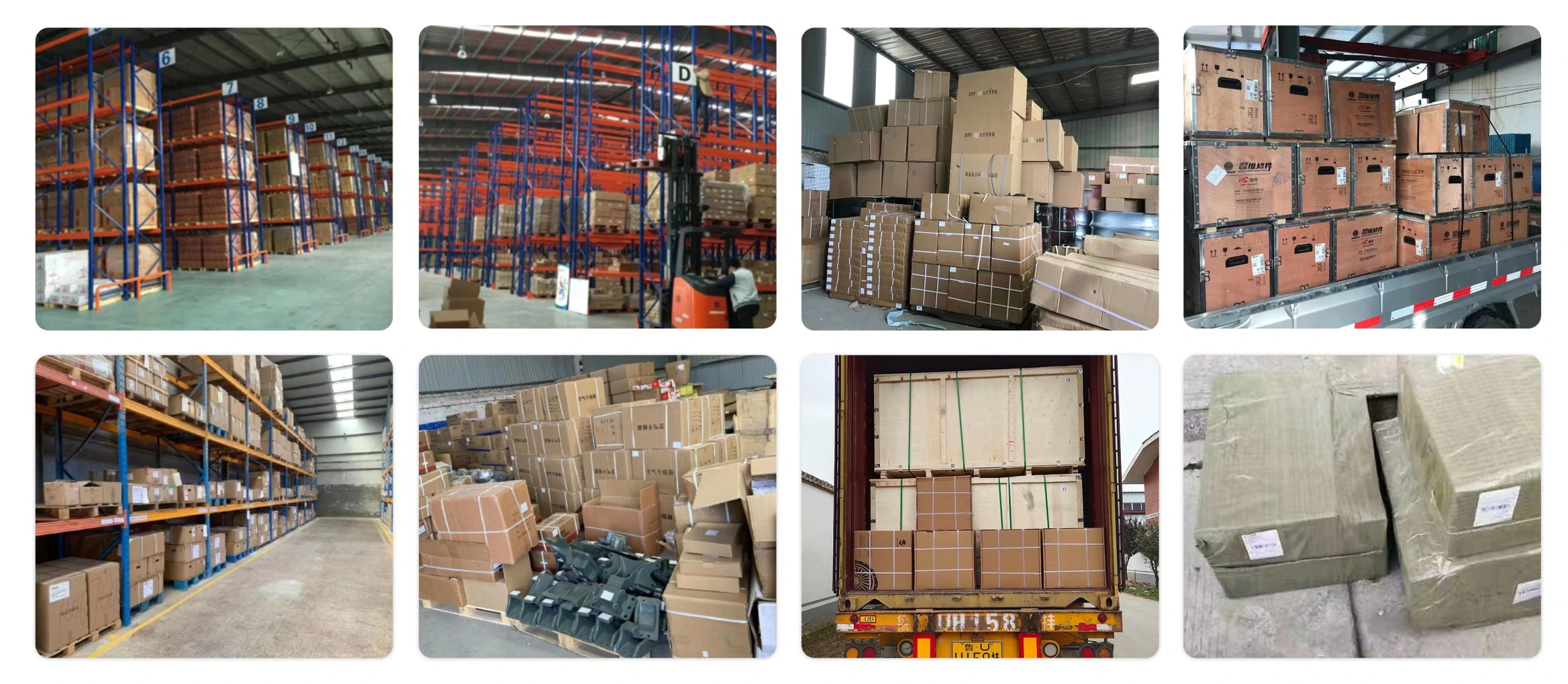
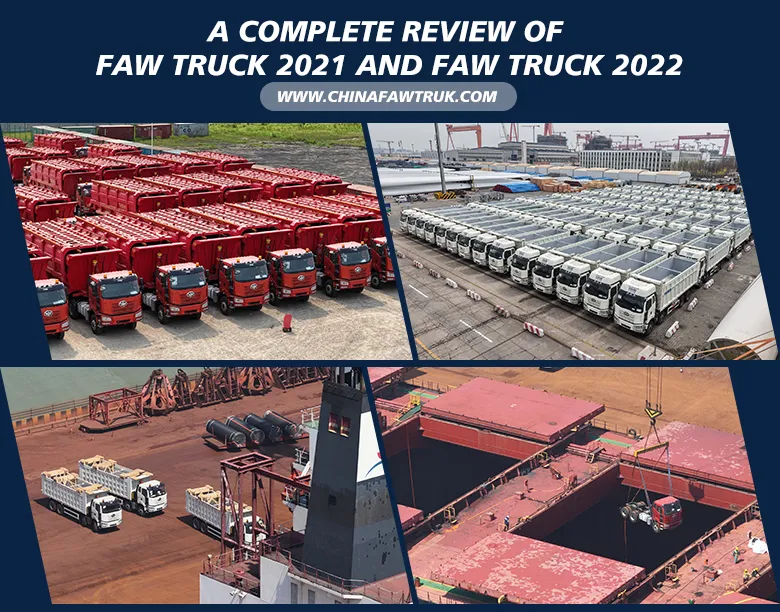
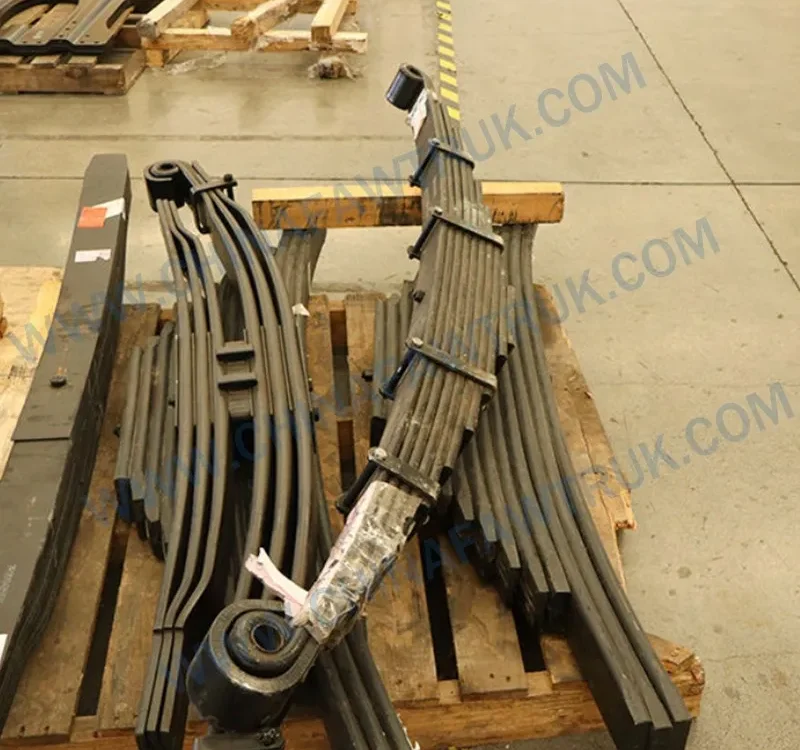
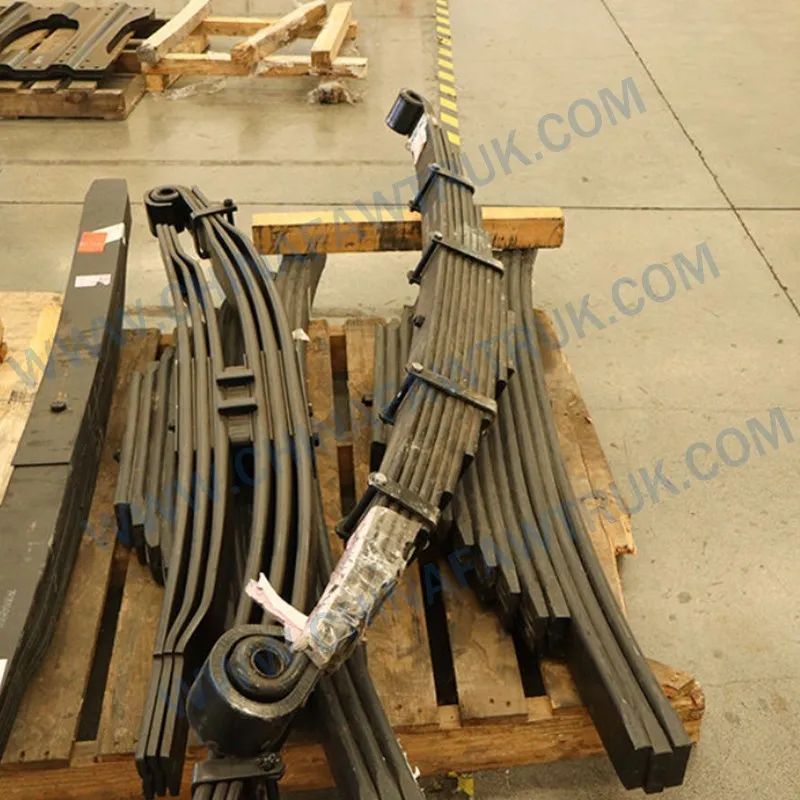
Pièces FAW, y compris l'ensemble bloc-cylindres, sont emballés avec soin pour garantir une livraison en toute sécurité. Chaque composant est sécurisé dans des matériaux de protection pour éviter tout dommage pendant le transport. Le réseau logistique garantit des expéditions ponctuelles dans le monde entier, soutenir des opérations de maintenance efficaces. Vous trouverez ci-dessous une image illustrant l'emballage standard des pièces de camion FAW., mettant en valeur l’attention portée aux détails dans la manipulation et le stockage.
Cette approche d'emballage minimise le risque de corrosion ou de dommages causés par les chocs., s'assurer que les pièces comme l'ensemble bloc-cylindres FAW arrivent en parfait état. Les clients peuvent compter sur la logistique de FAW pour une qualité et une fiabilité constantes.